A furniture manufacturer in North Carolina shipped 15,000 yards of PU leather fabric to a national hotel chain for a full lobby and guest room refurbishment. Fourteen months later, the hotel’s facilities director sent photos: 40% of the 2,400 armchairs had visible cracking along seat edges and armrests. The PU coating was peeling in sheets. The replacement cost was $340,000 — and the manufacturer absorbed it under warranty. The root cause wasn’t defective production. It was hydrolysis: moisture in the air slowly breaking down the ester bonds in the polyurethane coating until the surface lost structural integrity. This is the hidden failure point in every PU leather fabric supply chain, and most buyers don’t test for it.
TOPSUN manufactures silicone leather fabric using a solvent-free dry coating process that produces a hydrolysis-proof, UV-stable, non-porous surface. With 1,000+ hours of salt spray resistance, ISO 11507 hydrolysis certification, and a 10+ year service life, our material eliminates the 14-month failure cycle that drives warranty claims and contract losses in hospitality, furniture, and automotive supply chains.
What Is Leather Fabric and Why the Category Is Fragmented
“Leather fabric” is a catch-all term that covers everything from genuine animal hide to PVC-coated fabric to PU synthetic to silicone-coated textiles. The leather fabric buyer’s guide on our site categorizes these into five material types, each with fundamentally different molecular structures, failure modes, and supply chain risk profiles. When a buyer orders “leather fabric” without specifying the material chemistry, they get whatever the supplier has in stock — usually the cheapest.
The problem is that the specification gap between material types is enormous. A PVC leather fabric costs $1.20-1.80 per meter and lasts 2-3 years before plasticizer migration causes cracking. A PU leather fabric costs $1.80-3.50 per meter and lasts 3-5 years before hydrolysis breaks down the coating. A full-grain genuine leather fabric costs $8-15 per meter and lasts 15-25 years but absorbs stains and requires chemical conditioning. A silicone leather fabric costs $3.50-6.00 per meter and lasts 10+ years with zero hydrolysis, zero cracking, and zero maintenance. The synthetic vs genuine comparison shows the performance gap across 12 test parameters.

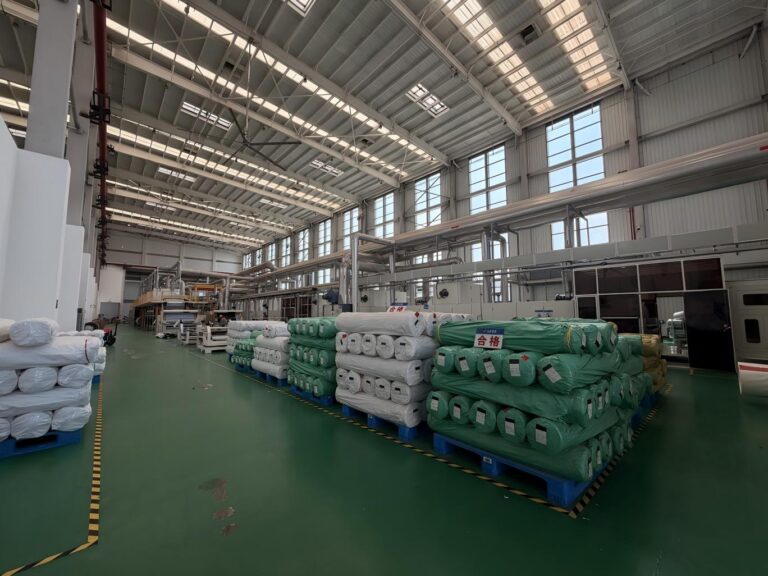
Fabric inspection station — every roll is checked for coating uniformity, thickness tolerance, and surface defects before entering the slitting and packaging line
The Hydrolysis Problem: Why PU Leather Fabric Fails at 14 Months
Hydrolysis is the chemical breakdown of polyurethane when water molecules cleave the ester or ether bonds in the PU molecular chain. It’s not a surface defect — it’s a structural failure. The coating doesn’t just look bad; it loses its bond to the fabric base and peels away in sheets. ISO 11507 testing accelerates this process by exposing material samples to controlled humidity and temperature cycles. The results are predictable and have been documented across the synthetic leather industry.
Standard PU leather fabric passes ISO 11507 hydrolysis testing at 3-5 weeks of accelerated exposure, which translates to approximately 3-5 years of real-world indoor use. But that timeline collapses in high-humidity environments. Hotels in coastal or tropical climates see PU fabric failure at 12-18 months. Restaurants with kitchen-adjacent seating see it at 14-20 months. Gym equipment upholstery fails at 10-15 months from sweat exposure. The hotel chain in North Carolina was in a temperate climate — and still hit 40% failure at 14 months because the lobby HVAC maintained 55-65% relative humidity year-round.
Silicone leather’s Si-O-Si backbone is inherently hydrolysis-proof. The siloxane bond is stable against water molecule attack — there are no ester or ether linkages to cleave. TOPSUN silicone leather passes ISO 11507 testing at 10+ weeks of accelerated exposure with zero surface degradation, zero delamination, and zero weight change. The leather fabric sofa guide includes the full test certificate data.

Coating line water-cooling section — the solvent-free dry coating process uses temperature-controlled rollers to cure silicone onto fabric without VOC emissions
Supply Chain Red Flags in Leather Fabric Sourcing
The fabric supplier audit checklist identifies seven verification steps before committing to a leather fabric order. Here are the three that most directly prevent hydrolysis failures:
Red Flag 1: No ISO 11507 hydrolysis test certificate. If a supplier cannot produce a current (within 12 months) hydrolysis test report from an accredited lab (SGS, Intertek, or TUV), assume the material will fail within 3-5 years. Request the actual certificate, not a data sheet summary. The certificate should specify exposure duration, humidity level, temperature, and post-test surface condition rating.
Red Flag 2: “Water-based PU” marketed as hydrolysis-proof. Water-based PU reduces VOC emissions during production but does not change the hydrolysis susceptibility of the cured polyurethane. The ester bonds still cleave under moisture exposure. A water-based PU leather fabric will still fail at 14-18 months in high-humidity environments. Only silicone-coated fabric is hydrolysis-proof at the molecular level.
Red Flag 3: Thickness variance across a single roll. PU leather fabric with thickness variance greater than ±0.15mm across a single roll indicates inconsistent coating application. Thin spots fail first — hydrolysis penetrates faster where the coating is thinnest. TOPSUN silicone leather maintains ±0.05mm thickness tolerance across the full 54-inch roll width, verified by inline laser measurement during coating.

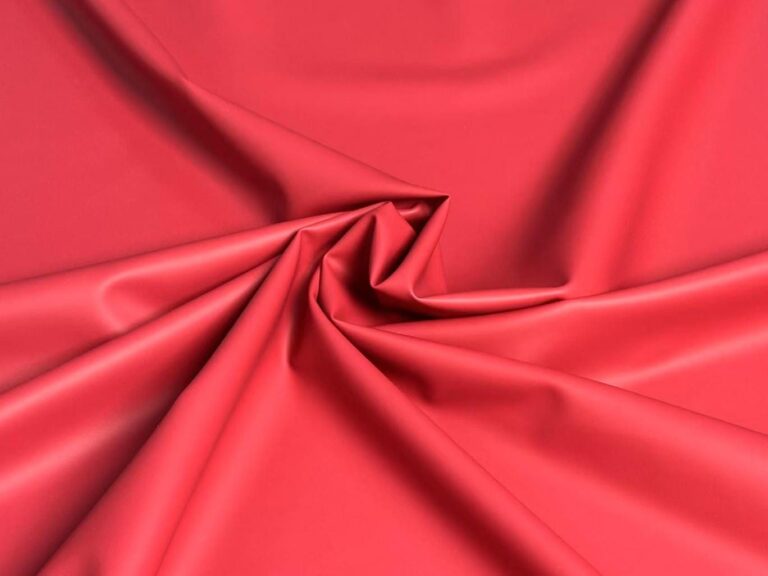
Faux leather material guide — understanding the difference between PVC, PU, and silicone coatings prevents 14-month warranty claims
Material Comparison: Hydrolysis and Beyond
| Property | PVC Fabric | PU Fabric | Genuine Hide | Silicone Fabric |
|---|---|---|---|---|
| Hydrolysis (ISO 11507) | Moderate | Poor — 3-5 weeks | Susceptible to mold | Excellent — 10+ weeks |
| UV resistance (ASTM G154) | Cracks in 1-2 years | Fades in 2-3 years | Fades and stiffens | 1,000+ hours, no change |
| Temperature range | -10 to 60°C | -20 to 80°C | -10 to 60°C | -40 to 250°C |
| VOC emission (ISO 16000-6) | Contains plasticizers | Contains DMF/solvents | Chrome residues | Zero VOC |
| Service life (indoor) | 2-3 years | 3-5 years | 15-25 years | 10+ years |
| FOB cost per meter (B2B) | $1.20-1.80 | $1.80-3.50 | $8.00-15.00 | $3.50-6.00 |
| Thickness tolerance | ±0.20mm | ±0.15mm | Variable (natural) | ±0.05mm |
| Roll width | 137cm | 137-140cm | Variable (hide shape) | 135-180cm |
The cost-per-year metric tells the procurement story. PU fabric at $2.50/meter lasting 4 years costs $0.63/meter/year. Silicone fabric at $5.00/meter lasting 10+ years costs $0.50/meter/year. The cheaper material costs more over the product lifecycle — and that’s before warranty claims, replacement labor, and brand damage are factored in. The existing leather fabric article on our site covers additional application-specific considerations.
How TOPSUN Eliminates the 14-Month Failure in Leather Fabric Supply
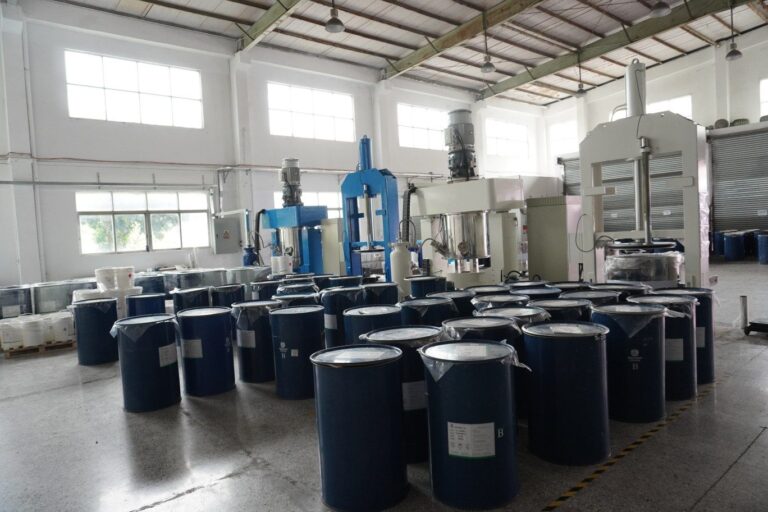
TOPSUN’s silicone leather fabric is produced on 10+ automated coating lines across three facilities in Dongguan, Yichang, and Xiangyang — totaling 60,000+ m² of production space with a monthly capacity of 500,000+ meters. The solvent-free dry coating process applies liquid silicone elastomer onto fabric substrates using precision calendering rollers, then cures the coating through temperature-controlled ovens. No solvents. No DMF. No plasticizers. The result is a fabric that:
- Passes hydrolysis at 10+ weeks — ISO 11507 accelerated testing with zero surface degradation
- Maintains thickness at ±0.05mm — inline laser measurement across the full 135-180cm roll width
- Resists 200,000+ Martindale cycles — commercial-grade abrasion for hospitality and transport seating
- Survives 1,000+ hours salt spray — marine and coastal applications without coating breakdown
- Operates -40°C to 250°C — no cold-weather cracking, no heat deformation
- Carries EN 13773 Class 4 flame rating — aviation and public transport certified
For furniture and hospitality buyers, the High Performance Collection is engineered for commercial seating with enhanced abrasion and flame retardancy. For fashion and accessories brands, the Designer Collection offers metallic finishes, pearlescent surfaces, and 100+ custom textures. All collections are available in unlimited Pantone-matched colors with Delta E ≤ 1.0 batch-to-batch consistency.
Frequently Asked Questions
What is the most durable leather fabric for commercial furniture?
Silicone leather fabric is the most durable option for commercial furniture, with 200,000+ Martindale abrasion cycles, 10+ week hydrolysis resistance (ISO 11507), and a 10+ year service life. PU fabric typically fails at 3-5 years from hydrolysis, and PVC fails at 2-3 years from plasticizer migration. Full-grain genuine hide lasts 15-25 years but requires chemical conditioning and absorbs stains — making it impractical for high-traffic commercial seating. Silicone fabric combines the durability of genuine hide with the cleanability and consistency of synthetic material.
How do I prevent hydrolysis in leather fabric?
Hydrolysis in PU leather fabric cannot be prevented — it’s an inherent property of the polyurethane molecular structure. Moisture in the air will break down ester bonds regardless of coating thickness or maintenance. The only way to eliminate hydrolysis risk is to specify a material that doesn’t contain hydrolysis-susceptible bonds. Silicone leather’s Si-O-Si backbone is stable against water molecule attack, making it the only commonly available leather fabric that is truly hydrolysis-proof.
The 14-month failure point isn’t a quality control problem — it’s a material chemistry problem. When your leather fabric specification includes ISO 11507 hydrolysis testing, ASTM G154 UV resistance, and ISO 12947-2 Martindale abrasion data, the supply chain risk disappears. TOPSUN provides free A4 swatch samples, full ISO test certificates, and Pantone-matched color samples via DHL worldwide. Request your fabric evaluation kit today.