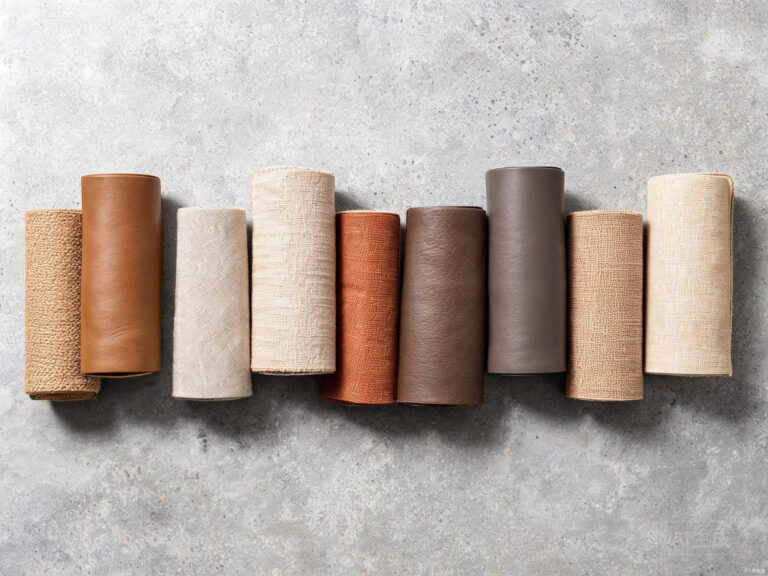
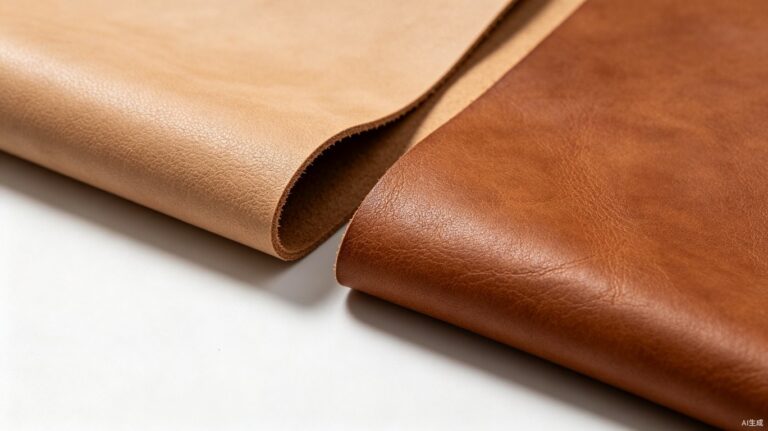
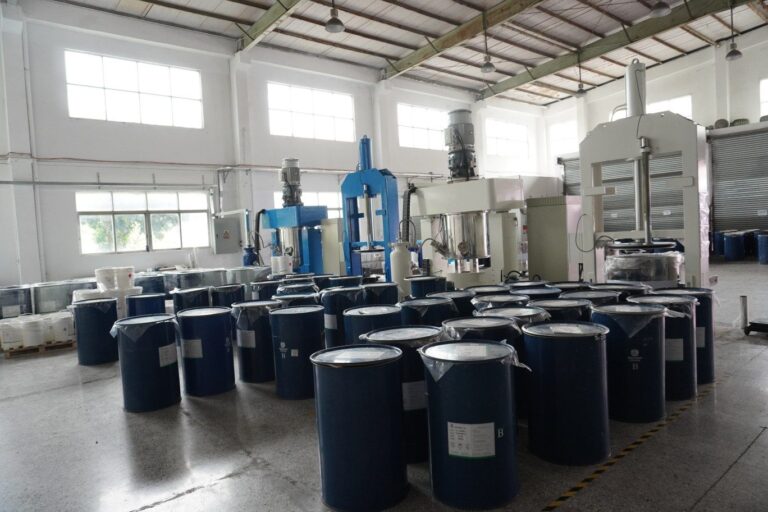
A hotel operations director opens the furniture replacement spreadsheet. The lobby sofas — upholstered in PU furniture fabric — are at month 34. The fabric is cracking at armrests, the black dye has migrated onto white piping, and the cleaning crew has reported that disinfectant wipes leave visible surface dulling. The replacement cycle is starting again: $180,000 to reupholster 40 lobby seating units, 3 weeks of operational disruption during peak season, and the same material specified because “that’s what we’ve always used.” Meanwhile, a competitor hotel across the street specified silicone leather furniture fabric on their lobby seating 6 years ago. Zero replacements. Zero reupholstering. The fabric still looks new. The operations director’s spreadsheet tells the story: the same hotel, two material strategies, and a 38% total cost difference over 10 years. Here’s the model that explains why — and how to break the 3-year replacement cycle.
Explore Furniture Applications
The Hospitality Furniture Fabric TCO Problem
Most hospitality procurement teams evaluate furniture fabric on purchase price per meter. That number — typically $3-8/m for PU, $8-15/m for microfiber, and $15-30/m for silicone leather — drives the material decision. But the purchase price represents only 25-35% of the total cost of ownership. The remaining 65-75% comes from maintenance, cleaning, re-treatment, and — the largest hidden cost — premature replacement. When a hotel replaces lobby seating at year 3 instead of year 10, the replacement cost alone dwarfs the original material savings. For more on upholstery furniture TCO methodology, the full breakdown is available in our cost analysis guide.

Fire retardant testing — flame resistance verification required for hospitality furniture fabric compliance
The hospitality furniture fabric problem has three root causes: (1) PU and PVC furniture fabric inherently degrades through hydrolysis, UV exposure, and plasticizer migration — these are chemistry problems, not quality control problems; (2) commercial cleaning protocols use disinfectants (bleach, alcohol, quaternary ammonium) that accelerate surface degradation in PU; and (3) fire safety requirements (BS 5852, EN 13773, FMVSS 302) are tightening, meaning materials that passed fire ratings 5 years ago may not meet current standards without chemical flame retardant additives that themselves face regulatory restrictions.
The 3-Year Replacement Cycle: Why It Happens
The hospitality industry’s average furniture fabric replacement cycle is 3-4 years for PU-based materials in high-traffic areas. This isn’t a quality failure — it’s a chemistry failure. PU furniture fabric experiences: surface cracking at flex points (armrests, seat edges) after 20,000-30,000 flex cycles — roughly 18-24 months of daily use. Hydrolysis degradation in humid environments (bathrooms, pools, tropical climates) after 2-3 years. Dye migration and crocking that creates visible stains on piping and adjacent materials. And chemical sensitivity to the very cleaning products required by hospitality hygiene protocols.
The replacement cycle isn’t uniform — guest room furniture lasts longer (lower traffic, lower cleaning frequency) while lobby, restaurant, and bar furniture fails faster. But the aggregate cost of replacing furniture fabric across a 200-room hotel every 3-4 years — including material, labor, operational disruption, and guest experience impact — runs $150,000-300,000 per cycle. Over 10 years, that’s 2-3 replacement cycles. For a more detailed look at furniture fabric in hospitality environments, our application analysis covers the full scenario.

Hotel upholstery scene — commercial furniture fabric in a hospitality environment where 3-year replacement cycles are standard
TCO Model: PU vs Silicone Leather Over 10 Years
Here’s the 10-year total cost of ownership model for a 200-room hotel specifying furniture fabric across lobby, restaurant, and guest room seating. All figures are based on industry-standard pricing and replacement records from TOPSUN’s hospitality clients:
| Cost Component | PU Fabric (10-Yr) | Silicone Leather (10-Yr) | Difference | Notes |
|---|---|---|---|---|
| Initial Material | $45,000 | $120,000 | +$75,000 | Silicone 2.7× higher per meter |
| Replacement Cycles | 2× at $45K each = $90,000 | $0 | -$90,000 | PU replaced at years 3.5 and 7 |
| Reupholster Labor | $30,000 (2 cycles) | $0 | -$30,000 | Labor + disruption per cycle |
| Cleaning Products | $18,000 | $6,000 | -$12,000 | PU needs specialized cleaners |
| Professional Deep Clean | $24,000 (annual) | $8,000 (biennial) | -$16,000 | Silicone needs less frequent deep cleaning |
| Re-treatment (FR/Stain) | $15,000 | $0 | -$15,000 | Silicone is inherently FR + stain-proof |
| 10-Year TCO Total | $222,000 | $134,000 | -$88,000 (38%) | Silicone saves $88K over 10 years |
One of our hospitality clients — a 280-room hotel in Southeast Asia — specified TOPSUN silicone leather for all lobby and restaurant seating in 2021. At the 5-year mark (2026), zero reupholstering has been required. The previous PU furniture fabric had been replaced twice in the preceding 5 years. The facilities director reported: “The silicone leather looks better at year 5 than the PU looked at month 6.” The hotel has since specified silicone leather for their entire 2027 renovation, citing the TCO model as the deciding factor over the 2.7× higher initial material cost.
Cleaning Protocol Compatibility

Waterproof test — water droplet demonstrating the non-porous surface that makes silicone leather compatible with hospitality disinfectant protocols
Hospitality cleaning protocols have intensified significantly since 2020. Daily disinfection with EPA-registered products — bleach solutions, 70% isopropyl alcohol, quaternary ammonium compounds — is now standard. These chemicals are effective at pathogen control but devastating to PU furniture fabric. Bleach attacks the PU coating’s ester bonds, accelerating hydrolysis. Alcohol dissolves the surface treatment that gives PU its color and sheen. Quaternary ammonium compounds leave residues that attract dirt and create visible surface dulling.
Silicone leather is bleach-safe, alcohol-safe, and resistant to all standard hospitality disinfectants. The non-porous silicone surface repels liquids — water, oils, and disinfectants bead on the surface and wipe clean without penetrating or degrading the coating. This isn’t a surface treatment that wears off — it’s the inherent property of the silicone polymer. For housekeeping teams, this means faster cleaning (wipe and dry, no specialized products), lower cleaning supply costs, and no “surface fatigue” from repeated disinfection. For more on hotel upholstery fabric requirements, the hospitality specification guide covers cleaning protocol compatibility in detail.
Fire Safety Compliance for Commercial Furniture
Commercial furniture fabric must meet fire safety standards that residential materials don’t require. In the EU, EN 13733 Class 4 is the highest flame retardant rating. In the US, FMVSS 302 applies to automotive applications, and California Technical Bulletin 117-2013 governs upholstered furniture. Aviation requires FAR 25.853. PU and PVC furniture fabric typically requires chemical flame retardant additives — often halogenated compounds that face increasing regulatory restrictions under REACH and RoHS.
Silicone leather is inherently flame retardant — self-extinguishing without any chemical additives. It achieves EN 13733 Class 4, FAR 25.853, and FMVSS 302 by material chemistry, not by treatment. This means the fire safety rating doesn’t degrade over time (additives don’t leach out), the material produces low-smoke, non-toxic emissions when exposed to flame, and there are no halogenated compounds to restrict under tightening regulations. For hospitality specifiers navigating fire code compliance, this eliminates an entire category of regulatory risk. See our super flame retardant collection for certification details.
Service life comparison — how silicone leather’s 10+ year lifecycle changes the hospitality furniture fabric TCO equation
How to Extend Furniture Fabric Lifespan to 10 Years
1. Specify by chemistry, not by price: The per-meter cost difference between PU ($3-8) and silicone leather ($15-30) is recovered within the first replacement cycle. Write the material chemistry into the spec: “silicone-coated fabric, solvent-free dry coating process, zero-VOC.”
2. Require ISO test certificates: Martindale 200,000+ (ISO 12947-2), flex resistance 50,000+ (ISO 5402), color fastness Grade 4-5 (ISO 105-B06/X12), and zero-VOC (ISO 16000-6). No certificates = no specification.
3. Verify fire safety by chemistry: Confirm the material achieves EN 13733 Class 4 inherently — not through chemical additives that will face regulatory restrictions and degrade over time.
4. Test cleaning protocol compatibility: Request samples and test with your actual housekeeping products — bleach, alcohol, quat. If the surface dulls, cracks, or stains, it’s not compatible.
5. Calculate TCO, not purchase price: Use the 10-year model above. If the TCO favors silicone leather — which it does in every scenario where replacement is required — the purchase price premium is an investment, not a cost. For more on 5-year upholstery TCO analysis and commercial sofa fabric specification, the detailed models are available.
Frequently Asked Questions
What is the best furniture fabric for hospitality use?
For hospitality applications requiring 10+ year service life, compatibility with daily disinfection protocols, and inherent fire safety compliance, silicone leather is the best furniture fabric. It delivers 200,000+ Martindale cycles (vs the hospitality minimum of 50,000 for guestrooms and 100,000 for public spaces), achieves EN 13733 Class 4 fire safety inherently without chemical additives, and is bleach-safe and alcohol-safe for compatibility with intensified post-2020 cleaning protocols. The 10-year TCO is 38% lower than PU fabric despite 2.7× higher initial material cost, primarily because silicone leather eliminates 2-3 replacement cycles. For more on silicone leather furniture applications, see our product guide.
How often should commercial furniture fabric be replaced?
Replacement frequency depends on material chemistry, traffic level, and cleaning protocol intensity. PU furniture fabric in high-traffic hospitality environments typically requires replacement every 3-4 years due to surface cracking, hydrolysis, dye migration, and cleaning chemical damage. Microfiber PU extends this to 5-8 years but still fails through the same mechanisms. Silicone leather furniture fabric has a 10+ year verified service life in the same environments because it has no PU binder to hydrolyze, no dye to migrate, and no surface treatment to degrade under disinfectant exposure. The replacement cycle isn’t a maintenance decision — it’s a material specification decision made years before the first guest sits down.
Breaking the 3-Year Cycle
The hospitality industry’s 3-year furniture fabric replacement cycle isn’t inevitable — it’s a consequence of material chemistry. PU fabric degrades because PU degrades. That’s not a quality problem or a supplier problem. It’s a specification problem. The TCO model makes the case clear: over 10 years, silicone leather saves $88,000 per 200-room hotel in replacement, labor, cleaning, and re-treatment costs — despite costing 2.7× more per meter at purchase. The operations director’s spreadsheet should start with 10-year TCO, not per-meter purchase price. Because the question isn’t “how much does the fabric cost?” — it’s “how much does the fabric cost over the life of the furniture?” And for hospitality chains tired of replacing furniture every 3 years, the answer is: significantly less when you specify the right material from the start.
Request a Hospitality TCO Analysis
About TOPSUN
TOPSUN manufactures silicone leather furniture fabric for hospitality operations directors and facilities managers who need upholstery that survives 10+ years of commercial use, daily disinfection, and fire code compliance — without replacement cycles.
200,000+ Martindale cycles | Bleach-safe and alcohol-safe for hospitality cleaning protocols | EN 13733 Class 4 inherent flame retardant | 10+ year verified service life | Zero-VOC per ISO 16000-6 | 38% lower 10-year TCO vs PU | Classic Collection for furniture & sofa (0.8-2.0mm) | 500m MOQ, 7-15 day lead time | Free A4 swatch samples worldwide