

Hydrolysis Resistant Silicone Leather: The Complete Guide
Hydrolysis is the number one cause of PU leather failure worldwide. This guide explains the molecular mechanism behind hydrolysis degradation, and how silicone leather's Si-O-Si backbone eliminates delamination, cracking, and structural collapse in humid, salty, and high-temperature environments.
What Is Hydrolysis & Why It Matters
Understanding the chemical reaction that silently destroys conventional synthetic leather
The Chemistry Behind PU Leather Failure
Hydrolysis is a chemical reaction in which water molecules cleave the ester linkages (R-COO-R') in PU leather's polymer and adhesive layer. As ester bonds degrade, the adhesive loses cohesive strength, causing progressive delamination, cracking, and complete material failure.
Silicone leather eliminates this entirely. Its polydimethylsiloxane (PDMS) backbone uses siloxane bonds (Si-O-Si) with 452 kJ/mol bond energy — versus ~360 kJ/mol for ester bonds. The siloxane bond is non-polar and hydrophobic, so water cannot attack the silicon-oxygen framework. No hydrolysis reaction can occur.
The Four Stages of PU Hydrolysis Failure
Stage 1: Initial Molecular Degradation
Water molecules begin cleaving ester bonds in the PU adhesive layer. This invisible process lasts 6-18 months, with polymer molecular weight gradually decreasing.
Stage 2: Micro-Cracking & Surface Changes
Micro-cracks appear under 10x magnification and tensile strength drops 15-30%. This stage typically occurs at 1.5-3 years in moderate humidity.
Stage 3: Delamination
The adhesive layer loses structural integrity and the surface coating separates from the fabric substrate. Visible peeling at edges and seams typically occurs at 2-5 years depending on humidity, temperature, and salt exposure.
Stage 4: Structural Collapse
Complete adhesive failure causes large-scale delamination and total loss of aesthetic and functional properties. In marine and tropical environments, this end-of-life stage can occur in as little as 2-3 years.
Molecular Advantage: Si-O-Si vs Ester Bond
The fundamental chemical difference that determines decades of durability vs. premature failure
PU/PVC: Ester Bond (R-COO-R')
PU and PVC leather rely on ester linkages (C-C(=O)-O-C) with ~360 kJ/mol bond energy. These bonds are polar and hydrophilic, making them susceptible to nucleophilic attack by water. Even 60% RH at 40°C can initiate measurable hydrolysis in polyester-based PU systems, resulting in a typical 3-5 year lifespan in humid environments.
Silicone: Si-O-Si Bond
Silicone leather's backbone uses alternating silicon-oxygen atoms (Si-O-Si) with ~452 kJ/mol bond energy — roughly 25% stronger than ester. The siloxane backbone is hydrophobic and non-polar, so water cannot form the transition state for hydrolysis. It also resists UV, oxidation, and thermal degradation up to 250°C, delivering 10-15+ year service life.
Laboratory Test Data
Accelerated aging, salt-spray, and real-world validation confirm hydrolysis immunity
ASTM D-3980-02 Accelerated Aging
Samples conditioned at 85°C / 85% RH per ASTM D-3980-02. After 14 continuous weeks (equivalent to ~10-15 years natural aging), silicone leather shows zero delamination and less than 5% tensile strength change. PU leather typically fails within 3-4 weeks.
Salt-Spray Resistance
Continuous ASTM B117 salt-spray at 5% NaCl, 35°C. Silicone leather withstands 1000+ hours with no discoloration or adhesive weakening, validating marine and coastal performance. PU leather typically degrades within 200-400 hours.
Real-World Validation
A 5-year field study across tropical and marine installations (Southeast Asia, Middle East, Caribbean) confirms zero hydrolysis failures. All samples retained tensile strength within 10% of initial values, with no delamination or cracking observed.
Durability Comparison: Silicone vs PU Leather
Watch how silicone leather outlasts conventional PU leather under accelerated aging and real-world conditions
Where Hydrolysis Resistance Matters Most
Environments where conventional synthetic leather fails, but silicone leather thrives
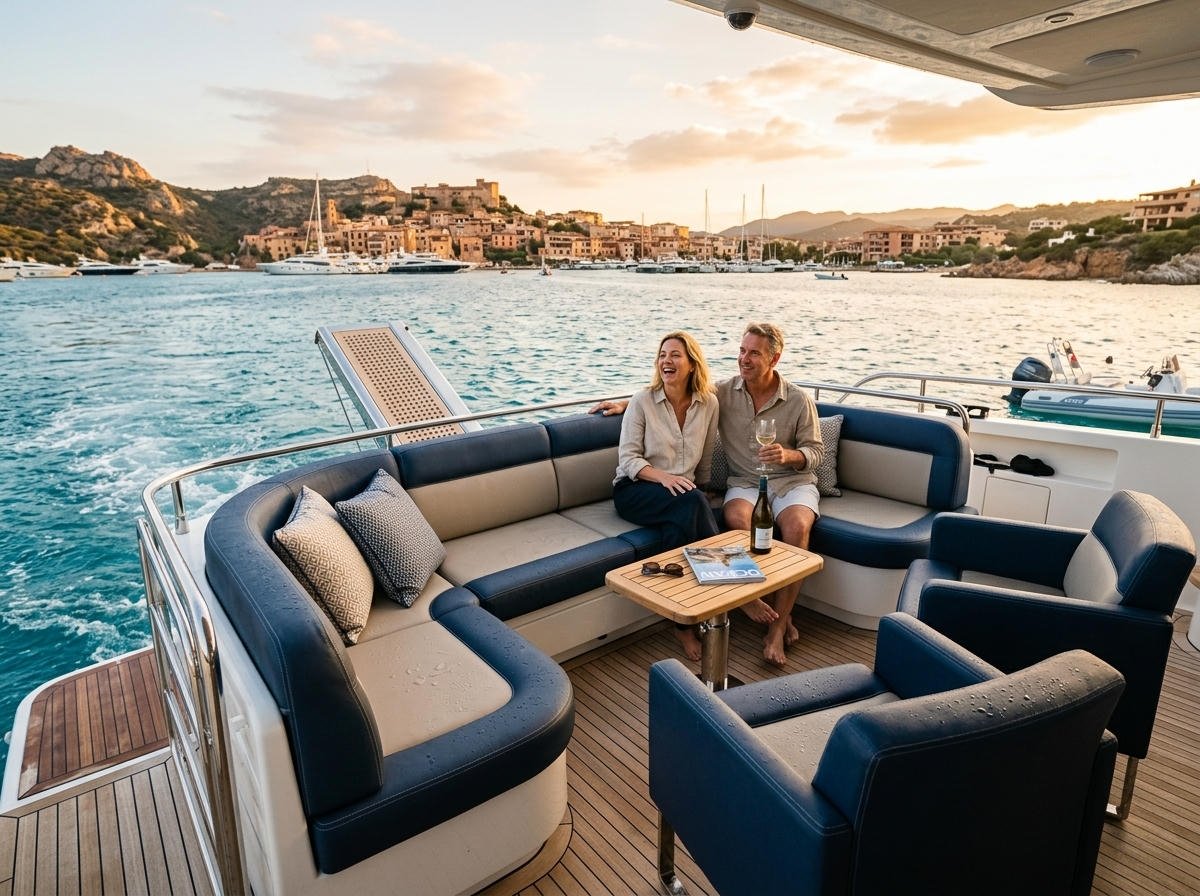
Marine & Yacht
Constant exposure to saltwater spray, UV, and 80%+ humidity creates a triple-threat acceleration of hydrolysis. PU leather on yacht upholstery typically degrades within 2-3 years — silicone leather delivers 10+ years. Explore marine applications.
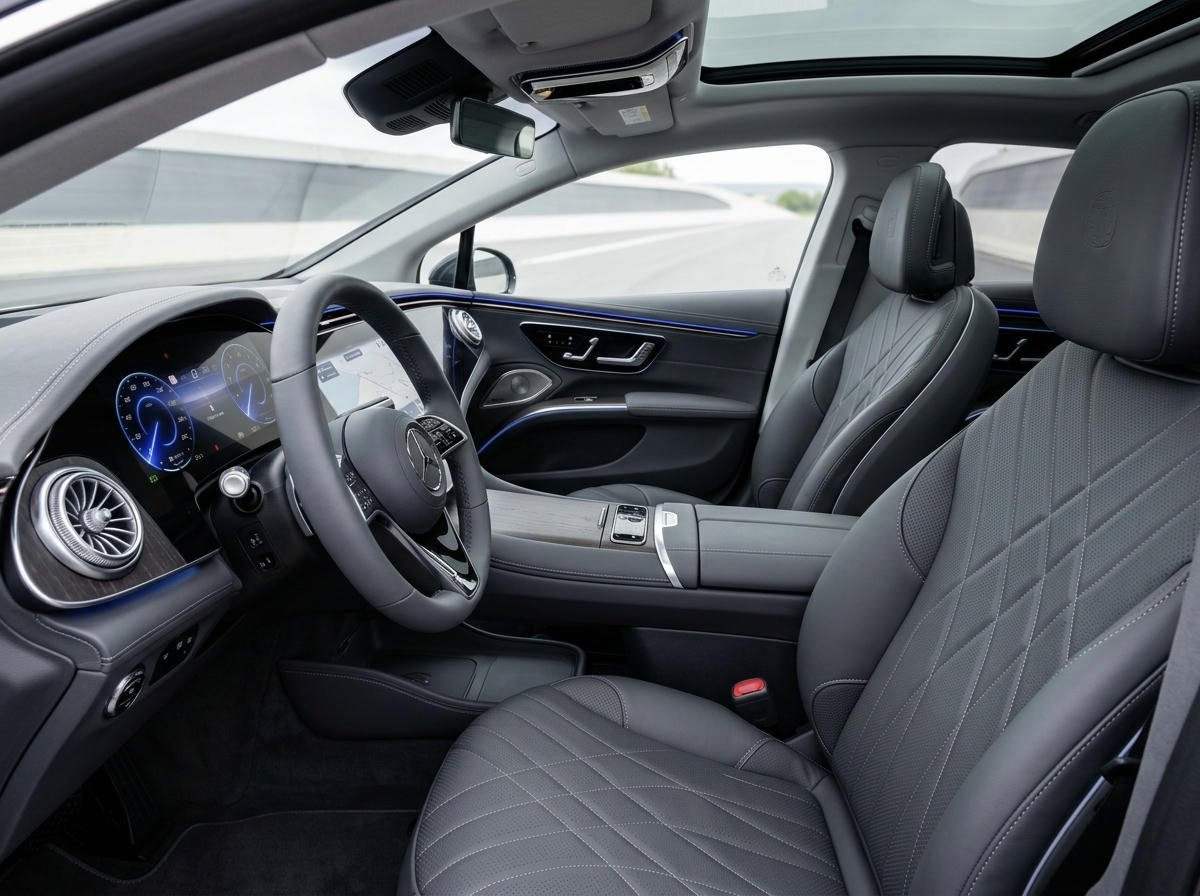
Automotive Interiors
Vehicle cabins exceed 80°C in direct sun with humidity spikes from AC cycles. In tropical markets, PU seats show hydrolysis cracking within 3-5 years. Silicone leather maintains integrity across the full -40°C to 250°C range. Explore automotive applications.

Outdoor Furniture
Rain, dew, UV, and temperature extremes create combined hydrolysis and photo-oxidation. PU upholstery often fails within 2-4 years. Silicone leather's dual resistance eliminates both failure vectors. Explore furniture applications.
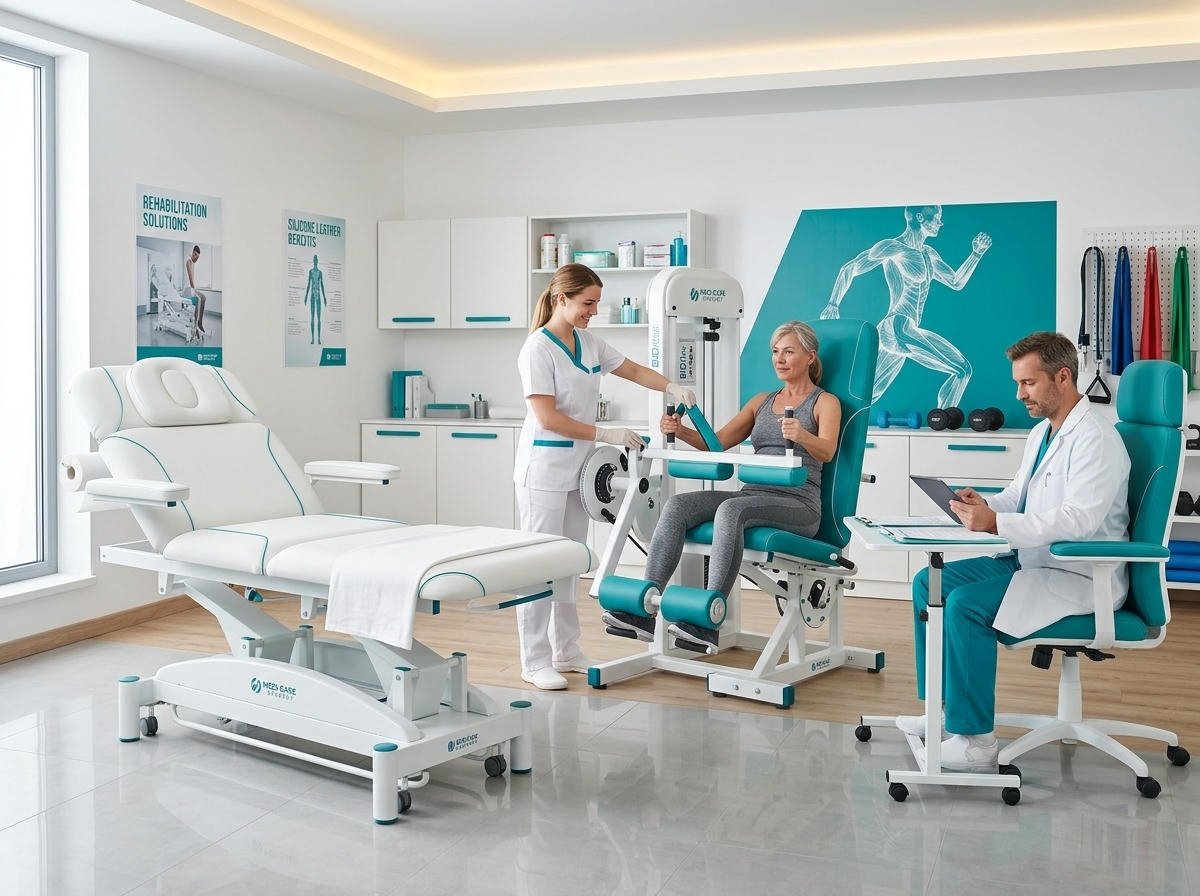
Medical & Healthcare
Repeated cleaning with alcohol, bleach, and quaternary ammonium compounds accelerates PU hydrolysis at the adhesive layer, causing cracking after hundreds of cycles. Silicone leather resists both chemical attack and moisture exposure. Explore medical applications.

High-Humidity Regions
In tropical climates averaging 75-90% humidity and 30°C+, PU upholstery fails within 2-4 years. Silicone leather survives decades without delamination or odor, making it the permanent specification for hotels and resorts in Southeast Asia, the Middle East, and coastal regions.
Performance Comparison Table
Silicone leather vs PU leather vs PVC leather across eight critical durability parameters
| Parameter | Silicone Leather | PU Leather | PVC Leather |
|---|---|---|---|
| Hydrolysis Resistance | Immune (Si-O-Si inert to water) | Fails (ester bond hydrolysis) | Moderate (no ester, but plasticizer migration) |
| Salt-Spray (hours, ASTM B117) | 1000+ hours, no degradation | 200-400 hours, surface cracking | 500-700 hours, plasticizer loss |
| UV Resistance (hours, Xenon arc) | 1500 hours, no cracking | 300-500 hours, yellowing & cracking | 500-800 hours, chalking |
| Temperature Range | -40°C to +250°C | -20°C to +80°C | -20°C to +60°C |
| Chemical Resistance | Alcohol, bleach, disinfectants | Swells in alcohol & solvents | Moderate, oil-sensitive |
| Lifespan (years) | 10-15+ years | 3-5 years (humid) / 5-7 years (dry) | 3-5 years |
| End-of-Life | 100% recyclable, repurposable | Non-recyclable, landfill | Non-recyclable, toxic incineration |
| VOC Emissions | Zero (solvent-free) | High (DMF, toluene residues) | Very high (chlorine compounds) |
Hydrolysis vs Other Failure Modes
Hydrolysis is the most common failure mode — but silicone leather resists all of them
UV Degradation
PU leather's organic polymer absorbs UV photons, causing chain scission and yellowing. Silicone leather's Si-O-Si backbone is inherently UV-stable, achieving 1500 hours xenon-arc exposure with no cracking and Delta E < 2.0 — versus PU's typical failure at 300-500 hours.
Chemical Attack
PU leather swells or dissolves when exposed to alcohol, bleach, and other common cleaning agents because its ester and urethane linkages are chemically reactive. Silicone leather's chemically inert siloxane surface resists virtually all cleaning agents, body oils, and solvents, enabling indefinite disinfection without degradation.
Mechanical Wear
Silicone leather consistently achieves 200,000+ Martindale cycles (ISO 12947) without surface failure, classifying it as heavy-duty commercial grade — far exceeding PU leather's typical 30,000-80,000 cycles. Combined with hydrolysis immunity, this ensures both structural integrity and surface appearance throughout the 10-15 year service life.
Hydrolysis Resistance FAQ
Technical questions from procurement and engineering teams
Need Materials That Survive the Elements?
Request free test samples and full ASTM test reports. See for yourself how silicone leather performs where PU cannot.