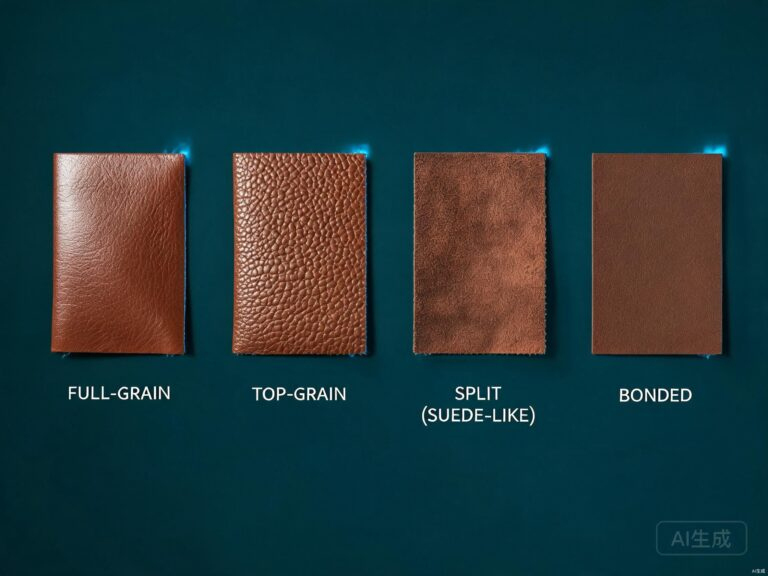
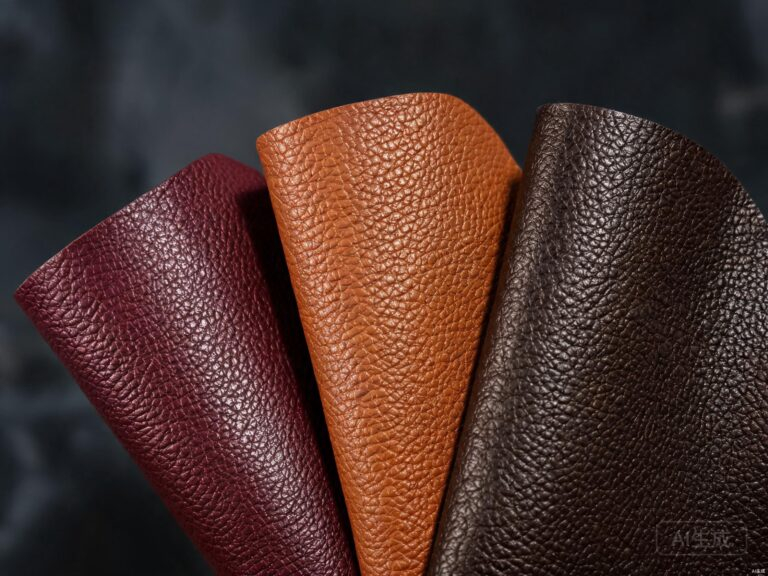
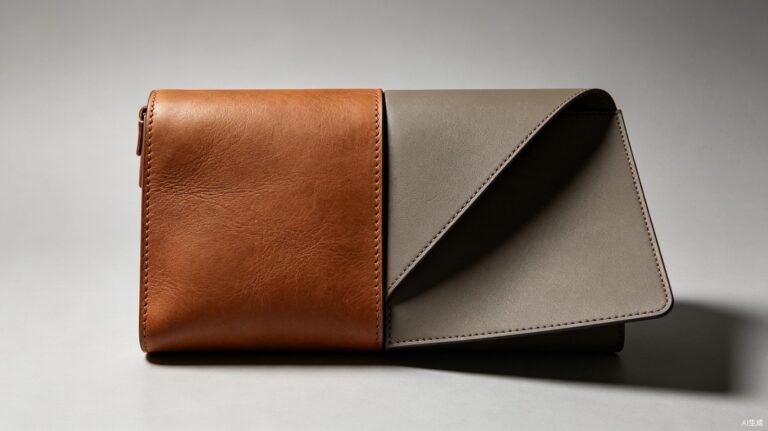
Choosing the right leather fabric sofa material can make or break your furniture line. B2B buyers face a crowded market. Options range from classic faux leather to advanced silicone leather. Each material offers unique benefits for different price points and use cases.
This guide cuts through the noise. We compare every major sofa upholstery material on the market. You will learn which option fits your brand, your budget, and your customers’ expectations.
Ready to upgrade your sofa upholstery line?
What Is a Leather Fabric Sofa?
A leather fabric sofa uses synthetic leather material instead of genuine animal hide. This category includes several sub-types. Each type uses different base fabrics and coating technologies.
The global silicone synthetic leather market is growing rapidly. According to QYResearch, the market reached $217 million in 2023. It is projected to hit $536 million by 2030. This represents a CAGR of 14.0%. Furniture and home decoration applications are among the fastest-growing segments. [1]
For B2B buyers, understanding these material differences is critical. Your choice affects:
- Product lifespan and warranty claims
- End-customer satisfaction and returns
- Compliance with regional safety standards
- Profit margins and competitive positioning
The most common types include real leather, silicone leather, PU leather, and PVC leather. Each serves different market segments.
Faux Leather Fabric Sofa vs. Real Leather
A faux leather fabric sofa offers significant advantages over genuine leather. Cost is the most obvious benefit. Faux leather costs 30% to 70% less than real leather. This gap allows brands to offer competitive retail prices.
But price is not the only factor. Modern faux leather technologies have closed the quality gap. High-end options now match real leather in look and feel. Some even outperform genuine leather in key areas.

Comparison of popular sofa upholstery materials for B2B procurement
Key Differences at a Glance
| Feature | Faux Leather | Real Leather |
|---|---|---|
| Cost per meter | $3 – $15 | $15 – $50+ |
| Water resistance | Excellent | Poor (stains easily) |
| Consistency | Uniform batches | Natural variation |
| Animal origin | None (vegan-friendly) | Animal hide |
| Maintenance | Low (wipe clean) | High (conditioning needed) |
For furniture brands targeting eco-conscious or vegan consumers, faux leather is the clear winner. It also simplifies supply chain management. You avoid the price volatility of the global hide market.
Silicone Leather Sofa: The Premium Choice
A silicone leather sofa represents the next generation of synthetic upholstery. This material uses a silicone-based coating on a fabric substrate. Unlike traditional PU or PVC leather, silicone leather contains zero plasticizers, zero PVC, and zero heavy metals. The result is a truly eco-friendly alternative.
Silicone leather solves a key problem with cheaper synthetics. Traditional PU leather can feel plastic-like. It may also peel or crack after extended use. Silicone leather avoids these issues entirely. The silicone molecular structure provides inherent flexibility and durability. No chemical additives are needed.
Why B2B Buyers Choose Silicone Leather
- Zero VOC emissions: No harmful off-gassing. Meets strict EU and US indoor air quality standards from day one.
- Inherent flame retardancy: Passes EN 13773 Class 4 and FAR 25.853 without any chemical flame retardant additives.
- Extreme durability: Withstands temperatures from -40°C to 250°C. Martindale abrasion reaches 200,000+ cycles.
- Built-in antimicrobial: Inhibits bacteria and mold growth without chemical treatments. Ideal for healthcare and hospitality furniture.
- Customization: Available in hundreds of colors and textures. OEM patterns are easy to produce with 100+ embossing options.
At Topsun, our furniture upholstery applications include designer-grade silicone leather options. These hold ISO 10993, REACH, PAHs, FDA, and EN 13773 certifications. This makes them suitable for residential, commercial, healthcare, and marine furniture alike.
PU Leather Sofa and PVC Leather Sofa Explained
When sourcing a PU leather sofa or PVC leather sofa, you need to know the technical differences. Both are common in the furniture industry. Both serve different price tiers. But their performance profiles differ significantly.
PU Leather Sofa Characteristics
PU (polyurethane) leather uses a fabric base coated with polyurethane. It is softer and more flexible than PVC. This makes it ideal for curved sofa designs. It also feels more natural to the touch.
Key specs for B2B buyers:
- Thickness range: 0.6mm – 1.4mm for furniture
- Abrasion resistance: 30,000 – 100,000 Martindale cycles
- Price point: Mid-range ($5 – $12 per meter)
- Best for: Mid-market residential furniture
PVC Leather Sofa Characteristics
PVC (polyvinyl chloride) leather uses a PVC coating on a fabric base. It is harder and less breathable than PU. However, it offers superior water resistance. It is also cheaper to produce.
- Thickness range: 0.8mm – 1.8mm for furniture
- Abrasion resistance: 20,000 – 60,000 Martindale cycles
- Price point: Budget ($3 – $8 per meter)
- Best for: Entry-level furniture, commercial high-traffic seating
B2B Tip: PVC leather contains plasticizers that may emit VOCs. For EU markets, ensure compliance with REACH regulations. PU leather generally has lower VOC emissions.
Leather Fabric Couch: Durability & Performance
A leather fabric couch must withstand daily wear. B2B buyers need materials that reduce warranty claims. End users expect their sofas to last years. This section covers the performance metrics that matter.

Waterproof and scratch resistance testing on premium faux leather
Critical Performance Tests
Before placing bulk orders, request these test results from your supplier:
- Martindale Abrasion Test: Measures how many rubbing cycles the material survives. Heavy domestic use requires 50,000+ cycles. Commercial use needs 100,000+ cycles.
- Taber Abrasion Test: Uses rotating wheels to simulate wear. Results show weight loss after a set number of cycles.
- Color Fastness Test: Checks resistance to light, rubbing, and perspiration. Grade 4+ on the Blue Wool Scale is ideal.
- Flexing Test: Simulates repeated bending. Important for sofa cushions and armrests. 50,000+ flexes without cracking is the target.
- Peel Strength Test: Measures adhesion between coating and base fabric. 2.0 kg/cm or higher ensures longevity.
Topsun silicone leather exceeds all these benchmarks. Our quality inspection laboratory runs continuous testing. Every batch receives full certification before shipment.
Faux Leather Sofa Reviews: What Buyers Say
Faux leather sofa reviews reveal consistent patterns. End users praise affordability and easy cleaning. Common complaints focus on peeling, cracking, and heat retention. Understanding these patterns helps B2B buyers choose better materials.
Positive Feedback Themes
- Price value: Consumers feel they get 80% of leather’s look at 30% of the cost.
- Spill resistance: Parents and pet owners love the wipe-clean surface.
- Style variety: Faux leather comes in colors and textures that real leather cannot match.
- Animal-friendly: Growing vegan demographic prefers synthetic options.
Common Complaints & Solutions
| Complaint | Root Cause | Solution |
|---|---|---|
| Peeling surface | Poor coating adhesion | Source from ISO-certified factories |
| Cracking after 1-2 years | Low-grade plasticizers | Choose silicone leather |
| Sticky in summer | Non-breathable PVC coating | Switch to silicone leather |
| Strong chemical smell | High VOC emissions | Request REACH/CA Prop 65 compliance |
The quality gap between budget and premium faux leather is huge. B2B buyers should not treat all synthetics as equal. Investing in higher-grade materials reduces long-term costs. Fewer returns mean stronger brand reputation.
How to Choose a Leather Fabric Sofa Supplier
Selecting the right supplier is as important as choosing the material. A reliable partner ensures consistent quality. They also help you navigate certifications and logistics. Here is what to evaluate.

Advanced production line for premium faux leather sofa upholstery
Supplier Evaluation Checklist
- Certifications: Verify ISO, REACH, and relevant product certifications. Ask for test report numbers. Cross-check with issuing bodies like SGS or Intertek.
- Production capacity: Can they handle your volume? Ask about monthly output and peak season capacity. Topsun produces 500,000+ meters monthly across three factories.
- Customization capability: Do they offer OEM colors, textures, and thicknesses? A good supplier has 100+ embossing patterns and Pantone matching.
- Quality control: Request details on incoming material inspection, in-process checks, and final inspection protocols.
- Sample policy: Free samples should be standard. Pay attention to sample lead time. It reflects operational efficiency.
- Export experience: Suppliers with EU and US market experience understand compliance requirements. They handle documentation better.
Need expert guidance on sofa upholstery materials?
Red Flags to Avoid
- Suppliers who refuse third-party factory audits
- Prices 30%+ below market average (usually indicates quality shortcuts)
- No traceable test reports or certifications
- Inability to provide consistent batch samples
- Vague answers about raw material sources
For more details on supplier selection, read our guide on how to choose a silicone leather factory. The principles apply to all synthetic leather sourcing.
Conclusion
The leather fabric sofa market offers options for every segment. Budget brands can use PVC leather for entry-level lines. Mid-market players benefit from PU leather’s balance of cost and quality. Premium brands should consider advanced silicone leather for top-tier collections.
The key is matching material to market. Do not overspend on premium materials for price-sensitive segments. Equally, do not risk your brand reputation with subpar materials in premium lines.
For B2B buyers, three actions drive success:
- Define your target price point and performance requirements first.
- Request full test reports and certification documents before ordering.
- Build relationships with suppliers who invest in R&D and quality control.
The synthetic leather industry is evolving rapidly. New materials like silicone leather offer breakthrough performance. They combine the best traits of traditional synthetics while eliminating their weaknesses. Forward-thinking brands are already making the switch.
Ready to Source Premium Sofa Upholstery?
Get free samples, custom quotes, and expert consultation from Topsun.
About Topsun Silicone Leather
Topsun is a leading manufacturer of silicone leather and synthetic leather materials. Since 2018, we have served 100+ brands across 30+ countries. Our three production facilities cover 60,000+ square meters. Monthly output exceeds 500,000 meters.
We specialize in custom OEM/ODM solutions for furniture, automotive, medical, and marine applications. Our materials hold ISO 10993, REACH, PAHs, FDA, EN 13773, and FAR 25.853 certifications.
MOQ: 500 meters | Lead time: 7-15 days | Warranty: 12 months
Sources:
[1] Global Silicone Synthetic Leather Market Report: Sales, Revenue, Price and Latest Trends (2024-2030) – QYResearch / Gelonhui