
What is Silicone Leather? vs PU, PVC & Vegan
The complete guide to understanding silicone leather — composition, benefits & how it compares to traditional faux leather materials.
The Future of Sustainable Materials
Silicone leather is an innovative synthetic material crafted from 100% pure silicone polymer. Unlike traditional leather or conventional synthetic alternatives like PVC and PU, silicone leather contains no harmful solvents, plasticizers, phthalates, or heavy metals.
In market terminology, silicone leather belongs to the broader faux leather family — also sold as synthetic leather, artificial leather or imitation leather — and because it contains no animal-derived components, it is 100% vegan leather. In the furniture and automotive industries, it is often specified as premium leatherette.
Born from advanced materials science, silicone leather combines the luxurious look and feel of genuine leather with none of its maintenance burdens. It is produced through a solvent-free manufacturing process, making it one of the most environmentally responsible upholstery materials available today.
The material has gained rapid adoption across diverse industries including furniture, automotive, aviation, marine, medical, fashion, and consumer electronics. Its unique molecular structure provides unmatched resistance to UV radiation, extreme temperatures, moisture, and chemical exposure.
At TOPSUN, we have been at the forefront of silicone leather innovation for over 8 years, serving clients in 30+ countries with ISO 10993 certified products that meet REACH, PAHs, and FDA standards.
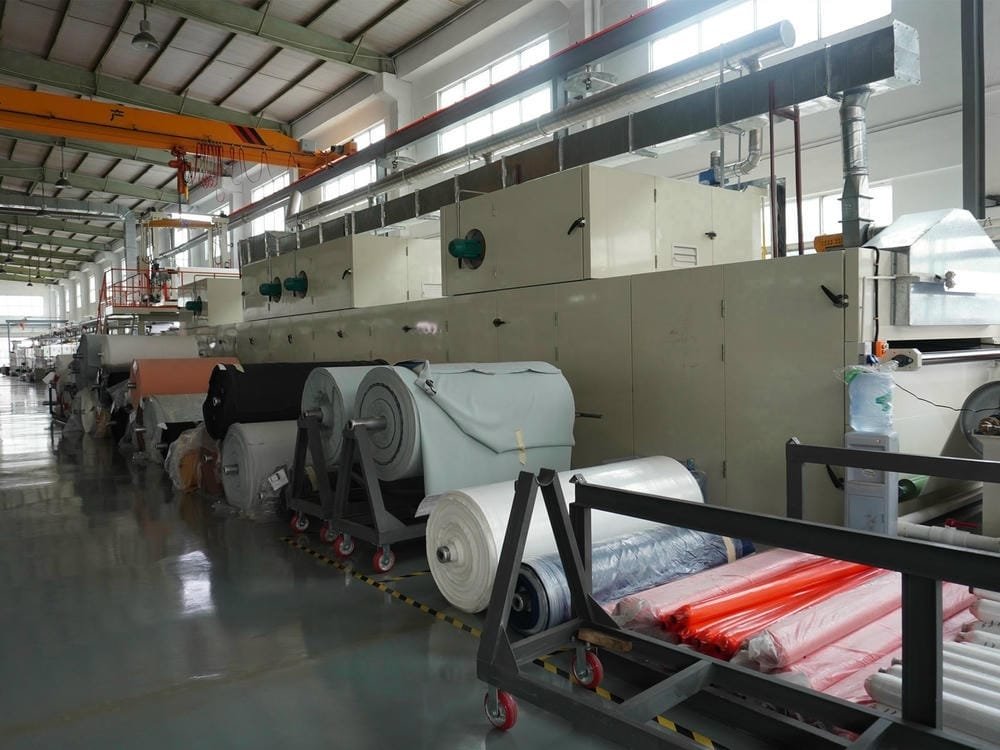
Silicone Leather in Material Terminology
One material, many market names — where silicone leather fits among faux, vegan and synthetic leather
A Fast-Growing Sustainable Material
Global silicone leather market is experiencing rapid expansion driven by sustainability trends and regulatory shifts
14.0%
Market CAGR
Sustained premium-material adoption (QYR Research)
42%
Automotive Interiors Share
Largest downstream application sector
34%
China's Global Capacity Share
World's largest production base
4.0%
Vegan Auto Leather CAGR
Premium alternatives driving sustained growth
Why Silicone Leather Stands Out
Engineered for excellence, silicone leather delivers performance that traditional materials simply cannot match.

Eco-Friendly & Non-Toxic
Made from 100% silicone with zero solvents, plasticizers, or VOCs. Free from BPA, phthalates, and heavy metals. Fully compliant with REACH and PAHs regulations.
Exceptional Durability
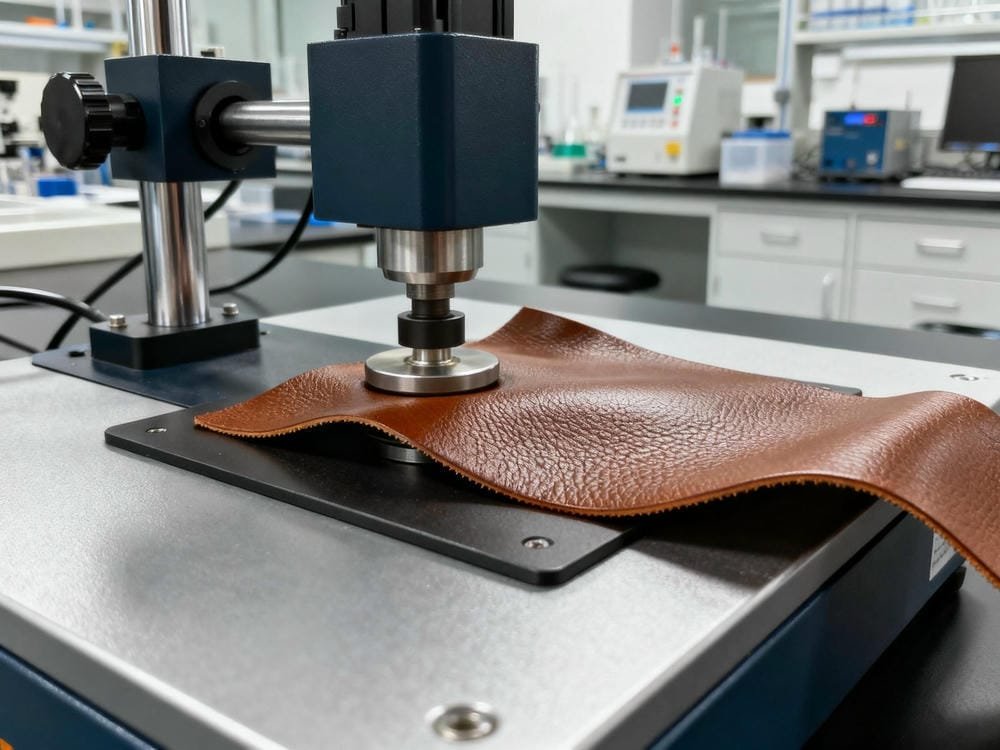
Service life: 10-15+ years. Martindale abrasion resistance: 200,000 cycles. Resistant to tearing, cracking, and peeling throughout its lifetime.

Waterproof & Antibacterial
100% waterproof with built-in antibacterial properties that inhibit bacterial growth, keeping surfaces clean and hygienic for everyday use.

UV & Weather Resistant
Outstanding UV stability prevents fading, yellowing, or degradation. Performs reliably in extreme temperatures from -40 to 250 degrees Celsius.

Easy to Clean & Maintain
No special cleaners or conditioners needed—just wipe with a damp cloth for instant refresh. Resists dirt and grime buildup, saving time and maintenance costs.

Soft & Comfortable Touch
Skin-like feel with a smooth, natural texture. Available in a wide range of colors and embossed patterns including leather grain, wood, stone, and custom designs.
Silicone Leather Manufacturing Process
Watch how TOPSUN produces silicone leather using a solvent-free coating process.
Silicone Leather vs. Traditional Materials
See how silicone leather compares to genuine leather, PVC, and PU across key performance metrics.
Understanding the Difference
While genuine leather, PVC, and PU have dominated the market for decades, each comes with significant limitations. Genuine leather requires animal farming and uses toxic tanning chemicals. PVC contains chlorine and phthalates that off-gas harmful VOCs. PU leather, though softer, degrades quickly and is difficult to recycle.
Silicone leather addresses all of these shortcomings. It is entirely synthetic and cruelty-free, manufactured without solvents, and designed for end-of-life recyclability. Its silicon-oxygen backbone provides inherent stability that carbon-based polymers simply cannot achieve.
The result is a material that outperforms traditional alternatives in virtually every measurable category while maintaining a significantly lower environmental footprint.
| Property | Silicone Leather | Genuine Leather | PU Leather | PVC Leather |
|---|---|---|---|---|
| Eco-Friendly | Excellent | Poor (tanning chemicals) | Moderate | Poor (contains chlorine) |
| Lifespan | 10-15+ years | 5-10 years | 2-5 years | 3-5 years |
| UV Resistance | Excellent | Poor (fades & cracks) | Poor | Moderate |
| Temperature Range | -40 to 250 | -10 to 60 | -20 to 60 | -15 to 70 |
| Waterproof | 100% | No (absorbs moisture) | Partial | Yes |
| Stain Resistance | Excellent | Poor | Moderate | Good |
| Antibacterial | Inherent | No | No | No |
| VOC Emissions | Non-detect | Low-Moderate | Moderate-High | High |
| Recyclable | Yes | Limited | Difficult | Very difficult |
| Maintenance | Minimal | High (conditioning required) | Moderate | Moderate |
| Color Consistency | Perfect | Variable (natural) | Good | Good |
| Abrasion Resistance | 200,000+ cycles | Variable | 10,000-30,000 | 15,000-30,000 |
Where Silicone Leather Excels
From luxury furniture to medical equipment, silicone leather transforms products across industries.
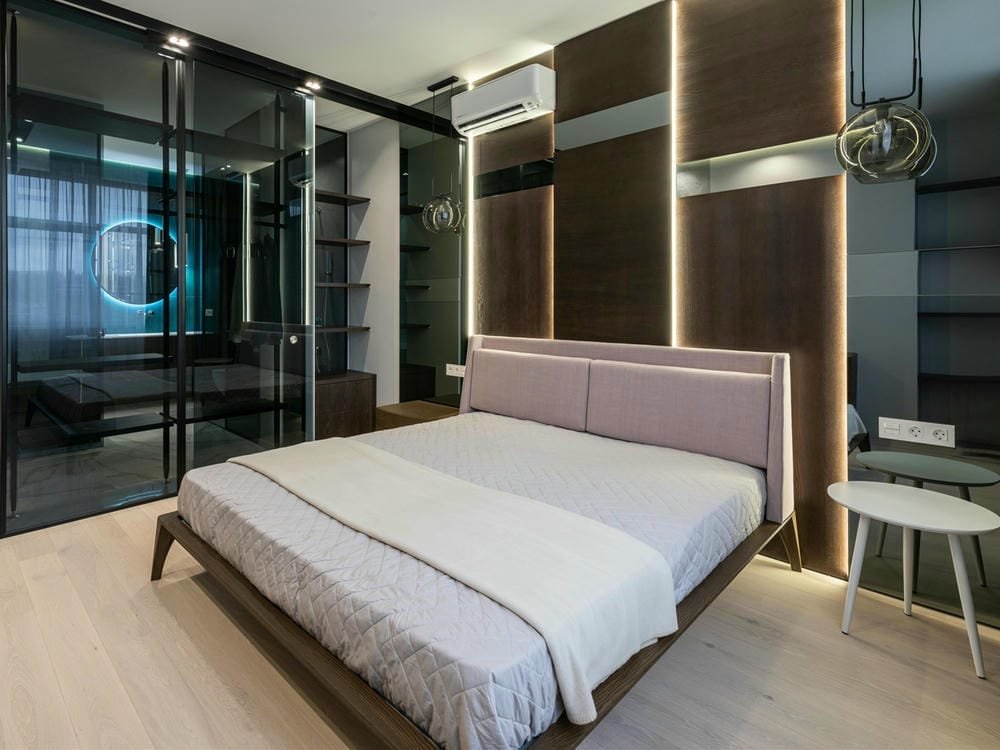
Furniture & Sofa
Upholstery-grade leather for residential and commercial furniture. Eco-friendly, customizable, and built to last. Ideal for sofas, chairs, headboards, and dining furniture.
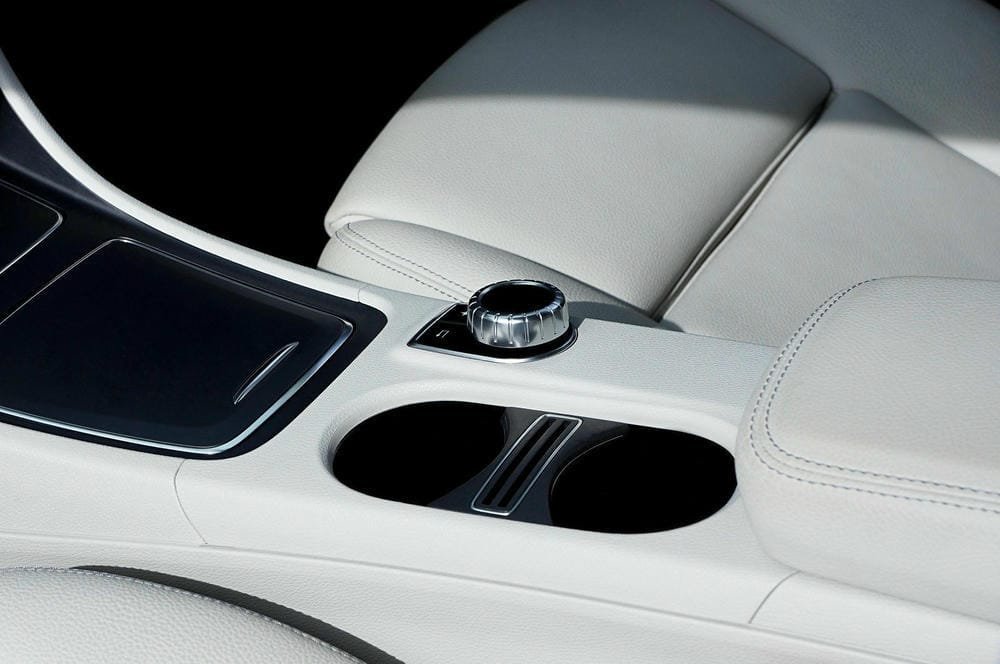
Automotive Interiors
Wear-resistant, stain-proof leather for seats, dashboards, door panels, and armrests. UV stability that prevents fading and cracking under intense sunlight.
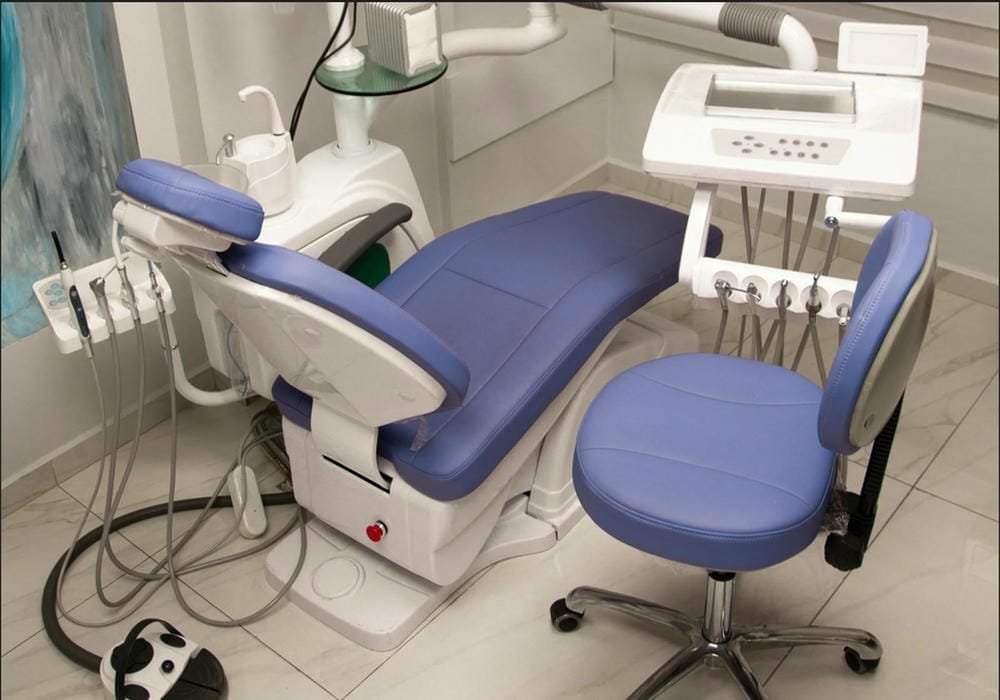
Medical & Healthcare
FDA-compliant medical-grade material for examination beds, wheelchairs, and rehabilitation equipment. Inherently antibacterial and easy to sterilize.
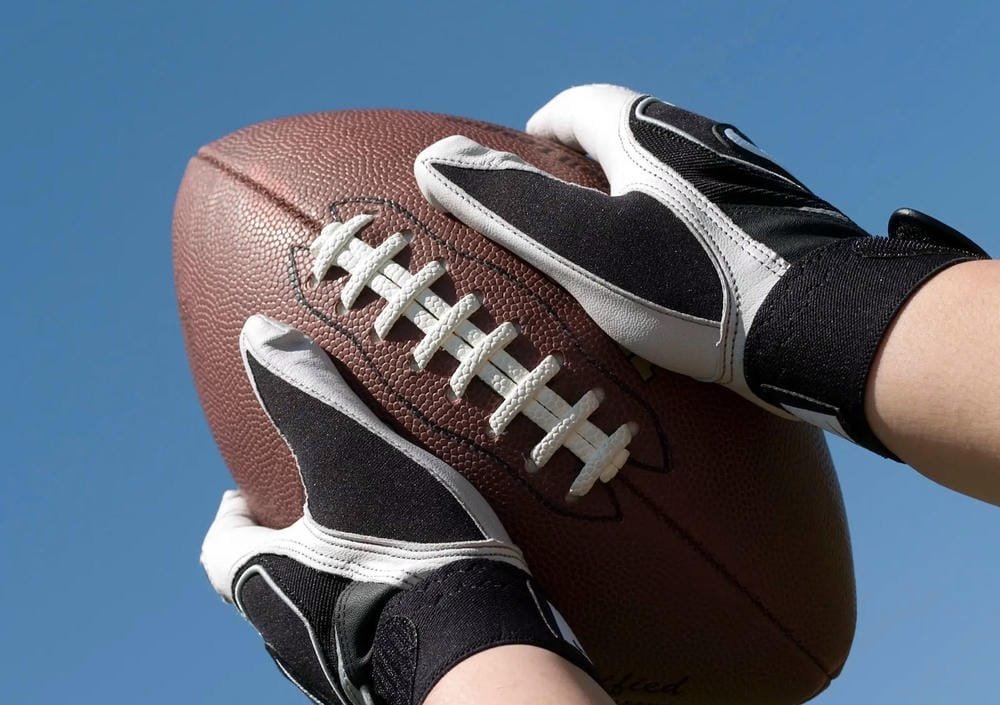
Fashion & Sports
Stylish, flexible leather for handbags, shoes, watch straps, and sports gear. Available in unlimited colors and texture options.

Consumer Electronics
Soft, anti-fingerprint leather for phone cases, tablet covers, and laptop sleeves. Ultra-thin and lightweight with excellent scratch resistance.
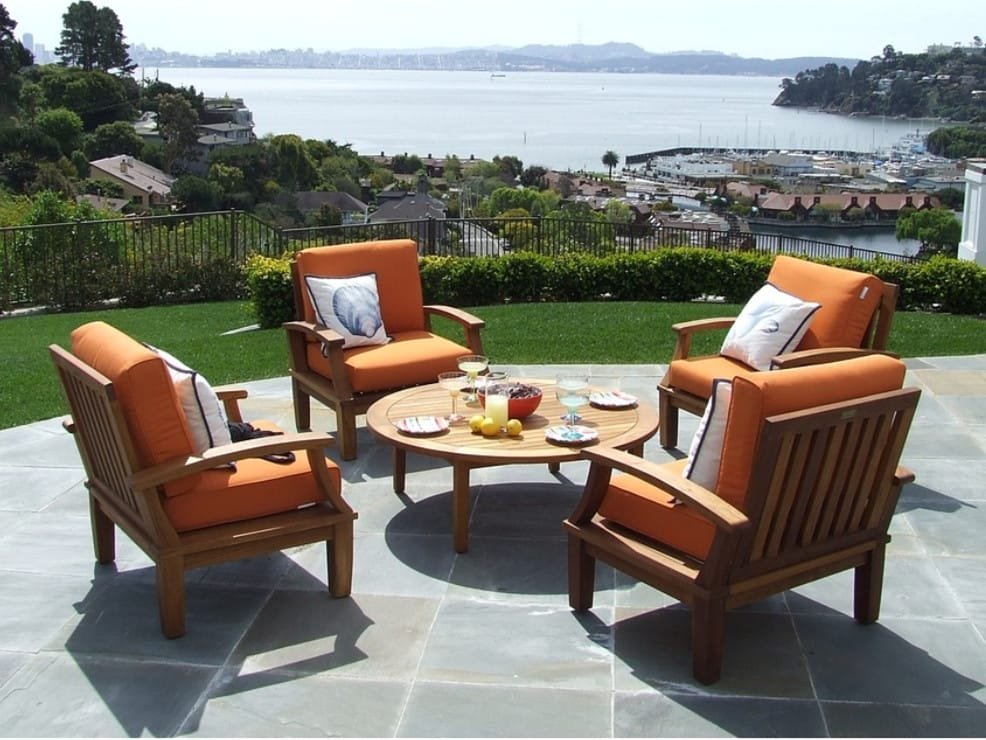
Marine & Outdoor
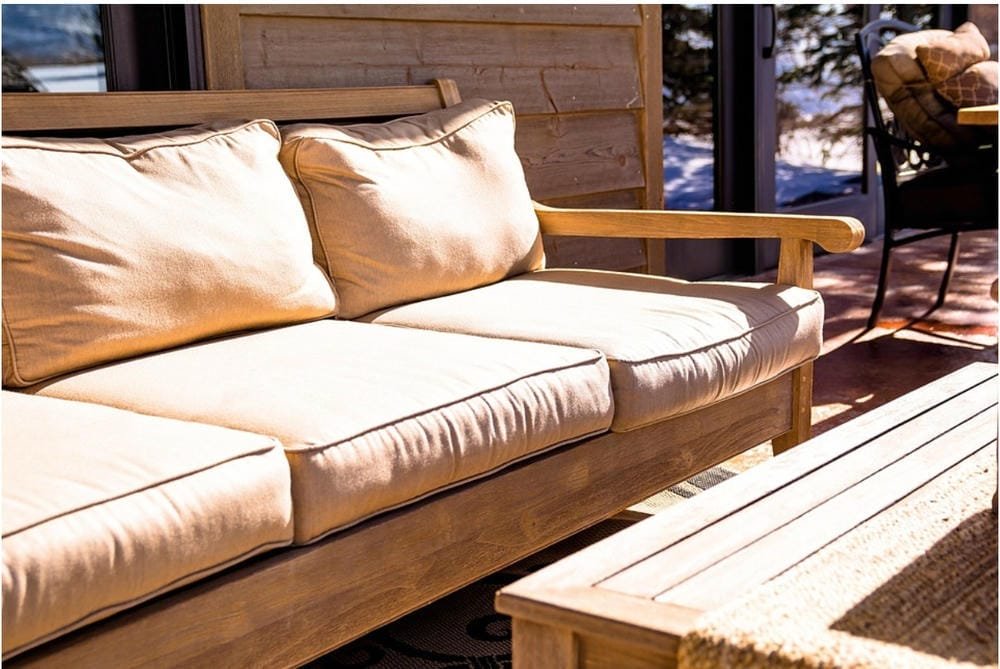
Weather and UV resistant for yacht seating, outdoor furniture, and marine equipment. Excellent hydrolysis resistance and color stability in harsh environments.
Environmental Benefits of Silicone Leather
Choosing silicone leather is choosing a more sustainable future for manufacturing and consumption.
A Greener Choice for Every Industry
The environmental advantages of silicone leather extend across its entire lifecycle. From production to disposal, every stage is designed with sustainability in mind.
Unlike PVC manufacturing, which releases dioxins and requires chlorine processing, silicone leather is produced through a clean, solvent-free coating process. This eliminates volatile organic compound (VOC) emissions entirely, protecting both workers and the surrounding environment.
The material's exceptional durability means products last significantly longer, reducing the frequency of replacement and the associated resource consumption. A silicone leather sofa can last 10-15 years, compared to just 3-5 years for PU alternatives.
Circular Economy & Recyclability
At end of life, silicone leather can be recycled and repurposed, unlike PVC which releases toxic substances when incinerated. This closed-loop approach aligns with the circular economy principles that leading brands and regulators increasingly demand. The global silicone leather market's 14% CAGR reflects this shift — brands adopting circular materials today are positioning ahead of regulatory mandates like the EU Circular Economy Action Plan.
Non-Detect VOC Emissions
Solvent-free production means no detectable volatile organic compounds (ISO 16000-6) released during manufacturing. Safer for workers, consumers, and the atmosphere.
Cruelty-Free & Vegan
No animal products are used in silicone leather production. It delivers the luxury aesthetic of genuine leather without any animal welfare concerns.
Recyclable Material
Silicone leather can be processed and recycled at end of life, supporting circular economy goals and reducing landfill waste.
Extended Product Lifespan
3x longer service life means fewer replacements, lower resource consumption, and reduced environmental impact over time.
No Harmful Additives
Free from phthalates, BPA, heavy metals, and halogen-based flame retardants. Safe for children's products, medical devices, and food-contact applications.
Low Carbon Footprint
Energy-efficient manufacturing processes and long product lifespan combine to deliver a significantly lower carbon footprint than traditional alternatives.
Frequently Asked Questions
Everything you need to know about silicone leather material.
Related Resources
Continue your journey to discover everything TOPSUN has to offer.
Application Scenarios
Discover how silicone leather performs across 7 industries: furniture, automotive, consumer electronics, fashion, baby, medical, and marine.
Customization Services
Full customization of color, texture, thickness, backing, and embossing. OEM & ODM solutions available.
About TOPSUN
Learn about our 8+ years of manufacturing excellence, R&D capabilities, and global presence.