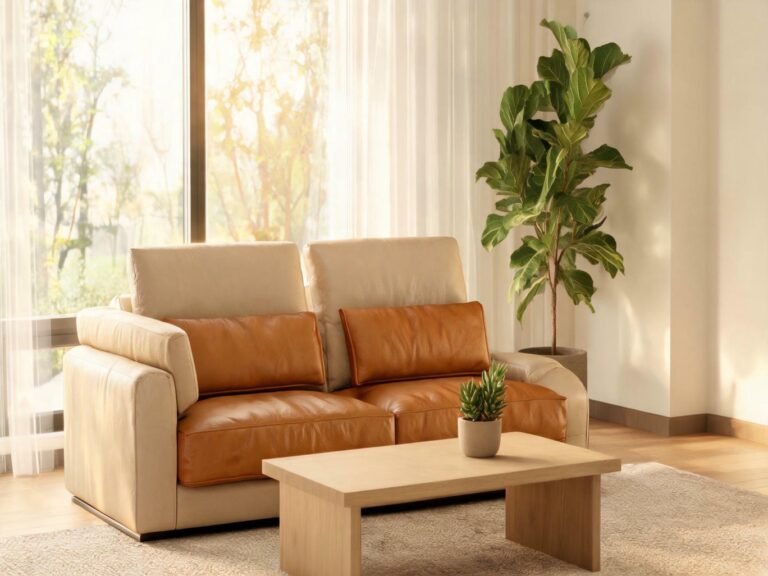
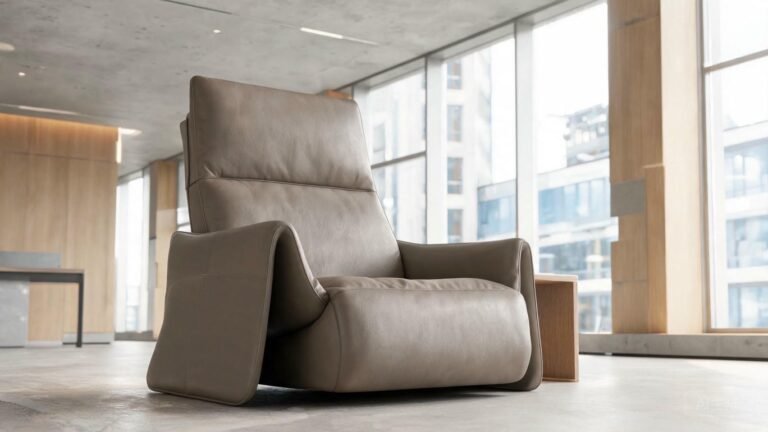
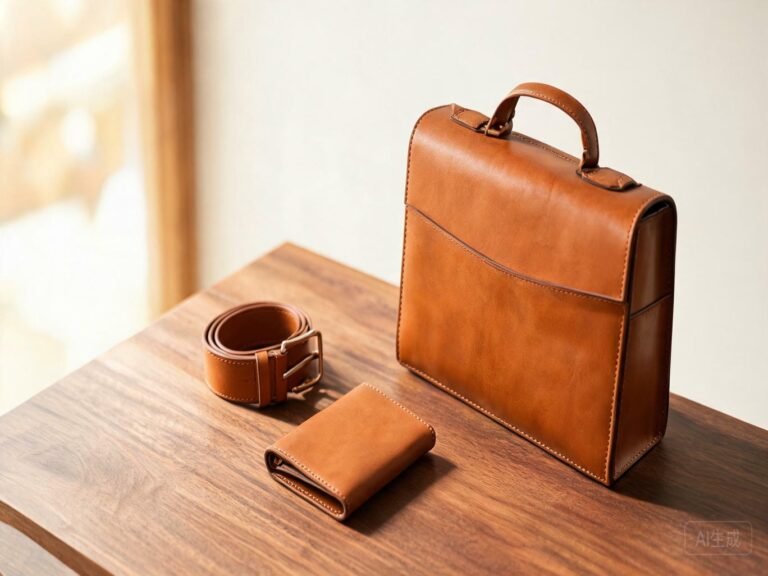
Leather fabric material is not a single category. It is a spectrum from split hide to coated non-woven, each grade carrying different implications for your BOM, QC protocol, and return rate. This article walks through the evaluation framework used by procurement managers at footwear brands, automotive suppliers, and contract furniture manufacturers. It is written for the moment when you must convert a material specification into a purchase order that will not create problems at the container gate.

The Procurement Brief: Defining Leather Fabric Material Requirements
Before requesting quotes, effective buyers lock down five parameters. Ambiguity produces quotations that cannot be compared and samples that fail qualification.
End-use environment determines whether you need hydrolysis resistance, UV stability, or flame retardancy. A fashion or sports application prioritizes color brilliance and drape. A medical chair demands disinfectant tolerance. A yacht interior needs salt spray resistance. Buyers who skip this step often over-specify, paying for performance their product will never stress.
Physical performance floor translates into measurable tests. Abrasion resistance per ISO 12947 or ASTM D4157 for furniture. Flex endurance per ASTM D2097 for goods that fold. Tensile strength per ASTM D2209 for load-bearing applications. Define minimums before sampling begins.
Chemical compliance ceiling is the gatekeeper. EU-bound goods need REACH SVHC disclosure. US children’s products need CPSIA compliance. Food-contact applications need FDA or EU 10/2011 limits. OEM customers may impose restricted substance lists stricter than government regulations.
Aesthetic tolerance covers color match window, grain consistency, and surface variation. Luxury brands demand Delta E below 1.0 across lots. Mass-market goods may tolerate Delta E up to 2.5. Define this in writing to avoid disputes when production rolls arrive.
Volume trajectory affects unit pricing, MOQ, and capacity reservation. A one-time promotional run faces different constraints than a three-year blanket order. Reliable manufacturers will allocate coating line capacity to support predictable demand.

Material Trade-Offs: What Each Substrate Delivers and Denies
No material dominates every axis. Smart procurement is the art of selecting the optimal compromise for your specific product and market. The table below summarizes the trade-offs buyers encounter when evaluating upholstery material options at the industrial scale.
| Material Type | Strength | Weakness | Best Fit |
|---|---|---|---|
| Genuine Leather | Patina, breathability, prestige | High cost, batch inconsistency, moisture sensitivity | Luxury goods, low-volume artisan production |
| PU Coated Fabric | Soft hand, print detail, low unit cost | Hydrolysis risk, chemical sensitivity, VOC emissions | Short-lifecycle fashion, promotional items |
| PVC Vinyl | Extreme durability, low cost, chemical resistance | Phthalate concerns, cold crack, plastic feel | Mass transit, outdoor signage, marine decking |
| Microfiber Suede | Softness, uniform appearance, washable | Abrasion limits, pilling, difficult to repair | Apparel lining, consumer electronics pouches |
| Silicone Leather | Chemical inertness, longevity, broad certification | Higher entry price, limited extreme softness grades | Healthcare, hospitality, automotive, baby products |
Natural materials win on tactile appeal. Petro-chemical synthetics win on unit cost. Silicone leather occupies the intersection of durability and regulatory safety. Your job is determining which axis your brand competes on. A fast-fashion handbag competes on cost. A premium stroller competes on safety. The material must match the brand promise, or returns will reflect the mismatch.
The Sampling Phase: Red Flags and Green Lights
Once you have narrowed the category, sampling separates viable suppliers from catalog merchants. We recommend a structured three-sample protocol: the A4 swatch, the production trial roll, and the aged specimen.
The A4 swatch is your first filter. Examine under D65 lighting against your master standard. Perform a fold test: crease sharply and observe whether the coating cracks within ten folds. Apply your most common cleaning chemical for 24 hours. Discoloration or tackiness means the formulation will fail in the field.
The production trial roll reveals lot-to-lot consistency. A full roll shows edge variation, gauge drift, and winding tension issues. Unroll 10 meters and check thickness at three width points. Variation above +/- 5% causes problems in automated cutting rooms.
The aged specimen is where most buyers cut corners. Ask for a sample after accelerated aging at 85°C and 85% RH for 500 hours. Compare tensile retention and color shift against the fresh sample. Material degrading 30% in simulated aging will create warranty claims in year two.
Factory Floor Observation: Last quarter, a sportswear brand visited TOPSUN to evaluate silicone leather for athletic equipment. Their materials engineer brought a proprietary antimicrobial spray and a sanding block simulating gym-floor abrasion. She tested five materials on our production floor. Three showed immediate surface dulling from the spray. One scratched within 20 strokes. Only silicone leather passed both tests. She signed the purchase order the same day.
Silicone Leather in Fashion, Sports, and Lifestyle Applications
Silicone leather is often stereotyped as an automotive or medical material. This is outdated. Modern formulations now serve automotive OEM trends alongside lifestyle brands that prioritize sustainability narratives and durability claims.
In fashion accessories, silicone leather enables “vegan luxury” without the hydrolysis risk plaguing PU-based vegan leathers. A London bag designer switched to TOPSUN after her PU line suffered a 12% return rate from surface peeling in humid markets. The silicone replacement has operated for 18 months with a 0.3% defect rate.
In sports equipment, sweat and salt resistance make silicone leather ideal for gym seating and massage table covers. Unlike fabric, it does not harbor bacteria. Unlike PU, it does not degrade from body oils, disinfectants, and UV exposure.
In pet products, scratch resistance is decisive. Cat claws shred woven textiles and mark PU permanently. Silicone leather’s surface hardness absorbs claw pressure without tearing. A Portland pet furniture brand reported 40% fewer warranty claims after switching from PU.

Explore the texture and finish variety available in TOPSUN’s silicone leather collection for fashion and lifestyle brands.
Negotiating Terms That Protect Your Production Schedule
Material selection is only half the procurement equation. Contract terms determine whether your line stays running or stops for six weeks waiting for a color match. Experienced buyers negotiate four specific protections.
Color lot approval rights. Reserve the right to approve pre-shipment samples against your sealed master standard. Define the rejection protocol, including who pays for replacement production and air freight.
Gauge tolerance band. Specify thickness with tolerance of +/- 0.05mm for precision or +/- 0.10mm for general upholstery. Require gauge mapping across full roll width. Edge thinning causes sewing machine skip stitches.
Certificate of analysis per lot. Every lot should ship with a COA showing physical tests, chemical compliance, and batch traceability. This recurring document protects you if downstream quality issues arise.
Capacity contingency clause. Can your supplier scale within 30 days if demand grows? Do they have backup capacity or safety stock? Factory production transparency matters. Suppliers refusing audits may be trading companies without direct manufacturing control.
Frequently Asked Questions
How do I handle color matching when my design team specifies a Pantone textile code?
Provide the Pantone code plus a physical reference swatch if possible. Coated materials reflect light differently than woven textiles, so a Pantone TCX match on silicone leather may require formulation adjustment. TOPSUN’s color lab provides Delta E reports with every submission, and we typically achieve first-match approval on 85% of fashion color requests.
What is the realistic MOQ for custom color silicone leather?
Standard colors are available from 500 linear meters. Custom colors require 1,000 to 3,000 meters depending on substrate width and coating thickness. For startup brands testing market response, we recommend selecting from our stocked color range or piggybacking on a scheduled production run to reduce minimums.
Can silicone leather be embossed with our brand’s proprietary grain pattern?
Yes. Custom embossing rollers can be machined to replicate your pattern. Roller fabrication takes 14 to 21 days and is a one-time tooling cost. The embossed pattern is then available for all future orders at no additional per-meter charge. Maintenance guides and care instructions can also be customized with your brand voice.
Explore Fashion & Sports Applications
About TOPSUN
TOPSUN Silicone Leather manufactures coated fabric solutions for brands and OEMs that refuse to compromise between performance and safety. Our Dongguan facility runs continuous coating lines with inline thickness gauging, automated defect detection, and climate-stabilized curing ovens. We produce over 4 million linear meters annually.
Our differentiation is documented consistency. Every batch is logged with raw material lot numbers, viscosity readings, and cure profiles. Every shipping lot carries physical test results and compliance certificates. We maintain active files with SGS, Intertek, and TUV Rheinland for independent verification.
We work with procurement teams at the specification stage. If you are evaluating leather fabric material categories, we provide sample kits, technical data sheets, and virtual factory walkthroughs without obligation. Tell us your performance floor and compliance ceiling, and we will show you the formulation that meets both.