Here is a question we hear constantly from procurement teams: “What’s the difference between synthetic leather and pu leather?” It is a fair question, but it is also a bit of a trick. PU leather IS a type of synthetic leather. The confusion is not about two separate materials — it is about a category and one of its most important members. If you are comparing pu leather and synthetic leather, you are really asking: how does PU stack up against the broader universe of synthetic options, and when should you choose it over the alternatives? Let’s sort this out properly.
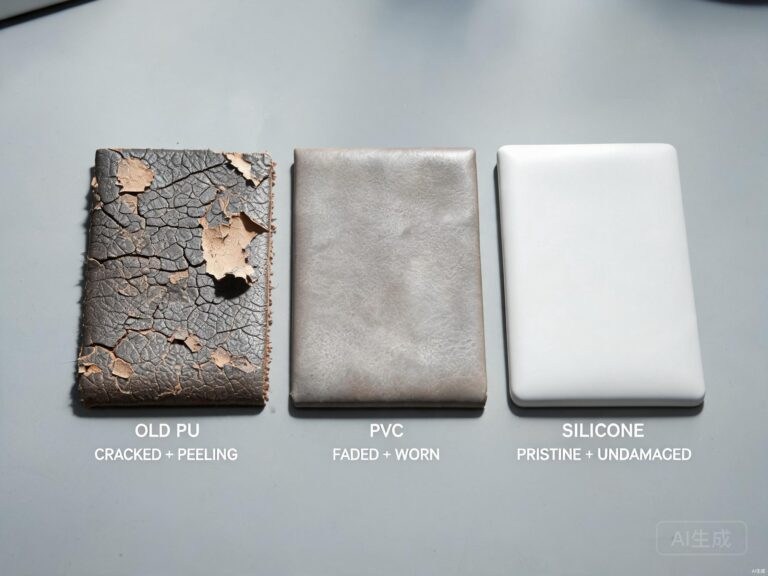
Understanding the performance differences between synthetic leather types through real-world testing
Clearing Up the Terminology Confusion
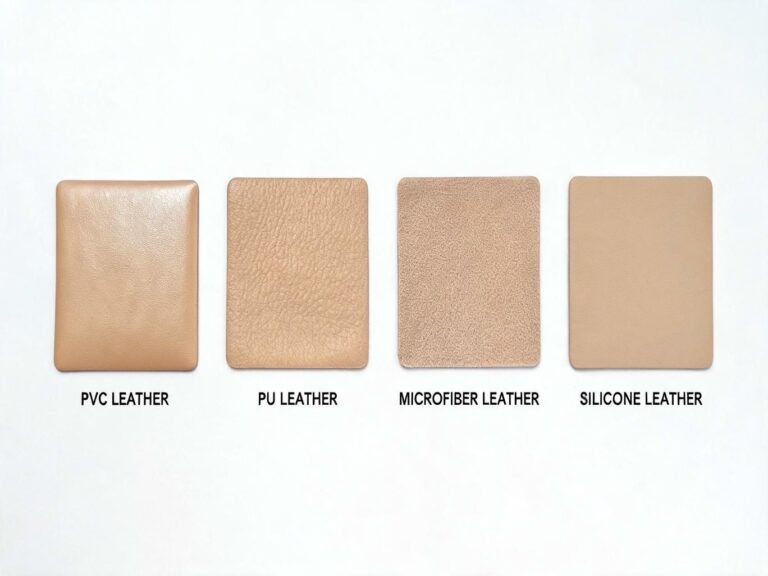
Before we go any further, let’s get the terms straight. “Synthetic leather” is the umbrella category. It covers any man-made material designed to look and feel like leather, regardless of the specific chemistry involved. This includes PU leather, PVC leather, microfiber leather, and silicone leather. The difference between synthetic leather and faux leather is essentially zero — they are synonyms. “Faux leather” is just the French-flavored marketing term for the same thing.
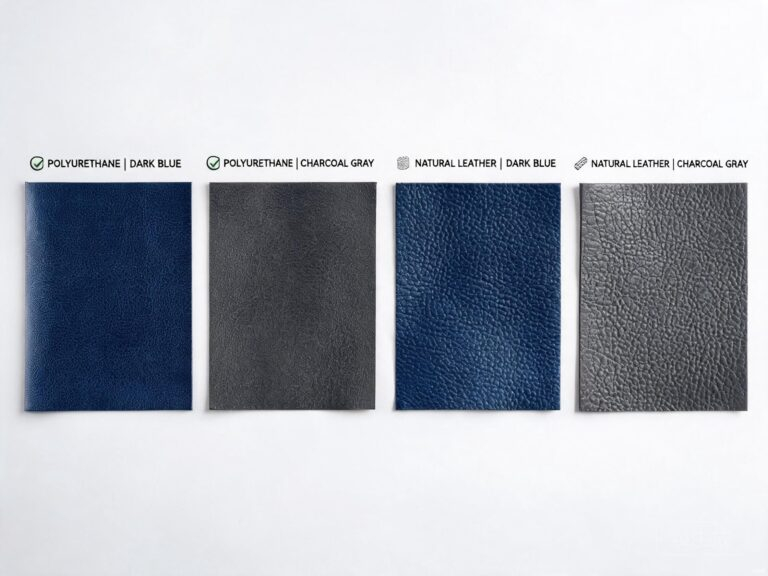
The difference between synthetic leather and leather (genuine leather) is more fundamental. Genuine leather comes from animal hides. It is a natural material with inherent variability in grain, thickness, and defects. Synthetic leather is engineered. The surface is perfectly uniform. The roll is consistent from meter to meter. For B2B buyers, this consistency is a huge advantage — no grading, no waste from natural defects, no batch-to-batch color variation surprises.
Now, within the synthetic leather category, PU leather is the dominant player. It accounts for the largest share of synthetic leather production globally. But it is not the only option. When someone asks about the synthetic leather vs pu leather comparison, what they usually mean is: “How does PU compare to the other synthetic leather types I could choose?”
Terminology shortcut: Synthetic leather = Faux leather = Artificial leather = the category. PU leather = the most common type within that category. The “vs” comparison is really about PU leather against other synthetic leather types (PVC, microfiber, silicone).
Material Structure: What’s Actually Inside Each Material
The performance of any synthetic leather and pu leather product comes down to two layers: the base fabric and the coating. PU leather uses a polyurethane coating on a fabric backing — typically polyester, cotton, or a blend. The coating is what gives PU its characteristic softness and flexibility. In higher-end PU, the coating is applied through a wet coagulation process that creates a microporous structure. This is what makes premium PU breathe and feel warm to the touch, similar to genuine leather.
PVC synthetic leather, by contrast, uses a polyvinyl chloride paste loaded with plasticizers. The coating is denser, heavier, and completely non-porous. Microfiber leather takes a different approach entirely — it uses ultra-fine nylon fibers entangled into a non-woven structure, then impregnated with polyurethane. This gives it exceptional tensile strength and tear resistance. Silicone leather, the newest category, replaces the organic polymer coating entirely with 100% silicone, eliminating plasticizers, solvents, and VOCs from the equation.
What this means for buyers: the coating chemistry determines far more than just the name. It determines the feel, the lifespan, the regulatory compliance, and the cost. When selecting between different types of synthetic leather, the base question is always: what is the coating made of?

Performance Comparison: Key Differences That Matter
When buyers ask us about synthetic leather and pu leather performance, they are usually trying to benchmark PU against the alternatives. Here is how the main synthetic leather types compare on the metrics that actually matter in production:
| Property | PU Leather | PVC Leather | Microfiber | Silicone Leather |
|---|---|---|---|---|
| Softness | Very good | Moderate | Excellent | Excellent |
| Abrasion Resistance | 50,000-100,000 cycles | 30,000-60,000 cycles | 100,000-150,000 cycles | 200,000+ cycles |
| Hydrolysis Resistance | Moderate | Low | High | Excellent |
| Temperature Range | -20°C to 120°C | -10°C to 80°C | -30°C to 130°C | -40°C to 250°C |
| Chemical Safety | Moderate (solvent-based PU) | Low (phthalates) | Good | Excellent (no VOCs, no plasticizers) |
| Typical Lifespan | 5-8 years | 2-5 years | 8-12 years | 10-15+ years |
| Relative Cost | $$ | $ | $$$ | $$$ |
PU leather sits in a sweet spot for many applications. It is significantly better than PVC on feel, durability, and environmental profile. It costs less than microfiber or silicone. For standard furniture, consumer electronics cases, and mid-range automotive trim, PU is often the right choice. But the performance ceiling is real. When the application demands 10+ years of service life, extreme temperatures, or medical-grade chemical safety, the higher-cost options — particularly silicone leather — become the value play.
Cost Considerations and Value Analysis
The upfront cost of PU leather is typically 2-3 times that of PVC, depending on the quality grade. Microfiber leather costs 2-3 times more than PU. Silicone leather sits at or slightly above microfiber pricing. But here is the thing: upfront cost is a terrible way to evaluate materials. We have seen too many buyers optimize for the per-meter price and end up paying for it in warranty claims, brand damage, and lost repeat business.
A better framework: total cost of ownership. For a furniture manufacturer, the cost of a single warranty return — shipping, inspection, repair or replacement, and customer service time — can easily exceed the material cost savings from choosing PVC over PU across an entire production run. For automotive OEMs, the stakes are even higher. A material failure in a vehicle interior is not just a warranty claim; it is a potential safety issue and a brand reputation event.
The synthetic leather market is projected to continue its steady growth trajectory through 2030, with the premium segments — water-based PU, microfiber, and silicone — growing faster than the overall market. According to QYResearch, the global silicone synthetic leather segment alone is projected to grow at a 14.0% CAGR from 2024 to 2030, reaching $536 million. Buyers are increasingly factoring in lifecycle cost, not just invoice price.

Which Material Fits Your Application?
The answer depends on three things: required lifespan, regulatory environment, and end-user expectations. Here is a practical guide based on what we have seen work across hundreds of B2B projects:
PU Leather is the right choice for: mid-range residential and commercial furniture, consumer electronics accessories, fashion handbags and accessories, footwear uppers, and general upholstery applications where the product needs to last 5-8 years. PU provides the best balance of performance and cost for most mainstream applications. It offers better feel than PVC and adequate durability for products that are not subjected to extreme conditions.
Move beyond PU to silicone leather when: your application involves automotive interiors (especially dashboards and seating surfaces exposed to direct sunlight), medical equipment requiring ISO 10993 biocompatibility, marine and outdoor applications exposed to UV and salt spray, or children’s products where chemical safety is non-negotiable. The temperature range alone (-40°C to 250°C) makes silicone leather the only practical choice for automotive interiors in hot climates.
Think of it this way: PU leather is the reliable workhorse of the synthetic leather world. It gets the job done for most applications. Silicone leather is the specialist — more expensive, but the only option when the requirements go beyond what PU can handle. The durability testing data across the industry bears this out consistently.

Watch how different synthetic leather types perform under extreme durability testing
Frequently Asked Questions
Is synthetic leather the same as PU leather?
No — PU leather is a type of synthetic leather, but synthetic leather is the broader category. Synthetic leather also includes PVC leather, microfiber leather, and silicone leather. When comparing synthetic leather and PU leather, you are comparing the category to its most popular member. The real question is usually: “How does PU compare to the other synthetic leather types available?”
What is the difference between synthetic leather and faux leather?
There is no difference. Synthetic leather and faux leather are two terms for the same thing — man-made materials designed to look and feel like genuine leather. “Faux leather” is the French-derived term (faux = false), while “synthetic leather” is the more technical English term. Both refer to the same category of materials.
Is PU leather better than genuine leather?
It depends on the application. PU leather is more consistent, more affordable, and easier to work with in mass production. Genuine leather offers a unique natural grain and ages with a patina that some consumers prefer. For B2B manufacturing, PU leather’s consistency — no variation between hides, no waste from natural defects, predictable performance — often makes it the more practical choice.
When should I choose silicone leather over PU leather?
Choose silicone leather when your application requires: a lifespan beyond 10 years, extreme temperature resistance (-40°C to 250°C), zero VOC emissions, medical-grade biocompatibility (ISO 10993), or compliance with the strictest chemical safety standards (FDA, REACH, PAHs, FAR 25.853). Silicone leather costs more than PU, but the total cost of ownership is often lower in demanding applications because the material simply does not fail in the ways PU eventually does.
Making the Right Material Decision
The synthetic leather and pu leather question is really about matching material performance to application requirements. PU leather is the default choice for most mainstream applications — and for good reason. It offers a strong balance of feel, durability, and cost. But “default” does not mean “best for everything.”
The key is to work backward from the end user’s experience. What temperature range does the product need to survive? How many years of daily use? What regulatory framework applies in the target market? Answer those questions honestly, and the material choice becomes much clearer. The worst outcome is picking a material based on per-meter price alone and discovering the limitations only after the product is in the field.
If you are currently evaluating leather material options for an upcoming product line, start with the performance requirements, not the budget. The material cost is almost never the most expensive line item in a product recall or a warranty program.
About TOPSUN
TOPSUN is a specialized silicone leather manufacturer with 8+ years of experience serving B2B clients across 30+ countries. We develop and produce high-performance synthetic leather for automotive interiors, furniture, children’s products, marine applications, and medical equipment. Our materials are engineered to outperform conventional PU and PVC across every critical performance metric.
Certifications: ISO 10993 Biocompatibility | REACH Compliant | PAHs Compliant | FDA Approved | EN 13773 | FAR 25.853 Flame Retardant
Sources: QYResearch Global Silicone Synthetic Leather Market Report (2024-2030); China Bag Leather Industry Development Report (2026); ECHA REACH Regulation Overview; Grand View Research Synthetic Leather Market Analysis.