Choosing the right pu leather for automotive interiors is one of the most critical material decisions OEMs and Tier 1 suppliers face today. With growing pressure to reduce vehicle weight, lower VOC emissions, and maintain premium aesthetics, synthetic alternatives have become the dominant choice across passenger cars, commercial fleets, and electric vehicles. This guide breaks down why automotive leather remains essential, what technical specifications matter, and where traditional solutions fall short in extreme conditions.
Download Automotive Material Spec Sheet
What Is PU Leather and Why Do Automakers Use It?
Polyurethane leather, commonly called PU leather, is a synthetic leather car material made by coating a fabric base—typically polyester or microfiber—with a polyurethane resin layer. This construction delivers a soft hand feel, consistent color matching, and design flexibility that genuine leather struggles to achieve at scale.
For automotive OEMs, the benefits extend far beyond cost savings. Car leather fabric made from PU offers:
- Lightweight construction that supports fuel efficiency and EV range targets
- Consistent grain patterns and color uniformity across production batches
- Easier fabrication for complex seat contours, door panels, and dashboard wraps
- Lower material cost per square meter compared to genuine hide
- Compatibility with modern manufacturing techniques like vacuum forming and sewing automation
These advantages make PU-based automotive leather the default specification for mass-market vehicles, ride-share fleets, and entry-luxury segments where consistency and scale matter most.
Key Performance Requirements for Car Seat Leather Material
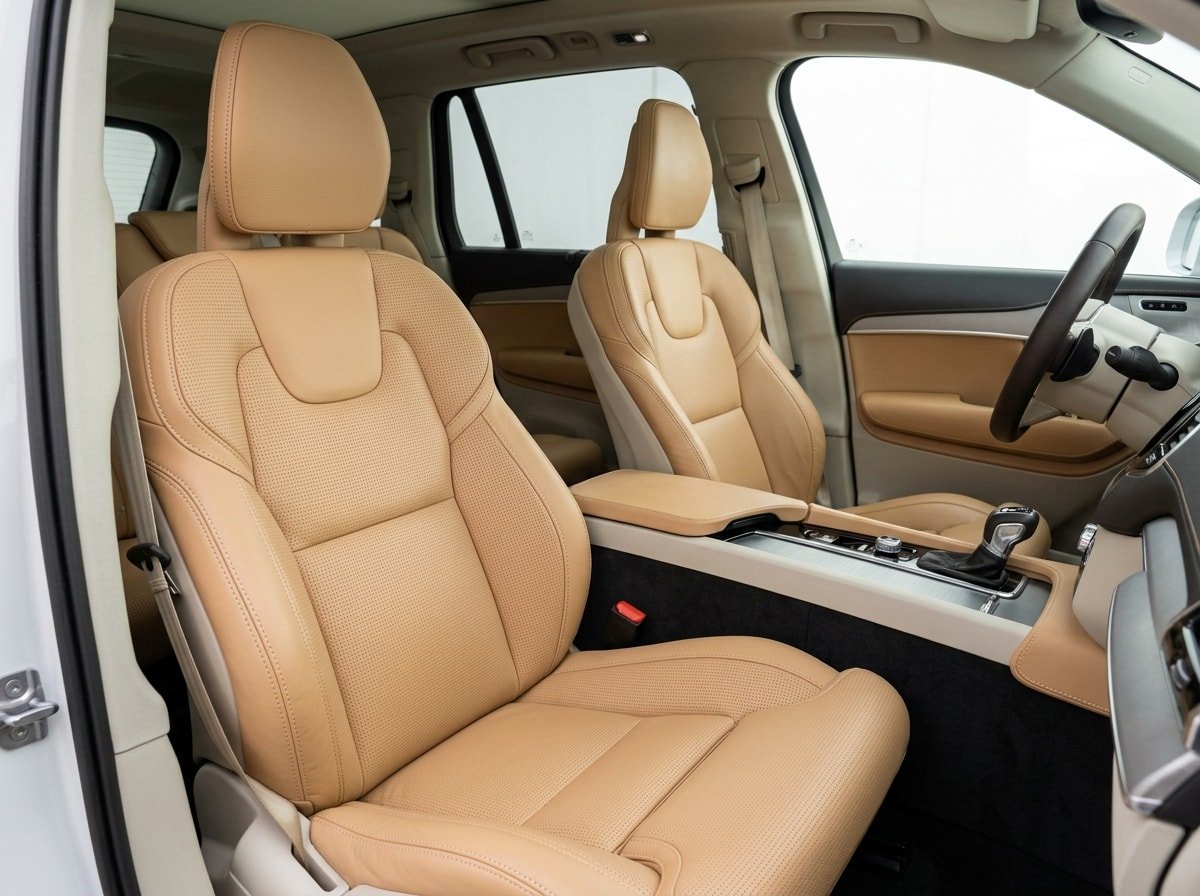
Not all car seat leather material performs equally. OEM material engineers evaluate synthetic upholstery against a rigorous set of physical, chemical, and environmental criteria before approving it for production.
Critical Performance Metrics:
- Abrasion Resistance: Must withstand 50,000+ Martindale cycles without visible wear
- Color Fastness: Minimum grade 4 against rubbing, light exposure, and perspiration per ISO 105
- Hydrolysis Resistance: Critical for humid climates; PU grades vary significantly after 4–8 weeks of accelerated aging
- Tensile Strength: Typically required above 15 MPa to survive seat assembly tension and occupant load
- Flame Retardancy: Must meet FMVSS 302 or equivalent horizontal burn rate standards
Suppliers who fail to document these metrics with third-party lab reports rarely make it past the PPAP stage. That is why sourcing teams increasingly favor partners who publish complete technical data sheets upfront.
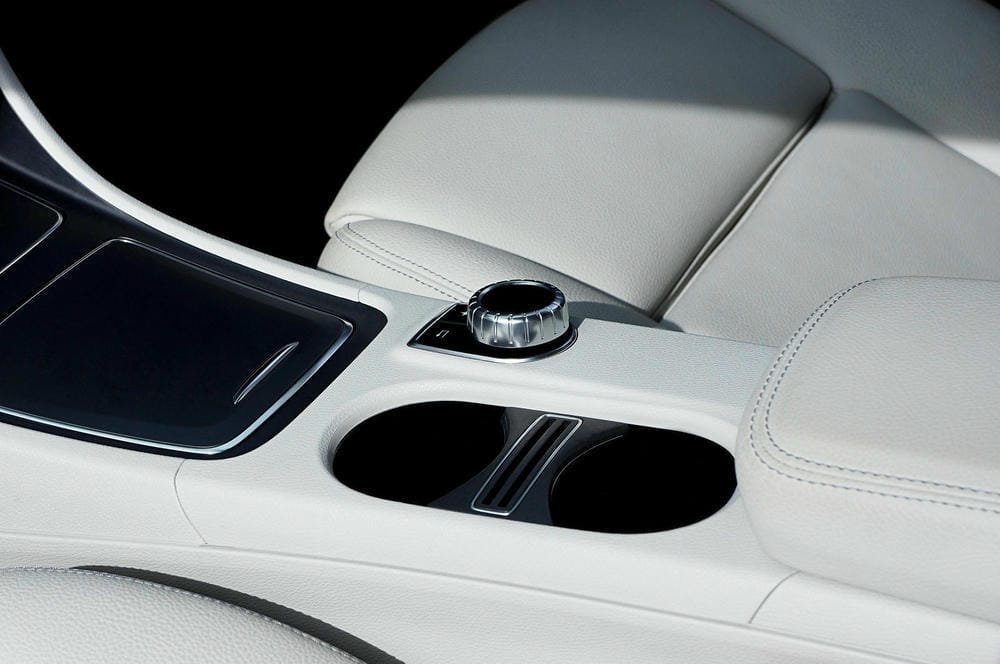
VOC Emissions and Automotive Compliance Standards
Interior air quality has become a major competitive battleground. As cabin air systems become more sealed and consumers grow more health-conscious, auto leather must pass increasingly strict VOC emission protocols.
Leading OEMs now require materials to comply with:
- VDA 278: Thermal desorption analysis for total emissions and fogging residues
- SAE J3077: Standard test method for VOC and carbonyl compound emissions from interior materials
- ISO 12219: Vehicle cabin air quality screening using static and dynamic test chambers
- GB/T 27630: Chinese national standard limiting formaldehyde, benzene, and TVOC in passenger vehicles
Traditional solvent-based PU coatings can emit residual formaldehyde, toluene, and dimethylformamide during the first months of vehicle life. Water-based PU formulations reduce this risk but often sacrifice hydrolysis resistance and surface durability. The tension between low VOC and long-term performance is one of the biggest challenges facing material engineers today.
For applications where patient or occupant health is paramount—such as medical transport vehicles—compliance gaps in conventional PU have pushed several Tier 1 suppliers to explore silicone-based alternatives.
View Flame Retardant Test Results
The Limitations of Traditional Car Faux Leather in Extreme Conditions
Despite its popularity, conventional car faux leather has well-documented weaknesses that become costly when vehicles operate outside moderate climates.
Common Failure Modes:
- Hydrolytic Degradation: In tropical or high-humidity regions, standard PU can crack and peel within 2–3 years as ester bonds break down
- Heat Aging: Dashboard and seat surfaces exposed to direct sunlight can reach 100°C+. Many PU formulations stiffen, discolor, or emit odors after sustained thermal loading
- UV Degradation: Without dedicated stabilizers, polyurethane coatings lose gloss and develop surface chalking under prolonged UV exposure
- Cold Crack: At sub-zero temperatures, flexibility drops sharply, leading to surface crazing during entry and exit contact
Warranty claims related to these failures cost manufacturers millions annually. A single seat cover recall can exceed the entire material budget for a vehicle program. That risk profile has accelerated interest in next-generation materials that retain PU-like aesthetics while eliminating its chemical vulnerabilities.
Learn more about how modern materials perform in automotive interior applications across extreme climate zones.
Upgrading to Silicone Leather: The Next Generation of Car Leather Material
Silicone leather represents the most significant material upgrade for car leather material since the shift from PVC to PU. Instead of polyurethane resin, it uses liquid silicone rubber (LSR) coatings bonded to high-performance substrates such as polyester, aramid, or recycled PET fleece.
Performance Advantages Over Conventional PU:
- Thermal Stability: Silicone maintains flexibility from -60°C to 200°C without embrittlement or softening
- Ultra-Low VOC: Solvent-free curing process eliminates residual formaldehyde, toluene, and DMF
- Hydrolysis Immunity: Silicone molecular structure is inherently resistant to moisture breakdown; no hydrolysis under standard automotive life cycles
- UV and Weather Resistance: Superior color retention and surface integrity under prolonged sun exposure
- Flame Retardancy: Easier compliance with FAR 25.853 and OEM-specific vertical burn requirements
For EV platforms where battery thermal management and cabin air quality are central to brand positioning, silicone leather offers a marketing advantage that traditional PU leather cannot match. Several premium EV brands have already switched seat and steering wheel cover specifications to silicone-coated substrates.
See the difference in real-world performance:
Explore the full technology overview in our complete silicone leather guide.
How to Source Automotive Leather from a Reliable Supplier
Selecting a pu leather for automotive supplier goes beyond comparing price per meter. OEM quality teams evaluate partners on traceability, testing infrastructure, and regional compliance expertise.
Supplier Evaluation Checklist:
- IATF 16949 certification for automotive quality management systems
- In-house climatic chambers for heat, humidity, and UV aging simulation
- Documentation support for ELV, REACH, and Prop 65 substance compliance
- Color matching capability to OEM master samples within Delta E < 1.0
- Prototype sampling lead time under 7 business days
- Capacity to scale from pilot lots to 100,000+ meters annually
Manufacturers based in regions with integrated textile and chemical supply chains—particularly the Yangtze River Delta—often deliver shorter lead times and more competitive MOQs than European or North American counterparts. However, not all suppliers invest in the same level of testing equipment. Always request a factory audit or virtual production line review before finalizing a supplier agreement.
Read our detailed guide on how to evaluate a silicone leather factory for additional sourcing frameworks.
Conclusion: Future-Proof Your Interior Material Strategy
The demand for high-performance pu leather for automotive applications will continue to grow, but the definition of “high performance” is shifting. What satisfied OEMs five years ago—basic abrasion resistance and cost efficiency—is no longer enough. Today’s programs require materials that survive hydrolysis, emit near-zero VOCs, and maintain tactile luxury through years of thermal cycling.
Silicone leather answers these requirements without the trade-offs that plague conventional polyurethane formulations. For procurement teams evaluating their next platform, the question is no longer whether to switch from genuine leather to synthetic. It is whether to upgrade from legacy PU to a material engineered for the electric, climate-stressed automotive future.
Request Automotive Grade Samples
Related Articles
- What Is Faux Leather? A Complete Material Guide
- Eco-Friendly Silicone Leather: Sustainability Benefits
- Faux Leather Durability: Testing and Performance Data
- Faux Leather vs Real Leather: Key Differences
- Marine Faux Leather Guide: UV and Salt Resistance
About TOPSUN Silicone Leather
TOPSUN is a leading manufacturer of silicone leather and advanced synthetic leather materials for automotive, furniture, marine, and medical applications. With IATF 16949-certified production lines and full in-house testing capabilities, we supply OEMs and Tier 1 partners worldwide with custom-colored, texture-matched materials backed by complete technical documentation.
Browse our quality certifications or request free material swatches for your next vehicle program.