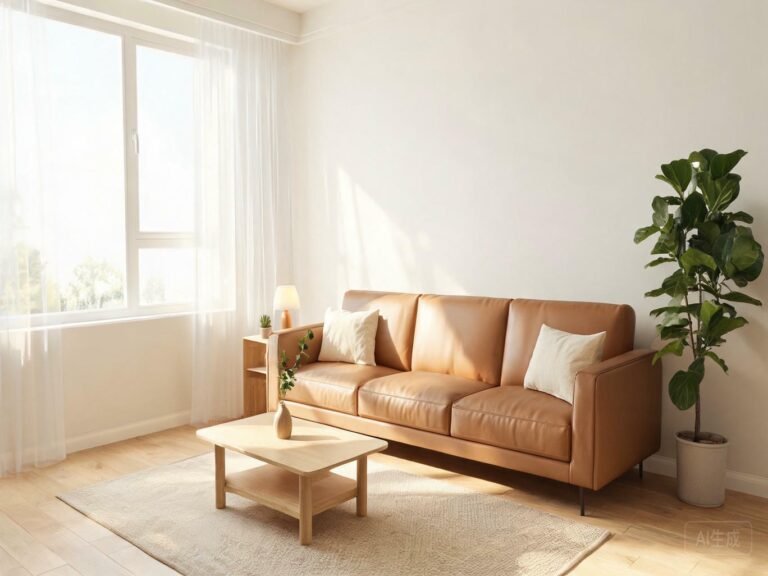
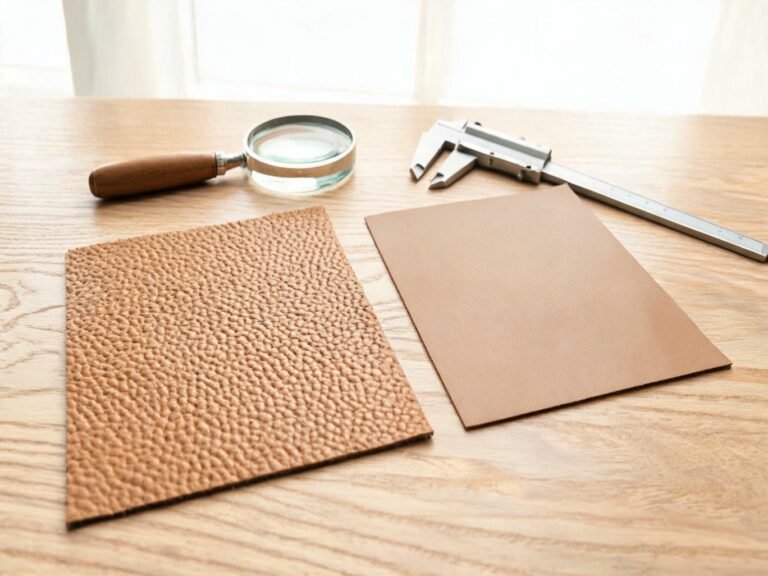
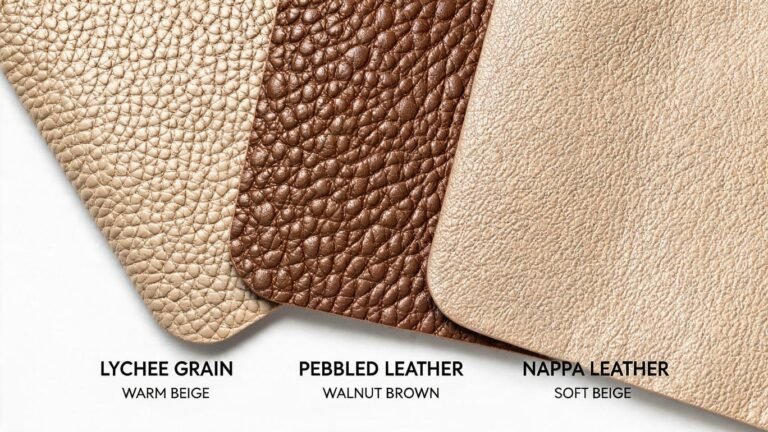
What is PU leather? PU leather, also known as polyurethane leather or bicast leather, is a synthetic material made by coating a fabric backing with a layer of polyurethane polymer. While PU leather offers an affordable alternative to genuine leather with a relatively soft feel, it has significant limitations including poor durability, hydrolysis issues, and limited lifespan. For demanding applications, silicone leather provides superior performance with 10+ year durability and enhanced safety certifications.
Explore Better Alternatives to PU Leather →

PU Leather Meaning and Definition
To fully understand the meaning of PU leather, we need to explore its origins and technical definition. The term “PU leatherette” refers to an economical synthetic material designed to mimic the appearance and texture of genuine leather.
When we define PU leather, we find it has a multi-layer construction. Manufacturers start with a fabric substrate—typically polyester, cotton, or split leather remnants—and apply a polyurethane coating to create the final surface. This process creates what the industry calls ‘coated fabric’ or ‘synthetic leather.’
The Technical Definition
From a materials science perspective, PU leather refers to any textile product where a polyurethane polymer layer is bonded to a backing substrate. The polyurethane layer provides the aesthetic qualities—color, texture, and sheen—while the backing provides structural integrity.
There are two primary types of PU leather:
- 100% PU Leather: Uses a woven or non-woven fabric backing (polyester, cotton, or rayon) with polyurethane coating. This is the most common and affordable type.
- Bicast Leather: Uses split leather (the fibrous lower layer of animal hide) as the backing, coated with polyurethane. It contains some genuine leather content but behaves like a synthetic material.
Why “PU” Stands for Polyurethane
The abbreviation ‘PU’ comes from the chemical compound polyurethane—a versatile polymer used in countless applications from foam cushions to automotive parts. In leather alternatives, polyurethane provides flexibility, color consistency, and reasonable durability at low cost.
What Is PU Leather Made Of?
Understanding what PU leather is made of requires examining both the structural components and the manufacturing process. This knowledge helps buyers evaluate quality and predict performance.
The Base Layer: Fabric Substrate
The foundation of PU leather determines much of its character. Common backing materials include:
Polyester: The most common backing material due to its low cost and excellent dimensional stability. Polyester-backed PU leather resists stretching and maintains shape well, making it popular for upholstery applications.
Cotton: Provides a softer, more natural hand feel. Cotton-backed PU leather feels more premium but costs more and may absorb moisture more readily than synthetic backings.
Microfiber: Creates ultra-soft surfaces that closely mimic genuine leather’s texture. Microfiber suede (often called ‘microsuede’) represents a premium PU leather variant.
Split Leather: In bicast leather, the lower fibrous layer of genuine leather serves as the backing. This provides some authentic leather characteristics while keeping costs lower than full-grain leather.
The Coating Layer: Polyurethane Polymer
The polyurethane coating creates the visible surface and tactile properties. Manufacturers apply this layer through several methods:
Wet Process: The traditional method involves applying liquid polyurethane to the backing, then coagulating it into a solid layer. This creates a porous structure that breathes better than PVC alternatives.
Dry Process: A more modern approach that transfers polyurethane film to the backing using heat and pressure. This method offers better control over thickness and surface texture.
The coating thickness typically ranges from 0.3 mm to 1.5 mm, with thicker coatings providing better durability but less flexibility.
PU Leather Pros and Cons
Like any material, PU leather presents both advantages and limitations. Understanding these factors helps determine whether PU leather is suitable for your specific application or if alternatives like silicone leather would be a better choice.
Advantages of PU Leather
Affordability: PU leather costs significantly less than genuine leather—typically 50–70% less. This makes it accessible for budget-conscious projects and high-volume production.
Consistent Appearance: Unlike genuine leather with natural variations, PU leather offers uniform color and texture across production batches. This consistency benefits manufacturers requiring exact color matching.
Animal-Friendly: As a fully synthetic material (except bicast variants), PU leather contains no animal products. This appeals to vegan consumers and ethical manufacturing initiatives.
Design Flexibility: Manufacturers can create virtually any color, pattern, or surface finish. Metallic effects, exotic textures, and custom embossing are all readily achievable.
Lighter Weight: PU leather weighs less than genuine leather, reducing shipping costs and making it suitable for applications where weight matters.
Disadvantages of PU Leather
Poor Durability: This is the most significant limitation of PU leather. PU leather typically lasts 2–5 years under normal use. High-traffic applications like sofas and car seats show wear much sooner.
Hydrolysis Issues: PU leather breaks down when exposed to moisture and humidity over time. In tropical climates or humid environments, the material can crack, peel, or become sticky within months.
Limited Heat Resistance: PU leather degrades at temperatures above 60 °C (140 °F). Hot car interiors, direct sunlight exposure, or heat sources can accelerate deterioration.
UV Sensitivity: Prolonged sun exposure causes fading and surface breakdown. Outdoor applications or placement in sunny locations significantly reduces PU leather’s lifespan.
Environmental Concerns: While better than PVC, PU leather still relies on petroleum-based polymers. The material is difficult to recycle and contributes to microplastic pollution as it degrades.
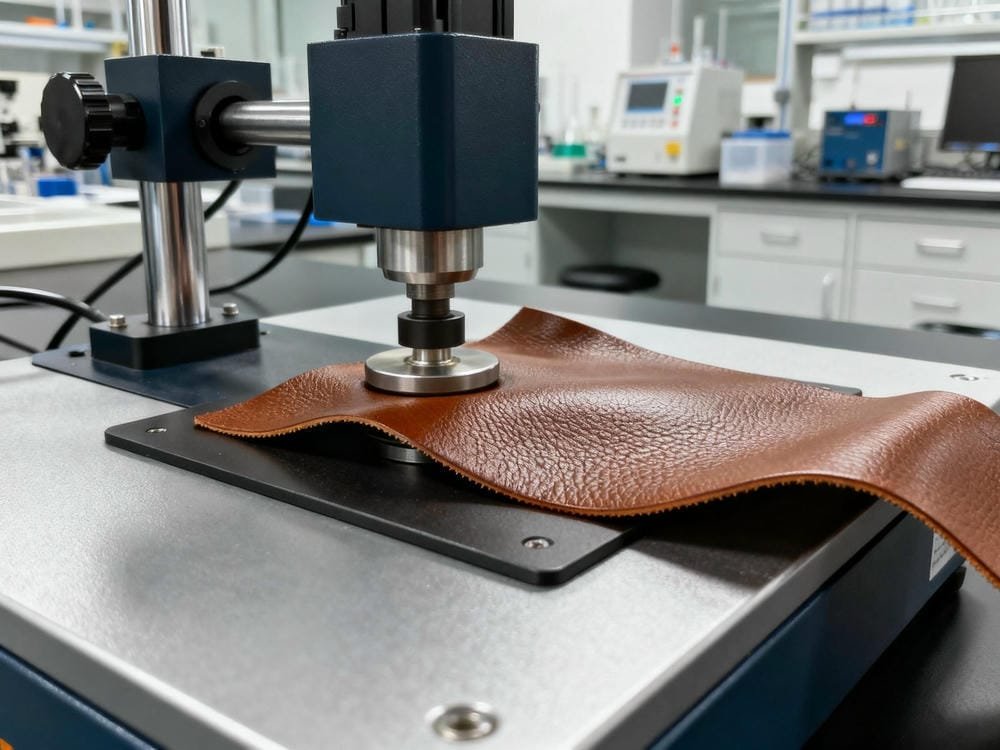
Industry Standard: Durability testing for upholstery materials follows ISO 12947 (Martindale abrasion test method), the international standard for measuring textile abrasion resistance. Quality PU leather typically achieves 10,000–30,000 cycles, while premium alternatives exceed 100,000 cycles.
PU Leather vs Real Leather
Comparing PU leather to real leather reveals fundamental differences in origin, performance, and value. This comparison helps clarify whether the cost savings of PU justify its limitations.
Origin and Composition
Real leather comes from animal hides—primarily cattle, but also sheep, goats, and exotic animals. The material consists of natural collagen fibers arranged in a complex three-dimensional structure. This organic origin gives genuine leather unique characteristics that synthetic materials struggle to replicate.
PU leather, as we’ve established, consists of a fabric backing with polyurethane coating. It contains no organic leather fibers (except in bicast variants). The material is entirely manufactured.
Durability Comparison
Genuine leather can last decades with proper care. High-quality leather furniture often becomes family heirlooms, improving in character as it develops patina over time.
PU leather offers no such longevity. Even with careful use, expect 2–5 years of service before visible deterioration. The material cannot be repaired or conditioned—once damaged, replacement is the only option.
Maintenance Requirements
Real leather demands regular maintenance. Conditioning every 6–12 months prevents drying and cracking. Spills require immediate attention to prevent staining. This maintenance investment pays off in extended lifespan.
PU leather requires less maintenance day-to-day but cannot be conditioned or restored. When the surface coating fails, the material is finished. Cleaning is straightforward—soap and water usually suffice—but cannot reverse wear damage.
Cost Analysis
Initial purchase price heavily favors PU leather. A PU leather sofa might cost $800 compared to $2,500 for genuine leather. However, factor in replacement costs:
- PU leather sofa: $800 × 3 replacements over 15 years = $2,400
- Genuine leather sofa: $2,500 one-time investment = $2,500
The total cost of ownership narrows considerably over time. Premium alternatives like silicone leather, with 10+ year lifespans, often prove more economical than repeatedly replacing PU leather products.
Compare All Synthetic Leather Options →
PU Leather vs Silicone Leather
For buyers seeking synthetic leather with genuine leather durability, silicone leather represents the superior alternative to PU. This comparison highlights why many manufacturers are switching to silicone for demanding applications.
Durability and Lifespan
PU leather typically achieves 10,000–30,000 Martindale abrasion cycles. In practical terms, this translates to 2–5 years of residential use before showing significant wear.
Silicone leather withstands 100,000–200,000+ abrasion cycles. Real-world performance delivers 10–15+ year lifespans even in commercial high-traffic environments. This durability approaches or exceeds that of genuine leather.
Environmental Resistance
PU leather fails when exposed to moisture, heat, or UV radiation. Hydrolysis causes the polyurethane coating to break down, leading to peeling and cracking. Temperatures above 60 °C accelerate degradation.
Silicone leather resists hydrolysis entirely. The material performs reliably from -40 °C to +200 °C without degradation. UV exposure causes no fading or surface breakdown, making silicone leather ideal for outdoor and automotive applications.
Safety and Environmental Profile
PU leather contains isocyanates and other chemicals used in polyurethane production. While generally safe for consumer use, the material off-gasses VOCs initially and cannot achieve food-grade or medical-grade certifications.
Silicone leather uses no solvents, plasticizers, or harmful additives. The material carries FDA food-contact approval, ISO 10993-5 biocompatibility certification, and meets REACH/RoHS environmental standards. This safety profile enables applications where PU leather cannot compete—baby products, medical devices, and food-contact surfaces.
Regulatory Compliance: Food-contact materials must meet FDA 21 CFR Part 177.2600 requirements for rubber articles intended for repeated use. Silicone leather meets these stringent standards, while PU leather cannot achieve food-grade certification due to chemical composition limitations.
Total Cost of Ownership
While PU leather costs less upfront, frequent replacement erodes savings. Silicone leather’s extended lifespan delivers superior value over time:
- PU leather upholstery: Replace every 3–5 years
- Silicone leather upholstery: Lasts 10–15+ years
- Break-even point: Typically 6–8 years
- Long-term savings: 30–50% over 15 years
For commercial applications—restaurants, hotels, healthcare facilities—the durability advantage becomes even more pronounced. Reduced replacement frequency means lower labor costs, less disruption, and better customer experience.
Common Applications of PU Leather
Despite its limitations, PU leather serves numerous applications where cost constraints outweigh durability requirements. Understanding its typical uses helps determine whether PU leather is suitable for your project.
Fashion and Accessories
Handbags, wallets, and fashion items frequently use PU leather. These applications experience moderate wear and allow manufacturers to offer trendy designs at accessible price points. However, daily-use items like wallets often show wear within 1–2 years.
Furniture Upholstery
Budget furniture relies heavily on PU leather. Furniture applications with light residential use can achieve acceptable lifespans. However, high-traffic commercial furniture or family homes with children and pets quickly overwhelm PU leather’s durability.
Automotive Interiors
Economy vehicles often feature PU leather seating. The material’s lower cost helps manufacturers meet price targets. However, automotive applications expose materials to extreme temperatures, UV exposure, and heavy use—conditions that accelerate PU leather failure.
Footwear
Fashion shoes and boots use PU leather for style flexibility and cost control. The material accepts vibrant colors and exotic textures that genuine leather cannot easily achieve. However, comfort and breathability lag behind leather alternatives.
Electronics Cases and Accessories
Phone cases, tablet covers, and laptop sleeves frequently use PU leather. These applications involve minimal flexing and wear, allowing PU leather to perform adequately. The material’s light weight benefits portable electronics.
When to Choose Alternatives
For applications requiring any of the following, avoid PU leather in favor of silicone leather or genuine leather:
- Daily heavy use (commercial furniture, public seating)
- Outdoor or UV exposure (patio furniture, marine applications)
- High-temperature environments (automotive interiors, industrial)
- Humid or wet conditions (bathrooms, tropical climates)
- Long-term value priority (investment furniture, heirloom pieces)
- Safety-critical applications (medical, baby products, food contact)
Frequently Asked Questions About PU Leather
Is PU leather waterproof?
PU leather is water-resistant but not fully waterproof. It can repel small spills, but prolonged exposure to water will cause the material to break down over time due to hydrolysis. Silicone leather, by contrast, is fully waterproof and resistant to hydrolysis.
Can PU leather be repaired?
No, PU leather cannot be effectively repaired or restored once the surface coating cracks, peels, or fades. Unlike genuine leather, which can be conditioned and repaired, damaged PU leather must be replaced entirely.
Is PU leather vegan?
100% PU leather is vegan as it contains no animal products. However, bicast leather (a type of PU leather) uses split leather as a backing, so it is not vegan. Always check the product specifications to confirm if a PU leather item is vegan.
How long does PU leather last?
PU leather typically lasts 2–5 years under normal residential use. In high-traffic commercial environments or harsh conditions (extreme heat, humidity, UV exposure), it may fail within 1–2 years. Silicone leather lasts 10–15+ years in the same conditions.
Is PU leather toxic?
PU leather contains chemicals used in polyurethane production, including isocyanates, and may off-gas volatile organic compounds (VOCs) initially. While generally safe for consumer use, it cannot achieve food-grade or medical-grade certifications. Silicone leather is non-toxic and meets FDA food-contact standards.
Conclusion: Making the Informed Choice
Understanding what PU leather is helps you make material decisions aligned with your project’s requirements and value expectations. PU leather serves budget-conscious applications where 2–5-year lifespans are acceptable and replacement costs are manageable.
However, the meaning of PU leather for demanding applications should prompt consideration of alternatives. Silicone leather delivers genuine leather durability at synthetic leather pricing, with added benefits of superior safety certifications and environmental responsibility.
For furniture, automotive, medical, and commercial applications where longevity matters, silicone leather’s 10–15+ year lifespan and comprehensive performance advantages justify the modest premium over PU leather. The total cost of ownership calculation heavily favors materials that don’t require frequent replacement.
Ready to explore superior alternatives? Contact TOPSUN for silicone leather samples, technical specifications, and expert guidance on selecting the right material for your application.
Request Free Silicone Leather Samples →
Related Articles
About TOPSUN: TOPSUN is a leading silicone leather manufacturer with 60,000+ square meters of production capacity, 233 patents, and certifications including ISO 9001, FDA, REACH, and IATF 16949. We provide premium synthetic leather solutions that outperform traditional PU leather across furniture, automotive, medical, and fashion industries.