Finding the right leather supplier in 2026 is more complex than it was a decade ago. Between shifting trade dynamics, tightening environmental regulations, and the rapid emergence of advanced synthetic alternatives, procurement teams face a landscape that demands both strategic thinking and technical depth. This guide is designed for international B2B buyers, sourcing managers, and procurement decision-makers who need to cut through the noise.
Let’s be honest: the old model of simply finding the lowest price per meter doesn’t work anymore. Quality consistency, regulatory compliance, supply chain resilience, and sustainability credentials now carry equal—if not more—weight in supplier evaluation. Here’s what you need to know to make informed sourcing decisions in today’s market.
The Shifting Landscape of Global Leather Supply in 2026
The leather industry is navigating a period of significant flux. According to OECD projections, global economic growth is expected to moderate to 2.8% in 2026, creating headwinds for traditional manufacturing sectors. [3] Meanwhile, supply chain resilience has become a boardroom-level priority, with procurement teams increasingly favouring suppliers who can demonstrate geographic diversification and raw material security.
Here’s the thing: this uncertainty is actually creating opportunities for buyers who are willing to look beyond legacy supplier relationships. The rise of advanced synthetic leather—particularly silicone-based materials—is reshaping the competitive dynamics, and the best leather supply companies are those investing in both traditional craftsmanship and next-generation material science.
Key insight: The most resilient leather supply chains in 2026 are those that combine traditional sourcing expertise with advanced synthetic material capabilities. Buyers who maintain a diverse supplier base across both categories are best positioned to weather market disruptions.
Key Sourcing Regions and Their Specialties
When evaluating leather suppliers globally, it helps to understand regional strengths. Each major sourcing region has carved out distinct specialties based on raw material availability, manufacturing infrastructure, and regulatory environment.
| Region | Primary Strengths | Best For |
|---|---|---|
| China (Guangdong, Hubei) | Advanced synthetic leather, silicone leather, PU/PVC, full vertical integration | Automotive, furniture, medical-grade synthetics |
| Italy | Premium genuine leather, artisanal finishing, luxury brand heritage | High-end fashion, luxury automotive interiors |
| India | Large-scale genuine leather processing, competitive pricing | Footwear, mass-market furniture, accessories |
| Southeast Asia | Growing synthetic leather capacity, trade agreement advantages | Cost-sensitive PU/PVC, emerging silicone leather |
| Europe (Germany, UK) | Technical textiles, high-performance synthetics, strict regulatory compliance | Medical, automotive, certified specialty applications |
In our experience, many international buyers are increasingly consolidating their sourcing toward China for advanced synthetic materials while maintaining European suppliers for certified specialty applications. The key is to develop a supplier evaluation framework that accounts for both technical capability and supply chain resilience.

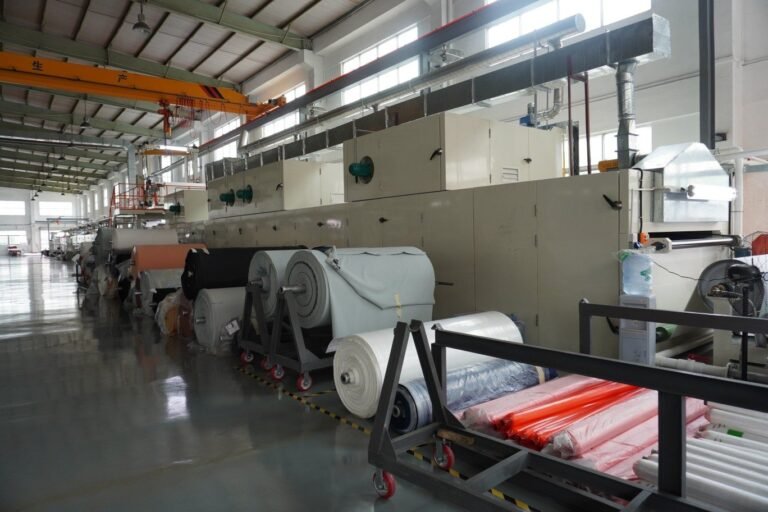
Modern leather production facilities combine automation with expert quality control
Traditional vs. Synthetic Leather Suppliers: What B2B Buyers Need to Know
The line between traditional leather vendors and synthetic leather suppliers is blurring. Many of the most forward-thinking leather supply companies now offer both categories, helping buyers make application-specific decisions rather than blanket material choices.
For automotive interiors, furniture, medical, and children’s products—applications where performance consistency, regulatory compliance, and durability are paramount—silicone leather is increasingly becoming the default choice. Traditional genuine leather retains its place in luxury fashion, premium accessories, and heritage applications where natural grain and patina are valued features.
The smartest approach for procurement teams is to work with a leather supplier that can provide objective guidance across both categories. A supplier that only sells one type of material has an inherent bias. One that manufactures both—or at minimum, has deep expertise in both—can help you make the right call based on your specific application requirements.
How to Vet a Leather Supplier: 5 Critical Criteria
We’ve evaluated hundreds of leather suppliers over the years, both as partners and as benchmarks. Here are the five criteria that consistently separate reliable partners from the rest:
1. Third-Party Certifications
Don’t just take a supplier’s word for it. Look for current, verifiable certifications from recognized bodies like SGS, Intertek, or TUV. For synthetic leather specifically, REACH, ISO 10993, and PAHs certifications are essential. For medical-grade applications, FDA compliance is non-negotiable. Ask for the actual certificate numbers and verify them.
2. Production Capacity and Scalability
A leather vendor that can handle your initial order may not be able to scale with your growth. Ask about annual production capacity, number of production lines, and minimum order quantities (MOQs). A supplier with 6 million meters of annual capacity across multiple production bases offers significantly more supply security than a single-line operation.
3. R&D and Customization Capability
The best leather suppliers are not just manufacturers—they’re innovation partners. Look for in-house R&D teams, color matching capability, custom texture development, and the ability to develop application-specific formulations. If your supplier can’t help you solve a technical challenge, they’re just a commodity provider.
4. Quality Consistency and Batch Control
Color consistency, thickness uniformity, and performance property variance between batches are the silent killers of procurement programs. Ask about quality control processes, AQL standards, and whether they maintain batch-level traceability throughout their supply chain.
5. Geographic and Trade Resilience
In 2026, a leather exporter with production bases in multiple regions within China is more resilient than one concentrated in a single location. Also consider: does the supplier have experience with your target market’s import regulations? Can they provide the documentation you need for customs clearance?

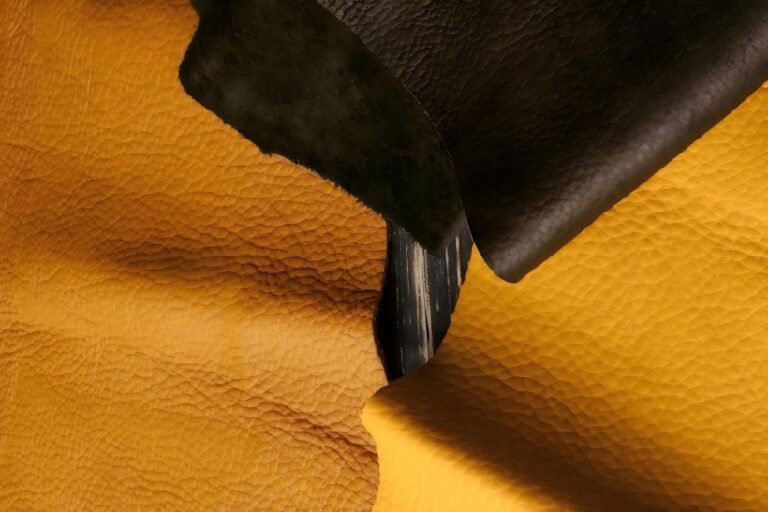
Texture and color consistency are hallmarks of a quality-focused leather supplier
Emerging Trends Changing Leather Procurement
Several trends are reshaping how international buyers approach leather sourcing in 2026:
- ESG-driven procurement: Large brands are increasingly requiring suppliers to disclose carbon footprint, water usage, and chemical management practices. Leather distributors that can’t provide this data are being removed from approved supplier lists.
- The silicone leather revolution: With 15.4% CAGR growth, silicone leather is the fastest-growing category. It combines the performance of synthetics with the sustainability credentials that modern supply chains demand. [1]
- Nearshoring and regional diversification: Global supply chain disruptions have prompted buyers to maintain at least two qualified suppliers in different regions for critical materials.
- Digital sampling and virtual showrooms: Leading leather suppliers are investing in digital color libraries, virtual texture previews, and online sample ordering systems that dramatically reduce the sourcing cycle time.
Why Silicone Leather Is Redefining the Supplier Landscape
If there’s one category that’s fundamentally changing what it means to be a leather supplier in 2026, it’s silicone leather. This material sits at the intersection of performance, sustainability, and regulatory compliance—the three pillars that modern procurement teams prioritize.
For buyers, the implications are significant. Silicone leather suppliers like TOPSUN offer a material that is:
- Zero-VOC and formaldehyde-free, meeting the strictest indoor air quality standards
- FDA-certified for food contact, enabling applications in baby products and medical settings
- Inherently antimicrobial and easy to disinfect, critical for healthcare and high-traffic environments
- 100% waterproof and stain-resistant, reducing maintenance costs and extending product life
The economics are compelling too. With a 10-15 year service life and virtually zero maintenance requirements, the total cost of ownership for silicone leather products is significantly lower than for traditional leather or PU alternatives.
Behind the scenes at TOPSUN’s automated production line
Building Your 2026 Sourcing Strategy
The global leather supply chain is more dynamic than ever. Whether you’re sourcing for automotive interiors, furniture manufacturing, medical equipment, or consumer products, the right leather supplier isn’t just the one with the lowest price—it’s the one that can deliver consistent quality, regulatory compliance, and supply chain resilience over the long term.
Start by defining your technical requirements clearly. Then evaluate suppliers against the five criteria we’ve outlined: certifications, capacity, R&D capability, quality consistency, and geographic resilience. Stay informed about market pricing trends and don’t lock yourself into a single-source relationship when dual sourcing is feasible.
The suppliers that will thrive in this environment are those combining traditional manufacturing excellence with innovation in advanced materials. If you’re evaluating your options, we’d encourage you to include silicone leather in your material specification—it might just be the solution that solves multiple procurement challenges at once.
Talk to Our Sourcing Specialists
About TOPSUN
TOPSUN is a leading silicone leather manufacturer and exporter serving B2B buyers across 30+ countries. With three production bases in China, 6 million meters of annual capacity, and 233 patents, we provide custom silicone leather solutions for automotive, furniture, medical, baby products, and outdoor applications.
Certifications: ISO 10993, REACH, PAHs, FDA, EN 13773, FAR 25.853
Sources:
- QYResearch, 2026-2032 Global and China Silicone Synthetic Leather for Automotive Interiors Market Report
- QYResearch, 2026 Organic Silicone Synthetic Leather Industry Trend Analysis
- OECD, June 2026 Economic Outlook, Global GDP Growth Projections