When you are sourcing materials for furniture, automotive interiors, or consumer goods, one question always comes up: what is the actual difference between leather and faux leather? As a procurement professional, you need more than marketing claims. You need hard data on durability, cost, compliance, and how each material performs in real-world conditions.
Over the past 12 years at TOPSUN, we have supplied OEM buyers and brand owners across automotive, furniture, and medical sectors. The truth? Neither material is universally “better.” The right choice depends on your application, budget, and regulatory requirements. This guide breaks down the leather and faux leather difference from a B2B sourcing perspective — no fluff, just actionable insights you can use in your next RFQ.

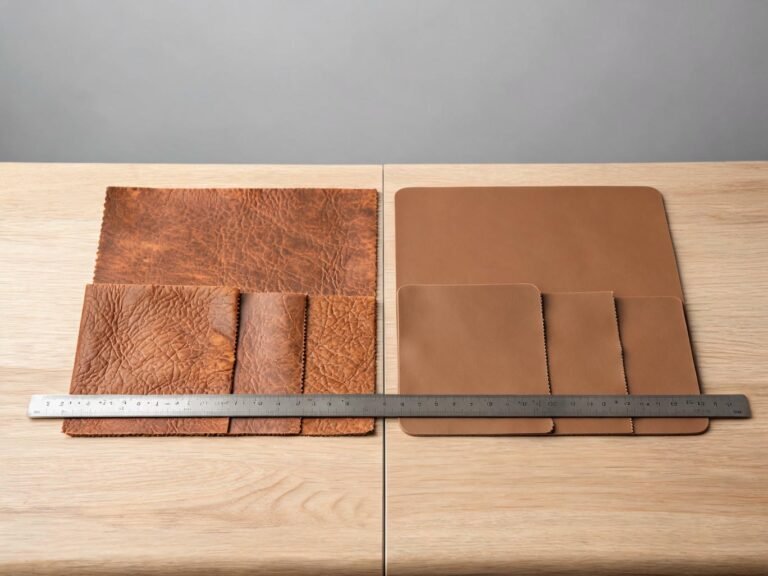
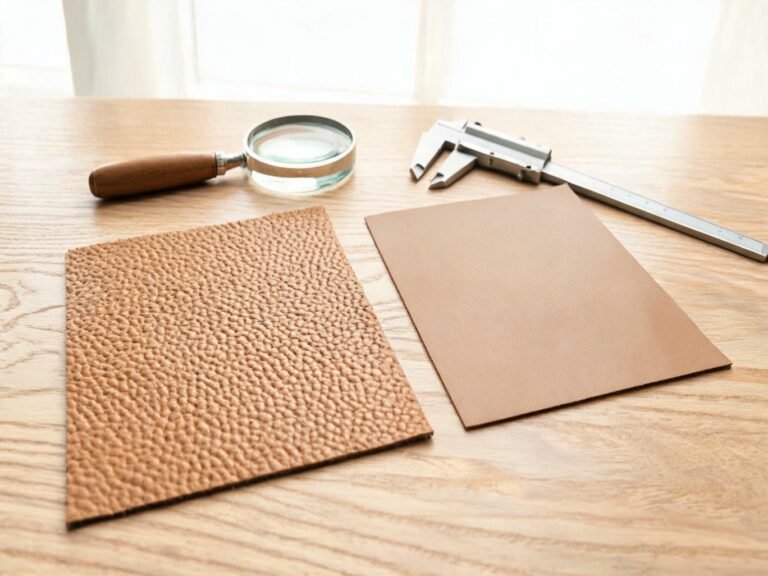
Visual comparison of genuine leather texture versus modern faux leather surface
The Core Difference Between Leather and Faux Leather
At the most basic level, genuine leather is an animal hide that has been tanned and treated. Faux leather — also called synthetic leather, vegan leather, or pleather — is a manufactured material. It is typically made by coating a fabric backing (polyester or cotton) with a plastic layer such as polyurethane (PU) or polyvinyl chloride (PVC). More advanced variants use silicone coatings or microfiber constructions.
Here is the thing: “faux leather” is an umbrella term. A three-dollar-per-yard PVC vinyl and a premium silicone-coated fabric are both technically faux leather. The performance gap between them is enormous. For procurement teams, the real question is not “real versus fake.” It is which material specification meets your project’s performance, compliance, and cost targets.
If you are new to material sourcing, our complete types of leather guide covers the full spectrum from full-grain hides to synthetic alternatives.
How Faux Leather and Real Leather Are Manufactured
Genuine leather production starts with raw animal hides. These undergo chemical tanning — usually chrome-based or vegetable-based — followed by dyeing and finishing. The process is resource-intensive, uses significant water volumes, and produces inherently variable output. No two hides are identical. Grain patterns, scars, and thickness variations are natural, which means yield rates and consistency can challenge large-scale manufacturing.
Faux leather manufacturing is fundamentally different. At our 20,000㎡ facility, we run 8 automated coating lines that apply liquid silicone or PU formulations onto precision-woven base fabrics. The result? Every roll has identical thickness, color, and texture. We produce 2,000+ tons annually with batch-to-batch consistency that natural leather simply cannot match. That predictability matters when you are building a supply chain for 50,000 sofas or 100,000 car seats.

Automated coating lines ensure consistent thickness and color across every roll
Want to see how modern faux leather is produced at scale? Take a look at our factory production overview for a behind-the-scenes look at the full manufacturing workflow.
Durability, Cost & Performance: Head-to-Head
Let us talk numbers. In our testing lab, we run Martindale abrasion tests, color fastness checks, and tensile strength measurements every day. Here is how the materials typically stack up:
| Property | Genuine Leather | High-Performance Faux Leather |
|---|---|---|
| Abrasion Resistance | 20,000 – 50,000 cycles | 200,000+ cycles (Martindale) |
| Water Resistance | Low; absorbs moisture | High; waterproof surface |
| UV Resistance | Fades and cracks over time | Excellent; color-stable |
| Thickness Consistency | Variable across hides | ±0.05mm tolerance per roll |
| Cost per Meter | $15 – $40+ | $6 – $25 |
| Temperature Range | -10°C to 80°C | -40°C to 250°C |
| Maintenance | Requires conditioning | Wipe-clean with damp cloth |
Genuine leather scores well on breathability and develops a desirable patina over time. However, it stains easily, requires regular conditioning, and degrades under prolonged UV exposure. For automotive OEMs we work with, this is often the deciding factor. We have seen tier-one suppliers switch to silicone faux leather specifically because it eliminates the cracking and fading issues common in dashboard and seating applications after just two summers.

Martindale abrasion testing in our quality control lab
Sustainability & Regulatory Compliance
Leather’s environmental impact is well-documented. Tanning processes consume large water volumes and can produce chromium waste. The livestock industry contributes significantly to greenhouse gas emissions. That said, responsibly sourced leather is a byproduct of the food industry, and it is biodegradable at end of life.
Faux leather avoids animal sourcing entirely, but traditional PU and PVC variants raise their own concerns. PVC contains plasticizers and chlorine. Standard PU often relies on solvent-based coatings that release volatile organic compounds (VOCs) during production and curing.
Silicone leather changes the equation. It is produced without solvents or plasticizers, contains no phthalates or heavy metals, and is recyclable. At TOPSUN, our silicone leather holds ISO 10993-5 biocompatibility, FDA food-grade certification, REACH compliance, and PAHs certification — standards verified by third-party laboratories including SGS and Intertek. Most conventional faux leathers cannot meet this combination of certifications.
For EU market entry, REACH and PAHs compliance is non-negotiable. For US medical or baby product applications, FDA certification is essential. When we onboard new clients, we provide full certificate packs with verifiable report numbers — because procurement teams should never have to take a supplier’s word on compliance.
Understanding the Difference Between Faux Leather and Leather by Application
So which material should you specify? Here is our practical breakdown based on 12 years of client projects across eight industries:
- Automotive interiors: Silicone faux leather wins on UV resistance, low VOC emissions, and flame retardancy (EN 13773 Class 4). See our automotive-grade solutions.
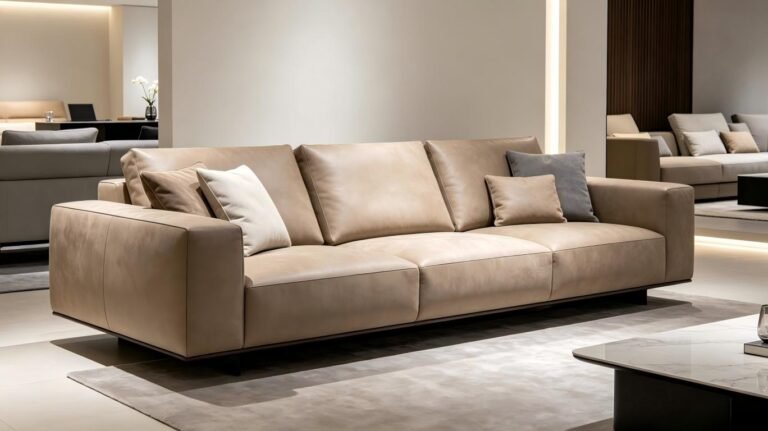
- Furniture & sofa: Both materials work, but faux leather offers superior stain resistance and easier cleaning for commercial hospitality settings. Browse furniture upholstery options.
- Medical & healthcare: Only medical-grade silicone leather meets ISO 10993 and disinfectant-resistance requirements for hospital beds and examination tables.
- Baby products: FDA-certified silicone faux leather meets the same safety standards as baby pacifiers and teething toys.
- Marine & outdoor: Faux leather with UV and salt-spray resistance outperforms genuine leather in wet, sun-exposed environments.
- 3C electronics: Ultra-thin faux leather (0.23mm+) enables slim-profile designs impossible with natural hides.

Custom color matching available across all collections — Pantone and RAL standards supported
Frequently Asked Questions
Is faux leather always cheaper than real leather?
Generally yes — typically 30% to 60% less per meter depending on grade. But factor in total cost of ownership. A high-performance silicone faux leather can outlast genuine leather in demanding applications, which changes the lifetime cost calculation significantly.
Can faux leather be recycled?
Traditional PU and PVC are difficult to recycle due to mixed material composition. Silicone leather is different — it is recyclable and contains no toxic additives, making end-of-life processing significantly cleaner than conventional synthetics.
Does faux leather look cheap compared to genuine leather?
Early generations did. Modern silicone and microfiber faux leathers replicate natural grain patterns so accurately that consumers — and even industry veterans — struggle to tell the difference by sight alone. The real distinction shows up after six months of use.
Making the Right Choice for Your Next Project
The difference between leather and faux leather is no longer about prestige or tradition. It is about performance specifications, compliance requirements, and total cost of ownership. For procurement teams managing complex supply chains, silicone faux leather increasingly offers the optimal balance: the aesthetic appeal of leather, the consistency of automated manufacturing, and certifications that satisfy global regulatory frameworks from REACH to FDA.
If you are evaluating materials for an upcoming project, start with physical samples. Test them in your actual end-use environment. Compare abrasion data, check certification validity, and calculate landed cost per unit. That is the only process that really matters.
About TOPSUN
TOPSUN is a leading silicone leather manufacturer with 12+ years of experience and a 20,000㎡ production facility. We operate 8 automated coating lines with an annual output of 2,000+ tons, serving OEM and ODM clients across automotive, furniture, medical, marine, and consumer electronics industries worldwide.
Certifications: FDA, REACH, PAHs, ISO 10993, RoHS, EN 71, EN 13773 Class 4, FAR 25.853, ISO 9001. All test reports issued by SGS and Intertek with verifiable certificate numbers.