The leather supply chain in 2026 looks nothing like it did five years ago. New tariffs, rerouted shipping lanes, and shifting manufacturing hubs have rewritten the rules for B2B buyers. If you are still sourcing based on 2022 playbooks, you are probably paying too much, waiting too long, or exposing your business to compliance risks you do not yet see. This article maps the current landscape and gives you actionable strategies to source smarter this year.
Request a Sourcing Consultation
How Tariffs Are Reshaping Leather Trade Flows
Tariff volatility remains the single biggest disruptor in 2026. New U.S. reciprocal tariffs and revised EU anti-dumping duties on selected Asian exporters have forced buyers to rethink origin strategies. The traditional model of centralized production in one low-cost country and global distribution no longer pencils out for many product categories.
Here is what we are seeing on the ground:
- Nearshoring acceleration. Buyers serving North American markets increasingly source from Mexico and Central America to avoid trans-Pacific duties and shorten lead times.
- ASEAN diversification. Vietnam, Indonesia, and Cambodia have absorbed significant volume previously destined for China, though capacity constraints are pushing prices up 8-12%.
- EU origin preferences. Post-Brexit and post-CBAM rules make intra-EU sourcing more attractive for brands selling primarily within the single market.
The key takeaway? Origin is no longer just a cost factor. It is a strategic lever. Buyers who lock in multi-origin supplier networks can pivot quickly when tariff announcements drop with little warning.
Logistics Realities: Longer Lead Times and Higher Freight
Ocean freight rates have stabilized from 2022 peaks but remain 30-40% above pre-pandemic baselines, according to DHL Global Trade data. More concerning for leather buyers is the reliability problem. Port congestion at major Asian hubs, Red Sea diversions, and Panama Canal restrictions have made transit times unpredictable.
| Route | Pre-2020 Transit | 2026 Typical Transit |
|---|---|---|
| China to U.S. West Coast | 14-16 days | 18-24 days |
| China to U.S. East Coast (via Suez) | 28-32 days | 35-42 days (Cape route) |
| China to Northern Europe | 24-28 days | 30-38 days |
| Vietnam to U.S. West Coast | 18-20 days | 22-28 days |
Smart move: Build a 60-75 day inventory buffer for imported leather instead of the old 45-day standard. The carrying cost is usually lower than the cost of a production stoppage from a delayed shipment.

Sourcing Strategy Shifts for 2026
Reactive sourcing no longer works. The buyers winning in this environment have shifted to proactive, diversified strategies. Here is what they are doing differently.
Dual-source critical materials. Relying on a single factory for 100% of your leather is a vulnerability. Leading procurement teams split volume 70/30 between a primary and secondary supplier, with both qualified to the same spec. If one origin faces disruption, the other ramps up.
Lock in annual contracts with flexibility clauses. Fixed-price annual agreements protect against spot-market spikes. But insist on volume-flexibility clauses that let you shift +/- 20% based on actual demand. Rigid contracts become anchors when sales forecasts miss.
Invest in supplier relationships, not just transactions. Factories prioritize buyers who pay on time, communicate forecasts clearly, and collaborate on product development. When capacity tightens, those relationships determine who gets their orders produced first.

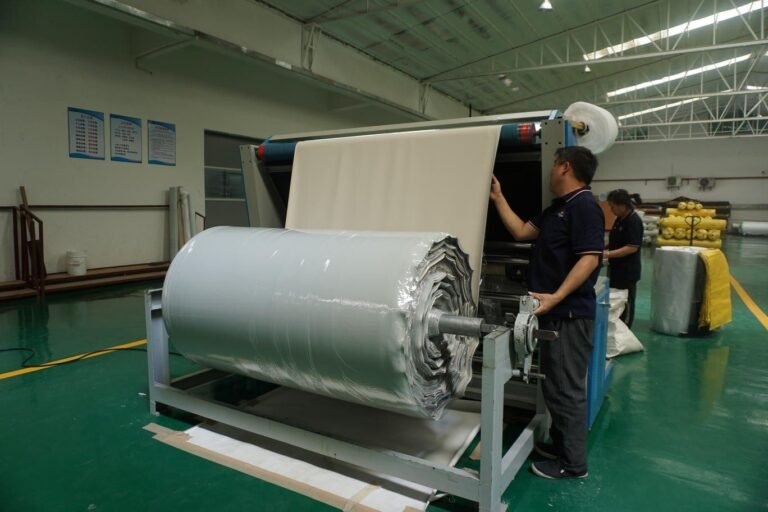
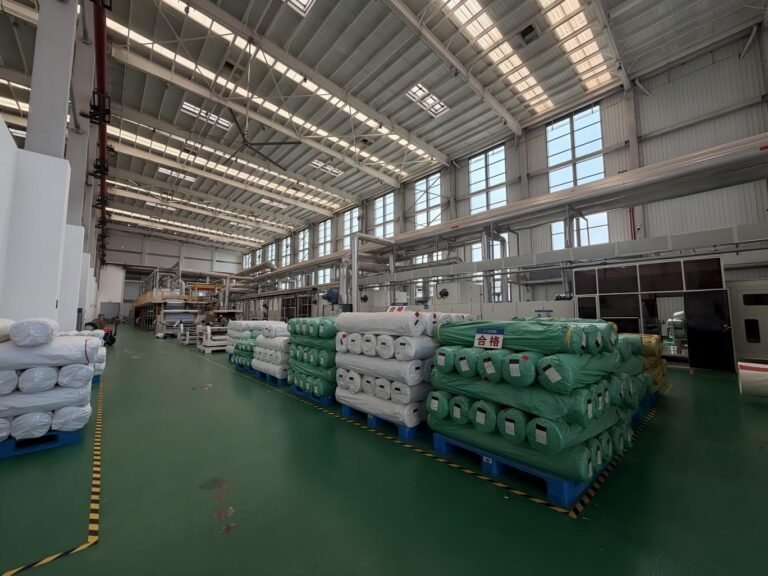
For buyers exploring new manufacturing partnerships, on-site audits remain essential. Virtual tours are useful for initial screening, but they cannot replace walking the production floor, checking raw-material warehouses, and meeting the quality team face-to-face.
Sustainability Compliance: The New Supply Chain Gate
Regulatory pressure on leather supply chains intensified in 2026. The EU Deforestation Regulation (EUDR) now requires traceability documentation for natural leather imports. California’s Proposition 65 enforcement has expanded to cover synthetic leather chemicals. And major brands are demanding Scope 3 emissions data from suppliers.
For synthetic and silicone leather buyers, the compliance landscape is actually simpler in some ways. No livestock traceability is required. But chemical content still matters. Ensure your suppliers provide:
- Current REACH SVHC declarations
- RoHS conformity certificates for electronics-adjacent applications
- VOC emission test reports for automotive and indoor use
- Recyclability or end-of-life statements if your customers require circularity data
Suppliers who already have these documents ready are the ones taking compliance seriously. Those who scramble to produce them after you ask are behind the curve.

Where the Leather Supply Chain Is Heading
Looking beyond 2026, several trends will continue reshaping how leather moves from factory to finished product. Digital tracking via blockchain or RFID is moving from pilot projects to standard practice for luxury brands. On-demand manufacturing and micro-batch production are reducing the need for massive inventory positions. And advances in synthetic leather chemistry are narrowing the performance gap with natural hides while offering more predictable supply.
The buyers who thrive will be those who treat the supply chain as a strategic function, not a back-office cost center. That means investing in supplier development, diversifying origin risk, and staying ahead of compliance curves rather than chasing them.
About TOPSUN
TOPSUN is a global silicone leather manufacturer serving B2B buyers in furniture, automotive, marine, medical, and consumer goods sectors. We offer flexible MOQs, documented compliance packages, and multi-origin logistics support.
Capabilities: OEM/ODM, custom color matching, embossed textures, flame-retardant grades | Compliance: REACH, RoHS, FDA, ISO 10993