Sourcing raw materials is hard. Prices change daily. Quality varies by batch. B2B buyers need stable supply chains. The leather hide market faces new challenges in 2026. Tariffs rise. Sustainability rules tighten. Demand shifts across regions.
This guide solves these problems. You will learn about grades, pricing factors, and costs. You will discover how to find reliable partners. We also cover regional markets and modern alternatives. Every section helps you make better buying decisions.
1. Understanding Leather Hide Types and Grades
Not all hides are equal. Grades determine value. They also determine end-use suitability. You must know the differences before buying.
Full grain is the top layer. It keeps natural marks. It offers the best strength. It ages beautifully.
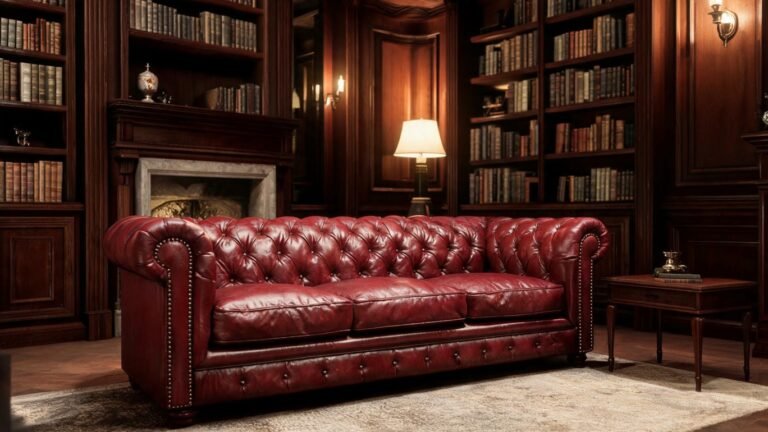
Top grain is sanded slightly. It looks uniform. It costs less than full grain. It works well for furniture upholstery applications.
Split leather comes from lower layers. It is softer. It is less durable. It suits budget products.
Cowhide leather dominates the market. It is thick. It is versatile. It serves automotive, furniture, and fashion industries. Most B2B orders specify cowhide. It tans well. It accepts many finishes.

2. Leather Hide Price Factors in 2026
Leather hide price movements confuse many buyers. Multiple forces drive costs. Understanding them helps you plan budgets.
- Raw material supply. Cattle herd sizes change. Drought affects availability.
- Tanning costs. Chrome tanning is cheaper. Vegetable tanning costs more.
- Grade selection. Full grain commands premium prices. Split costs far less.
- Finish complexity. Embossing adds cost. Waterproofing adds cost.
- Logistics. Fuel prices affect transport. Container shortages raise rates.
- Tariffs. Trade policies shift. Import duties impact final pricing.
Sustainability certifications also add cost. Sustainable leather sourcing requires audits. It requires chemical tracking. Buyers pay more for transparency.

3. Leather Hide Cost Breakdown for B2B Buyers
Smart buyers know where money goes. Leather hide cost includes many layers. Here is a typical breakdown for bulk orders.
| Cost Component | Percentage | Notes |
|---|---|---|
| Raw Hide | 35-40% | Depends on grade and origin |
| Tanning Process | 20-25% | Chrome vs. vegetable methods |
| Finishing | 15-20% | Dye, emboss, coating |
| Transport | 10-15% | Sea freight, insurance |
| Duties & Fees | 5-10% | Varies by destination country |
Hidden costs exist too. Inspection fees add up. Currency fluctuations hurt. Rejected batches cause delays. Always request detailed quotes. Compare line items carefully.
4. How to Find Reliable Leather Hide Suppliers
Your supply chain depends on trust. Bad suppliers cause defects. They cause missed deadlines. Finding the right partner takes work.
Follow these steps:
- Check certifications. ISO and LWG audits show quality.
- Request samples. Test physical properties yourself.
- Audit facilities. Visit tanneries if possible.
- Review lead times. Confirm production capacity.
- Evaluate consistency. Check batch-to-batch color match.
- Ask for references. Talk to existing clients.
Reliable leather hide suppliers offer transparency. They share tanning methods. They provide test reports. They accept third-party inspections.
5. Regional Markets: Leather Hide UK and Italian Leather Hides
Geography affects quality. It also affects price. European buyers should know regional differences.
Leather hide UK market focuses on compliance. British buyers demand high standards. They prefer traceable supply chains. The UK imports most hides. Local tanning is limited. Brexit changed import rules. Customs checks now add delays.
Italian leather hides set the global standard. Tuscany is famous. Italian tanneries use vegetable tanning. They produce premium finishes. Fashion houses trust Italian suppliers. Prices run higher. Lead times stretch longer.
Both markets face pressure. Environmental rules tighten. Labor costs rise. Buyers seek alternatives. Some shift to Asian suppliers. Others explore synthetic options.
6. Why B2B Buyers Are Exploring Silicone Leather Alternatives
Traditional leather has limits. Supply varies. Maintenance is high. More buyers now consider alternatives.
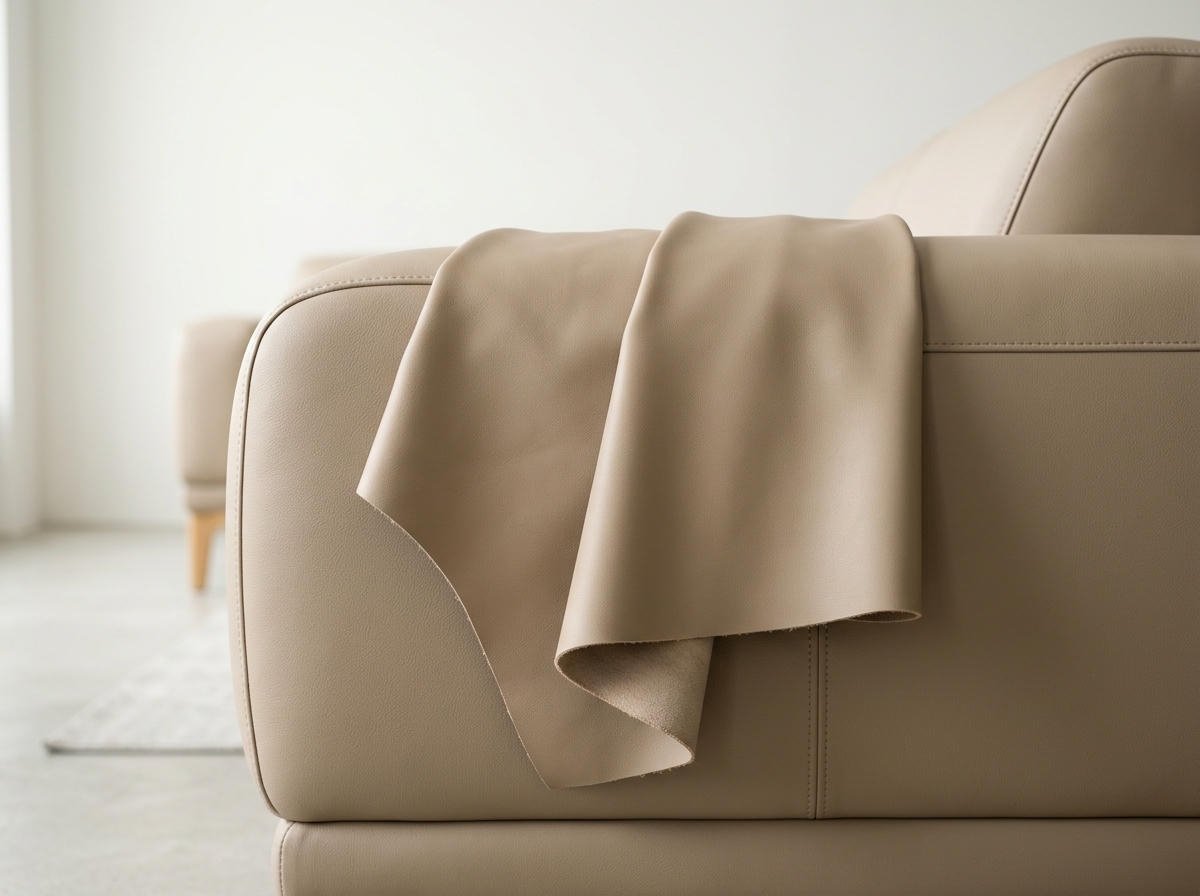
Silicone leather technology offers key benefits:
- Consistent quality. Every roll matches. No natural defects.
- Easy maintenance. Wipe clean. No conditioning needed.
- Weather resistance. UV stable. Waterproof. Mildew proof.
- Cost stability. Prices do not swing like raw hides.
- Certified safe. OEKO-TEX, REACH, and RoHS compliant.
Silicone leather suits automotive interior solutions. It works for medical devices. It performs in marine settings. Brands value predictability. They value sustainability too.
Some buyers still prefer faux leather vs real leather debates. Others research faux leather materials. Silicone leather stands apart. It contains no PVC. It contains no PU solvents.
Frequently Asked Questions
What is the difference between a leather hide and a skin?
Size matters. Hides come from large animals. Cows provide hides. Skins come from smaller animals. Goats and sheep provide skins. Hides offer larger cutting areas.
How do I check leather hide quality before buying?
Request samples first. Check tensile strength. Check color consistency. Smell for chemical odors. Review tanning certificates. Ask for thickness measurements.
Why do leather hide prices change so often?
Raw supply fluctuates. Weather affects herds. Fuel costs change. Currency rates shift. Trade policies create uncertainty. All these factors move prices.
Is silicone leather better than genuine leather hide?
It depends on use. Genuine leather offers luxury feel. Silicone leather offers consistency. It is easier to clean. It resists UV and water. Many B2B buyers now blend both materials.
How long does a leather hide order take to deliver?
Tanning takes 2-6 weeks. Finishing adds 1-2 weeks. Shipping adds 3-6 weeks. Total lead time is 6-14 weeks. Silicone leather often ships faster.
Conclusion
The leather hide market demands attention. Prices shift. Rules change. Buyers must stay informed. You now understand grades, costs, and sourcing strategies. You know regional differences. You see why alternatives matter.
Make decisions with confidence. Choose suppliers carefully. Consider your long-term needs. The right material protects your brand. It also protects your margins.
Ready to Upgrade Your Materials?
TOPSUN is a leading silicone leather manufacturer based in China, offering custom color, texture, and backing solutions for automotive, furniture, marine, and fashion industries. Our products are certified by OEKO-TEX, REACH, and RoHS.