Finding the right synthetic leather supplier can make or break your product line. Whether you’re sourcing materials for automotive interiors, furniture upholstery, or consumer electronics, the manufacturer you choose directly impacts quality consistency, lead times, and your bottom line.
The global synthetic leather market is booming. According to Grand View Research, it hit USD 41.05 billion in 2024 and is projected to reach USD 115.39 billion by 2033, growing at a CAGR of 12.33%. With thousands of suppliers claiming expertise across Asia, Europe, and the Americas, how do you separate reliable manufacturing partners from the rest?
This guide breaks down what B2B buyers actually need to know when comparing synthetic leather manufacturers worldwide—from material types and regional clusters to certifications that actually matter.

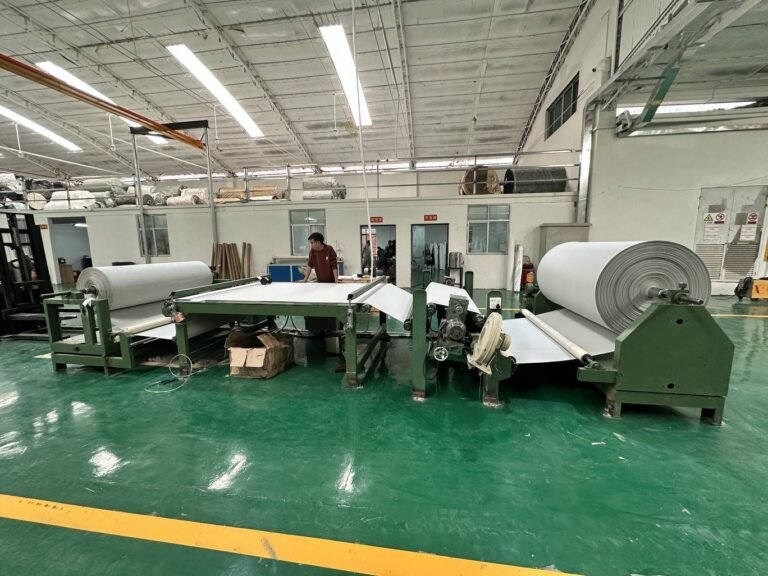
Modern automated production lines are a key indicator of a supplier’s capacity and consistency.
The Global Synthetic Leather Supplier Landscape
The market is more crowded than ever. Asia Pacific alone commanded 46.78% of global revenue in 2024, with China, India, and South Korea driving the bulk of production. For procurement teams, this means options abound—but it also means due diligence is absolutely non-negotiable.
Here’s the thing: not all synthetic leather is created equal. The industry breaks down into three main categories, and the synthetic leather supplier you choose often specializes in just one or two:
- PU leather: Softer, more breathable, and currently holds 57% market share. Most PU leather manufacturers focus on fashion, furniture, and automotive applications.
- PVC leather: Cost-effective but less durable. Demand is growing at 19.86% CAGR, especially in developing markets.
- Silicone leather: The emerging premium option. Superior weather resistance, UV stability, and hypoallergenic properties make it ideal for marine, medical, and high-end automotive use.
If you’re sourcing for high-wear applications, material choice matters as much as the supplier itself. We’ve seen buyers save 30% upfront by choosing PVC, only to replace entire product lines within 18 months due to cracking and discoloration.
How to Evaluate a Synthetic Leather Manufacturer
After auditing dozens of factories across China and Southeast Asia over the past decade, we’ve found that five factors consistently separate top-tier synthetic leather manufacturers from average ones:
1. Production capacity and batch consistency
Can they deliver 50,000 meters monthly with the same color match batch after batch? At TOPSUN, our 20,000㎡ facility runs 8 production lines with an annual output exceeding 2,000 tons. Scale matters when you’re launching a new product line and can’t afford stockouts.
2. Customization depth
B2B buyers rarely need off-the-shelf solutions. Look for suppliers offering color matching to Pantone codes, texture embossing with custom rollers, and substrate flexibility (woven, non-woven, or rigid backing). A PU leather supplier that can’t adjust thickness or hand-feel to your spec is basically a commodity trader.
3. In-house testing infrastructure
A reliable manufacturer should provide Martindale abrasion data, flame resistance certificates, and VOC test reports proactively—not weeks after you ask. In our experience, suppliers with dedicated QA labs catch defects before they ship. Those without? You become their quality control.
4. Regulatory certifications
FDA, REACH, RoHS—these aren’t marketing badges. They’re proof the artificial leather supplier understands compliance and can support your market entry into regulated regions.
5. Sample turnaround speed
If getting a 10cm swatch takes three weeks, imagine how long bulk production will take. Top suppliers ship samples within 3-5 business days.
PU Leather vs. Silicone Leather: What Buyers Should Know
Most buyers start with PU leather manufacturers. It’s familiar, cost-effective, and widely available. But if your application demands extreme durability or hypoallergenic properties, silicone leather deserves a serious look.
The reality is, your end-use dictates the material. For budget-conscious furniture sold through mass retail, PU works fine. For marine upholstery exposed to saltwater and UV, or medical devices requiring biocompatibility? Silicone is often the smarter long-term investment despite the higher upfront cost.
| Feature | PU Leather | Silicone Leather |
|---|---|---|
| Durability | 50,000 – 100,000 Martindale cycles | 200,000+ Martindale cycles |
| Weather Resistance | Moderate; degrades under prolonged UV | Excellent; UV and saltwater resistant |
| Biocompatibility | Limited; may contain solvents | FDA and ISO 10993 compliant |
| Cost per Meter | Lower entry price | Premium pricing; lower lifecycle cost |
| Best Applications | Fashion, general furniture, wallets | Automotive, marine, medical, baby products |
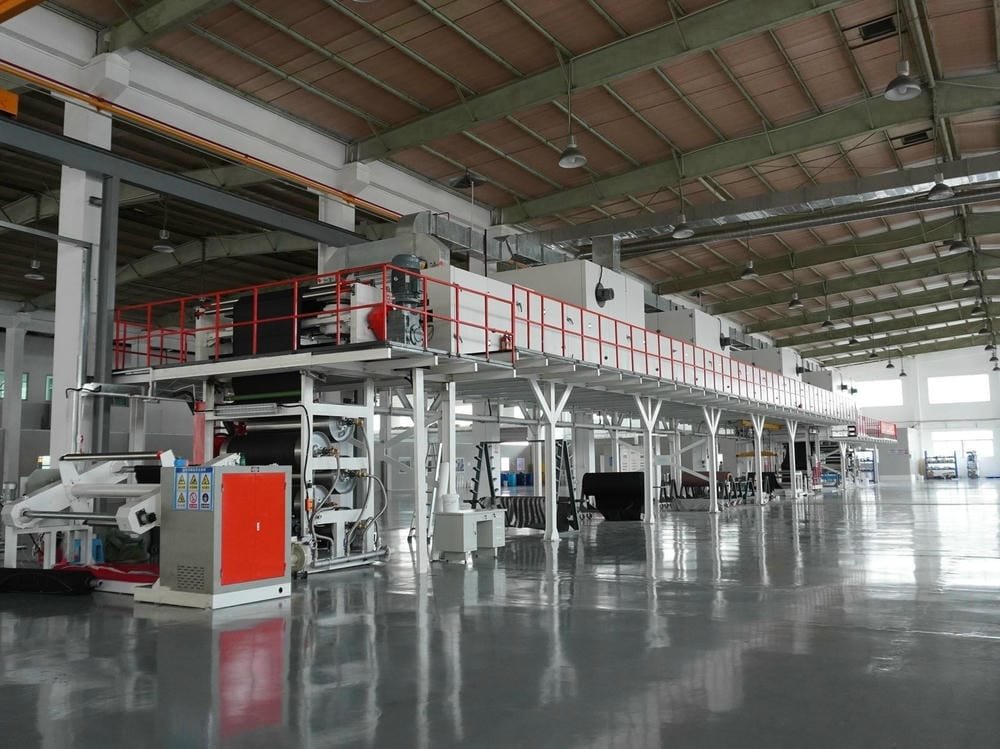
Facility scale and cleanliness often reflect a supplier’s operational standards.
Regional Sourcing: Where Top Suppliers Cluster
Geography affects more than shipping costs. It shapes lead times, communication efficiency, and regulatory alignment.
Asia Pacific dominates global production. Chinese and Indian synthetic leather suppliers offer competitive pricing and massive capacity—sometimes millions of meters per month. The trade-off? Longer shipping lanes to Europe and North America, and occasionally inconsistent quality control at smaller factories. For buyers prioritizing cost and scale, this region is hard to beat.
Europe excels in sustainability certifications and automotive-grade precision. German PU leather suppliers, in particular, lead in low-VOC formulations and bio-based innovations. If your brand markets heavily on environmental credentials, European sourcing adds credibility—even at a premium.
North America focuses on speed and compliance. For U.S.-based brands needing quick turnarounds and localized support, domestic sourcing can offset higher per-meter costs. The caveat? Production capacity is significantly smaller compared to Asia.
Our advice? Match the region to your priority. Cost and scale point to Asia. Regulatory complexity and sustainability marketing point to Europe. Speed and domestic compliance point to North America. Many of our clients run a hybrid strategy: Asian suppliers for volume, European or domestic partners for specialized runs.
Certifications That Separate Leading Suppliers
Any serious synthetic leather supplier should hold baseline certifications. But what do they actually mean for your business? Here’s our practical breakdown:
- ISO 9001: Confirms the factory follows standardized quality management. It’s table stakes, not a differentiator. Learn more about ISO 9001.
- REACH: Required for EU market entry. Proves the material doesn’t contain restricted chemicals above threshold limits.
- RoHS: Essential if your product contains electronic components. Restricts hazardous substances like lead and cadmium.
- FAR 25.853: Aviation-specific flame resistance. If you’re supplying airline interiors, this is non-negotiable.
- EN 13773 Class 4: Flame retardance for public seating—cinemas, theaters, stadiums.
- ISO 10993 / FDA: Biocompatibility for medical devices and baby products. Very few artificial leather suppliers actually hold these.
At TOPSUN, we maintain REACH, PAHs, RoHS, ISO 10993, EN 71, EN 13773 Class 4, FAR 25.853, and ISO 9001 compliance across all silicone leather lines. For buyers in regulated industries, these certifications aren’t optional paperwork—they’re mandatory passports to market entry.
One red flag to watch: suppliers who show outdated certificates or can’t provide test reports tied to your specific batch. Always verify expiration dates and request third-party lab documentation.

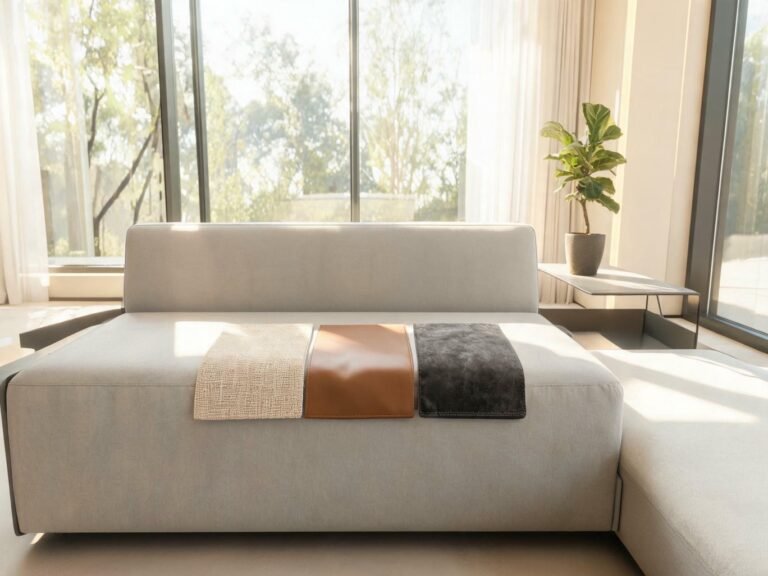
Automotive interiors demand the highest durability and compliance standards from synthetic leather suppliers.
Making the Right Choice for Your Business
Selecting a synthetic leather supplier isn’t about finding the lowest price per meter. It’s about finding a manufacturing partner whose capabilities align with your product requirements, regulatory needs, and growth timeline.
The best suppliers will ask you detailed questions about end-use, expected lifespan, environmental exposure, and target markets before quoting. If a PU leather manufacturer gives you a price without understanding whether your product sits in a car dashboard or a hospital ward, that’s a red flag. Context matters. Specifications matter. And partnership matters more than transaction.
Start with samples. Test them under real conditions—not just visual inspection, but abrasion testing, UV exposure, and chemical resistance if relevant. Visit the factory if possible. A video call walking through the production floor tells you more than a polished brochure ever will.
For buyers ready to explore silicone leather as a premium alternative, our team has spent 12+ years refining formulations for applications ranging from luxury furniture to medical devices. The material landscape is evolving fast. The suppliers who invest in next-generation materials today will be the ones still relevant tomorrow.
Frequently Asked Questions
What’s the difference between a synthetic leather supplier and a manufacturer?
A manufacturer produces material in-house. A supplier may simply trade or distribute products made by others. For consistent quality and customization, work directly with a manufacturer that controls its own production lines. You can learn more about factory selection in our guide on how to choose a silicone leather factory.
How long does bulk production typically take?
For standard PU leather, 2-4 weeks after sample approval is typical. Custom colors or textures add 1-2 weeks. Silicone leather often requires 3-5 weeks due to more complex curing processes. Always confirm the production calendar before placing orders, especially around Chinese New Year when factories shut down for 2-3 weeks.
Is silicone leather worth the premium over PU?
It depends entirely on application. For disposable or short-lifecycle products, probably not. For automotive interiors, marine seating, medical equipment, or baby products? Absolutely. The total cost of ownership often favors silicone because it lasts 2-3 times longer and requires virtually no maintenance. Read our deeper analysis of the synthetic leather market trends to see where the industry is heading.
About TOPSUN
TOPSUN is a specialized silicone leather manufacturer serving B2B clients across automotive, furniture, medical, marine, and consumer electronics sectors. With 12+ years of experience, a 20,000㎡ production facility, and 8 automated lines, we deliver custom material solutions backed by rigorous testing and global certifications.
Certifications: FDA, REACH, PAHs, ISO 10993, RoHS, EN 71, EN 13773 Class 4, FAR 25.853, ISO 9001
Production: 2,000+ tons annual capacity | Thickness range 0.23mm – 2.0mm | Classic, Ultra-Thin, Designer, High-Performance, Rigid Substrate, and Super Flame Retardant collections.