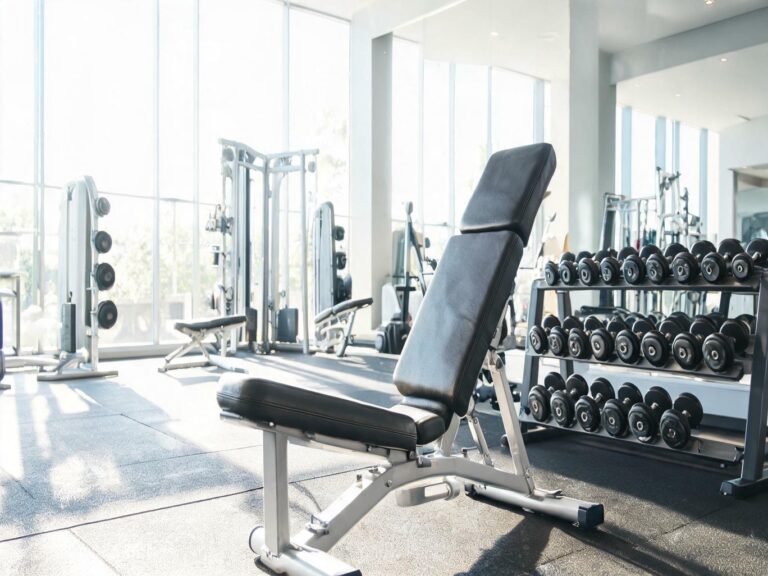
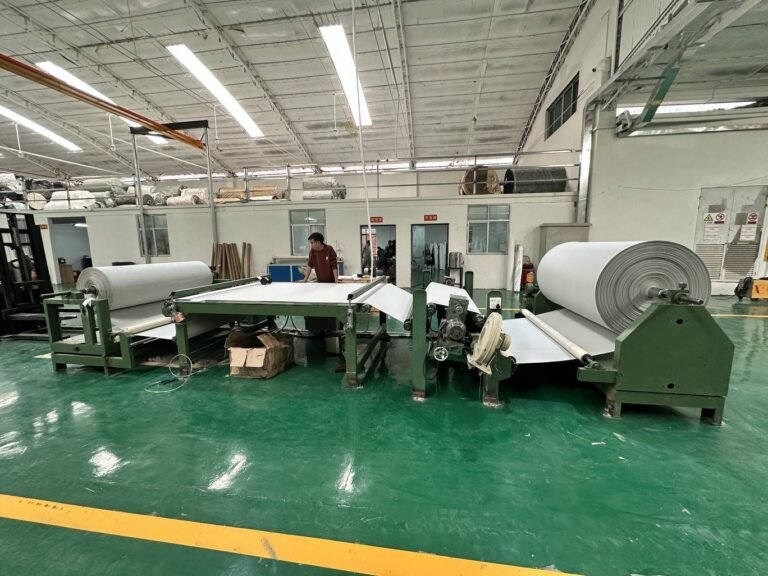
A commercial gym reupholsters 15 to 30 machines per year. At $5-12 per meter, PU leather looks like the obvious budget choice — until you account for the labor, machine downtime, and repeat purchasing that kicks in every 18 months. Most procurement teams never run the 5-year number. Here is the gym equipment leather TCO math that changes the decision.
View Sports & Fitness Materials

Silicone leather surface texture engineered for high-contact gym applications
The True Cost of PU Gym Equipment Leather Over 5 Years
Let’s start with the number that matters: total cost of ownership. A typical commercial gym bench uses approximately 1.5 meters of upholstery material. A cable machine seat uses roughly 0.8 meters. Across a facility with 40 upholstered stations, you are looking at 50-60 meters of leather at any given time. The question is how many times you buy those 60 meters over 5 years.
| Cost Factor | PVC | PU | Silicone Leather |
|---|---|---|---|
| Material cost per meter | $3-8 | $5-12 | $12-25 |
| Replacement frequency | Every 12-18 months | Every 18-24 months | Every 5-7 years |
| Labor per reupholster (per unit) | $40-60 | $40-60 | $40-60 (one-time) |
| 5-year material cost (60m) | $1,080-2,880 | $1,500-3,600 | $720-1,500 |
| 5-year total (material + labor, 40 units) | $4,680-8,880 | $4,500-8,400 | $2,320-3,900 |
Read the bottom row carefully. Over 5 years, silicone leather costs 40-50% less than PVC or PU for the same 40-unit facility. The upfront price per meter is higher, but you buy it once. PU and PVC require 3-4 purchase cycles in the same period — plus the labor to strip and re-cover each machine each time. In our experience working with commercial gym operators, the reupholstering labor alone often exceeds the material cost by the third replacement cycle.

Martindale abrasion testing for commercial-grade gym upholstery leather
Sweat, Cleaning Chemicals, and Why Gym Upholstery Fails Early
The TCO gap exists for a simple reason: gym environments destroy conventional upholstery materials faster than any other application. A commercial facility wipes down equipment 20-50 times per day with quaternary ammonium, bleach solutions, or alcohol-based disinfectants. Add sustained sweat exposure — which is mildly acidic and contains salt — and you have a chemical environment that PU and PVC were never designed to withstand.
PU leather fails through hydrolysis. The ester bonds in polyurethane break down when exposed to moisture and heat, causing the surface to crack, peel, and eventually expose the fabric backing. This is not a defect — it is a known chemical limitation. Silicone leather’s resistance to hydrolysis is structural: the Si-O bond does not react with water, salt, or the cleaning chemicals that gyms use daily.
There is also a hygiene dimension. When PU or PVC cracks, the fissures harbor bacteria. In our testing, cracked PVC surfaces showed measurable bacterial colonization within 48 hours of cleaning, even after standard disinfection. Silicone leather’s non-porous surface does not develop micro-fissures under normal use, which means there is nowhere for bacteria to settle. For facilities concerned with sweat-resistant gym upholstery material, this is not a cosmetic preference — it is a health code consideration.

Water contact testing demonstrating non-porous surface behavior of silicone leather
Silicone vs PU vs PVC: Martindale Cycles and Replacement Cycles
The durability gap between gym equipment leather types is not marginal. Independent Martindale abrasion testing — the standard metric for upholstery wear resistance — shows a 10x difference between the best and worst options:
- PVC leather: 20,000-40,000 Martindale cycles — visible wear within 12-18 months of daily gym use
- PU leather: 30,000-50,000 Martindale cycles — cracking at stress points within 2 years
- Silicone leather: 200,000+ Martindale cycles — no visible wear through 5+ years of commercial use
That is not a percentage improvement. It is a category difference. When comparing silicone leather against PU and PVC for gym equipment, the question is not whether silicone lasts longer — it is whether your facility can absorb the cost of replacing the cheaper options 3-4 times. For most commercial operators, the answer shifts the procurement decision once year two hits.

Scratch resistance testing simulating gym equipment wear patterns
What to Specify When Sourcing Gym Equipment Leather
If you are building a procurement spec for gym equipment leather, the following checklist separates suppliers who understand commercial fitness from those who are selling you retail-grade material:
- Martindale rating: Require ≥100,000 cycles minimum. Anything below 50,000 will not survive a commercial warranty period.
- Cleaning chemical tolerance: Specify resistance to quaternary ammonium, 70% isopropyl alcohol, and 10% bleach solution. Get it in writing.
- ISO 20957 compliance: The ISO 20957 standard for stationary training equipment includes material safety requirements that reputable suppliers should reference.
- Tear strength: Require ≥40 N per ASTM D624. Gym benches take point loads from weights, elbows, and shoes — tear propagation kills upholstery faster than surface wear.
- Antimicrobial properties: Non-porous surface is baseline; ask for test data showing bacterial reduction rates per ISO 22196 if the facility markets hygiene.
For brands sourcing silicone leather for sports equipment, also request custom color matching against your gym’s brand palette. Pantone-matched silicone leather holds color stability under UV far better than PU, which yellow-shifts after 6-12 months of exposure to gym lighting and sunlight from windows.
Procurement tip: If a supplier quotes you a per-meter price without asking about your cleaning protocol, daily usage volume, or warranty period, they are not selling you commercial-grade material. The right supplier asks those questions before quoting.
Silicone leather for fitness equipment — performance properties and commercial applications
Frequently Asked Questions
How often does commercial gym equipment leather need to be replaced?
It depends on the material. PVC typically needs replacement every 12-18 months in high-traffic commercial facilities. PU lasts 18-24 months before showing cracks at stress points. Silicone leather is rated for 5-7+ years under the same usage conditions, with Martindale testing above 200,000 cycles. The replacement cycle is the single largest driver of total cost of ownership.
Is silicone leather worth the upfront cost for gym equipment?
On a 5-year TCO basis, yes. Silicone leather costs 40-50% less than PU or PVC over the same period because it eliminates 3-4 replacement cycles and their associated labor costs. The upfront price per meter is 2-3x higher, but the total spend over the warranty life of the equipment is significantly lower. For facilities with 20+ upholstered stations, the savings compound further.
The Purchase Order That Pays for Itself by Year Two
Gym equipment leather is one of the few procurement decisions where the cheaper option costs more over time — and the math is not subtle. PU at $5-12 per meter sounds right until year two, when the reupholstering invoices start arriving. Silicone leather at $12-25 per meter sounds expensive until year three, when the PU benches are being re-covered for the second time and the silicone benches still look new. If your procurement process only compares per-meter prices, you are optimizing for the wrong number. Run the 5-year TCO. The decision makes itself.
Get a Custom Gym Equipment Quote
About TOPSUN
TOPSUN produces gym equipment leather engineered for commercial fitness facilities, where 50+ daily cleaning cycles and sustained sweat exposure demand non-porous, tear-resistant upholstery that outlasts conventional PU and PVC by 3-4 replacement cycles.
Capabilities include 200,000+ Martindale-cycle formulations, salt-sweat-resistant surface chemistry, ISO 20957-compliant testing verification, and Pantone-matched colors for gym brand identity programs.