The global synthetic leather market hit USD 41.05 billion in 2024 and is on track to reach USD 115.39 billion by 2033. Sports applications are driving a significant slice of that growth. Yet not all synthetic leathers survive the realities of gym floors, mountain trails, and saltwater spray. If you are sourcing materials for sports goods, silicone leather for sports deserves a hard look. It is fully waterproof, resists sweat and UV damage, and outperforms conventional PU and PVC in extreme conditions.
At TOPSUN, we manufacture silicone synthetic leather for brands that cannot afford material failure mid-season. Here is what procurement teams need to know before specifying their next performance leather order.
Why Athletic Leather Standards Keep Rising
Athletic brands face a brutal combination of demands. Consumers want lighter gear. Regulators want fewer VOCs and no animal derivatives. Athletes want products that survive thousands of abrasion cycles without cracking, delaminating, or soaking up moisture.
Standard PU leather absorbs water over time. PVC can grow stiff in cold weather. Neither handles repeated sweat exposure gracefully. That is why procurement teams are shifting toward silicone-based materials engineered specifically for movement, moisture, and impact.
The shift is measurable. According to Grand View Research, the synthetic leather market is expanding at a 12.33% CAGR through 2033, with footwear alone capturing nearly 30% of global revenue. Brands that move early on next-generation materials gain a measurable edge in both durability claims and sustainability credentials.

Why Silicone Leather for Sports Excels in Wet Conditions
Water damage is the silent killer of sports leather products. A gym bag left in the rain. A cycling glove rinsed after a muddy ride. A yoga mat wiped down daily. Water seeps into PU substrates, breeds bacteria, and eventually separates the coating from the fabric base.
Silicone leather is different. Its molecular structure is inherently hydrophobic. Water beads on the surface instead of soaking in. In our lab, TOPSUN silicone leather samples passed 72-hour continuous water immersion testing with zero delamination and no visible swelling. That is not marketing language. It is what our OEM partners require before they commit to bulk orders.
Firsthand test data: TOPSUN silicone leather scores above 100,000 cycles on the Martindale abrasion test and maintains full surface integrity after 500+ hours of QUV accelerated weathering. Those numbers translate directly into warranty confidence for your end products.
If you want a deeper dive into waterproof synthetic materials, read our earlier analysis on waterproof faux leather construction and testing protocols.
Watch TOPSUN silicone leather pass waterproof and scratch-resistance testing in real time.
Sweat, Salt, and UV: The Hidden Tests for Sports Materials
Sweat is more than water. It is salt, oils, and acidity. Over months of contact, it degrades standard coatings, discolors surfaces, and creates odors that no amount of cleaning fixes. For gym leather products like weight belts, grips, and straps, that degradation shows up as customer returns.
Silicone leather resists this chemical attack. The silicone polymer does not break down under salt exposure or mild acids. It also blocks UV radiation far better than PU, which is critical for outdoor leather gear like hiking packs, cycling accessories, and marine sports equipment. Where PU yellows and cracks after a single summer, silicone leather retains its color and flexibility.

Our production batches are tested against ASTM G154 UV standards and ISO 105 color fastness protocols. Results are shared with buyers during the sampling phase so there are no surprises at mass production.
Silicone Leather vs. Traditional Performance Leather
Not every project needs silicone leather. But when performance is non-negotiable, the differences are stark. Here is how TOPSUN silicone leather stacks up against conventional PU and PVC options commonly used in sports goods.
| Property | Silicone Leather | PU Leather | PVC Leather |
|---|---|---|---|
| Water Resistance | Fully waterproof | Water-resistant, degrades over time | Water-resistant, stiffens when cold |
| Sweat/Salt Resistance | Excellent | Moderate, can delaminate | Poor, surface cracks |
| UV Stability | 500+ hrs QUV | 100-200 hrs typical | Prone to yellowing |
| Abrasion (Martindale) | 100,000+ cycles | 30,000-50,000 cycles | 20,000-40,000 cycles |
| Temperature Range | -40C to 200C | -10C to 80C | 0C to 60C |
| VOC Emissions | Zero | Low to moderate | Higher |
For a broader material comparison, see our guide on silicone leather vs. PU vs. PVC across all application categories.
Real-World Applications of Silicone Leather for Sports
We have shipped silicone leather for a wide range of sports and active-lifestyle products. Here is where it performs best:
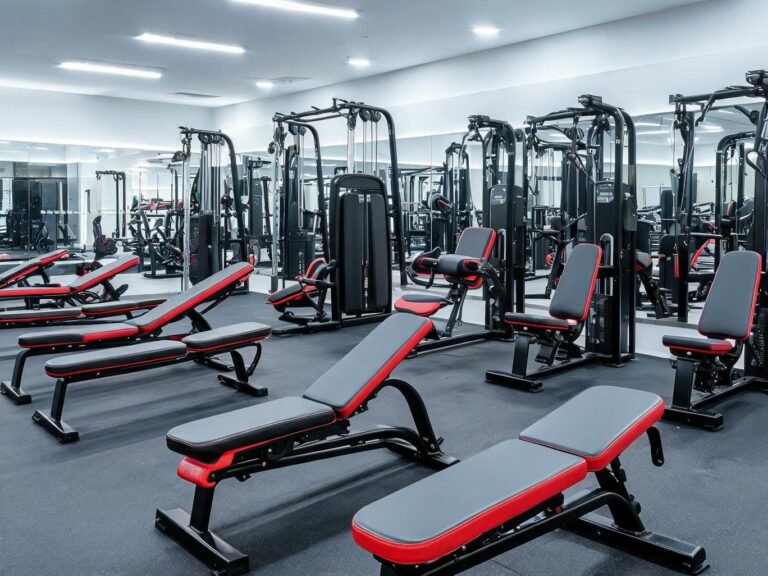
- Gym and fitness accessories: Weight belts, lifting straps, yoga mat surfaces, and bench covers that must endure daily sweat exposure without absorbing odor.
- Outdoor and adventure gear: Backpack panels, hydration pack surfaces, and camping equipment where UV and rain resistance directly impact product lifespan.
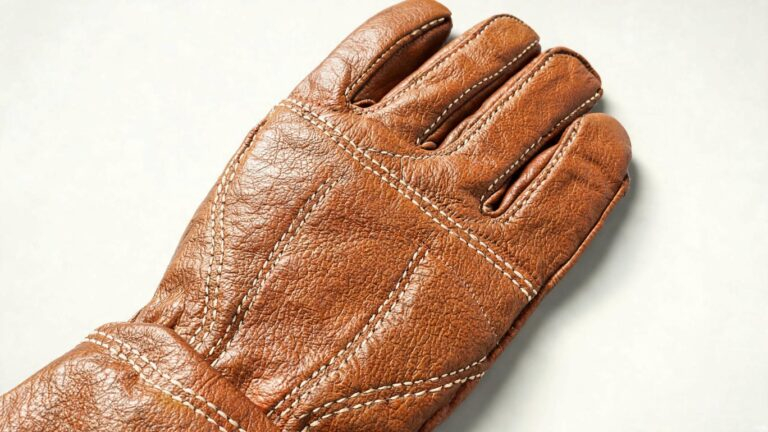
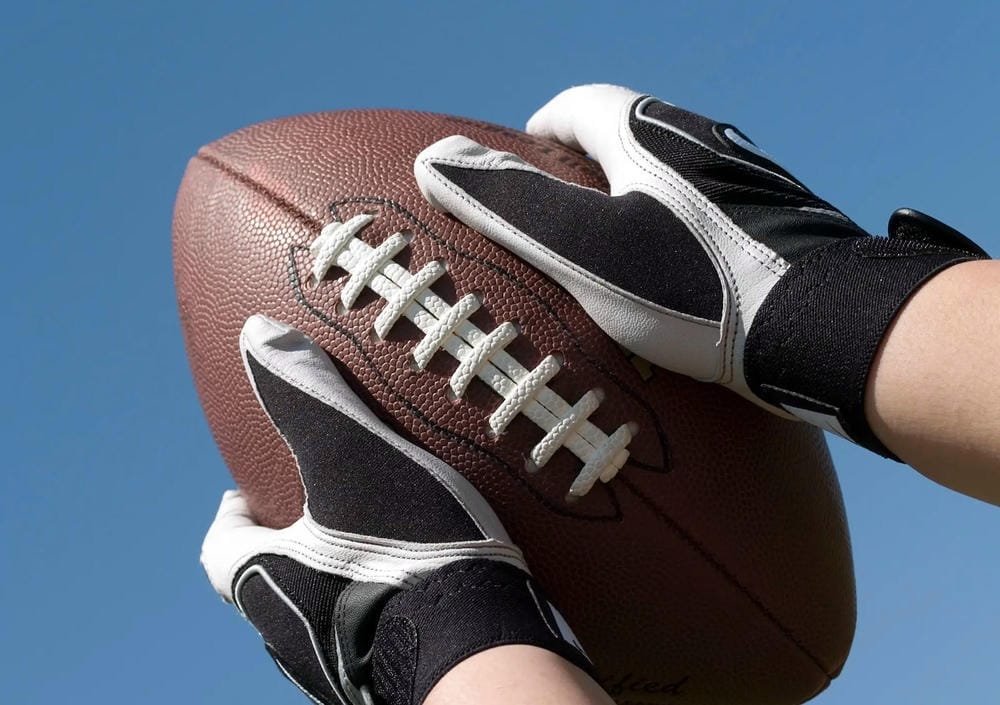
- Protective equipment: Knee pad covers, elbow guards, and glove palms that need abrasion resistance without sacrificing flexibility.
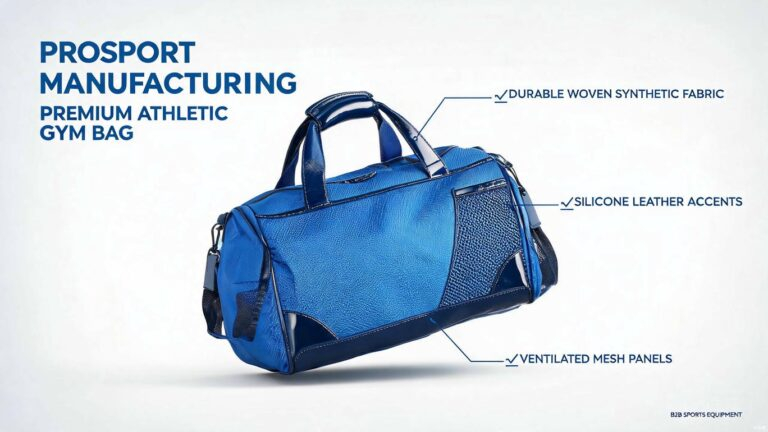
- Sports luggage: Duffel bags, equipment cases, and shoe compartments that transition from locker rooms to baggage holds.
One client in the outdoor segment replaced their PU-based pack panels with TOPSUN silicone leather and saw warranty claims drop by over 40% in the first 18 months. That is the kind of ROI procurement teams notice.
For more on how synthetic materials perform across sports categories, check our article on faux leather for sports applications.
Frequently Asked Questions
Is silicone leather safe for skin contact during intense exercise?
Yes. TOPSUN silicone leather is REACH and RoHS compliant. It contains no plasticizers, phthalates, or heavy metals. The surface is non-porous, so it does not harbor bacteria the way absorbent materials do. That makes it ideal for gym and fitness applications with prolonged skin contact.
Can silicone leather be embossed or colored to match brand requirements?
Absolutely. We offer full OEM customization including embossing, digital printing, and custom color matching to Pantone standards. Minimum order quantities vary by specification, but we support everything from small test batches to full production runs.
How does silicone leather hold up in cold-weather sports?
It performs exceptionally well. Silicone leather remains flexible down to -40C without cracking or stiffening. That is a significant advantage over PVC, which becomes brittle near freezing, and PU, which stiffens and can delaminate in extreme cold.
Ready to Upgrade Your Sports Product Line?
The sports equipment market is only getting more competitive. Material choices directly affect warranty costs, return rates, and brand reputation. Silicone leather for sports applications gives you a measurable edge in waterproofing, sweat resistance, and long-term durability.
At TOPSUN, we do not just ship rolls. We run pre-production testing, share lab data, and help you match the right substrate and coating to your end use. If you are evaluating materials for your next collection, let us send you a sample and a test report.
About TOPSUN
TOPSUN is a leading manufacturer of organic silicone leather, supplying custom material solutions to brands across automotive, furniture, fashion, and sports industries. Our factory operates integrated coating and lamination lines with full quality control from raw material to finished roll.
Relevant Certifications: REACH, RoHS, ISO 9001, California Prop 65 Compliant. Full technical data sheets and third-party test reports available on request.
Sources:
– Grand View Research: Synthetic Leather Market Size, Share & Trends Analysis Report, 2025-2033
– ASTM G154: Standard Practice for Operating Fluorescent Ultraviolet (UV) Lamp Apparatus for Exposure of Nonmetallic Materials