Why does one vegan bag peel at year two while another reaches year eight? Is vegan pu leather a single material, or a family of chemistries with very different clocks? The answers decide whether your label survives its first warranty cycle. Vegan pu leather is polyurethane bonded to fabric. Standard ester-based PU starts hydrolyzing from the day it leaves the press. This page puts numbers on that clock. It compares the three chemistry routes and lists the checks that separate a durable roll from a peeling one.
What Vegan PU Leather Actually Is
Vegan simply means no animal hide. Under that label sit two very different families. Petroleum-based PU and PVC are cheap, waterproof, and fail by hydrolysis at 2 to 5 years. Plant-based materials such as Piñatex, cactus, and mycelium cost two to four times more. They breathe better and last 4 to 8 years. Most products sold as vegan pu leather are still the first kind. That is a PU face on a woven backing, 1.0 to 1.2 mm thick for daily-carry goods.
The chemistry detail matters more than the marketing. Conventional PU is built on polyester polyols, and ester groups break down when they meet moisture and heat. That reaction is hydrolysis, and no conditioning routine reverses it. Polyether-based formulations resist it far better. Knowing which family your quote describes is the single most valuable question you can ask a supplier.
The Hydrolysis Clock: Why Vegan PU Leather Peels
The failure follows a pattern. First a fine surface craze appears. Then sheets of coating lift away from the backing, and the bag or sofa looks shredded no matter how gently it was used. Lab tests reproduce the process quickly. Under ASTM D2097-style conditions at 70°C, conventional PU cracks within 96 to 200 hours. The same mechanism that destroys the lab coupon destroys the retail product, just slower.

Abrasion and flex rigs catch weak coatings early, but hydrolysis needs heat-and-humidity chambers to show up at all.
Humidity is the accelerant. A bag stored in a damp closet ages faster than one in daily use. That is why unpeeling stock surprises brands after a season in the warehouse. Hydrolysis-resistant grades attack the chemistry directly. They switch to polyether polyols or add carbodiimide stabilizers. That change roughly doubles service life to 5 to 8 years for a modest cost uplift. The alternative is replacing a product at year three. Viewed that way, the upgrade pays for itself on the first warranty cycle avoided.
Standard PU vs Resistant PU vs Silicone: The Numbers
| Route | Hydrolysis behavior | Typical service life | Cost position |
|---|---|---|---|
| Standard ester PU | Cracks at 96-200 h in 70°C tests | 2-5 years | Lowest |
| Hydrolysis-resistant PU | Polyether base or carbodiimide stabilizers | 5-8 years | Modest uplift |
| Full silicone | No change at 14 weeks, 85°C/85% RH | 10-15 years | Project-quoted |

Surface waterproofing is not hydrolysis resistance: the water that matters is the moisture attacking the coating from within.
Silicone sits in a different category because its backbone is silicone-oxygen rather than ester. Our own hydrolysis protocol holds material at 85°C and 85% relative humidity for 14 weeks with zero delamination. For brands that want the vegan story without the peeling risk, our silicone vs PU comparison sets the two chemistries side by side. Our eco-friendly silicone leather page covers the solvent-free production behind it.

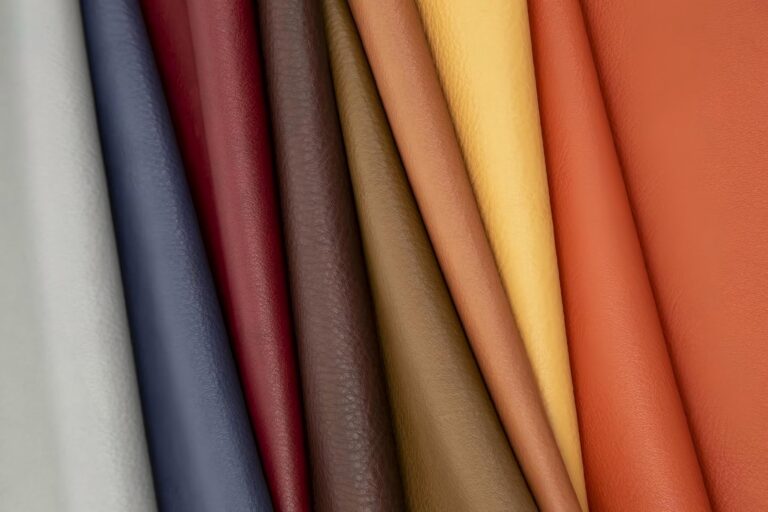
Same grain, different chemistry: texture alone never reveals which clock a roll is running on.
Watch abrasion, flex and stain tests run on silicone leather, the metrics that predict whether a surface survives year five.
Ask Our Team About Hydrolysis Data
A Judgment Table for Your Next Material Call
| If the supplier says… | It usually means… | Ask for… |
|---|---|---|
| Just say vegan PU | Standard ester PU, 2-5 year clock | Polyol type: ester or polyether |
| It is hydrolysis-resistant | Stabilizer or polyether chemistry claimed | Heat-humidity test report with hours |
| It feels just like leather | Hand-feel claim, no durability data | Abrasion and flex cycle numbers |
| Silicone option available | Si-O backbone, hydrolysis solved | 85°C/85% RH delamination results |
Vegan pu leather is not one material but a choice between clocks. Standard ester PU buys the lowest price and a two-to-five-year countdown. Resistant grades double it. Silicone removes the countdown almost entirely. Match the chemistry to how long the product must live, then put the test hours in writing before the order.
Request Hydrolysis-Tested Samples
References
1. https://wandaoleather.com/blog/what-is-silicone… — PU cracking within 96-200 hours at 70°C under ASTM D2097-style tests vs silicone 100°C/720 h immersion without cracking
2. https://mensbackpack.co.uk/articles/vegan-leath… — Petroleum PU/PVC hydrolysis failure at 2-5 years, resistant polyether/carbodiimide grades doubling life to 5-8 years