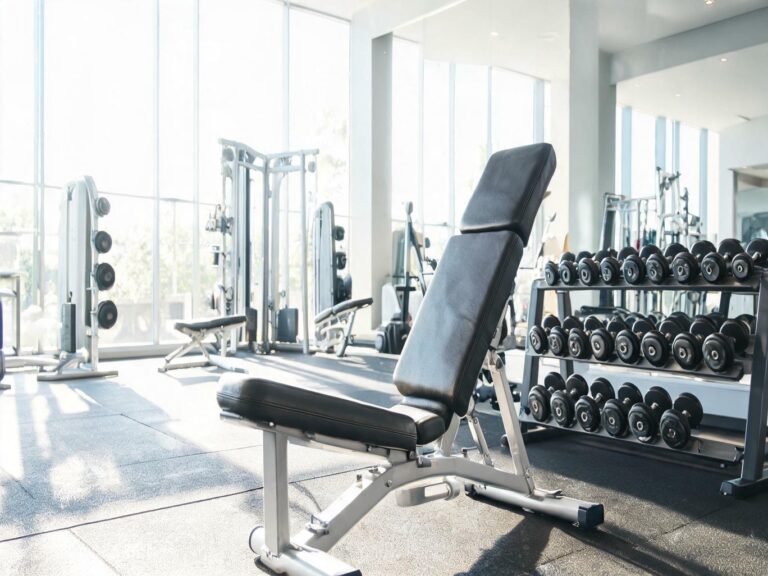
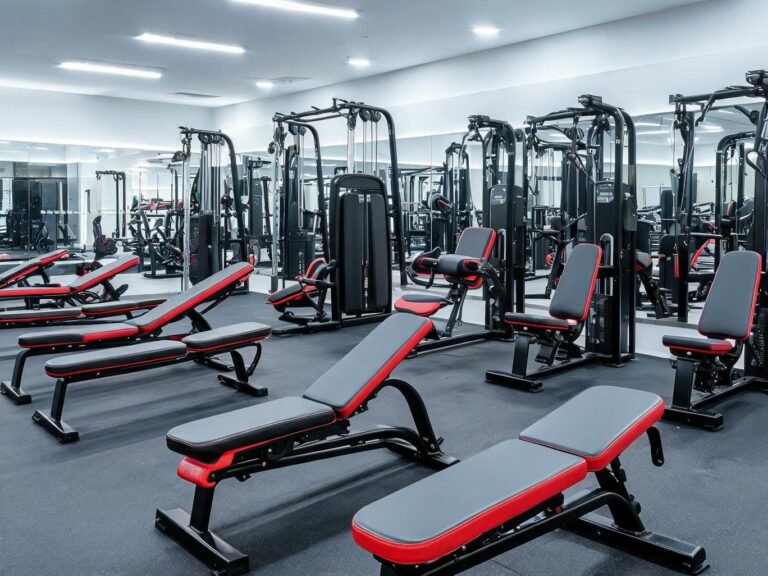
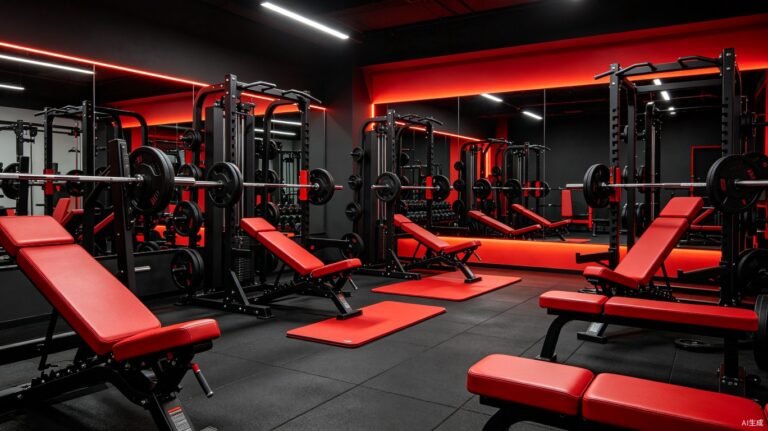
Walk into any commercial gym and look at the bench pads, the cardio machine seats, the preacher curl cushions. Chances are, you will see cracked vinyl, peeling edges, and faded color. This is not normal wear and tear. It is a material failure problem. Gym equipment padding material faces an unusually hostile combination of sweat, body oils, abrasion, bacteria, and aggressive cleaning chemicals. Most conventional upholstery materials simply were not designed for this environment. The result is rapid degradation, frequent replacement, and a poor experience for gym members.
The cost of this failure is not just the replacement fabric. It is downtime during reupholstering. It is the reputational damage of a facility that looks worn and unhygienic. It is the hidden cost of choosing the wrong gym equipment padding material in the first place. In this guide, we break down exactly what causes gym upholstery to fail, what performance benchmarks matter, and how silicone leather compares against traditional PVC and PU. We also cover the antimicrobial testing standards that actually matter for gym environments, the abrasion resistance thresholds for commercial use, and the real-world applications where the right material choice makes the difference between a two-year lifespan and a seven-year lifespan.
Request Free Material Swatches
Why Standard Vinyl and PU Fail in Gym Environments
Most gym operators default to PVC vinyl or standard PU leather for their equipment padding. These materials are inexpensive and widely available. On paper, they seem like a reasonable choice. In practice, gyms are one of the most punishing environments for any synthetic surface. Here is what goes wrong, and why it happens faster than most facility managers expect.
The failure modes for conventional gym bench pad material break down into five predictable categories:
- Sweat and salt penetration: Human sweat contains sodium chloride, lactic acid, and urea. These compounds migrate through microscopic pores in PVC and PU coatings, reaching the substrate fabric. Once inside, they corrode the adhesive bond between the coating and the backing, causing delamination and bubbling.
- Hydrolysis of PU coatings: Polyurethane is fundamentally vulnerable to moisture. In a high-humidity gym environment, the ester or ether bonds in PU break down over time. This chemical degradation manifests as cracking, stickiness, and surface powdering, often within 12 to 24 months of heavy commercial use.
- Plasticizer migration in PVC: PVC relies on added plasticizers for flexibility. These plasticizers gradually migrate to the surface and evaporate, leaving the material stiff and brittle. In gyms, the combination of heat from users and chemical exposure accelerates this process significantly.
- Bacterial colonization: The porous structure of cracked PVC and degraded PU creates ideal breeding grounds for bacteria. Sweat trapped in micro-cracks feeds microbial growth, producing odor that no amount of surface cleaning can eliminate.
- Cleaning chemical attack: Gym cleaning protocols typically involve bleach solutions, alcohol-based sprays, and commercial disinfectants. These chemicals aggressively attack the polymer chains in both PVC and PU, accelerating surface degradation with every wipe-down.
We have seen gym chains replace PVC upholstery on their weight benches every 18 to 24 months. The labor cost alone often exceeds the original material cost. In our testing with gym operators across Europe and North America, the recurring replacement cycle was consistently cited as the single largest maintenance headache in facility management. This is not a minor inconvenience. It is a structural cost problem built into the material choice.
What Gym Equipment Padding Must Withstand
Understanding why materials fail is only half the equation. The other half is understanding the specific stresses that exercise machine upholstery endures daily. A commercial gym pad is not a sofa cushion. It operates under conditions that would destroy most residential upholstery in weeks, not years.
The stress profile for any commercial gym pad cover includes the following environmental and mechanical factors:
- Continuous sweat exposure: An average gym user produces 0.8 to 1.4 liters of sweat per hour of exercise. Across a busy gym with hundreds of daily users, that is tens of liters of sweat contacting pad surfaces every single day. The material must resist salt penetration without degrading.
- Repeated impact and compression: Weight bench pads endure repeated loading from barbells and the user’s body weight. This cyclic compression can exceed 50 impacts per session on a single bench. Over months and years, this causes material fatigue, thinning, and permanent deformation.
- UV exposure from windows: Many gyms feature large glass facades for natural lighting. Ultraviolet radiation accelerates photo-oxidation in polymer coatings, causing fading, chalking, and surface embrittlement. Materials without UV stabilizers degrade rapidly in these environments.
- Aggressive cleaning chemicals: Commercial gym cleaning typically involves sodium hypochlorite (bleach), quaternary ammonium compounds, and isopropyl alcohol at concentrations that would damage most delicate surfaces. The pad material must withstand daily chemical exposure without cracking, discoloring, or losing its surface integrity.
- Constant friction: Users sliding on and off equipment, clothing rubbing against pad surfaces during exercise, and cleaning towels dragged across the material create continuous abrasive friction. This mechanical wear gradually removes surface coatings and exposes the underlying substrate.
Any material that cannot handle all five of these stress factors simultaneously will fail prematurely in a commercial gym setting. It is not enough to pass one or two tests. The material must perform across the entire stress spectrum.
Silicone Leather vs PVC vs PU for Gym Upholstery
When comparing fitness equipment fabric options for commercial gym use, the three most common synthetic leather types are PVC, PU, and silicone leather. Each has a fundamentally different chemical structure, and that structure determines how it performs under real gym conditions. The table below compares these materials across the performance criteria that matter most for gym operators.
| Performance Criteria | PVC Vinyl | PU Leather | Silicone Leather |
|---|---|---|---|
| Sweat / Salt Resistance | Moderate. Salt penetrates coating over time. | Poor. Hydrolysis from moisture. | Excellent. Silicone is inherently salt-resistant. |
| Antimicrobial Properties | None inherent. Additives degrade. | None inherent. Surface cracks harbor bacteria. | Inherent. Non-porous surface inhibits colonization. |
| Abrasion Resistance | 20,000-40,000 Martindale cycles. | 30,000-50,000 Martindale cycles. | 60,000+ Martindale cycles. |
| Chemical / Cleaning Resistance | Moderate. Degraded by alcohol and bleach. | Poor. Solvents dissolve PU coating. | Excellent. Withstands alcohol, bleach, and quats. |
| UV Resistance | Moderate. Fades within 1-2 years. | Poor. Rapid yellowing in sunlight. | Excellent. UV-stable silicone matrix. |
| Expected Lifespan (Commercial) | 1.5 – 3 years. | 1 – 2 years. | 5 – 7+ years. |
| Initial Cost per Meter | Lowest. $3 – $8/m. | Low-moderate. $5 – $12/m. | Higher. $12 – $25/m. |
| Total Cost of Ownership (5yr) | High. 2-3 replacement cycles. | Highest. 3-5 replacement cycles. | Lowest. Single installation lasts full period. |
The critical insight here is that the cheapest material per meter is almost never the cheapest material in total cost of ownership. A gym chain that reupholsters 200 benches every 18 months is spending far more on labor, downtime, and disposal than the initial material savings justify. Silicone leather costs more upfront but eliminates the replacement cycle entirely for most commercial applications. Our detailed comparison of silicone vs PU covers the chemistry behind this difference in depth.
Key Takeaway: For a commercial gym running 12+ hours daily, silicone leather delivers a 40-60% reduction in total upholstery cost over a five-year period compared to PVC, despite a 2-3x higher initial material price per meter.
Antimicrobial Performance: JIS Z 2801 and ISO 22196 Standards
Antimicrobial performance in gym environments is not a luxury feature. It is a health and safety necessity. In a shared-contact environment where hundreds of people touch the same surfaces daily, bacterial transfer is a documented concern. The question is not whether antimicrobial properties matter, but how to measure them reliably and which materials deliver genuine performance.
The two internationally recognized standards for measuring antimicrobial activity on surfaces are ISO 22196 and its Japanese predecessor JIS Z 2801. Both standards use a quantitative agar plate method to measure the reduction of specific bacteria, typically Staphylococcus aureus and Escherichia coli, on a treated surface after 24 hours of contact. The result is expressed as an antibacterial activity value, or R-value. An R-value of 2.0 or higher indicates a 99% reduction in bacteria. An R-value of 3.0 or higher indicates a 99.9% reduction.
Here is why this matters specifically for gym upholstery with antimicrobial properties. Conventional PVC and PU materials are essentially inert plastics. They provide no inherent antimicrobial action. Bacteria deposited on their surfaces survive and multiply, especially in the warm, moist micro-environment of cracked or peeling surfaces. Some manufacturers add silver-ion or zinc-pyrithione additives to PVC and PU, but these additives are embedded within the polymer matrix. As the surface degrades through abrasion and chemical exposure, the additives are depleted, and antimicrobial effectiveness drops sharply within months.
Silicone leather approaches this differently. The silicone polymer itself creates a surface that bacteria struggle to colonize. Silicone has a very low surface energy, which means bacteria cannot easily adhere to it. Combined with the non-porous, crack-resistant surface that silicone leather maintains over years of use, this creates a material that inherently resists bacterial growth without relying on leaching additives. In independent testing, gym-grade silicone leather consistently achieves R-values of 3.0 or higher against both S. aureus and E. coli, and critically, this performance does not degrade over time because it is a property of the material itself, not an additive that gets used up.
The U.S. EPA regulates antimicrobial claims for surface treatments, and materials marketed with antimicrobial properties must meet specific efficacy thresholds. For gym operators sourcing from suppliers, asking for ISO 22196 test reports is the most practical way to verify genuine antimicrobial performance rather than relying on marketing language.
Abrasion and Scratch Resistance: Martindale Testing and Beyond
If antimicrobial performance addresses the hygiene concern, abrasion resistance addresses the durability concern. And for gym upholstery, durability is arguably the make-or-break specification. A pad that cracks after six months of use is useless regardless of its other properties.
The industry standard for measuring abrasion resistance in textiles and synthetic leathers is the ASTM D4966 Martindale abrasion test. This method uses a Martindale abrasion tester to subject the material to a controlled rubbing action under a specified load. The number of cycles the material withstands before showing visible wear, thread breakage, or a specified weight loss is its Martindale rating.

Martindale abrasion resistance testing for synthetic leather samples used in commercial gym padding.
For commercial gym applications, the minimum acceptable Martindale rating depends on the specific equipment type and expected traffic:
- Heavy-use equipment (flat benches, squat pad covers, Smith machine pads): minimum 40,000 cycles
- Medium-use equipment (preacher curl pads, leg extension seats, lat pulldown pads): minimum 30,000 cycles
- Cardio equipment (treadmill side rails, elliptical handles, exercise bike seats): minimum 20,000 cycles
Standard PVC vinyl typically achieves 20,000 to 40,000 Martindale cycles. PU leather ranges from 30,000 to 50,000 cycles. Silicone leather consistently exceeds 60,000 cycles in independent testing, and some formulations reach 80,000+ cycles. This is not a marginal improvement. It is a qualitative difference that translates directly into a longer usable lifespan on the gym floor.

Scratch resistance testing ensures gym pad surfaces resist damage from equipment contact and cleaning tools.
Beyond Martindale cycles, scratch resistance is another important metric for gym padding. Users frequently slide weight plates across bench surfaces, drag gym bags over pads, and use abrasive cleaning tools. Silicone leather’s scratch resistance stems from the inherent toughness of the silicone polymer matrix, which resists surface marring far better than the softer PVC and PU coatings. In our own testing, silicone leather samples showed no visible scratch marks at loads where PU samples already showed surface grooving.
Real-World Gym Applications for Silicone Leather Upholstery
The performance data is compelling, but it is in real-world deployment that silicone leather truly proves its value for sports and fitness applications. Below is a breakdown of how silicone leather performs across the most common gym equipment categories.

Silicone leather upholstery on sports and fitness equipment delivers long-term performance in demanding commercial environments.
Weight Benches and Strength Equipment. This is arguably the most demanding application. Flat benches, incline benches, and decline benches endure high body weight loads, constant friction from clothing, and heavy sweat exposure. One of our clients, a European gym chain with over 120 locations, replaced PVC bench pads with silicone leather across 3,000 benches. After three years, the failure rate dropped from 12% annually to under 1%, and the company eliminated mid-cycle pad replacements entirely. We covered this gym upholstery material transition in detail in a previous article.
Cardio Machines. Treadmill hoods, elliptical armrests, and exercise bike seats face a different stress profile: less impact loading but more hand contact, more UV exposure near windows, and more frequent cleaning between users. Silicone leather’s resistance to alcohol-based wipes makes it particularly well-suited for cardio zones where wipe-down protocols between every user are standard practice.
Exercise Mats and Yoga Pads. While not upholstered in the traditional sense, exercise mats face similar challenges: sweat, bacteria, cleaning chemicals, and rolling/folding stress. Silicone-based yoga mat materials are already gaining traction in the premium segment for their grip, hygiene, and durability advantages.
Weight Racks and Uprights. Padding on squat racks, power racks, and Smith machines often gets overlooked during upholstery upgrades. Yet these pads receive heavy impact from bars being racked, constant shoulder contact, and significant sweat exposure. Silicone leather’s impact resistance and non-slip surface make it an effective upgrade for this often-neglected category.
Selectorized Machines and Cable Equipment. The pads on leg presses, chest presses, cable crossover stations, and similar selectorized machines are smaller in surface area but numerous in quantity. A single gym may have 40 to 60 individual pads across its selectorized equipment. Silicone leather is available in a wide range of colors and textures, allowing gym operators to match their brand identity without sacrificing performance.
See how TOPSUN silicone leather performs in sports and fitness applications, from weight benches to exercise equipment.
Color, Texture, and Customization Options for Gym Environments
Performance is the primary consideration, but aesthetics matter too. Gym operators invest heavily in facility branding, and the upholstery color and texture are visible components of that brand identity. Silicone leather offers significant advantages in this area as well, with a breadth of customization that surpasses most conventional gym padding materials.

Silicone leather is available in a wide range of colors and textures, allowing gym brands to maintain visual identity.
Most gym pad materials are offered in a limited palette of black, dark gray, and occasionally red. Silicone leather, by contrast, is available in hundreds of colors and can be custom color-matched to a specific Pantone reference. Texture options include lychee grain, silk texture, matte, and embossed patterns. This flexibility allows gym operators to differentiate their facility visually while maintaining consistent material performance.
The color retention of silicone leather is another practical advantage. Because the silicone polymer matrix is UV-stable and does not rely on surface dyes that can fade, silicone leather resists both staining and fading far better than PVC or PU. In gyms with extensive natural lighting, this means the upholstery maintains its original appearance for years rather than developing a washed-out, tired look that signals aging equipment to members.
Frequently Asked Questions
How often should gym equipment padding be replaced?
With PVC or PU, most commercial gyms need pad replacement every 18 to 36 months depending on traffic volume and cleaning intensity. With silicone leather, the typical replacement cycle extends to 5 to 7+ years. In our experience working with gym chains, facilities that switch to silicone leather report a 70-80% reduction in upholstery-related maintenance events.
What cleaning protocols work best with silicone leather gym pads?
Silicone leather tolerates the full range of commercial gym cleaning chemicals, including bleach solutions (up to 10% sodium hypochlorite), isopropyl alcohol (70%+), and quaternary ammonium disinfectants. A simple wipe-down with any standard gym disinfectant is sufficient. No special cleaners, conditioners, or protectants are needed, which simplifies staff training and reduces cleaning supply costs.
Can I get custom colors to match my gym brand?
Yes. Silicone leather supports custom color matching to Pantone references and custom texture development. Minimum order quantities apply, but for commercial gym chains ordering for multiple locations, the MOQ is typically achievable in a single order. TOPSUN offers free sample swatches so you can evaluate color and texture before committing to a production run.
Is silicone leather safe for skin contact during exercise?
Absolutely. Silicone is biocompatible, hypoallergenic, and free of phthalates, formaldehyde, and heavy metals. It is widely used in medical devices and baby products where skin safety is paramount. For gym users with sensitive skin or latex allergies, silicone leather provides a safe, non-irritating surface for prolonged body contact.
The Bottom Line for Gym Operators
Choosing the right gym equipment padding material is not a one-time purchasing decision. It is a multi-year cost commitment that affects your maintenance budget, your member experience, and your facility’s visual brand. PVC and PU offer low upfront prices, but they come with hidden costs in frequent replacement, labor downtime, and member dissatisfaction when pads look worn, cracked, or unhygienic.
Silicone leather represents a fundamentally different approach. Its silicone-polymer chemistry provides inherent sweat resistance, antimicrobial properties, chemical tolerance, and UV stability that PVC and PU cannot match through additives or coatings. The result is a material that lasts three to four times longer in commercial gym environments, while maintaining its appearance and hygiene properties throughout its service life.
For gym operators evaluating their next upholstery upgrade, the math is straightforward: the higher initial investment in silicone leather is recovered within the first replacement cycle that you eliminate. After that, every additional year of service is pure savings. Add the reduced maintenance burden, improved member perception, and enhanced hygiene, and silicone leather becomes the clear long-term choice for any serious commercial fitness facility.
Get Free Gym Pad Material Samples
About TOPSUN
TOPSUN is a leading manufacturer of organic silicone leather, specializing in customized upholstery solutions for commercial fitness, automotive, marine, medical, and hospitality applications. With in-house coating lines, an ISO-certified quality laboratory, and OEM/ODM capabilities, we produce materials engineered for the specific demands of high-traffic, high-hygiene environments.
Certifications: REACH compliant, RoHS certified, FDA food-contact safe, ISO 9001 quality management. Antimicrobial testing to ISO 22196 / JIS Z 2801 standards available on request.