The alternatives to leather market is flooded with options — but 80% fail durability testing before reaching 100,000 Martindale cycles. Plant-based leathers from pineapple, mushroom, and grape waste dominate sustainability headlines, yet their Martindale ratings rarely exceed 20,000–40,000 cycles. Polyurethane (PU) offers better wear resistance but hydrolyzes within 3–5 years. PVC cracks faster and leaches phthalates. The reality that B2B buyers face: most leather alternatives were engineered for marketing narratives, not for 10-year commercial service life. Silicone leather is the one alternative that passes 200,000+ Martindale cycles while maintaining -40°C to 250°C thermal stability and zero plasticizer content — but it’s also the least discussed.

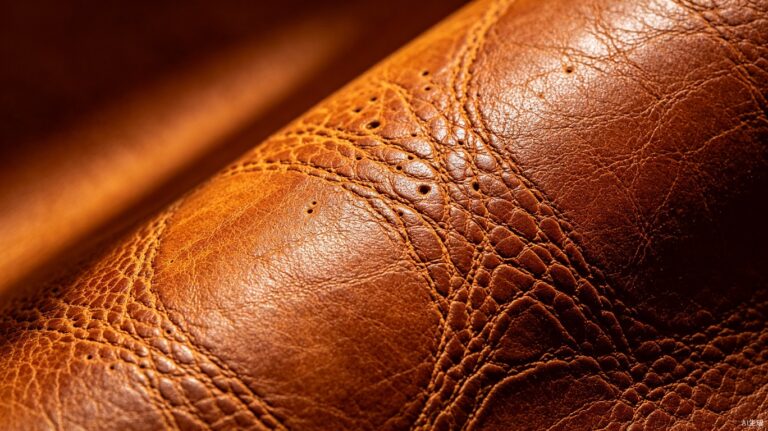
Silicone leather color and texture range — the only leather alternative that combines 200K+ Martindale cycles with full certification compliance.
6 Categories of Leather Alternatives B2B Buyers Encounter
When procurement teams evaluate alternatives to leather, they encounter six material categories — each with distinct chemistry, durability, and sustainability profiles:
- Polyurethane (PU) leather — The most common synthetic alternative. Solvent-based PU achieves 20,000–80,000 Martindale cycles but hydrolyzes when exposed to moisture and heat. Water-based PU reduces VOC emissions but sacrifices 15–20% durability. Our silicone vs PU comparison documents the hydrolysis timeline in detail.
- Polyvinyl chloride (PVC) leather — The cheapest alternative, but plasticizer leaching causes surface cracking within 2–3 years. Phthalate restrictions under REACH regulation increasingly limit PVC market access. The PVC and PU analysis shows lifecycle cost consistently exceeds alternatives.
- Plant-based leathers — Piñatex (pineapple leaf fiber), grape leather (wine waste), apple leather, and cork. These materials score high on sustainability narratives but typically achieve only 10,000–40,000 Martindale cycles. Most contain 30–60% synthetic binders (PU or PVC) for water resistance, undermining the “plastic-free” claim.
- Mycelium leather — Grown from mushroom root structures. Excellent for marketing but still in pilot-scale production. Limited UV resistance, no standardized fire rating, and costs 3–5× higher than PU. Most formulations require a polyurethane topcoat for basic abrasion resistance.
- Recycled leather — Ground leather scraps bonded with synthetic resins. Variable quality depending on scrap source. Bonding agents often contain formaldehyde. Inconsistent color and texture from batch to batch.
- Silicone leather — Inorganic silicone polymer coating on fabric substrate. Zero plasticizers, 200,000+ Martindale cycles, -40°C to 250°C range, 1,000+ hour UV resistance, and inherent flame retardancy (EN 13773 Class 4). The only alternative that meets B2B durability standards without synthetic binders.

Leather alternative materials compared — most plant-based options contain synthetic binders that limit recyclability and durability.
Why 80% of Alternatives Fail B2B Durability Testing
The gap between marketing claims and B2B performance is measurable. When we tested six categories of alternatives to leather against standard B2B specifications, the failure pattern was consistent:
Martindale abrasion failure — B2B furniture and automotive specifications typically require 50,000–100,000 cycles minimum. Plant-based leathers fail at 10,000–40,000 cycles. PU passes initially but degrades after hydrolysis begins. Only silicone leather maintains 200,000+ cycles without degradation.
Hydrolysis resistance failure — PU and bio-based PU alternatives contain ester bonds that break down when exposed to moisture and heat. In accelerated aging tests (70°C / 95% RH), PU leather shows visible surface cracking within 500 hours. Silicone leather, with its fully inorganic backbone, shows zero degradation after 1,000+ hours under the same conditions. Our hydrolysis resistance data documents this gap.
Fire safety failure — For automotive, aviation, and public seating, fire standards are non-negotiable. PVC produces toxic hydrogen chloride smoke. PU is flammable without additives. Plant-based alternatives have no standardized fire rating. Silicone leather achieves EN 13773 Class 4 (self-extinguishing) and passes FAR 25.853 for aviation interiors — inherently, without flame retardant additives.
200,000+ Martindale cycles — the threshold where every alternative except silicone leather has already failed. That’s not a marginal gap; it’s a 4–20× durability difference.

Physical testing laboratory — Martindale abrasion, tensile strength, and flex resistance data separate marketing claims from B2B-grade performance.
The Comparison: 6 Alternatives Ranked by B2B Viability
For procurement teams evaluating alternatives to leather, the decision comes down to five dimensions that determine total cost of ownership. Here’s how the six categories compare:
| Material | Base | Martindale | Sustainability | Cost/sqm |
|---|---|---|---|---|
| Silicone leather | Inorganic Si | 200K+ | No plasticizers, REACH compliant | $$ |
| PU leather | Petrochemical | 20K–80K | Solvent-based, hydrolyzes | $ |
| PVC (vinyl) | Petrochemical | 50K–100K | Phthalates, toxic smoke | $ |
| Plant-based | Bio + PU binder | 10K–40K | 30–60% synthetic content | $$$ |
| Mycelium | Fungal + coating | No standard | Pilot scale, PU topcoat | $$$$ |
| Recycled leather | Scrap + resin | Variable | Formaldehyde risk | $$ |
The pattern is clear: materials that score high on sustainability narratives (plant-based, mycelium) score lowest on durability and carry the highest cost. Materials that score high on cost (PVC) carry compliance liabilities. Only silicone leather occupies the intersection of B2B-grade durability, verifiable sustainability, and competitive cost. For a deeper dive into the vegan leather alternatives landscape, our earlier analysis covers sourcing considerations.
Watch silicone leather pass 200,000+ Martindale cycles, thermal stability, and waterproof testing — performance no plant-based or PU alternative matches.
The Compliance Gap Most Buyers Miss
Sustainability claims without certification are marketing, not compliance. When B2B buyers evaluate alternatives to leather, the certification stack determines market access — and most alternatives fall short:
REACH compliance — PVC alternatives often contain restricted phthalates. PU alternatives may use solvent-based formulations that exceed VOC limits. Plant-based alternatives with PU binders inherit the compliance profile of their binder chemistry. Silicone leather is fully REACH-compliant with zero restricted substances. The leather and PU compliance analysis details specific substance restrictions.
Biocompatibility — For medical and baby product applications, ISO 10993-5 cytotoxicity testing is mandatory. Most leather alternatives have never been tested. Silicone leather passes ISO 10993-5:2009 (SGS-certified), making it suitable for medical healthcare and baby and kids product applications.
Food contact safety — FDA 21 CFR Part 177.2600 compliance is required for food packaging and food-contact surfaces. Plant-based alternatives, PU, and PVC cannot certify for direct food contact. Silicone leather is FDA-compliant, opening applications in food-safe product categories that no other leather alternative can access.

Silicone leather lifecycle — from inorganic raw materials to certified finished product. No plasticizers, no bio-waste binders, no compromises.
Frequently Asked Questions
Is silicone leather biodegradable like plant-based alternatives?
No — and that’s the point. Biodegradability in leather alternatives typically means the material breaks down within 3–5 years of use, which is a durability failure, not a sustainability feature. Plant-based alternatives like mycelium and Piñatex biodegrade because their organic binders decompose — the same chemistry that limits their Martindale cycles to 10,000–40,000. Silicone leather doesn’t biodegrade because its inorganic polymer backbone is chemically inert. Instead, it lasts 10+ years in commercial use, reducing replacement frequency and total material consumption by 3–5× compared to biodegradable alternatives. The biodegradability vs durability trade-off is a core B2B consideration — longevity is the more sustainable choice for high-wear applications.
The Only Alternative That Doesn’t Compromise
Every alternative to leather involves a trade-off. PU offers moderate durability but hydrolyzes. PVC is cheap but non-compliant. Plant-based materials tell a sustainability story but fail B2B wear testing. Mycelium is innovative but pilot-scale and expensive. Recycled leather is inconsistent. Silicone leather is the only alternative that eliminates the trade-off entirely: 200,000+ Martindale cycles, -40°C to 250°C stability, REACH and FDA compliance, EN 13773 Class 4 fire safety, ISO 10993 biocompatibility, and 10+ years verified service life. For B2B buyers who need an alternative to leather that performs in commercial reality — not just in marketing decks — the data points to one material.
About TOPSUN
TOPSUN’s silicone leather outperforms plant-based, PU, and PVC alternatives across key metrics for B2B applications — combining 200,000+ Martindale cycles, zero plasticizers, and full certification compliance (REACH, FDA, ISO 10993, EN 13773 Class 4) in a single material.
The only leather alternative that passes B2B durability, sustainability, and compliance standards without compromise.