“Genuine leather” sounds like a quality guarantee. It isn’t. In the leather grading hierarchy, “genuine leather” is the third-tier grade — below full-grain and top-grain — representing the split corium layer that requires heavy pigment coating and embossing to look presentable. A B2B buyer who specifies “genuine leather goods” on a purchase order may be ordering the lowest grade of animal hide available, at premium pricing, because the terminology implies quality that the grade doesn’t deliver.
This article decodes the leather grading system that suppliers don’t explain, quantifies the hidden costs of genuine leather goods supply chains, and examines why global brands are quietly transitioning to synthetic alternatives that match genuine leather’s durability without its chemical, ethical, and supply chain complications.
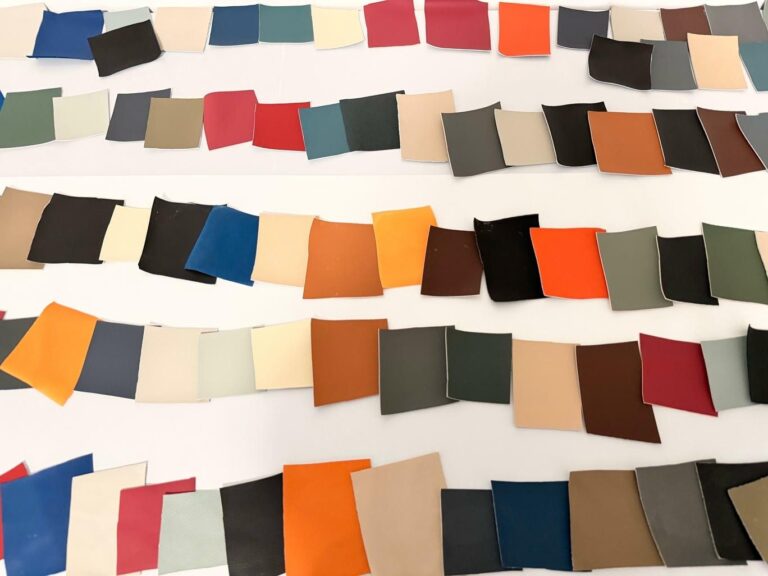
Request Leather Goods Material Samples

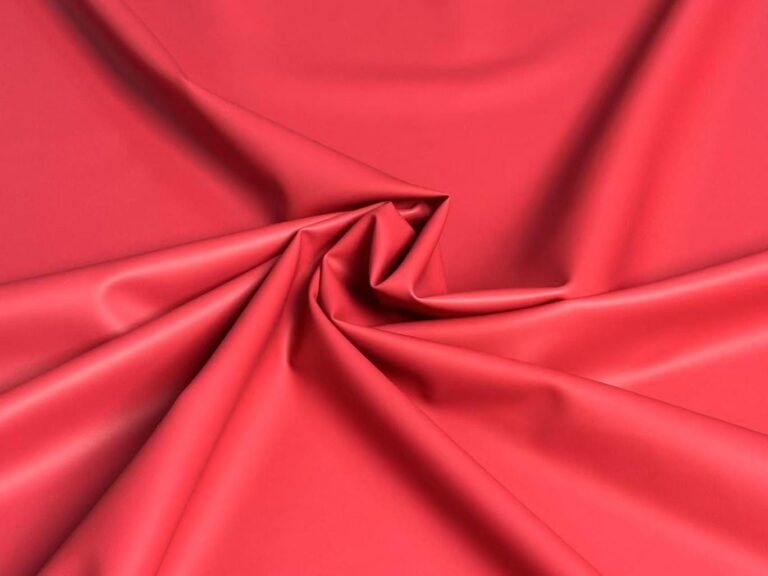
Genuine leather texture — the split corium layer that the “genuine” grade actually refers to
The Leather Grading Hierarchy: What Each Tier Actually Means
Leather grades are determined by which layer of the hide is used and how much processing is applied. A single cowhide yields multiple grades — the outermost layer commands the highest price, and each subsequent layer requires more processing to compensate for lower quality.
| Grade | Hide Layer | Processing | Typical Lifespan | B2B Price/m |
|---|---|---|---|---|
| Full-grain | Outermost (top) | Minimal — no sanding | 15–20+ years | $25–50+ |
| Top-grain | Outer (sanded) | Sanded + pigment coating | 10–15 years | $15–30 |
| Genuine (split) | Inner corium | Heavy coating + embossing | 5–8 years | $8–18 |
| Bonded/reconstituted | Fibers + latex | Ground, mixed, extruded | 2–4 years | $3–8 |
The critical insight: “genuine leather” on a B2B specification doesn’t mean “real leather” in the quality sense — it means “the split layer that’s been processed to look like better leather.” When a supplier offers “genuine leather goods” at an attractive price, they’re likely selling split-grade hides with heavy pigment coatings that will crack, peel, and fade faster than premium grades or well-engineered synthetic alternatives. For a deeper comparison, see our analysis of real vs faux leather differences and microfiber leather vs genuine leather.
The grading trap: A PO that specifies “genuine leather” without stating the grade (full-grain, top-grain, or split) gives the supplier discretion to deliver split-grade leather at whatever price point maximizes their margin. Always specify the exact grade — not the generic term “genuine.”
The Hidden Supply Chain Costs of Genuine Leather Goods
The B2B price per meter tells only part of the story. Genuine leather carries supply chain costs and risks that synthetic materials don’t — and these costs compound at scale. Here’s what procurement teams should be calculating beyond the per-meter price:
• Hide variation: Every cowhide is different — thickness varies by 0.2–0.5mm across a single hide, grain density changes by body region, and natural defects (scars, insect bites, brand marks) reduce usable yield to 60–80% per hide. This means 20–40% of purchased material may be waste or require downgrading to lower-tier products. Synthetic leather rolls are consistent from edge to edge — 95%+ usable yield.
• Tanning chemical compliance: Chrome tanning (used for ~80% of genuine leather goods) introduces chromium III, which can oxidize to chromium VI — a restricted substance under REACH Annex XVII (limit: 3 mg/kg in leather). Vegetable tanning avoids chromium but produces stiffer leather with shorter lifespan. Either way, chemical compliance testing adds $200–500 per batch. See our analysis of leather supplier red flags for more.
• Supply chain length: The genuine leather supply chain runs from farm → abattoir → hide trader → tannery → finishing → coater → goods manufacturer — seven links minimum. Each link adds cost, lead time, and traceability risk. Synthetic leather supply chains run from chemical plant → coating line → goods manufacturer — three links. For a comparison of supply chain resilience, see our premium leather product specifications guide.
• Animal welfare and ESG reporting: Global brands face increasing investor and regulatory pressure to disclose animal-derived material sourcing. The EU’s Corporate Sustainability Reporting Directive (CSRD) requires traceability of animal-derived materials. Genuine leather goods brands must document farm-level welfare standards — or accept ESG reporting gaps that investors and retailers increasingly penalize.

Genuine leather furniture — the aesthetic that brands want, without the supply chain and chemical complications
The Brand Transition: Why Global Companies Are Moving Away from Genuine Leather
In 2026, the transition away from genuine leather isn’t driven by ideology — it’s driven by margin pressure, regulatory exposure, and material science advancement. The global leather goods market, valued at $593.8 million in 2025 with 7.2% CAGR, still shows genuine leather at 89.4% market share. But the synthetic leather market (pleather) is growing faster — $17.2 billion in 2025, projected $28.5 billion by 2034 at 7.5% CAGR — as brands find synthetic materials that match genuine leather’s performance without its complications.
Three forces are accelerating this transition:
• Cost volatility: Genuine leather prices are tied to beef markets, tanning capacity, and hide availability. Synthetic leather prices are tied to petrochemical indices and manufacturing capacity — more predictable, more scalable, and less exposed to agricultural supply shocks.
• Chemical regulation: REACH, Proposition 65, and increasingly stringent chemical management policies across the EU, US, and China are tightening restrictions on tanning chemicals. Chromium VI, formaldehyde, and azo dyes — all standard in genuine leather processing — face lowering thresholds. Brands bear the compliance risk if their tannery suppliers don’t manage chemical inputs correctly.
• Material performance convergence: The traditional argument for genuine leather was durability — synthetics couldn’t match it. That gap is closing. Silicone leather achieves 200,000+ Martindale abrasion cycles (comparable to full-grain leather), 10+ year service life (vs. 5–8 years for split “genuine” grade), and inherent UV stability that genuine leather’s topcoats can only approximate with regular reconditioning. See our leather vs silicone cost-lifespan comparison for data.

Full-grain, top-grain, and genuine leather applications — the grade determines performance and price
Silicone Leather: Matching Genuine Leather’s Durability Without the Downsides
For B2B brands weighing genuine leather against synthetic alternatives, silicone leather offers a third path — one that matches genuine leather’s premium performance characteristics while eliminating its supply chain, chemical, and ethical complications:
| Attribute | Full-Grain Leather | Genuine (Split) Leather | Silicone Leather |
|---|---|---|---|
| Martindale abrasion | 30,000–80,000 | 15,000–30,000 | 200,000+ |
| Service life | 15–20+ years | 5–8 years | 10+ years |
| Chemical treatment required | Chrome/veg tanning | Heavy chrome + pigment | None |
| Restricted substance risk | Chromium VI, formaldehyde | High (heavy chemical load) | Zero |
| Supply chain links | 7+ | 7+ | 3 |
| Batch consistency | Low (natural variation) | Low–Moderate | High (ΔE ≤ 1.0) |
| Animal welfare exposure | High | High | None |
The comparison is striking: silicone leather outperforms both full-grain and split genuine leather in abrasion resistance, eliminates restricted substance risk entirely, and offers a shorter, more transparent supply chain. The only area where genuine leather retains an advantage is perceived luxury value — and for brands where the patina of genuine leather is a core brand attribute, that’s a legitimate reason to stay. For brands where durability, consistency, and compliance are the priority, the case for transition is compelling. See our silicone leather introduction for the full material profile.
Luxury-grade silicone leather — the premium appearance of genuine leather without the supply chain risk
FAQ: Genuine Leather Goods
Is genuine leather better than synthetic leather?
It depends on the grade. Full-grain leather outperforms most synthetic leather in aesthetics and develops a patina that synthetics can’t replicate. But “genuine leather” (split grade) is often inferior to high-quality silicone leather in durability, abrasion resistance, and color stability — while costing more and carrying chemical compliance risk. The comparison should be between specific grades and specific synthetic materials, not the generic categories.
How long do genuine leather goods last?
Full-grain leather goods can last 15–20+ years with proper maintenance. Top-grain lasts 10–15 years. Genuine (split) leather lasts 5–8 years — and the heavy pigment coating that makes split leather look presentable will crack and peel before the leather itself fails. Silicone leather offers 10+ years without any maintenance requirement, making it competitive with top-grain leather at a lower price point and without chemical compliance exposure. For furniture-specific durability data, see our leather furniture quality specs.
Specify the Grade — Not the Label
The B2B sourcing lesson is simple: “genuine leather” is a grade, not a quality guarantee. Specify the exact grade — full-grain, top-grain, or split — on your purchase order, and require grade verification with each batch. For brands where genuine leather’s supply chain complexity, chemical compliance risk, and batch inconsistency create more cost than value, silicone leather offers a premium alternative that matches or exceeds full-grain leather’s performance specifications while eliminating the complications that make genuine leather goods sourcing increasingly difficult. For more on what leather is actually made of, see our analysis of leather composition and leather quality specifications.
Get Premium Leather Alternative Samples
About TOPSUN
TOPSUN manufactures silicone leather that matches full-grain genuine leather’s durability and premium appearance while eliminating the chemical compliance risk, supply chain complexity, and batch inconsistency inherent to genuine leather goods sourcing — for B2B brands across automotive, furniture, fashion, and accessories seeking premium material performance without animal-derived supply chains.
200,000+ Martindale · 10+ year lifespan · Zero restricted substances · Vegan certified · ΔE ≤ 1.0 batch consistency · 3-link supply chain · ISO 10993 · REACH · FDA · 500,000+ m monthly capacity