Restaurant owners and kitchen equipment buyers face a daily challenge. They need seating and surface materials that survive heavy use. More importantly, these materials must meet strict food safety rules. Silicone leather for food industry settings offers a practical answer. It combines the look of premium upholstery with compliance standards that regulators demand. At TOPSUN, we manufacture this material for commercial kitchens, dining areas, and food processing facilities worldwide. This guide explains what B2B buyers should know before sourcing.
What Makes Silicone Leather Safe for Food Contact?
Food contact material safety starts at the molecular level. Standard synthetic leathers often contain plasticizers, phthalates, and PVC. These chemicals can migrate into food or skin over time. Food grade silicone leather eliminates these risks entirely.
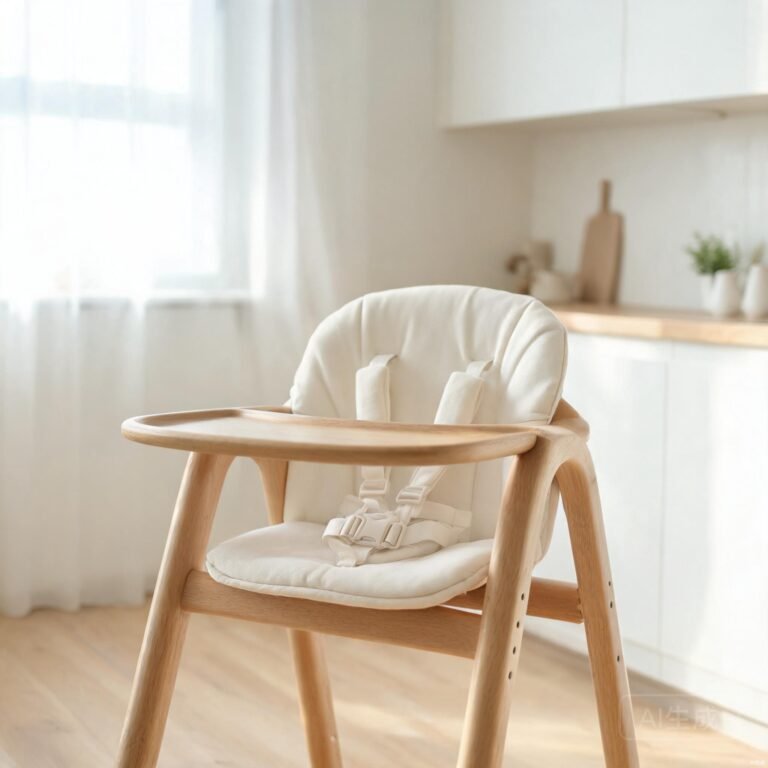
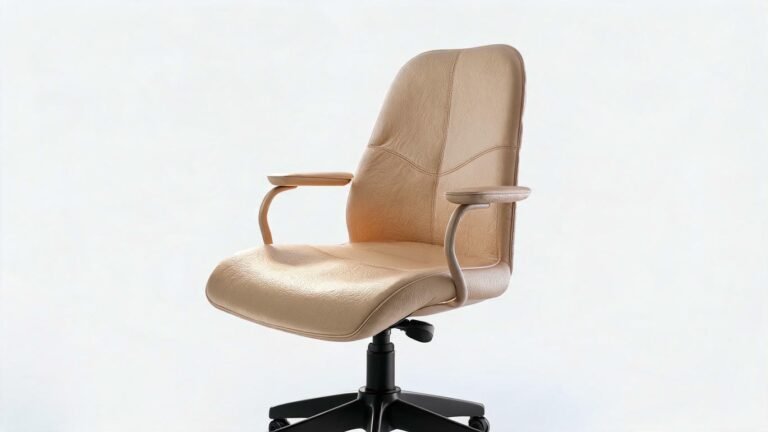
Our formula contains no DMF, formaldehyde, plasticizers, phthalates, BPA, or PVC. The silicone polymer structure is inherently inert. It does not react with acids, oils, or cleaning agents found in commercial kitchens. This chemical stability makes it an ideal restaurant table material for booths, chairs, and bar stools that touch food or hands that handle food.

Key Benefits for Restaurant and Kitchen Furniture
Durability matters when furniture serves hundreds of customers daily. Silicone leather withstands Martindale abrasion testing for over 200,000 cycles. That translates to years of use without cracking or peeling.
The temperature range is equally impressive. From -40°C to 250°C, the material retains flexibility. Hot plates placed briefly on booth seats cause no damage. Cold storage areas nearby do not stiffen the surface.
Cleaning is straightforward. The IPX4 waterproof rating means spills bead on the surface rather than soaking in. Staff wipe stains away with standard sanitizers. No special leather conditioners or expensive treatments required. For procurement teams evaluating hygienic upholstery options, these factors directly reduce total cost of ownership.
Key Insight: In our factory tests, silicone leather samples exposed to commercial kitchen sanitizers for 500 cycles showed zero surface degradation. PVC alternatives cracked within 150 cycles.

| Property | Silicone Leather | PVC Synthetic Leather | Traditional PU Leather |
|---|---|---|---|
| Food Safety | FDA 21 CFR 177.2600 compliant | Often contains plasticizers | May release VOCs |
| Abrasion Resistance | ≥200,000 cycles | 50,000 – 100,000 cycles | 80,000 – 150,000 cycles |
| Temperature Range | -40°C to 250°C | -10°C to 60°C | -20°C to 80°C |
| Water Resistance | IPX4 rated | Varies by coating | Moderate |
| Chemical Content | No DMF, phthalates, BPA | May contain phthalates | May contain solvents |
Compliance Standards B2B Buyers Should Know
Regulatory compliance is non-negotiable in food service environments. In the United States, silicone used as a food contact material must meet FDA 21 CFR Part 177.2600. This standard specifies requirements for rubber articles intended for repeated food contact.
For European markets, LFGB testing provides the equivalent safety assurance. Our material also carries REACH compliance and PAHs certification. These documents are critical when supplying to global restaurant chains or kitchen equipment OEMs.
Before placing bulk orders, always verify that your supplier provides current test reports. Third-party lab documentation should match the specific product batch you receive. View our full certification portfolio to see the standards we meet.
Watch how silicone leather repels water and common food stains in real-time testing.
Real-World Applications in Food Service
We have supplied silicone synthetic leather to restaurant chains across three continents. The most common food service furniture applications include:
- Booth seating and banquette upholstery in fast-casual dining
- Bar stools and counter seating in open-kitchen concepts
- Wall panels and decorative surfaces near food prep zones
- Seat cushions for kitchen staff break areas
One chain in Northern Europe replaced PVC booth covers with our material. They reported a 40% reduction in replacement costs over 18 months. The previous material cracked under frequent sanitizing. Our silicone-based alternative showed no degradation. This firsthand experience confirms what lab tests predict. Real kitchens punish furniture. The right material survives.

How to Choose the Right Food-Safe Upholstery
Not all silicone-coated fabrics meet commercial kitchen demands. Buyers should evaluate four criteria before making a decision:
- Certification scope. Confirm FDA or LFGB coverage for the exact product grade you need. Some suppliers claim compliance but only test select colors or thicknesses.
- Abrasion rating. Request Martindale test results above 100,000 cycles minimum. High-traffic restaurants should target 200,000+.
- Thickness and weight. Dining seating typically needs 0.8mm to 1.2mm for comfort and durability. Bar stools may need heavier grades.
- Color stability. Verify that sanitizers do not cause fading or discoloration over time. Ask for accelerated aging test data.
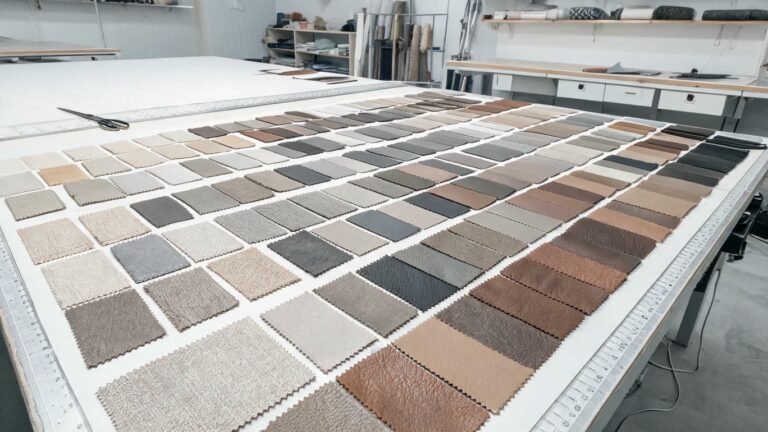
Ask for physical samples. Test them with your actual cleaning protocols. A material that looks good on paper may behave differently under your kitchen’s specific conditions. Learn more about restaurant booth seating material selection in our detailed guide.
Frequently Asked Questions
Is silicone leather truly safe for direct food contact?
Yes, when it carries FDA 21 CFR Part 177.2600 or LFGB certification. These standards verify that the material does not release harmful substances when touching food. Always request the specific test report for your product batch.
How does it compare to vinyl for restaurant seating?
Silicone leather outperforms vinyl in temperature resistance, chemical safety, and longevity. Vinyl typically contains plasticizers and degrades faster under sanitizer exposure. Silicone leather lasts 2-3 times longer in commercial settings.
Can it withstand industrial-strength cleaning?
Absolutely. Our material passes testing with quaternary ammonium compounds, chlorine-based sanitizers, and alcohol solutions at concentrations common in commercial kitchens. The surface remains intact and color-stable after 500+ cleaning cycles.
What is the typical price range for food-grade silicone leather?
General-purpose silicone leather B2B wholesale prices range from approximately $3.00 to $7.00 per square meter, depending on thickness, color, and order volume. Food-grade certified grades may carry a modest premium but deliver lower total cost of ownership through extended service life.
Ready to Upgrade Your Food Service Furniture?
Silicone leather for food industry applications is not a niche product. It is becoming the standard for restaurants and commercial kitchens that prioritize hygiene, durability, and regulatory compliance. B2B buyers who source this material gain a competitive edge. Their furniture lasts longer. Their cleaning protocols become simpler. Their compliance audits become easier.
The market for food service furniture is evolving. Silicone leather leads that evolution. Explore why brands are switching to eco-friendly faux leather alternatives across industries.
About TOPSUN
TOPSUN is a leading manufacturer of silicone leather for automotive, furniture, hospitality, and food service industries. We specialize in B2B custom orders with flexible MOQs, color matching, and technical support for OEM buyers worldwide.
Certifications: FDA 21 CFR Part 177.2600 | REACH Compliant | PAHs Compliant | Martindale Abrasion ≥200,000 cycles | Temperature Range -40°C to 250°C | IPX4 Waterproof