PU cloth material dominates the global synthetic leather market — and for good reason. It’s affordable, versatile, and available in thousands of textures and colors. But procurement teams who specify it without understanding its manufacturing variants, performance ceilings, and compliance limitations often pay the price in warranty claims, customer complaints, and premature replacement costs.
The global synthetic leather market, where PU cloth material holds the largest share, continues growing as brands transition away from animal leather. But not all PU is created equal. The gap between solvent-based and water-based PU, the variability in base fabric quality, and the growing regulatory pressure on chemical emissions all determine whether your material choice succeeds or fails in the field.
Request Material Comparison Samples
What Is PU Cloth Material? Composition and Manufacturing
PU cloth material is a synthetic leather made by applying a polyurethane coating to a fabric substrate — typically polyester, cotton, or a blended textile. The polyurethane layer provides the leather-like appearance, touch, and surface properties, while the base fabric delivers structural strength and flexibility. Unlike PVC leather, which uses plasticizers to achieve flexibility, PU relies on the polyurethane polymer’s inherent softness.
The manufacturing process for PU cloth material follows two main paths. In solvent-based production, polyurethane is dissolved in dimethylformamide (DMF) and other organic solvents, coated onto release paper or directly onto fabric, then dried in heated ovens where the solvent evaporates. In water-based production, polyurethane is dispersed in water instead of organic solvents — a cleaner but technically more demanding process that produces material with different performance characteristics.

Coating production line for PU cloth material manufacturing
The pu cloth material manufacturing process determines three critical outcomes: chemical safety profile (residual solvents and VOC emissions), mechanical performance (adhesion strength, flexibility, tear resistance), and environmental compliance status. A supplier’s process choice — solvent-based versus water-based — should be your first evaluation question, not your last.
PU Cloth Material: Performance Criteria Under Test
When we test PU cloth material alongside silicone vs PU alternatives on the same equipment, the performance gaps become immediately visible. PU cloth material typically achieves 30,000-80,000 Martindale abrasion cycles — adequate for residential furniture but marginal for commercial high-traffic applications. Silicone leather, by comparison, exceeds 200,000 cycles on the same test.

Flexibility and bending test equipment evaluating PU cloth material performance
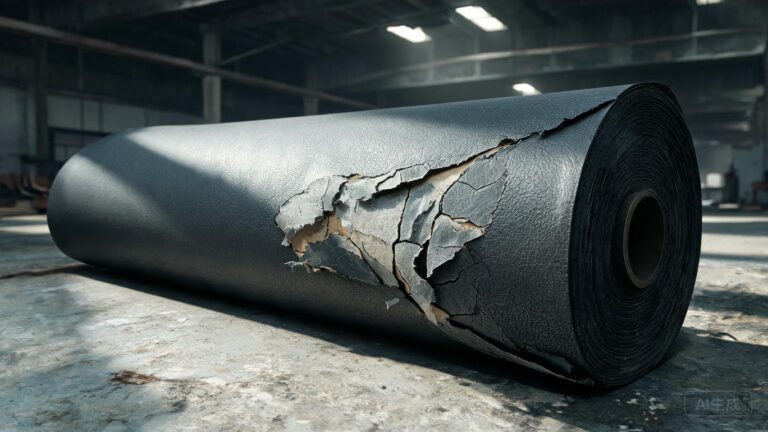
The pu cloth material properties and performance profile reveals several structural weaknesses. Hydrolysis resistance is the most critical: PU’s molecular chains break down in humid conditions within 2-3 years, causing surface cracking and peeling. UV resistance is similarly limited — discoloration and embrittlement begin after 300-500 hours of xenon arc exposure. Temperature tolerance spans -20°C to 80°C, narrower than many industrial applications require.
Test data insight: In our facility’s comparison testing, standard PU cloth material showed visible surface degradation after 72 hours of accelerated hydrolysis testing (70°C, 95% RH). Silicone leather passed 1,000+ hours under identical conditions with no measurable change.
Solvent-Based vs Water-Based PU: The Manufacturing Divide
The water-based pu leather vs solvent-based distinction affects everything from VOC emissions to end-product performance. Solvent-based PU typically delivers superior surface finish, better adhesion to base fabrics, and a wider processing window — but it releases DMF during production. DMF is classified as a reproductive toxin under EU REACH regulations and faces increasing restriction globally.

Water-based PU production line representing the cleaner manufacturing alternative
Water-based PU eliminates DMF from the production process, reducing VOC emissions by up to 90%. However, the technology trade-offs include slightly lower abrasion resistance (typically 10-15% below solvent-based equivalents), narrower texture options, and higher production costs. The European Chemicals Agency’s DMF restriction is pushing more manufacturers toward water-based systems, but the transition is far from complete.
For B2B buyers, the question isn’t just “solvent or water-based?” — it’s whether the supplier can provide consistent quality documentation, batch-to-batch test reports, and PU leather compliance certificates that address the specific regulatory landscape of your target market.
| Property | Solvent-Based PU | Water-Based PU | Silicone Leather |
|---|---|---|---|
| Abrasion (Martindale) | 50,000-80,000 cycles | 30,000-60,000 cycles | 200,000+ cycles |
| Hydrolysis Resistance | Poor (2-3 years) | Moderate (3-4 years) | Excellent (1,000+ hrs) |
| VOC Emissions | High (DMF residual) | Low to moderate | Near zero |
| Temperature Range | -20°C to 80°C | -20°C to 80°C | -40°C to 250°C |
| Expected Lifespan | 3-5 years | 3-4 years | 10-15+ years |
Cost Factors in PU Cloth Material Procurement
The pu synthetic leather cost factors extend well beyond the per-yard price tag. Base fabric quality represents 30-40% of total material cost — and it’s where suppliers most commonly cut corners. A polyester woven backing at 180 g/m² will perform dramatically differently from a 250 g/m² knitted backing, yet both may be sold as “standard PU leather.”

Release paper coating line where PU cloth material surface texture is formed
Coating thickness, measured in grams per square meter, determines surface durability and touch. Budget PU cloth material often uses 150-200 g/m² coating, while premium grades apply 300+ g/m². The PU leather manufacturing process complexity — single-coat versus multi-coat, embossing precision, finish treatment — all factor into the final price and performance equation.
According to Grand View Research, the global synthetic leather market continues expanding, driven by automotive and furniture sectors. But as regulatory costs rise — REACH compliance testing, VOC emission certification, DMF restriction compliance — the price gap between budget PU and higher-performance alternatives like solvent-free silicone leather narrows. Procurement teams calculating total cost of ownership should factor in compliance documentation costs, not just material price.
When PU Cloth Material Falls Short: Alternative Material Selection
PU cloth material works well for short-lifecycle products, budget-sensitive applications, and environments with controlled humidity and temperature. Fashion accessories, seasonal furniture, and promotional items are appropriate use cases. But when your application involves prolonged outdoor exposure, high-humidity environments, medical or food-contact requirements, or expected service life beyond 5 years, PU’s limitations become liability risks.

PU cloth material applied to sofa upholstery — suitable for residential but marginal for commercial use
The polyurethane fabric vs silicone leather comparison becomes decisive in applications where hydrolysis, UV exposure, or chemical compliance matter. A marine upholstery project using PU cloth material will fail within 2-3 years due to saltwater and humidity. The same project using silicone leather lasts 10+ years with no structural degradation. The upfront cost difference — typically 2-3x — is recovered within the first replacement cycle.
Side-by-side material comparison: PU cloth material vs silicone leather performance testing
Frequently Asked Questions
Is water-based PU leather as durable as solvent-based PU?
Not quite. Water-based PU typically delivers 10-15% lower abrasion resistance and slightly reduced adhesion compared to solvent-based equivalents. However, it eliminates DMF emissions and meets stricter environmental regulations. The durability gap narrows with advanced water-based formulations, but for high-traffic commercial applications, solvent-based PU or silicone leather remains the better choice.
Can PU cloth material meet REACH SVHC compliance requirements?
Yes, but compliance depends heavily on the specific formulation and manufacturing process. Solvent-based PU may contain residual DMF or other restricted substances above the 0.1% w/w threshold. Reputable suppliers provide SGS-validated REACH test reports covering the full SVHC candidate list. Always request current compliance documentation — not certificates more than 2 years old.
Making the Right Material Call
PU cloth material remains a viable choice for cost-sensitive applications with moderate performance requirements. But procurement teams who treat it as a universal solution overlook its hydrolysis vulnerability, UV sensitivity, and growing regulatory constraints. The smart approach: match the material to the application’s actual service conditions, not just its budget. When those conditions demand durability beyond 5 years, compliance beyond basic REACH, or performance in challenging environments, higher-grade alternatives deliver better total value.
Request samples of both PU cloth material and silicone leather. Test them side by side in your application conditions. The data will tell you which material earns its place in your product.
Compare PU vs Silicone Leather Samples
About TOPSUN
TOPSUN produces solvent-free silicone leather as a high-performance alternative to PU cloth material for automotive, furniture, and medical applications where durability and environmental compliance are non-negotiable.
Production capabilities include 200,000+ Martindale cycle abrasion resistance, 1,000+ hour hydrolysis stability, zero VOC emissions through solvent-free coating, and full REACH SVHC compliance with 247 substances screened by SGS.