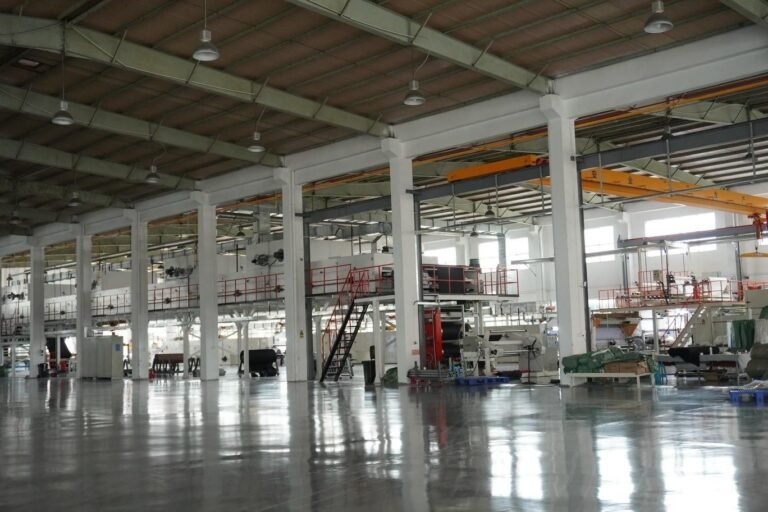
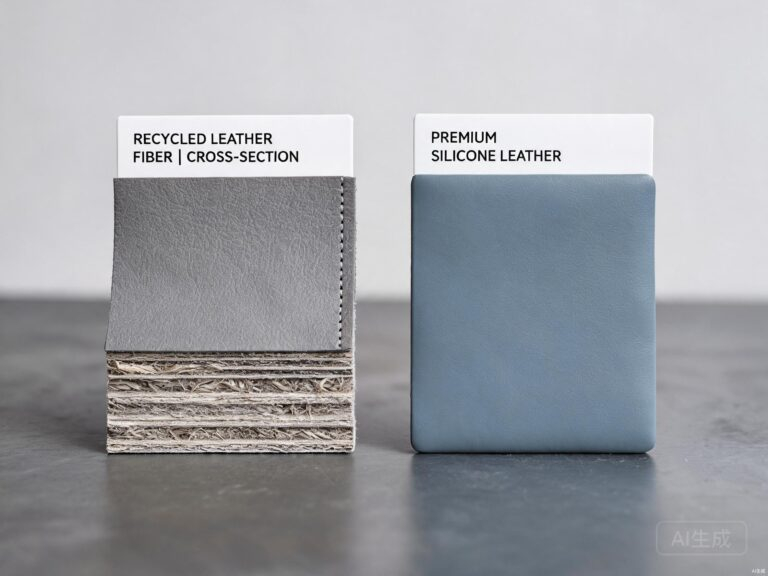
Understanding the pu leather manufacturing process is essential for procurement managers and quality engineers. PU leather remains one of the most widely used synthetic materials in furniture, automotive, and fashion industries. This guide breaks down every step from raw materials to finished product.
Whether you source upholstery for furniture applications or interior components for vehicles, knowing how PU leather is made helps you evaluate suppliers. It also helps you identify potential quality risks before production begins.
By the end of this article, you will understand each production stage. You will also learn how silicone leather offers a more advanced alternative for demanding applications.
1. Base Fabric Preparation in PU Leather Production
The first step in pu leather production starts with selecting the right base fabric. Manufacturers typically use woven or knitted polyester, cotton, or blended textiles. The substrate determines the final material’s strength, flexibility, and tear resistance.
Before coating, the fabric undergoes pretreatment:
- Cleaning to remove dust, oils, and impurities
- Heat setting to stabilize dimensions
- Tension control to ensure flatness
- Surface activation for better coating adhesion
Poor base fabric preparation leads to coating defects. These include bubbles, delamination, and uneven thickness. Top-tier factories inspect every roll before it enters the coating line.

2. Polyurethane Coating: The Core of Synthetic Leather Manufacturing
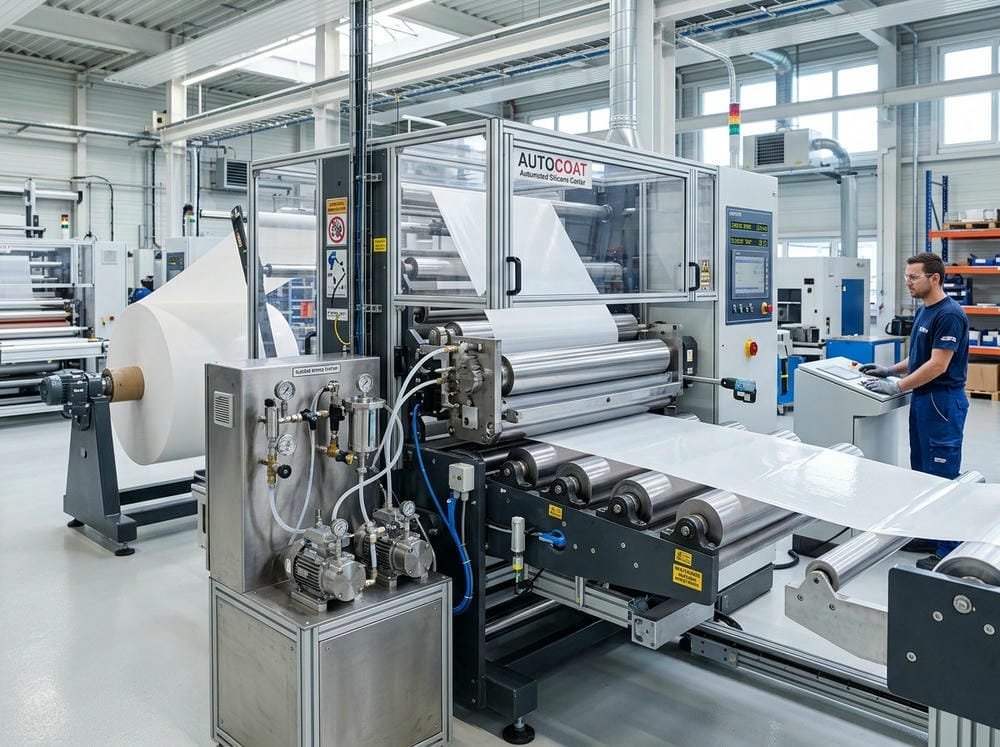
The synthetic leather manufacturing process centers on applying polyurethane layers. There are two main methods: dry process and wet process.
Dry Process (Direct Coating)
In dry processing, liquid polyurethane is mixed with solvents and additives. The mixture is then applied directly onto the base fabric using knife-over-roll or comma bar coaters. This method is common for furniture and fashion applications.
Wet Process (Transfer Coating)
Wet processing uses release paper with an embossed pattern. The PU resin is coated onto the paper first. Then the base fabric is laminated to it. This creates a more consistent surface texture. It is preferred for automotive interior and high-end goods.
Key coating parameters include:
- Viscosity of the PU resin mixture
- Coating thickness (typically 0.1–1.5 mm)
- Number of coating layers
- Speed of the production line
3. Drying and Curing in Artificial Leather Manufacturing
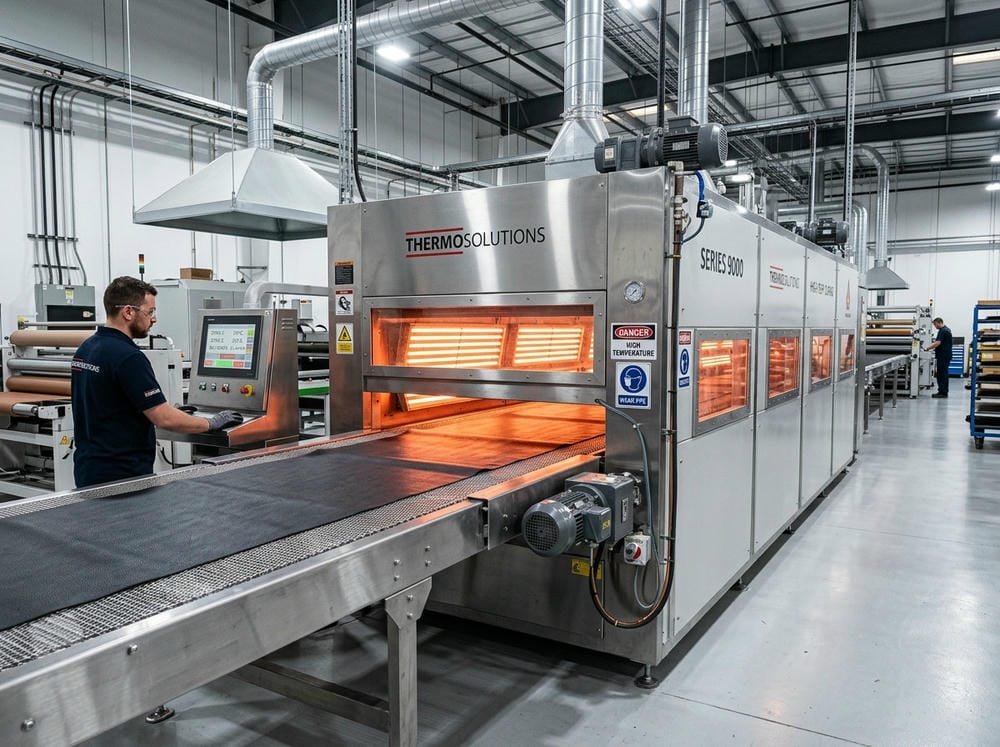
After coating, the material enters long industrial ovens. The artificial leather manufacturing process relies heavily on precise temperature control during this stage. Solvents evaporate, and the polyurethane cross-links to form a solid film.
Drying typically occurs in multiple zones:
- Low-temperature zone: initial solvent evaporation
- Medium-temperature zone: film formation
- High-temperature zone: complete curing
Temperatures range from 80°C to 180°C depending on the formulation. Incorrect curing causes surface stickiness, poor abrasion resistance, or weak adhesion to the substrate. In wet processing, water baths replace ovens for coagulation before final drying.
4. What Is PU Leather Made Of? Material Composition Breakdown
Many buyers ask: what is pu leather made of? The answer involves multiple layers and chemical components. Understanding pu leather composition helps you assess whether a product meets your technical requirements.
| Layer | Component | Function |
|---|---|---|
| Base Layer | Polyester or cotton fabric | Provides structural strength |
| Adhesive Layer | Polyurethane binder | Bonds fabric to coating |
| Foam Layer | PU foam (optional) | Adds softness and thickness |
| Surface Layer | Colored PU resin | Creates color and texture |
| Top Coat | PU or acrylic finish | Protects against wear and UV |
Standard PU leather contains 30–60% polyurethane resin by weight. The rest consists of fabric, pigments, plasticizers, and stabilizers. Solvent-based formulations often contain DMF or DOP, which raises environmental and health concerns.
For a deeper comparison of material types, read our article on what is faux leather.
5. Embossing and Surface Finishing
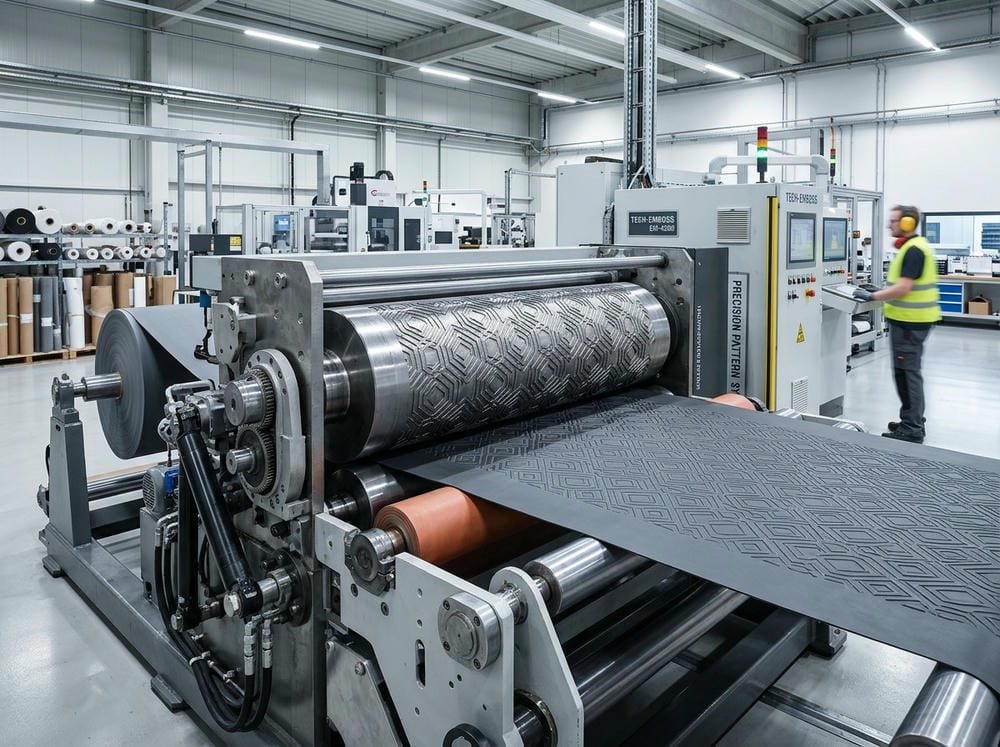
After curing, the material passes through embossing rollers. These rollers imprint grain patterns that mimic natural leather. Common patterns include litchi grain, crosshatch, and smooth finishes for 3C accessories.
Finishing treatments may include:
- Surface polishing for gloss or matte effect
- Printing for custom colors and designs
- Protective top coating for stain resistance
- Abrasion-enhancing treatments
The release paper is peeled away in transfer coating methods. This leaves a perfectly replicated surface texture. At this stage, the material finally resembles finished leather.
6. Quality Control and PU Leather Quality Standards
Pu leather quality is verified through a series of physical and chemical tests. Reputable manufacturers follow ISO 9001 quality management systems to ensure consistency.
Standard test protocols include:
- Tensile strength and elongation at break
- Tear resistance (trapezoid and tongue methods)
- Abrasion resistance (Martindale or Taber)
- Flexing endurance (Ross or MIT methods)
- Color fastness to rubbing and light
- Adhesion strength between layers
- Volatile organic compound (VOC) emissions
Failure in any of these tests can indicate formulation problems, curing defects, or poor raw material quality. Buyers should always request test reports before approving bulk production.
7. Silicone Leather: The Advanced Alternative to PU Leather
While the pu leather manufacturing process has been refined over decades, it carries inherent limitations. Solvent-based production emits VOCs. PU materials degrade under UV exposure and hydrolyze over time. These weaknesses drive many brands to explore silicone leather.
Silicone leather uses liquid silicone rubber coated onto fabric substrates. The production process eliminates toxic solvents. It also delivers superior performance in demanding environments.
| Property | PU Leather | Silicone Leather |
|---|---|---|
| UV Resistance | Moderate (fades over time) | Excellent (no degradation) |
| Hydrolysis Resistance | Limited (3–5 years) | Superior (10+ years) |
| Temperature Range | -10°C to 60°C | -50°C to 200°C |
| VOC Emissions | Contains solvents | Zero solvent, low VOC |
| Stain Resistance | Moderate | Excellent (easy to clean) |
| Eco-Friendliness | Recyclable with limits | Highly sustainable |
For applications requiring long-term durability, such as automotive interiors and medical equipment, silicone leather provides measurable advantages. It resists hydrolysis, maintains color stability, and meets stricter environmental regulations.
Conclusion: Choose the Right Material for Your Project
The pu leather manufacturing process involves multiple critical stages. Each step, from base fabric selection to final embossing, affects the end product’s performance. Procurement teams must understand these variables to manage supplier quality effectively.
For cost-sensitive projects with moderate durability requirements, PU leather remains a practical choice. However, for brands prioritizing longevity, sustainability, and premium performance, silicone leather represents the next generation of synthetic materials.
At TOPSUN, we specialize in advanced silicone leather solutions for furniture, automotive, medical, and consumer electronics applications. Our ISO-certified production lines ensure consistent quality on every order.
Related Articles
- What Is PU Leather? A Complete Buyer’s Guide
- What Is Faux Leather? Types, Uses, and Key Differences
- Difference Between Faux Leather and Real Leather
- Silicone Faux Leather Guide: Benefits and Applications
- How to Choose a Silicone Leather Factory
About TOPSUN Silicone Leather
TOPSUN is a leading manufacturer of silicone leather materials based in China. We serve global B2B clients in furniture, automotive, 3C electronics, medical, and marine industries. Our factory operates under strict quality management systems. We offer custom colors, textures, and thicknesses to match your exact specifications.
With years of production experience, TOPSUN delivers materials that meet REACH, RoHS, and CA Prop 65 standards. We welcome factory audits and provide free samples for evaluation. Contact our technical team to discuss your next project.
Ready to upgrade your material?
Visit our Samples Center to request free swatches or browse our product collections online.