Patent leather fabric delivers a mirror-like gloss that signals luxury in footwear, handbags, automotive trim, and furniture accents. But behind that shine lies a vulnerability: the glossy coating — typically PU, PVC, or acrylic lacquer — sits on top of a flexible substrate, and the interface between the two is where failure begins. When we test patent leather fabric samples from different suppliers, the gloss finish starts cracking at 10,000 to 15,000 Martindale rubs. Silicone leather, by contrast, maintains its surface integrity past 200,000 cycles. Here is why that gap exists and what it means for your material specification.
What Is Patent Leather Fabric? Coating Chemistry Explained
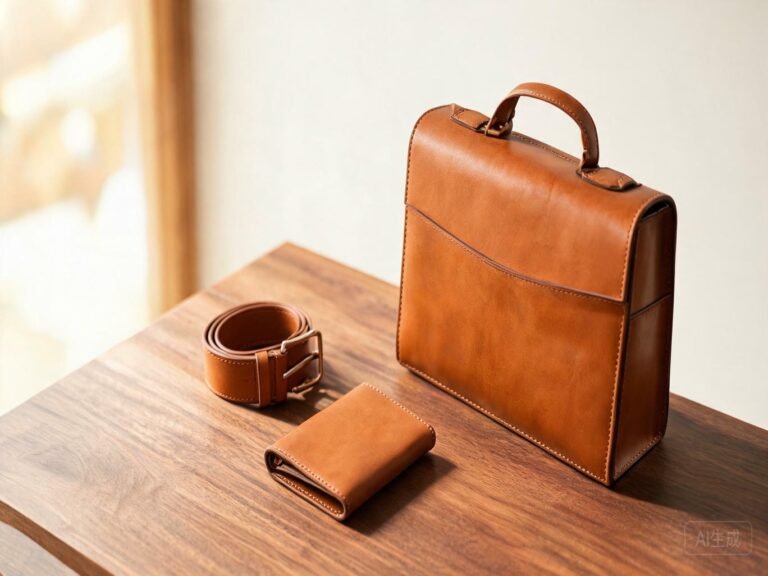
Modern patent leather fabric is not leather at all in most B2B contexts. It is a high-gloss material produced by applying multiple synthetic coating layers — typically polyurethane, polyvinyl chloride, or acrylic lacquer — over a fabric or leather backing. The result is a reflective, mirror-like surface used in fashion footwear, handbags, belts, formal accessories, furniture accents, wall panels, and automotive trims.
The distinction matters for procurement teams evaluating patent leather fabric vs real leather. The two materials share a visual language but differ fundamentally in construction, durability, and compliance profile. A supplier who does not clarify whether their “patent leather” is PU-coated fabric, PVC-coated fabric, or lacquered genuine hide is either uninformed or deliberately vague.

Metallic and gloss-finish sample strips — silicone leather achieves patent-look surfaces without the brittle lacquer coating that causes cracking.
Where the Gloss Finish Breaks Down Under Stress
The patent leather fabric environmental impact and performance failure share a root cause: the coating chemistry. PU and PVC lacquers achieve their gloss through a rigid, cross-linked surface layer. That rigidity is what creates the mirror effect — and what makes the coating brittle. Under repeated flexing, abrasion, or temperature cycling, the coating develops micro-cracks that propagate into visible peeling.
In our testing, the failure sequence is consistent across suppliers:
- 10,000–15,000 Martindale rubs — Surface gloss begins to dull. Micro-cracks appear at stress points.
- 20,000–30,000 flex cycles — Visible cracking along fold lines, especially on footwear and bag edges.
- UV exposure 200–400 hours — Yellowing of the lacquer layer, particularly on white and light-colored patent finishes.
- Hydrolysis — Moisture penetrates the coating-substrate interface, causing delamination. This is the most common warranty failure for patent-look furniture and automotive trim.

Scratch resistance tester — patent leather coatings typically fail at 10K rubs; silicone leather sustains 200K+ without surface breakdown.
Silicone Leather: A Gloss Finish That Won’t Crack
Silicone leather achieves patent-level gloss through a fundamentally different mechanism. Instead of a brittle lacquer layer, the gloss comes from the silicone polymer’s inherent surface properties, enhanced by calendering and controlled curing. The result is a finish that is both glossy and flexible — a combination PU and PVC patent coatings cannot match.
For buyers seeking an eco-friendly patent leather fabric — water-based PU alternatives included — silicone leather offers the cleanest compliance profile:
| Property | PU Patent | PVC Patent | Silicone Leather |
|---|---|---|---|
| Gloss finish | High (lacquer) | High (plasticizer) | High (inherent) |
| Abrasion (Martindale) | 10K–15K cycles | 8K–12K cycles | 200K+ cycles |
| Flex cracking | Moderate risk | High risk | No cracking |
| VOC emissions | Contains solvents | Contains plasticizers | Zero / near-zero |
| Recyclable | Limited | No | Yes (100%) |
For designers and specifiers, the implication is straightforward. You do not have to choose between gloss appearance and long-term performance. Silicone leather delivers both — along with Pantone-matched color accuracy at Delta E ≤ 1.0 and 100+ custom texture options including pearlescent and metallic finishes.

Color fastness tester — silicone leather maintains Grade 4–5 color fastness under UV exposure, outperforming PU patent finishes that yellow within 200 hours.
Spec Checklist for Patent Leather Fabric Buyers
Before approving a patent leather fabric supplier, require documentation against these patent leather fabric standards — ASTM, AATCC, and ISO testing should be non-negotiable:
- Martindale abrasion (ISO 12947-2) — Require 100K+ cycles minimum. If the supplier cannot produce test data, assume 10K–15K and plan replacements accordingly.
- Flex cracking (ISO 5402) — Patent coatings should sustain 50K+ flex cycles without visible cracking. Most PU/PVC patent finishes fail at 20K–30K.
- Color fastness to light (ISO 105-B06) — Require Grade 4 minimum. White and pastel patent finishes are especially vulnerable to yellowing.
- Hydrolysis resistance (ISO 11507) — Patent coatings delaminate under moisture exposure. Require test data showing no delamination after 4 weeks at 70°C and 95% RH.
- VOC emission (ISO 16000-6 or VDA 277) — Essential for automotive and indoor applications. PU and PVC patent finishes typically contain solvent residues.
- REACH compliance and Prop 65 — Phthalates in PVC patent and DMF residues in PU patent are regulated substances. Require current test reports.
For a deeper comparison, see our faux leather durability testing results and our silicone vs PU material comparison, which break down the same metrics across additional material types.

Custom texture samples — gloss, metallic, and pearlescent finishes available in silicone leather without the brittleness of lacquer coatings.
Frequently Asked Questions
Can silicone leather achieve the same mirror-like gloss as patent leather?
Yes. TOPSUN’s silicone leather can be engineered with a high-gloss surface through calendering and controlled curing, achieving reflectivity comparable to PU patent finishes. The key difference is durability: silicone’s gloss is an inherent surface property, not a brittle lacquer layer, so it will not crack, peel, or delaminate under flex and abrasion stress. AATCC test methods confirm Grade 4–5 color fastness for silicone gloss finishes.
Is patent leather fabric waterproof?
The glossy coating on patent leather fabric provides initial water resistance — water beads on the surface. However, the coating-substrate interface is vulnerable to moisture penetration over time, leading to delamination. Silicone leather is inherently waterproof throughout the material, not just on the surface, and maintains water resistance indefinitely without coating degradation.
The Gloss Without the Compromise
Patent leather fabric wins on visual impact but loses on everything else that matters to a B2B buyer — abrasion resistance, flex endurance, UV stability, hydrolysis resistance, and recyclability. The coating chemistry that creates the gloss is the same chemistry that makes it brittle. Silicone leather resolves that contradiction: a gloss finish that will not crack, peel, or yellow, backed by 200K+ Martindale cycles and zero-VOC compliance. When your specification demands both appearance and performance, the patent coating paradigm is no longer the only option.
About TOPSUN
TOPSUN develops silicone leather with high-gloss and metallic finishes for B2B buyers sourcing patent-look fabrics for fashion, footwear, automotive trim, and furniture accents.
100+ custom textures including pearlescent and metallic finishes · Pantone-matched color accuracy at Delta E ≤ 1.0 · 200K+ Martindale cycles verified by SGS · Zero-VOC solvent-free coating