Keeping synthetic leather in great condition calls for the right care routine. Most synthetic leather types, including PU, PVC and vegan leather, need regular cleaning with a dedicated synthetic leather cleaner to avoid cracking, fading and stains. That said, not all synthetic leathers require the same level of upkeep. Silicone leather stands out as a truly low-maintenance option. It resists stains, UV damage and hydrolysis, with no need for special conditioners or surface protectors.
Discover Low-Maintenance Silicone Leather →

Choosing the Right Synthetic Leather Cleaner
Not all cleaning products are safe for synthetic leather surfaces. Using the wrong cleaner can wear away protective coatings, cause discoloration or speed up material deterioration. Knowing what to look for — and what to avoid — will help you protect your investment long-term.
What Makes a Good Synthetic Leather Cleaner?
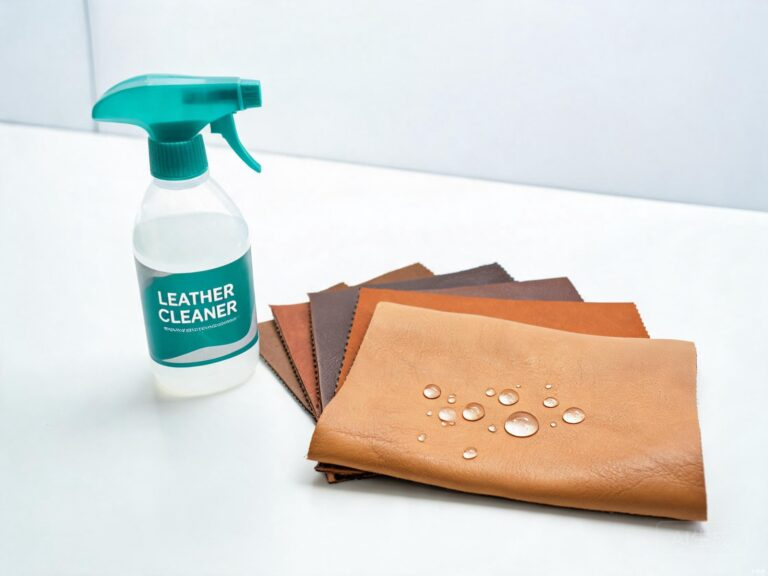
A reliable synthetic leather cleaner should be pH-neutral, free of harsh solvents, and specially formulated for coated fabrics. Steer clear of products containing bleach, ammonia or abrasive particles. These ingredients will damage the polymer coating that gives synthetic leather its texture and water-repellent properties.
For daily upkeep, a simple mix of warm water and mild dish soap works well for most synthetic leather surfaces. For deep cleaning, choose professional cleaners clearly labeled compatible with PU, PVC or vegan leather.
Understanding Different Material Needs
Different types of synthetic leather react differently to cleaning solutions:
- PU Leather: Sensitive to alkaline cleaners and oils. Stick to gentle, water-based synthetic leather cleaners. Wax-based products should be avoided, as they will clog the material’s porous surface.
- PVC Leather: More resistant to chemicals than PU leather, but vulnerable to petroleum-based solvents. A mild soap solution is sufficient for most regular cleaning tasks.
- Silicone Leather: Highly compatible with most mild cleaners. In most cases, a simple damp cloth is all you need for routine care, with no special cleaning products required.
DIY vs. Commercial Cleaners
Commercial synthetic leather cleaners are convenient and professionally formulated. Meanwhile, an easy DIY solution — two drops of mild liquid detergent mixed with one cup of warm water — handles most daily cleaning jobs at a much lower cost.
Reserve commercial cleaners for tough stains and periodic deep cleaning. No matter if you use store-bought or homemade solutions, always test the cleaner on a hidden spot first.
How to Clean PU and PVC Leather
Regular proper cleaning can greatly extend the service life of PU and PVC leather. Without consistent care, these materials may crack, peel or fade within 2 to 5 years. Follow the steps below to maximize their durability.
Daily Maintenance Routine
For everyday care, wipe dust off the surface weekly with a soft, dry microfiber cloth. This removes loose dirt before it embeds into the polymer coating. For lightly soiled areas, use a slightly damp cloth — never a soaking wet one — and wipe gently in circular motions.
Clean up spills right away. Always blot liquid stains with an absorbent cloth instead of rubbing. Quick action prevents permanent stains and reduces the need for strong cleaning products.
Weekly Cleaning Process
Do a more thorough cleaning once every week by following these steps:
- Wipe off dust across the entire surface with a dry microfiber cloth
- Prepare a solution of warm water and mild soap
- Dampen a clean cloth and wring out all excess water
- Wipe the surface section by section with gentle pressure
- Remove soap residue by wiping again with a plain damp cloth
- Dry the surface completely with a clean, absorbent towel
Let the material air dry fully before use. Do not use heat sources such as hair dryers, as high heat may warp or crack the polymer coating.

Tackling Stubborn Stains
Different stains call for different cleaning methods on synthetic leather:
- Food and grease: Apply a small amount of mild dish soap directly onto the stain, leave it for 5 minutes, then wipe it away
- Ink and marker: Dab the stain with rubbing alcohol using a cotton swab. Remember to test on an inconspicuous area first
- Mold and mildew: Use a mixture of equal parts white vinegar and water
- Blood and protein stains: Use only cold water — hot water will set protein stains permanently
If tough stains remain after gentle cleaning, refer to the manufacturer’s care instructions. Never scrub hard, as it will scratch the surface coating and cause more damage than the original stain.
Conditioning and Protecting Synthetic Leather
Many customers wonder if synthetic leather needs conditioning just like genuine leather. The answer depends on the material type and your expected level of surface protection.
Do You Need a Faux Leather Conditioner?
Traditional leather conditioners contain oils and waxes made to penetrate natural leather hides. These products offer no benefits to synthetic materials and may even damage them. Specially formulated faux leather conditioners work differently: they restore surface flexibility and help prevent cracking.
Apply faux leather conditioner to PU leather every 3 to 6 months, focusing on high-flex areas such as seat cushions and armrests. PVC leather rarely needs conditioning thanks to its non-porous surface structure.
Using a PU Leather Conditioner Correctly
A high-quality PU leather conditioner helps slow down hydrolysis, which breaks down PU coatings over time. Apply a thin, even layer with a soft cloth, leave it to absorb for 10 to 15 minutes, then buff away any residue with a dry cloth.
Avoid over-applying conditioner. Excess product will leave a sticky film that attracts dust and dirt, accelerating surface wear.
Synthetic Leather Protection Strategies
Prevention works far better than repair. A reliable faux leather protector creates an invisible barrier against stains and moisture:
- Apply protective spray after each deep cleaning
- Reapply the protector every 2 to 3 months for high-traffic furniture
- Use UV-protective sprays on items placed under direct sunlight
- Keep synthetic leather away from direct heat and sharp objects
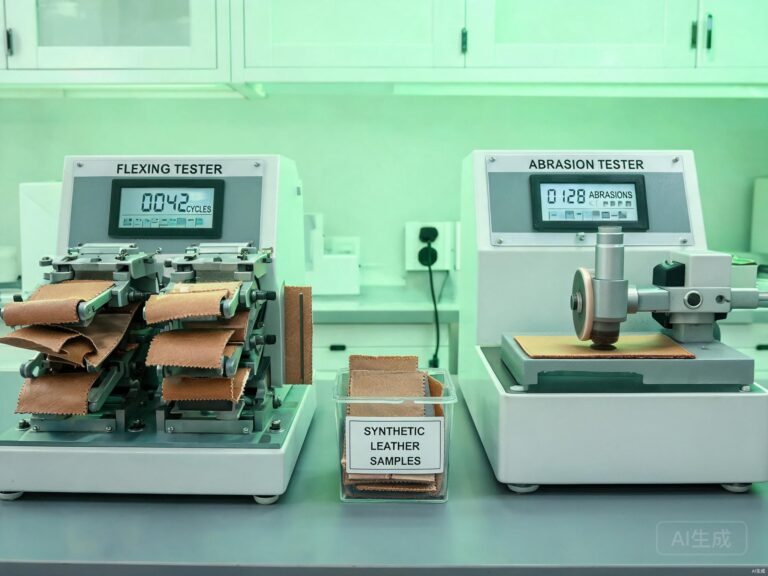
Industry Reference: The ASTM D4966 Martindale test evaluates abrasion resistance for textiles and leather materials. Proper synthetic leather maintenance helps retain its original performance, while poorly maintained surfaces wear out much faster.
Browse Low-Maintenance Leather Products →
Common Cleaning Mistakes to Avoid
Even careful users may make mistakes that damage synthetic leather. Learning about these common errors will help you avoid unnecessary damage and extra costs.
Using Harsh Chemical Cleaners
Bleach, acetone, nail polish remover and general household cleaners will strip off the protective polymer layer. Once this coating is damaged, the inner fabric absorbs moisture and stains, leading to permanent damage. Always use products explicitly certified safe for synthetic leather.
Over-Wetting the Surface
Excess water is harmful to PU leather. Moisture seeps through tiny cracks in the coating and reaches the fabric base, triggering hydrolysis — the chemical breakdown of polyurethane. This is why you should always use a damp cloth instead of a fully wet one for daily care.
Neglecting UV Protection
Sunlight damages synthetic leather in two ways: UV rays break polymer bonds, while heat speeds up chemical deterioration. Place synthetic leather furniture away from direct sunlight, or apply UV-protective treatments. For automotive interiors, silicone leather interiors come with built-in UV resistance to eliminate this problem.
Using the Wrong Cloth
Stay away from abrasive sponges, stiff brushes and paper towels. They leave micro-scratches on the polymer surface. These scratches build up over time, dull the finish and let moisture seep in. Only use soft microfiber cloths for cleaning and buffing.
Skipping Regular Maintenance
Waiting until dirt builds up heavily before cleaning allows particles to embed into the surface. Embedded dirt acts like an abrasive during daily use and speeds up wear. Frequent light cleaning is always more effective than occasional deep cleaning.

Why Silicone Leather Is Low-Maintenance
Among all synthetic leather varieties, silicone leather requires the least upkeep. This key advantage comes from its unique chemical structure, which differs greatly from PU and PVC leather.
Inherent Stain Resistance
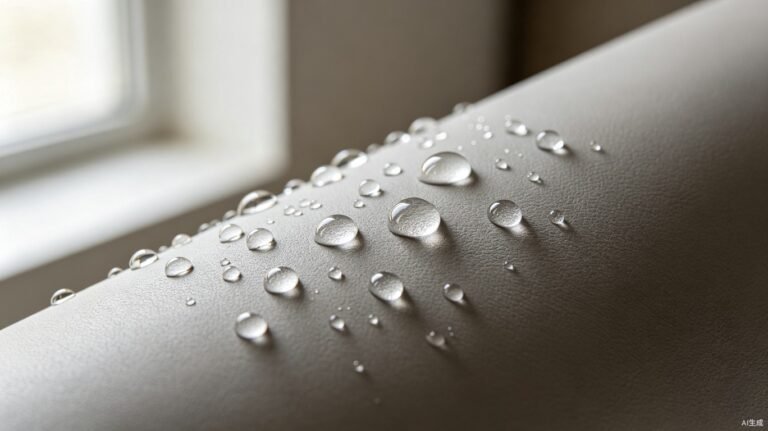
Silicone leather features a non-porous, chemically inert surface that repels most common stains. Coffee, wine, food spills and ink can all be wiped clean easily with just a damp cloth — no special synthetic leather cleaner needed. The material does not absorb liquid, so stains cannot sink below the surface.
Thanks to this natural stain resistance, you won’t need regular protective sprays or conditioners. Unlike PU leather, which relies on frequent protectant applications to stay water-resistant, silicone leather maintains its performance naturally throughout its service life.
No Conditioning Required
PU leather needs regular faux leather conditioner to slow hydrolysis, but silicone leather contains no polyurethane to break down. Silicone polymer is chemically stable and resistant to hydrolysis, UV radiation and daily chemical contact.
That means no extra cost, no extra work, and no risk of damage from improper care products. Cleaners designed for PU or vegan leather are almost unnecessary for silicone leather.
UV and Heat Stability
Silicone leather remains stable from -40°C to +200°C with no performance loss. Long-term UV exposure will not cause fading, cracking or surface damage. This outstanding stability removes the need for UV sprays and heat protection measures required for PU and PVC leather.
It is an ideal choice for indoor furniture placed in sunny rooms and marine & outdoor applications, delivering years of worry-free use.
Chemical and Disinfectant Resistance
Silicone leather stands up well to regular disinfectants and alcohol-based cleaners without damage. This makes it perfect for medical facilities, restaurants and other high-hygiene spaces that require frequent sanitizing.
In accordance with FDA 21 CFR Part 177.2600, silicone materials for food contact meet strict safety standards. Our silicone leather is safe for food contact even after repeated disinfection.
Maintenance Comparison Across Materials
The comparison below clearly shows the differences in daily care requirements among mainstream synthetic leather materials.
Cleaning Frequency
- PU Leather: Weekly light cleaning + monthly deep cleaning + quarterly conditioning
- PVC Leather: Weekly light cleaning + bimonthly deep cleaning
- Silicone Leather: Wipe clean as needed; weekly dusting for visible dirt only
Product Requirements
- PU Leather: Dedicated synthetic leather cleaner, faux leather conditioner, UV protectant spray, surface protector
- PVC Leather: Mild soap solution, occasional UV protectant spray
- Silicone Leather: Simply a damp cloth — no specialized cleaning products needed
Annual Maintenance Cost Estimate
Cost based on a standard 3-seater sofa for residential use:
- PU Leather: $50-120 per year (cleaners, conditioners, protectants; typical service life: 3–5 years)
- PVC Leather: $20-50 per year (basic cleaners, UV spray; typical service life: 5–7 years)
- Silicone Leather: $0-10 per year (basic cleaning supplies only; typical service life: 10–15+ years)
When you take replacement costs into account, silicone leather’s low-maintenance value becomes even more obvious over time. Though it may have a slightly higher upfront cost, it saves you hundreds of dollars on care products and replacements during its long lifespan.
Conclusion: Smart Care Starts with Smart Material Choice
Proper synthetic leather care starts with learning about your material’s unique needs. PU and PVC leather demand consistent care: regular cleaning with suitable synthetic leather cleaner, routine conditioning, UV protection and surface treatment to keep their look and extend their limited lifespan.
Silicone leather changes the game entirely. With built-in stain resistance, excellent UV stability, hydrolysis resistance and strong chemical tolerance, it cuts down most daily maintenance work. For homeowners, hospitality businesses, automotive manufacturers and medical institutions, it means lower long-term costs and long-lasting good appearance.
The smartest approach to synthetic leather care is simply choosing a material that needs less cleaning. Contact TOPSUN today to explore our silicone leather solutions for your next project, and experience true low-maintenance performance.
Request Free Silicone Leather Samples →
Related Articles
About TOPSUN: TOPSUN is a professional silicone leather manufacturer with over 60,000 square meters of production space and 233 authorized patents. Our products hold ISO 9001, FDA, REACH and IATF 16949 certifications. We supply high-performance, low-maintenance silicone leather for furniture, automotive, medical and fashion industries worldwide.