When buyers evaluate faux leather furniture durability, one core question always stands out: how well will the upholstery hold up under everyday real-world use? Service life varies drastically based on your chosen synthetic leather grade. Standard PU and PVC typically start cracking, peeling or fading within 3 to 10 years of regular use — while silicone-based faux leather completely redefines long-term durability benchmarks.
In this expert buyer’s guide, we break down core factors impacting faux leather upholstery lifespan, outline critical industry certification tests, and explain why top furniture manufacturers are switching over to silicone leather for high-durability commercial and residential projects.
Looking for long-lasting faux leather for your upcoming furniture project?
What Is Faux Leather Furniture Durability?
Faux leather furniture durability describes a synthetic material’s ability to resist daily abrasion, environmental exposure and repeated physical strain without irreversible surface damage. For furniture makers, project specifiers and procurement teams, durability is not a single standalone rating but a composite of multiple performance metrics measured against globally recognised industry standards.
The four most vital durability benchmarks cover abrasion resistance (resistance to consistent rubbing and surface friction), flex resistance (structural integrity after repeated bending), colorfastness (anti-fading performance against UV light and surface rub-off), and environmental stability (consistent performance amid humidity swings and extreme temperature shifts).
All these attributes get verified via accredited testing protocols, including ISO 12947 for Martindale abrasion testing and ASTM D4966 for textile wear resistance. Reviewing official lab test results is essential to make informed material sourcing decisions for upholstery production.
To learn more about raw material composition, check our detailed guide explaining what faux leather consists of and how silicone leather leads the global synthetic leather market.
What Makes One Faux Leather Grade More Durable Than Another?
Three core variables dictate the long-term durability of any faux leather variant:
- Base polymer chemistry — Core resin formulation (PU, PVC or silicone) determines inherent resistance against hydrolysis, UV degradation and natural oxidation.
- Manufacturing process — Coating application, curing procedure and fabric lamination directly impact bonding strength and long-term structural stability.
- Additive formulation — Quality-grade stabilisers, flame retardants and pigments boost lifespan, while low-cost fillers often weaken long-term material performance.
Silicone leather outperforms conventional alternatives thanks to its unique siloxane molecular structure, which avoids the carbon-based polymer chains responsible for gradual breakdown in PU and PVC upholstery.
How Long Does Faux Leather Furniture Last?
Overall faux leather service life hinges on raw material type and operating environment. Below is industry-backed lifespan data compiled from real-site application and accelerated aging tests:
PU Leather: 3 to 5 Years Under Regular Daily Usage
Polyurethane (PU) remains the most widely adopted synthetic leather for affordable furniture upholstery, delivering a soft tactile feel and premium initial appearance. Its biggest downside is inherent vulnerability to hydrolysis.
In high-humidity settings such as coastal cities, tropical regions or poorly ventilated indoor spaces, moisture triggers chemical breakdown of PU polymer chains, resulting in cracking, peeling and irreversible surface degradation. Even in moderate ambient conditions, most PU-upholstered furniture develops noticeable wear within 3–5 years of regular household use.
For an in-depth comparison of pros and cons, read our full breakdown: what PU leather is and how it stacks up against silicone leather.
PVC Leather: 5 to 10 Years With Compromised Long-Term Flexibility
PVC (polyvinyl chloride) faux leather outlasts standard PU in basic durability, reliably serving furniture applications for 5–10 years with superior water and stain repellency compared to polyurethane options.
However, PVC relies on phthalate plasticisers to retain flexibility. These softening additives leach out gradually over time, leaving upholstery stiff, brittle and prone to cracking, especially under cold-temperature exposure. Strict EU REACH and North American chemical regulations now restrict many common phthalate variants, making PVC a risky long-term pick for brands targeting Western consumer and contract markets.
Silicone Leather: 10+ Years With Outstanding Long-Term Stability
Silicone leather ranks as the most long-lasting synthetic upholstery material available today. Free from hydrolyzable chemical bonds, migratory plasticisers and harmful volatile solvents, it avoids the core failure modes that shorten PU and PVC service life.

Accelerated lab aging trials and decades of real-world installation confirm silicone leather’s exceptional longevity, establishing it as the preferred upholstery option for high-traffic commercial venues, marine fittings, outdoor furniture and healthcare facilities aiming to cut frequent replacement expenses.
Key Tests That Determine Faux Leather Durability
Professional buyers and contract specifiers reference internationally standardised lab testing to objectively compare competing faux leather grades. These core assessments form the industry gold standard for durability verification:

Martindale Abrasion Test (ISO 12947 / ASTM D4966)
The Martindale abrasion test is the worldwide benchmark to measure upholstery wear resistance. Test samples rub against standard wool abradant in a figure-eight Lissajous pattern under fixed pressure, with results listed as total abrasion cycles before unacceptable surface damage occurs.
Typical cycle ratings across mainstream faux leather varieties:
- Standard PU faux leather: 15,000 – 40,000 cycles
- PVC faux leather: 20,000 – 50,000 cycles
- Premium microfiber synthetic leather: 40,000 – 60,000 cycles
- Silicone leather: 120,000+ cycles
Per official guidelines from the Association for Contract Textiles (ACT), heavy-duty commercial upholstery requires a minimum 40,000 Martindale cycle rating. Silicone leather triples this baseline requirement, directly translating into multiple extra years of usable service life.
Flex Resistance and Cold Crack Testing
Flex resistance ratings reflect how well upholstery withstands repeated folding, a critical metric for seat cushions, armrests and all frequently bent furniture surfaces. Industry standard assessments include the ISO 5402 flexometer test and CFFA-06 cold crack examination.
Silicone leather outperforms rivals in both assessments, retaining consistent flexibility down to -30°C and surviving over 200,000 continuous flex cycles without surface splitting — a performance threshold unreachable for standard PU and PVC upholstery.
Colorfastness and UV Resistance
Colorfastness testing evaluates colour retention against sunlight exposure, surface rubbing and human perspiration. Key globally accepted standards include AATCC 16.3 (light fastness), AATCC 8 (crocking resistance), and AATCC 15 (perspiration resistance).
Silicone leather consistently achieves top-tier grading across all colour stability trials, passing over 1,500 hours of accelerated UV aging per ASTM D4329 while keeping original colour saturation and intact surface finish.
Vegan Leather Furniture Durability: What Buyers Should Know
The “vegan leather” label is widely used in modern marketing yet delivers zero insight into material durability. Vegan certification only confirms zero animal-derived raw materials; the base composition can range from standard PU, PVC and bio-based synthetics all the way to premium silicone leather.
When procurement teams assess vegan leather furniture durability, always look past marketing buzzwords and verify raw material makeup plus official lab test reports. Budget vegan leather crafted from ordinary PU resin carries the exact same 3–5 year lifespan limitations as regular polyurethane faux leather.
Conversely, silicone leather is naturally 100% vegan, completely free from animal ingredients, PVC and harmful processing solvents. It satisfies eco-conscious consumer ethical requirements alongside strict commercial-grade performance specifications.
For a full breakdown of available vegan leather categories and their respective durability profiles, read our guide: vegan leather definition and why silicone outperforms alternative vegan synthetics.
Red Flags When Evaluating Vegan Leather Supplier Claims
Watch out for these common warning signs while vetting potential vegan leather manufacturers:
- No independent lab test documentation — Trusted suppliers provide Martindale, flex and colourfastness certificates issued by accredited third-party labs including SGS or Intertek.
- Vague durability marketing wording — Generic phrases such as “long-lasting” or “highly durable” without specific cycle counts or accelerated aging results signal unsubstantiated quality claims.
- Unspecified base material composition — Reliable vendors clearly disclose core polymer type (PU, PVC or silicone); hidden formulations make accurate lifespan forecasting impossible.
Upholstery Faux Leather Durability for Commercial Use
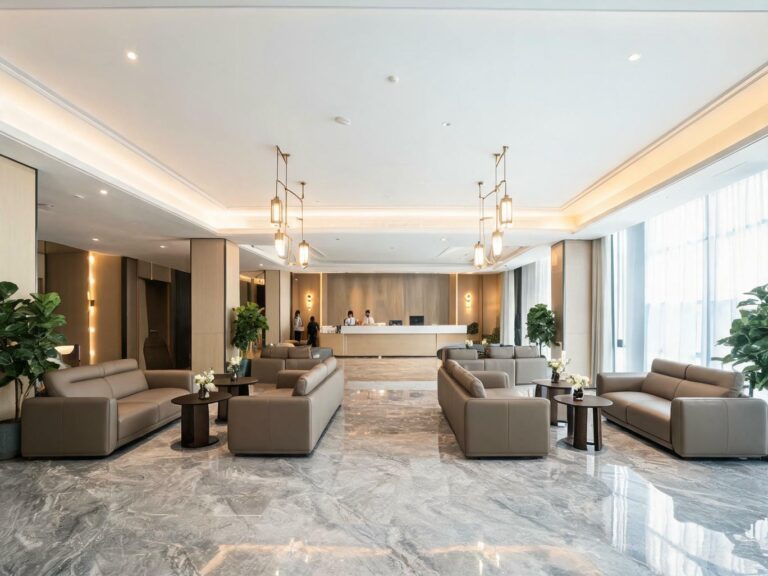
Contract-grade furniture faces far harsher operating conditions than residential furnishings. Hotel lobbies, restaurant seating, office workspaces and medical waiting rooms demand upholstery capable of enduring heavy daily foot traffic, frequent sanitising and strict international compliance codes.
When sourcing upholstery faux leather durability for commercial specification, purchasing managers should prioritise these mandatory performance benchmarks:
Performance Thresholds for Contract Furniture Upholstery
- Abrasion resistance: Minimum 40,000 Martindale cycles for standard commercial applications; 100,000+ cycles for high-footfall venues.
- Light colorfastness: Minimum Grade 4 out of a 1–5 ranking following prolonged UV light exposure.
- Hydrolysis resistance: Non-negotiable for humid climates and healthcare spaces requiring regular disinfectant wiping.
- Flame retardancy: Must satisfy local fire safety regulations such as California TB117-2013 and UK Furniture and Furnishings Fire Safety Rules.
- Chemical resistance: Tolerance against everyday cleaners, alcohol-based sanitising agents and natural body oils.
Silicone leather inherently meets or exceeds all listed criteria without extra chemical post-treatment. Its built-in flame retardancy, stain repellency and chemical stability lower long-term maintenance costs and replacement frequency, delivering superior total cost efficiency for large-scale commercial projects.
Check silicone leather real-world performance with official data
Request complimentary sample pack including full TDS datasheets and certified test reports.
Why Silicone Faux Leather Durability Outperforms Alternatives
Silicone leather’s durability advantage stems from fundamental molecular design instead of minor formulation tweaks. Unique silicone polymer chemistry delivers innate protective features impossible to replicate in carbon-based PU and PVC without problematic high-dose chemical additives.

No Hydrolysis Risk, No Plasticiser Bleed-Out
PU upholstery deteriorates via hydrolysis, a moisture-triggered chemical breakdown splitting core polymer chains. PVC fails gradually as plasticiser additives leach out over years. Silicone leather contains neither breakable water-reactive bonds nor migratory softeners, completely eliminating these two primary material failure pathways.
Inherent UV and Extreme Temperature Stability
Silicone polymers maintain consistent physical properties across an expansive working temperature window (-40°C to 250°C) and naturally resist UV-induced aging far better than organic synthetic resins. This makes silicone faux leather durability ideal for outdoor patio furniture, marine upholstery and all installations exposed to continuous direct sunlight.
Lab certification confirms over 1,500 hours of stable UV performance plus 1,000+ hours of salt spray resistance following ASTM B117 standards, enabling reliable service in coastal and harsh outdoor environments that rapidly degrade standard faux leather grades.
Zero Solvents, Zero VOC Emissions, Zero Quality Compromise
Unlike PU and PVC production relying on harmful DMF processing solvents and high VOC output, silicone leather is manufactured using solvent-free production technology, delivering multiple key benefits:
- No residual manufacturing solvents left inside finished material to gradually weaken upholstery over time
- Full regulatory compliance with tightening global environmental control legislation
- Zero toxic off-gassing, essential for healthcare, hospitality and indoor residential upholstery applications
Review our full technical specs via 8-point premium performance guide to silicone faux leather covering all core material performance indicators in full detail.
Why Leading Furniture Brands Shift to Silicone Leather
Global furniture brands transition toward silicone leather driven by improved performance, worldwide regulatory compliance and reduced total lifecycle expenditure:
- Prolonged replacement cycles — Upholstery lasting two to three times longer cuts recurring replacement spending for commercial furniture buyers.
- Global regulatory compliance — REACH, RoHS and California Prop 65 increasingly restrict PVC and phthalate-infused synthetic materials used in conventional faux leather.
- Premium brand differentiation — Silicone leather’s high-end material positioning lets manufacturers market premium product lines with healthier profit margins.
- Sustainable ESG credentials — Fully recyclable, zero-VOC and hazardous-substance-free formulation aligns with green building standards and corporate sustainability targets.
While sourcing, verify your prospective silicone leather factory for your supply chain holds valid ISO 9001 certification and provides complete third-party lab certification documentation.
Custom Faux Leather Furniture Durability: Bespoke Formulation Solutions
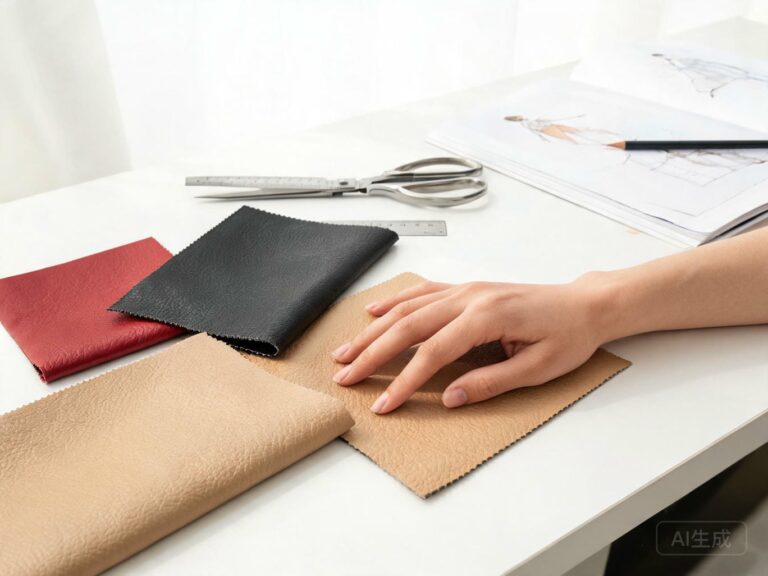
For furniture brands requiring custom faux leather furniture durability, silicone leather delivers outstanding customisation flexibility. Manufacturers can tailor colour, surface grain texture and material thickness without compromising core long-lasting performance specs.
TOPSUN supplies custom-formulated silicone leather with a low minimum order quantity starting at 300 metres, full complimentary sample service and complete technical documentation including SGS & Intertek certified test reports plus official TDS datasheets.
Ready to upgrade your furniture upholstery material?
TOPSUN provides free material samples, full TDS datasheets and dedicated one-on-one technical project support.
About TOPSUN
TOPSUN is a specialised silicone leather manufacturer with over 8 years of industry manufacturing experience, annual production capacity exceeding 6,000,000 square metres and an in-house R&D team of more than 12 professional material engineers. Our full product portfolio holds ISO 9001, REACH, PAHs and FDA global certifications, with every production batch backed by independent SGS and Intertek lab test certificates.
We partner with over 100 global brands spanning furniture, automotive interior, marine outfitting, medical furnishings and consumer goods sectors, offering flexible low-MOQ custom orders, fast 7–15 day lead times and end-to-end professional technical assistance.
Whether you source upholstery for a single furniture collection or build long-term global supply partnerships, TOPSUN guarantees consistent material quality, complete compliance paperwork and stable high-performance synthetic leather.
In summary, hard material science confirms faux leather furniture durability: silicone leather outperforms classic PU and PVC across every key measurable performance metric. For procurement teams prioritising long service life, global regulatory compliance and optimised total ownership cost, silicone leather remains today’s most advanced and dependable upholstery option.