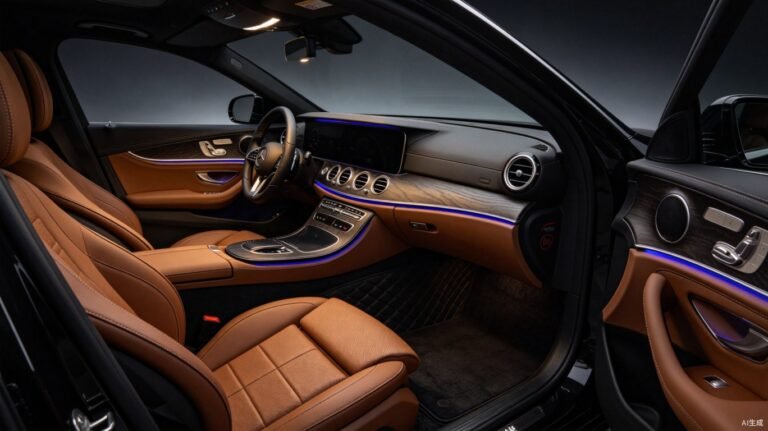
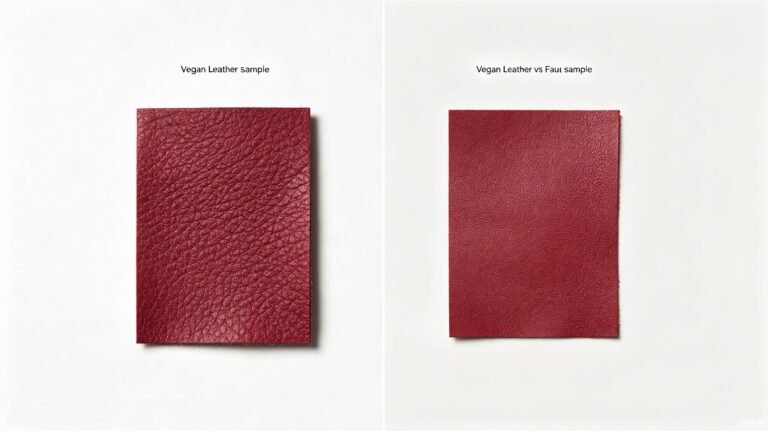
Understanding the vegan leather definition is the first step toward making smarter, more sustainable material choices for your products. In simple terms, vegan leather refers to any leather alternative manufactured entirely without animal-derived components — replicating the look, tactile feel and durability of genuine animal leather while complying with modern environmental and ethical standards.
As global demand for cruelty-free and eco-conscious materials surges, the market has expanded far beyond early-generation synthetic faux leather. Today, international buyers can select from a wide range of advanced vegan leather products, each featuring unique performance specs, cost structures and eco-friendly credentials. A clear grasp of the vegan leather definition helps sourcing professionals filter out misleading marketing hype and make data-backed procurement decisions.
This comprehensive guide breaks down the true meaning of vegan leather, its core raw materials, and explains why silicone leather has rapidly become the top pick for global brands unwilling to compromise on product quality or sustainability goals.
Explore Premium Vegan Leather Materials
Get free silicone leather samples and compare quality firsthand. TOPSUN stocks 300+ color options, custom embossed textures and full official technical documentation for your review.
What Is Vegan Leather? The Complete Definition
So, what does vegan leather actually stand for? The formal vegan leather definition covers all engineered materials crafted to duplicate the grain, appearance and practical functionality of animal hides without incorporating any animal ingredients throughout production. Unlike authentic leather sourced from cattle, sheep or swine, all vegan leather is produced from fully synthetic or plant-sourced raw feedstock.
The terminology has grown increasingly mainstream over recent years. Brand owners frequently ask, “what does vegan leather mean for my product lineup?” — and the answer extends well past eliminating animal byproducts. Modern vegan leather merges cutting-edge material science, environmental accountability and high-performance material engineering.
Key Characteristics of Vegan Leather
No matter the base raw material, qualified vegan leather alternatives share these core defining attributes:
- Zero animal content — No animal hides, pelts or animal-origin processing additives are used at any manufacturing stage.
- Controlled uniform quality — Unlike natural leather with inconsistent inherent flaws, vegan synthetics deliver stable, identical quality across large-scale bulk production runs.
- High customizability — Thickness, surface grain, pigment color and functional performance can be tailored to match bespoke application requirements.
- Lower environmental footprint — Most vegan leather variants generate fewer greenhouse gas emissions and consume drastically less freshwater compared to commercial livestock farming for genuine leather.
It’s critical to note quality varies widely across the vegan leather market. Eco-friendliness and physical performance shift drastically based on base materials and manufacturing techniques, which is why a precise vegan leather definition plays a pivotal role in informed bulk purchasing.
What Is Vegan Leather Made Of? 4 Key Materials Compared
One of the most commonly searched industry questions remains: what is vegan leather made of? Four primary material categories dominate the marketplace, each with distinct pros and drawbacks. Below is an in-depth breakdown of every mainstream option.

1. PU Leather (Polyurethane)
Polyurethane leather has served as the dominant mainstream faux leather option for decades. Manufacturers coat polyester or cotton base fabrics with a polyurethane top layer engraved to replicate natural leather grain patterns.
Advantages: PU leather is cost-effective, globally accessible and delivers a pleasantly soft hand feel. It is widely applied for fashion accessories, indoor upholstery and consumer electronics protective cases.
Limitations: Conventional PU leather retains residual dimethylformamide (DMF) solvents that release harmful volatile organic compounds (VOCs). It suffers from hydrolysis degradation under humid climates, leading to irreversible cracking and surface peeling over time. Its weak UV resistance also causes gradual color fading under prolonged sunlight exposure.
2. PVC Leather (Polyvinyl Chloride)
PVC leather ranks as the lowest-cost synthetic vegan leather variant. Production involves coating woven fabric substrates with polyvinyl chloride blended with plasticizers to improve flexibility.
Advantages: PVC boasts solid water resistance and affordable pricing, commonly specified for budget footwear, promotional merchandise and low-end automotive interior trim pieces for cost-sensitive projects.
Limitations: PVC relies on phthalate plasticizers and harmful additives triggering ongoing health and environmental concerns. Incineration releases highly toxic dioxins and hydrogen chloride gas. It also features a noticeably rigid, stiff hand feel versus PU or silicone alternatives.
3. Plant-Based Leather
Bio-based vegan leather represents the emerging innovative market segment. Popular commercial grades include Piñatex (pineapple leaf fiber), Mylo (mushroom mycelium) and Desserto (cactus pulp) sourced from agricultural byproducts.
Advantages: These materials repurpose agricultural waste to cut petrochemical dependency, strongly resonating with eco-focused apparel and lifestyle brands seeking fully biodegradable raw materials.
Limitations: Plant-derived leather remains in early commercial scaling phases, marked by limited mass-production capacity, inflated pricing and incomplete long-term durability test data. Batch-to-batch performance consistency also fluctuates significantly.
4. Silicone Leather
Silicone leather uses 100% food-grade organic silicone for both surface coating and adhesive bonding layers applied atop textile or microfiber base fabrics, standing as the most advanced synthetic leather formulation currently commercialized.

Advantages: Silicone leather outperforms competing alternatives across nearly all core metrics: superior UV stability, exceptional hydrolysis resistance, inherent flame retardancy, zero VOC emissions and outstanding anti-stain performance. Formulation excludes plasticizers, toxic processing solvents and heavy metal ingredients entirely.
Limitations: Its primary downside is comparatively higher upfront material cost driven by premium raw silicone feedstock and specialized production workflows. Nevertheless, unit pricing continues declining steadily as global production volumes expand year over year.
Vegan Leather Alternatives: Which Material Performs Best?
When comparing competing vegan leather alternatives, procurement teams require verified objective performance data instead of unsubstantiated promotional claims. A complete, industry-standard vegan leather definition must factor real-world field performance beyond basic ingredient composition. The below comparison table benchmarks four mainstream materials against critical criteria for commercial-grade applications.
Key Takeaway: Silicone leather is the sole vegan leather material achieving top-tier ratings across all core performance categories without relying on supplementary chemical additives or post-production treatments. For projects mandating uncompromised safety, long-lasting durability and full regulatory compliance, it occupies a unique superior market position.
For granular side-by-side material analysis, explore our dedicated comparison guide of PU leather vs silicone leather, featuring lab mechanical test data and real-world brand application case studies.
Why Does Silicone Leather Lead the Vegan Trend?
The global silicone synthetic leather market is projected to expand at a 14% compound annual growth rate (CAGR), hitting an estimated $536 million by 2030, up from $217 million recorded in 2023 per Grand View Research’s synthetic leather market analysis. This robust growth rate outpaces conventional PU/PVC synthetics and emerging plant-based vegan leather by a considerable margin.
Multiple core industry drivers fuel rising adoption of silicone leather among international leading manufacturers and established consumer brands.
Unmatched Safety Profile
Fire safety constitutes legally enforced regulation within automotive, marine and aerospace sectors, not optional design preference. Silicone leather earns inherent EN-13773-Class-4 flame retardancy without synthetic flame-retardant chemical additives. It also fully complies with FAR 25.853 aircraft material fire safety specifications.
Unlike PU and PVC variants releasing lethal hydrogen cyanide, dioxin and other toxic fumes under combustion conditions, silicone leather generates no hazardous airborne emissions when ignited. This inherent safety edge cements its status as preferred premium performance applications where occupant safety stands as top priority.
Zero VOC, Solvent-Free Manufacturing
Global environmental legislation, especially across the European Union and North American territories, continuously tightens VOC emission caps and hazardous chemical usage limits. Silicone leather is manufactured via a fully solvent-free production workflow, yielding zero VOC discharge both during factory production and end-product service life.
This built-in regulatory compliance eliminates costly industrial exhaust treatment infrastructure and streamlines global market approval timelines for finished goods manufacturers. Brands distributing into strictly regulated Western markets benefit from accelerated product launch cycles and reduced ongoing compliance overhead.
Extreme Environmental Durability
Silicone leather retains consistent mechanical integrity under harsh operating conditions that rapidly degrade competing synthetic alternatives:
- Temperature tolerance: Stable from -40°C up to +200°C without surface hardening or cracking.
- Long-term UV exposure: No pigment fading, yellow discoloration or surface degradation following extended outdoor exposure.
- Full moisture immunity: Complete hydrolysis resistance, delivering identical performance in tropical humid and arid dry climates.
- Chemical inertness: Resistant against common oils, weak acids, alkalis and mainstream household cleaning detergents.
Verified Real-World Industry Adoption
Top global OEM brands have already integrated silicone leather across diversified vertical industries. Within automotive manufacturing, marquee OEMs including NIO, Leapmotor and Dongfeng specify silicone leather for seat upholstery and cabin interior trim. For consumer electronics, Meizu incorporates the material for premium device protective covers. In high-end furniture manufacturing, leading Chinese home furnishing brand KUKA selects silicone leather for luxury residential upholstery ranges.
Real-world mass adoption by Tier 1 global manufacturers confirms silicone leather as a production-ready scalable solution rather than experimental niche raw material.
See Silicone Leather in Action
Download our complete product catalog with technical data sheets, certified lab test reports and verified application case studies from established global partner brands.
How to Verify Vegan Leather Quality: Certifications & Standards
When sourcing commercial-grade vegan leather for bulk production, third-party certifications deliver impartial proof of material safety, eco-compliance and consistent quality benchmarks. A complete industry vegan leather definition must reference verifiable regulatory certification credentials. Below are essential accreditations reputable vegan leather suppliers must furnish.

Essential Certifications for Vegan Leather
- ISO 9001:2015 — Validates the producer implements standardized rigorous quality management protocols across all production workflows.
- REACH Compliance — Confirms compliance with EU chemical safety regulation, restricting prohibited hazardous substances below legal threshold limits, audited by authorized third-party labs including ECHA (European Chemicals Agency).
- EN-13773-Class-4 — Highest available thin-material flame retardant certification, mandatory for automotive and transportation interior component sourcing.
- FDA 21 CFR Compliance — Certifies material safety for food-contact accessories and medical-grade finished products.
Procurement Tip: Always request original valid certification documentation with active certification dates. Trusted manufacturers like TOPSUN supply full compliance packages containing original SGS and Intertek third-party lab test reports for complete supply chain traceability verification.
For buyers auditing manufacturing competence, our dedicated factory selection guide provides a comprehensive audit checklist to assess vegan leather production facilities before bulk orders.
Choosing the Right Vegan Leather Supplier for Your Business
Selecting a qualified manufacturer carries equal importance to picking your preferred vegan leather grade. The global vegan leather supply chain varies drastically in QC rigor, custom formulation capacity and after-sales technical support. Use the below evaluation checklist to screen prospective suppliers.
Production Capability & Scale
Prioritize manufacturers equipped with automated continuous production lines and sufficient annual output matching your bulk order volume. As an example, TOPSUN operates a fully automated production facility with 6,000,000 m² yearly output capacity, securing stable uniform quality and predictable 7–15 day standard lead times.
Customization Range
Reliable vendors deliver comprehensive bespoke development: Pantone color matching plus custom pigment shades, custom embossed grain textures, variable material thickness and optional backing substrate selection. Accessible OEM & ODM customization confirms mature in-house R&D capabilities.
Technical Support & Documentation
Professional leather suppliers furnish complete technical paperwork including official TDS (Technical Data Sheets), MSDS safety documents, certified certification copies and dedicated application engineering guidance, critical for seamless raw material integration into your existing production lines.
Quality Assurance Process
Confirm your supplier runs an on-site independent quality control laboratory with full in-house testing equipment. Mandatory routine testing should cover tensile strength, tear resistance, color fastness, repeated flex endurance and hardness measurements following globally accepted industrial test standards.
Conclusion: The Future of Vegan Leather Is Silicone
Mastering the formal vegan leather definition extends beyond basic ingredient knowledge; it empowers sourcing teams to select materials matching target performance, safety and long-term sustainability benchmarks. While PU, PVC and plant-derived vegan leather serve segmented niche market demands, silicone leather stands out as the most well-rounded solution for forward-thinking brands prioritizing long-term product value over immediate upfront cost savings.
Boasting solvent-free zero-VOC manufacturing, intrinsic flame retardant properties, outstanding all-weather durability and a growing roster of top-tier global brand partners, silicone leather does not merely participate within the vegan leather market shift — it actively spearheads the industry’s future development.
Whether your business operates as an automotive component engineer, upholstery furniture maker, premium fashion label or medical device manufacturer, empirical test data confirms silicone leather delivers the most reliable path to satisfy current industrial performance rules and upcoming tightening international environmental regulations.
Ready to Upgrade Your Material Strategy?
TOPSUN’s in-house engineering team helps you customize ideal vegan leather formulations. Secure complimentary material samples, bespoke Pantone color matching and dedicated one-on-one technical support.