Every furniture specifier knows the moment: you’re reviewing material swatches for a 200-room hotel renovation, and the supplier hands you three “premium leather” samples that look identical. The grain feels right. The color matches your mood board. But will it still look this good after five years of housekeeping teams wiping it down with industrial cleaners? The quality of leather furniture isn’t what you see on the swatch — it’s what the material does after 50,000 hours of real-world abuse. Here’s how to evaluate leather furniture quality the way a specifier should: with test data, not fingertip feel.
What Defines the Quality of Leather Furniture?
The global leather furniture market reached USD 13.2 billion in 2026 and is projected to hit USD 20.5 billion by 2034. But market growth doesn’t help you choose the right material. What matters is understanding that “quality” in leather furniture means six measurable things: abrasion resistance, color fastness, flex endurance, finish adhesion, fire performance, and cleanability. Touch and feel matter for design approval — but they don’t predict whether your furniture survives a decade of commercial use.

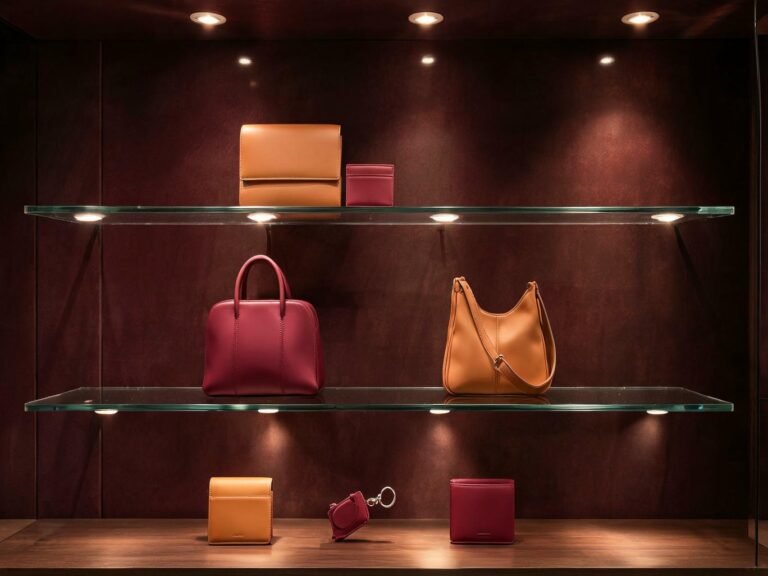
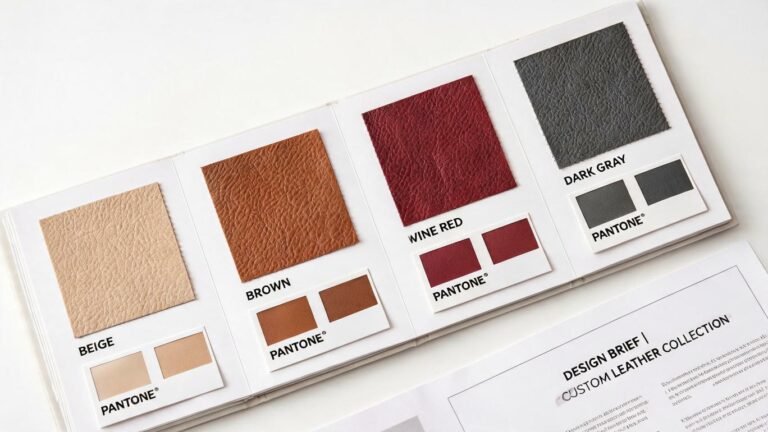
Texture and color consistency across production batches — visible quality starts here
The AHFA Joint Industry Standards and Guidelines for Upholstery Leather define the testing framework that contract-grade furniture must meet. Color fastness to rubbing is tested under EN ISO 11640 at 500 dry cycles — contract grade requires grey scale 4 dry and 3.5 wet minimum. Perspiration fastness runs 80 artificial cycles under EN ISO 11641. Finish adhesion must deliver ≥2N/10mm under EN ISO 11644. These aren’t optional specifications. They’re the difference between a warranty claim at year two and a furniture piece that still looks new at year eight. For a broader look at how coated fabrics perform, see our silicone leather introduction.
The 6 Design Specs That Predict Longevity
When we specify leather for commercial furniture projects, we evaluate six performance dimensions before approving a material. These specs come from years of watching materials fail — and succeed — in hotel lobbies, restaurant booths, and airport waiting areas. Each one addresses a specific failure mode that designers who rely on touch alone will miss entirely.
1. Martindale Abrasion (ISO 17076-2): This is your primary durability indicator. Residential furniture should hit 25,000-50,000 cycles. Commercial contract grade needs 50,000 minimum. Premium silicone leather achieves 200,000+ cycles — meaning it can handle a decade of daily use in a hotel lobby without surface breakdown.

Flex endurance tester — simulates years of sitting, standing, and repositioning on furniture
2. Color Fastness to Rubbing (EN ISO 11640): Class 5 means zero color transfer. Class 3 means your client’s white shirts pick up dye every time they lean back. In hospitality, anything below grey scale 4 dry is a guarantee you’ll be replacing cushions before the warranty expires.
3. Flex Endurance (EN ISO 5402-1): Furniture leather flexes every time someone sits down and stands up. Standard leather cracks at 20,000-50,000 flex cycles. Premium material should survive 200,000+ cycles — especially at seam points and cushion edges where stress concentrates.
4. UV Stability (ASTM D329): Genuine leather fades within 1-2 years under direct sunlight. PU leather shows moderate fading. Silicone-coated leather remains color-stable after 1,500+ hours of QUV testing. If your furniture sits near windows — and most lobby furniture does — this spec determines whether your color scheme survives year three.

Flame retardant testing — BS 5852 and CA TB 117 compliance is mandatory for commercial furniture
5. Fire Performance (BS 5852 / CA TB 117-2013): Commercial furniture in the UK must pass BS 5852 — including the Crib 5 ignition source for contract upholstery. In the US, CA TB 117-2013 governs cover fabric, filling, barrier, and decking materials. Silicone-coated textiles achieve fire compliance through the char-forming behavior of the silicone coating itself — without added FR chemicals. This is a significant advantage for projects targeting green building certifications.
6. Stain Resistance and Cleanability: In commercial settings, housekeeping teams use industrial-grade cleaners. Genuine leather requires conditioning and special care products. Premium synthetic leather should withstand isopropyl alcohol, bleach solutions, and commercial disinfectants without surface damage. Request a stain resistance test report covering oil pen marks, coffee, ketchup, and dark beverages.
Quality of Leather Furniture: Material by Material
The table below consolidates test data from our production line and industry benchmarks. When you’re specifying for a commercial project, this comparison tells you exactly what you’re trading away when you choose a lower-cost material.

Commercial furniture application — where material choice determines replacement cycles
| Spec | Genuine | PU Leather | Silicone |
|---|---|---|---|
| Martindale | 50K-100K | 100K-150K | 200K+ |
| UV Stability | Fades 1-2 yr | Moderate | 1,500+ hrs |
| Lifespan | 7-15 years | 5-7 years | 10-15+ years |
| Waterproof | No | Partial | 100% |
| Cost/m² | $30-80 | $10-25 | $20-50 |
| Maintenance | High | Low | Minimal |
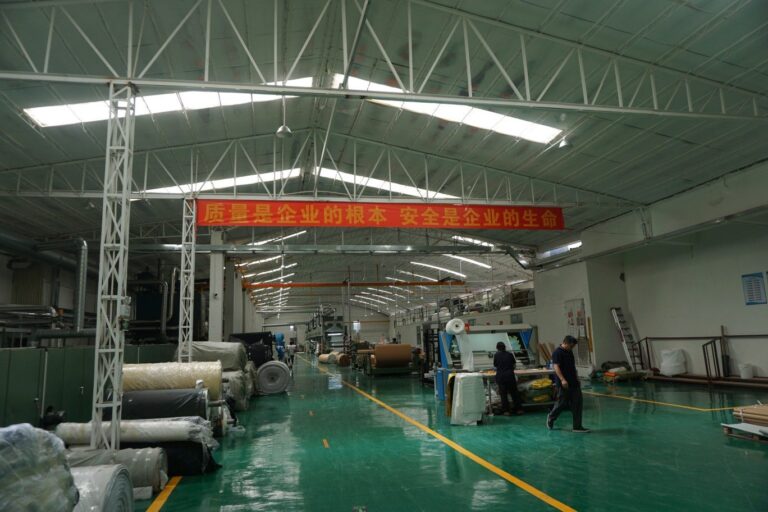
Here’s the design perspective that most cost comparisons miss: genuine leather develops a patina that some clients love, but in a 200-room hotel where every room must look identical, that “patina” becomes “inconsistency.” Synthetic leather delivers meter-to-meter consistency in thickness, color, and texture — critical when you’re producing 400 matching headboards. The silicone vs PU comparison breaks down the performance and sustainability differences in detail.
Watch: Luxury furniture silicone leather — texture, performance, and design flexibility overview
Commercial vs Residential: Different Standards
A common specification error is using residential leather standards for commercial projects. The requirements aren’t similar — they’re fundamentally different. Residential leather can trade abrasion resistance for softness. Commercial leather can’t. Fire safety requirements alone change everything: residential furniture may not need fire-rated materials at all, while commercial furniture must pass BS 5852 Crib 5 or CA TB 117-2013.
Specifier’s Note: In one project, a designer specified residential-grade aniline leather for a 150-seat restaurant. It passed the aesthetic review beautifully. Eighteen months later, every booth showed cracking at the seat edge, color transfer on patron clothing, and permanent staining from food spills. The replacement cost exceeded the original order by 3x. The right material — specified with Martindale, color fastness, and fire safety data — would have cost 40% more upfront and lasted 5x longer.
For commercial applications, always specify: minimum 50,000 Martindale cycles, grey scale 4+ dry color fastness, BS 5852 or CA TB 117 compliance, and stain resistance to commercial cleaning chemicals. For residential projects with lower traffic, you can prioritize softness and tactile quality — but don’t skip the UV stability report if the furniture sits near windows. For application-specific guidance, our furniture and sofa applications page covers the full specification framework.
The Designer’s Role in Specifying Leather
Designers and specifiers hold more power than they realize. When you write material specifications into a project brief — with actual test data thresholds — you force suppliers to meet objective standards rather than relying on marketing claims. A specification that says “premium leather, color fastness Class 4 minimum, Martindale 50,000+ cycles, BS 5852 compliant” is enforceable. A specification that says “high-quality leather upholstery” is not.
The best specification practice we’ve seen comes from a hospitality group that included material performance thresholds directly in their RFP documents. Every supplier bidding on the project had to submit third-party test reports with their proposal. The result: zero warranty claims in the first three years of operation, compared to their previous project where unspecified leather generated 40+ replacement orders in year one alone. For more on B2B evaluation frameworks, see this quality leather furniture guide and our B2B sofa quality guide.
Frequently Asked Questions
What Martindale rating should commercial leather furniture meet?
For commercial contract furniture, the minimum is 50,000 Martindale cycles (ISO 17076-2). High-traffic environments like airports, cinemas, and hospitality lounges should specify 100,000+ cycles. Premium silicone-coated leather achieves 200,000+ cycles, making it suitable for the most demanding commercial applications. Always request the ISO 17076-2 test report rather than accepting a supplier-claimed number — ISO 17076-2 standard reference.
Does silicone leather feel different from genuine leather in furniture?
Modern silicone-coated leather can replicate the hand-feel, grain texture, and visual depth of genuine leather — including full-grain, nubuck, and suede finishes. The key difference is consistency: every meter of silicone leather matches the approved swatch, while genuine leather varies naturally across hides. For commercial projects requiring visual uniformity across hundreds of pieces, this consistency is an advantage, not a compromise.
Specify With Data, Not With Fingertips
The quality of leather furniture comes down to six numbers: Martindale cycles, color fastness class, flex endurance, UV stability hours, fire safety certification, and stain resistance grade. If your supplier can produce current test reports for all six, the material will perform as specified. If they can’t, you’re designing warranty claims into your project. The most expensive leather isn’t the one with the highest price per square meter — it’s the one that fails first. Specify with data, and your furniture will outlast the design trend that inspired it.
About TOPSUN
TOPSUN supplies specification-grade silicone-coated leather for commercial furniture manufacturers and hospitality design firms — delivering custom textures, embossed grain patterns, and color-matched finishes with full ISO 17076-2 Martindale, EN ISO 11640 color fastness, and BS 5852 fire safety documentation.
200K+ Martindale cycles · ISO 105-X12 Class 5 color fastness · BS 5852 Crib 5 compliant · CA TB 117-2013 certified · Custom grain and texture development · Roll-to-roll color consistency Delta E ≤1.5