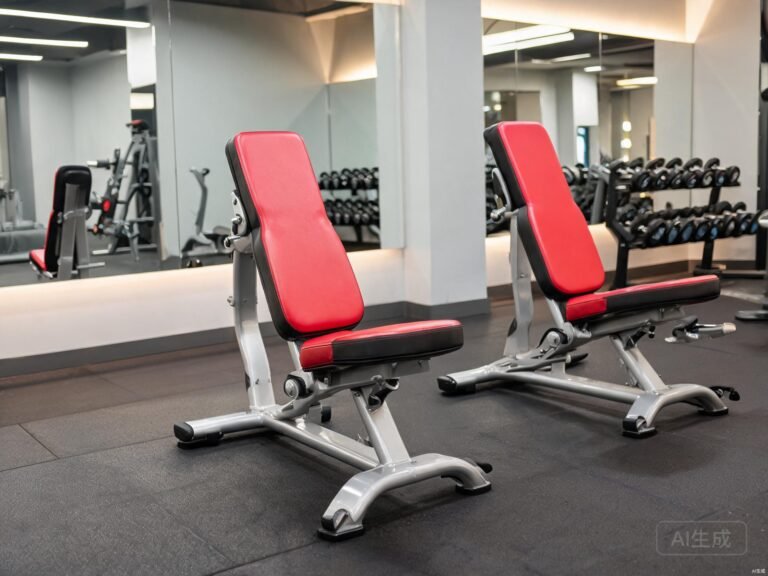
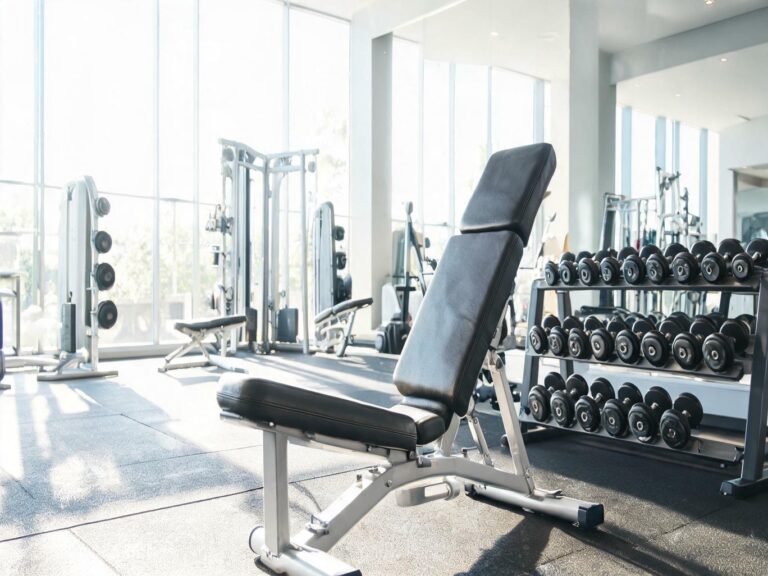
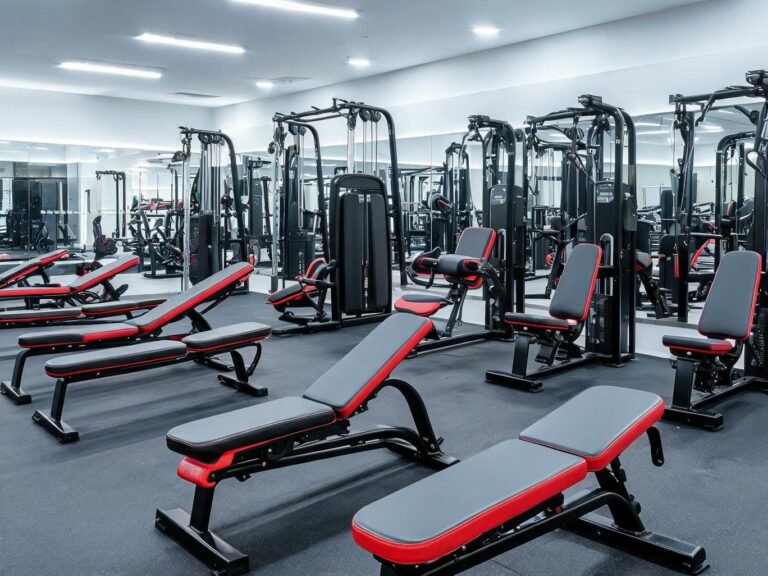
Walk into any commercial gym at peak hours and you’ll find benches, seats, and pads soaked in sweat from dozens of users. That warm, moist environment is exactly what bacteria need to thrive. Studies have found MRSA, Staphylococcus aureus, and other pathogens on gym equipment surfaces, raising serious questions about the gym equipment upholstery material that separates bare skin from shared surfaces. For facility managers and equipment manufacturers, material choice isn’t just about durability — it’s about protecting members from skin infections that can sideline workouts and trigger liability issues. Here’s what you need to know about specifying the right upholstery for fitness environments.

The Hygiene Challenge in Commercial Fitness
Gym equipment upholstery faces a brutal daily regimen: sweat, body oils, sunscreen residue, and whatever cleaning chemicals the staff uses between users. Most commercial facilities wipe down equipment 20–50 times per day. Over a year, that’s 7,000–18,000 cleaning cycles — each one slowly degrading the upholstery surface.
The problem with traditional vinyl and PU leather is that they’re not designed for this abuse. After 6–12 months of daily disinfectant wiping, micro-cracks develop. Sweat seeps into these fissures, carrying bacteria deep into the material where spray bottles can’t reach. The result? Equipment that looks clean on the surface but harbors microbial colonies underneath.
Why This Matters: MRSA transmission through shared gym equipment has been documented in multiple clinical studies tracked by the CDC. The bacteria survive on non-porous surfaces for hours to days, making material selection a frontline defense in infection prevention — not just an aesthetic or durability concern.

Material Comparison: What Holds Up Under Sweat
Not all upholstery materials are created equal when it comes to handling the specific challenges of fitness environments. Let’s look at how the three most common options stack up:
| Property | Silicone Leather | PU Leather | PVC Vinyl |
|---|---|---|---|
| Sweat Resistance | Excellent | Moderate | Moderate |
| Antibacterial | 99.9% | No | No |
| Cracking After Cleaning | None (10K+ cycles) | After ~500 cycles | After ~300 cycles |
| Martindale Abrasion | 200,000+ cycles | 30,000–50,000 | 20,000–40,000 |
| Skin Contact Safety | Hypoallergenic | May contain plasticizers | Phthalate concerns |
| Replacement Cycle | 5–10 years | 1–2 years | 1–2 years |
The numbers tell a clear story. PVC and PU might cost 30–50% less upfront, but they require replacement 3–5 times more often. For a commercial gym with 50 upholstered stations, that difference adds up fast — not just in material costs, but in the labor to strip and reupholster benches, and the downtime when equipment is out of service.
View High-Performance Collections
Silicone Leather: Built for the Sweat Zone
Silicone leather brings a unique chemistry to sports facility fabric applications. Its Si-O molecular backbone is fundamentally more stable than the C-C bonds in PU and PVC. Translation: it doesn’t break down when exposed to sweat’s salt content, acidic pH, or the alcohol-based disinfectants used between users.
What does this mean on the gym floor? Three practical advantages:
- No sweat absorption: Non-porous surface means perspiration stays on top — wipe it away and the surface is clean, no lingering odor or bacterial residue
- Built-in antimicrobial protection: 99.9% reduction against common gym pathogens, without antimicrobial coatings that wash off over time
- Grip without tackiness: Maintains consistent friction whether dry or damp — users don’t slide during exercises, but the surface doesn’t feel sticky like degraded vinyl
Watch silicone leather repel liquids and resist staining — the same properties that protect against sweat and disinfectants in gym environments
Where Each Material Belongs in a Gym
Not every piece of gym equipment needs the same material. A strategic approach matches upholstery performance to usage intensity:
- Weight benches and pressing stations: Maximum sweat exposure, direct skin contact, high abrasion from clothing and lifting belts. Silicone leather is ideal — its 200,000+ Martindale rating handles the wear, and the antimicrobial surface addresses the hygiene risk.
- Cardio machine seats (bikes, rowers): Moderate sweat, shorter contact time. PU leather can work for budget facilities, but silicone pays off in reduced replacement frequency.
- Cable machine pads and handles: High friction, moderate sweat. The grip characteristics of silicone leather reduce slipping during pull-downs and rows.
- Stretching and yoga areas: Direct bare-skin contact. Silicone’s hypoallergenic, non-cytotoxic properties (ISO 10993-5) make it the safest option for skin-contact surfaces.
For facility managers sourcing fitness equipment leather, the decision framework is straightforward: prioritize silicone for high-contact, high-sweat stations, and consider PU for lower-traffic auxiliary seating where replacement is less disruptive.
Frequently Asked Questions
How do I clean silicone leather gym upholstery?
Spray with any standard gym disinfectant (alcohol-based, quat-based, or hydrogen peroxide formulations all work), wipe with a microfiber cloth, and let air dry. No special cleaners needed — the material won’t degrade, discolor, or crack regardless of which commercial disinfectant you use. For deep cleaning, a 10% bleach solution is also safe.
Will silicone leather feel different from vinyl to gym users?
Most users report silicone feeling smoother and less “plasticky” than vinyl. It has a softer, more premium hand feel while maintaining firmness for exercise support. The surface doesn’t get tacky when warm the way vinyl does, which improves comfort during intense sessions. Some users initially notice it’s less slippery — which is actually a safety advantage during exercises like bench press.
What’s the cost difference between silicone and vinyl gym upholstery?
Silicone leather typically costs 2–3x more per meter than commercial-grade PVC vinyl. However, when you calculate total cost over a 5-year period — including material replacement, labor, and equipment downtime — silicone is often cheaper. A vinyl bench needs reupholstering every 12–18 months in a busy gym; silicone lasts 5–10 years. For exercise machine upholstery across a full facility, the savings compound significantly.
Can silicone leather be used on weight bench covers with stitching?
Absolutely. Silicone leather cuts cleanly, sews with standard industrial sewing machines, and accepts reinforcement tape at stress points. For seam-free construction, it’s also compatible with high-frequency welding. The material’s high tear strength (≥15 N per ISO 34-1) prevents stitching from pulling through under load. Technical data sheets with full mechanical properties are available for OEM specifications.
Specifying for Long-Term Performance
The gym equipment upholstery material you choose today determines your facility’s hygiene profile, maintenance workload, and equipment replacement cycle for years to come. The cheapest option on day one is rarely the cheapest option over a five-year horizon.
If you’re outfitting a new facility or planning a refurbishment, start with the high-contact zones — benches, pressing stations, and stretching areas — and specify silicone leather there first. You’ll see the biggest hygiene and durability improvements where it matters most. Then evaluate whether PU leather is sufficient for lower-traffic auxiliary seating, or whether the maintenance savings justify going all-silicone across the floor.
Either way, the goal is the same: surfaces that stay clean, stay intact, and keep your members safe — without turning upholstery replacement into a recurring line item on your maintenance budget.
About TOPSUN
TOPSUN supplies high-performance silicone leather to gym equipment manufacturers and commercial fitness facility operators. Our materials combine antimicrobial protection with the abrasion resistance required for high-traffic fitness environments.
Relevant Certifications: Martindale ≥200,000 cycles (ISO 12947-2) · REACH SVHC Compliant · Zero VOC (ISO 16000-6) · Antibacterial 99.9% · Vegan & Cruelty-Free