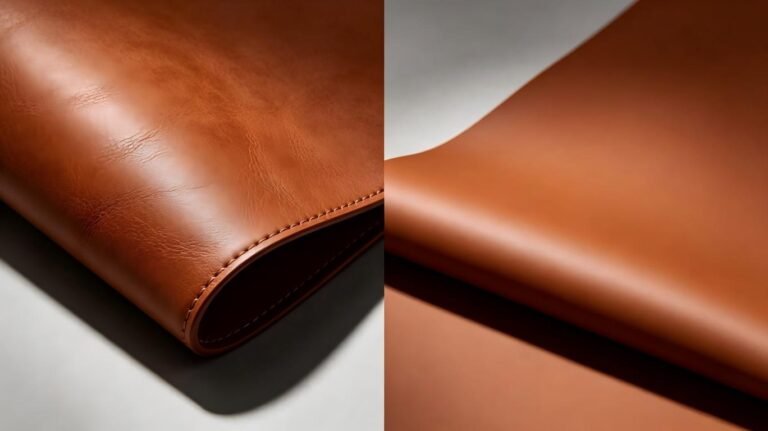
B2B buyers often confuse faux leather and PU leather. Many buyers think they are separate categories. They are not separate at all. PU leather is a type of faux leather. Faux leather is the umbrella term. It covers all synthetic leather materials.
This includes PU, PVC, microfiber, silicone, and bio-based options. Understanding this difference matters for procurement. Material composition affects performance. It also affects cost and application suitability. This article explains everything buyers need to know.
We cover terminology, composition, performance, cost, and applications. Read on to make smarter sourcing decisions.

The Difference Between Faux Leather and Synthetic Leather
The terms faux leather and synthetic leather mean the same thing. Faux comes from French. It means false or artificial. Synthetic means man-made. Both terms describe leather alternatives. These materials do not use animal hides.
Manufacturers create them using chemical processes. They layer fabrics with plastic coatings. Common base fabrics include polyester and cotton. The coating creates a leather-like surface. Buyers should not confuse these terms.
They are interchangeable in most B2B contexts. However, regional preferences exist. European buyers often say faux leather. American buyers may prefer synthetic leather. Both refer to the same material family. Knowing this helps avoid miscommunication during procurement.

For more background, read our guide on what is faux leather.
Faux Leather vs PU Leather: Composition Compared
Faux leather is a broad category. It includes many material types. PU leather is one subset. PVC leather is another subset. Microfiber leather is also included. Silicone leather and bio-based leather are newer options.
Each type uses different chemistry. PU leather uses polyurethane coating. Manufacturers apply this coating to a fabric base. The result is soft and flexible. PVC leather uses polyvinyl chloride. It feels stiffer and stickier.
Silicone leather uses silicone polymers. It offers superior weather resistance. Bio-based leather uses plant materials. It aims for sustainability. Buyers must ask for specific composition. The term faux leather alone is not enough. Always request material specifications.

Learn more about what is PU leather in our detailed overview.
PU Faux Leather: How Polyurethane Fits Into the Faux Leather Family
PU leather sits within the faux leather family. It is the most popular subset. Polyurethane gives PU leather unique properties. The material feels soft. It breathes better than PVC. It remains flexible in cold temperatures.
Cracking resistance is strong. These traits make PU leather ideal for many products.
- Footwear brands prefer PU leather.
- Apparel manufacturers use it widely.
- Premium bag makers choose PU for quality.
- Automotive interior suppliers also favor it.
PU leather offers a balance. It sits between low-cost PVC and high-end silicone. Buyers seeking mid-range performance should consider PU. It delivers value without premium pricing.
The Difference Between PU and Faux Leather: Performance & Durability
Performance varies across faux leather types. PU leather outperforms PVC in flexibility. It feels softer to the touch. Body heat retention is better. Cold weather performance is superior.
PVC faux leather has strengths too. Water resistance is excellent. Cost is lower. PVC works well for budget applications. However, PVC feels sticky. It lacks breathability. It becomes stiff in cold environments.
Silicone faux leather outperforms both. It offers distinct advantages.
- It offers zero VOC emissions.
- Skin contact safety is excellent.
- Weather resistance is unmatched.
Buyers should match material to end use. Premium applications need PU or silicone. Budget applications may use PVC. Always test samples before bulk orders.

See our furniture and sofa applications for real-world examples.
Faux Leather PU Combinations: What Buyers Need to Know
Some products use PU-coated faux leather. These are hybrid materials. The base may be polyester or cotton. The top layer uses polyurethane. This creates a leather-like finish. Thickness varies by application.
Sofa upholstery needs heavy grades. Footwear needs thinner, flexible grades. Buyers should specify coating weight. They should also specify base fabric type. Some suppliers blend PU with other coatings. This changes performance characteristics.
Always request technical data sheets. Hybrids offer customization. They let buyers balance cost and performance.
- Check abrasion resistance values.
- Check tensile strength values.
- Verify flame retardancy if needed.
Explore all faux leather types in our comprehensive resource.
PU and Faux Leather: Cost and Application Differences
Cost varies significantly across faux leather types. PVC is the cheapest option. PU sits in the middle. Microfiber, silicone, and bio-based cost more. The table below shows typical comparisons.
| Material | Relative Cost | Key Strengths | Common Applications |
|---|---|---|---|
| PVC Faux Leather | Lowest | Water resistance, cost-effective | Wallets, cosmetic bags, suitcases |
| PU Faux Leather | Mid-range | Soft, breathable, flexible | Footwear, apparel, premium bags |
| Silicone Faux Leather | Premium | Zero VOC, weather resistant | Automotive seating, medical |
| Bio-based Leather | Premium | Sustainable, eco-friendly | Eco-conscious brands |
Application choices follow cost and performance. PVC faux leather suits wallets. It works for cosmetic bags. Suitcases and budget furniture use PVC too. PU leather dominates footwear. It is common in apparel.
Premium bags use PU leather. Automotive interiors prefer PU or silicone. Silicone is growing fast. It now penetrates automotive seating. Instrument panels use silicone leather. Medical applications demand silicone safety. Bio-based leather serves eco-conscious brands. Buyers should align budget with performance needs.
Check our automotive interiors solutions for premium material options.
For standardized terminology definitions, refer to industry source for terminology definitions.
Conclusion
Understanding the difference between faux leather and pu is critical. Faux leather is the umbrella term. PU leather is a key subset. PVC, silicone, and bio-based options also exist. Each type serves different markets.
PU offers mid-range value. Silicone delivers premium performance. PVC handles budget applications. B2B buyers must specify exact materials. Never assume all faux leather is the same. Request samples before placing bulk orders.
Partner with suppliers who provide clear specifications. TOPSUN is a silicone leather manufacturer. It offers custom faux leather and PU leather alternatives. These serve automotive, furniture, and industrial applications. Contact our team today for expert guidance.