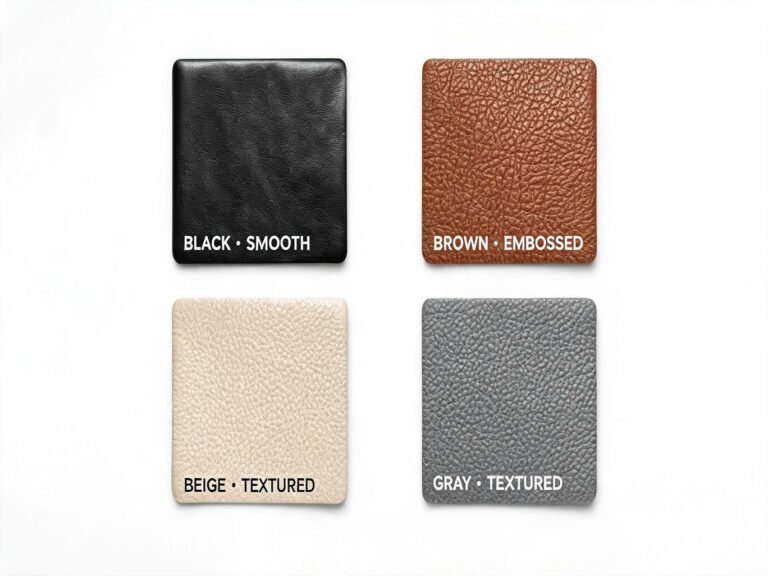
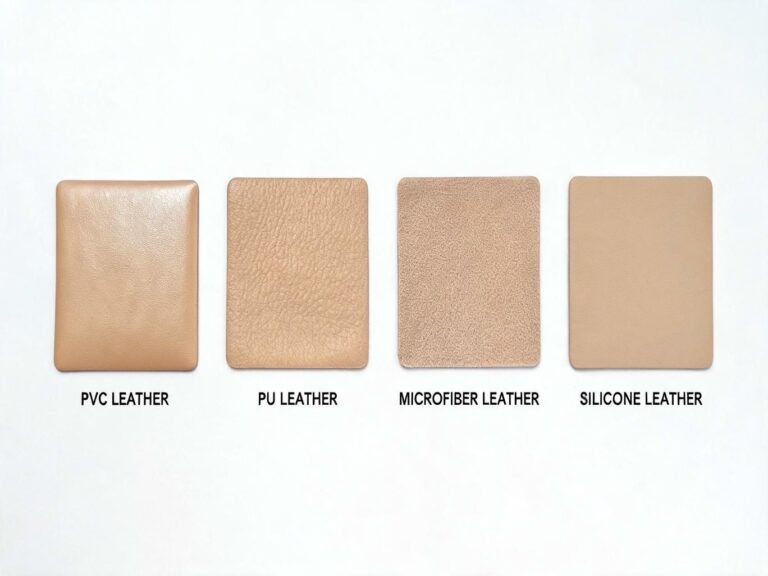
What is faux leather? Faux leather is a synthetic material designed to mimic genuine leather’s appearance and texture without using animal products. Also called synthetic leather, vegan leather, or pleather, this material supplies furniture, automotive, fashion, and countless other industries. While traditional options like PU and PVC leather have dominated markets for decades, silicone leather now delivers superior durability, safety, and environmental benefits.
Learn What Makes Silicone Leather Different →

What Is Faux Leather Made Of?
To define faux leather accurately, we must understand its composition. Unlike genuine leather sourced from animal hides, faux leather is constructed entirely from synthetic materials. The core definition of faux leather revolves around replicating leather aesthetics and tactile feel with manufactured polymers rather than organic animal hides.
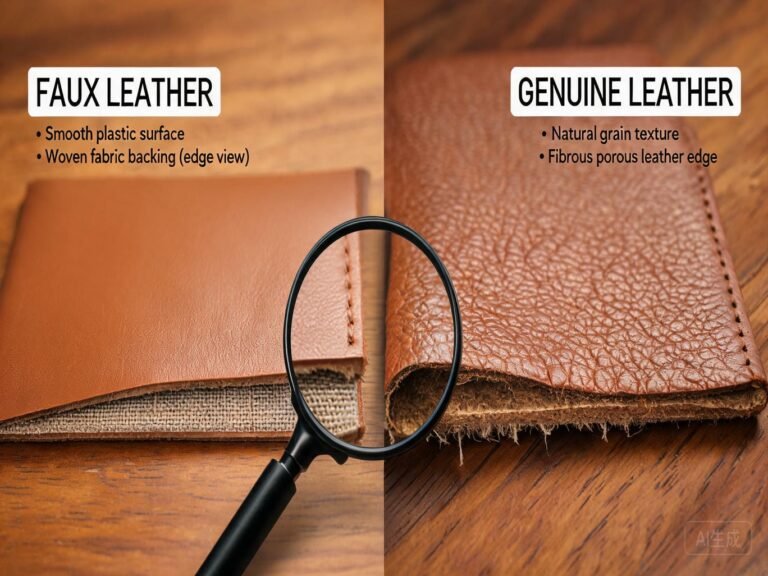
The basic structure of faux leather consists of two indispensable layers: a fabric backing substrate and a functional polymer topcoat. Manufacturers permanently bond these two layers to produce a finished material that closely resembles the look and touch of authentic animal leather.
The Fabric Base Layer
Nearly all faux leather products start with a woven or non-woven textile foundation. The most widely used base fabrics include:
- Polyester: Highly durable, cost-effective, and the dominant backing material for furniture and fashion faux leather
- Cotton: Delivers natural breathability and a luxuriously soft hand feel for high-end finished goods
- Microfiber: Creates an ultra-supple surface ideal for premium automotive and residential upholstery
- Recycled fabrics: A fast-growing sustainable solution for eco-conscious faux leather production lines
The Polymer Coating
The top polymer coating layer dictates the finished faux leather’s physical traits, visual grain, and long-term performance. Each polymer type yields drastically different end-product characteristics:
Polyurethane (PU): The most prevalent coating material for mass-market modern faux leather. PU boasts better air permeability than PVC and a more authentic leather-like touch. Even so, PU leather suffers from rapid material degradation, particularly in persistently humid environments.
Polyvinyl Chloride (PVC): The original industrial faux leather polymer. PVC offers robust water and stain resistance yet lacks breathability, and its integrated plasticizer additives raise notable environmental and public health concerns. Many ethical and sustainable brands now exclude PVC from their product catalogs entirely.
Silicone: The latest, most technologically advanced faux leather coating solution. Silicone leather features an inorganic silicone polymer top layer that outperforms both PU and PVC across durability, human safety, and eco-friendliness metrics.
Types of Faux Leather Materials
A full understanding of what faux leather is requires breaking down its distinct material variants. Each type caters to unique use cases, balanced against performance requirements and project budget limits.
1. PU (Polyurethane) Leather
PU leather occupies the largest mid-tier faux leather market segment. It delivers acceptable long-term wear resistance at an accessible price point. The production process coats a woven fabric base with liquid polyurethane, embossing the surface to replicate the natural grain of genuine leather.
That said, PU leather carries prominent functional downsides. The material undergoes hydrolysis over extended timeframes, breaking down upon prolonged contact with moisture and high humidity levels. In tropical regions or spaces with constant high humidity, standard PU leather typically develops cracks and surface peeling after only 2 to 3 years of regular use.
2. PVC (Polyvinyl Chloride) Leather
PVC leather ranks as the most budget-friendly faux leather option available. It features reliable water repellency and stain resistance, making it a go-to material for low-cost residential furniture and commercial public-space upholstery.
Its drawbacks, however, are substantial. PVC contains phthalate plasticizers and other chemical additives linked to long-term health risks and environmental pollution. The material also retains an obvious artificial plastic texture and fails to offer the breathable quality found in genuine leather or cutting-edge silicone leather alternatives.
3. Silicone Leather
Silicone leather represents the next generation of high-performance synthetic faux leather. Unlike petroleum-based PU and PVC, silicone leather utilizes inert inorganic silicone polymers that fully resist chemical hydrolysis, UV ray degradation, and extreme temperature fluctuations.
Its core competitive advantages include:
- A service lifespan of 10+ years without surface cracking, flaking, or peeling
- Industry-leading UV stability, perfectly suited for outdoor and sun-exposed applications
- Zero harmful plasticizers, volatile solvents, or toxic heavy metal additives
- Full compliance with food-grade and medical-grade global safety certifications
- A far more sustainable manufacturing and end-of-life lifecycle compared to petroleum-derived faux leather
4. Bio-Based and Plant Leather
Emerging sustainable faux leather substitutes are manufactured using agricultural waste and natural plant fibers. Popular options include Piñatex crafted from pineapple leaf fibers, Mylo mushroom leather, and apple-peel derived leather. While these plant-based materials hold strong eco-friendly appeal, they currently lack the consistent durability and mass-production scalability of silicone leather for large-scale industrial applications.
Faux Leather vs. Real Leather
When weighing faux leather against genuine animal leather, each material set carries unique benefits and unavoidable tradeoffs. Your final selection hinges on project performance demands, ethical sourcing priorities, and long-term durability expectations.
Durability and Longevity
Well-maintained genuine leather can remain intact for multiple decades. Conventional faux leather variants including PU and PVC generally last just 2–5 years under regular use. Silicone leather bridges this major performance gap, delivering a 10+ year usable lifespan that nearly matches genuine leather’s durability, with zero specialized recurring maintenance required.
Maintenance Requirements
Real leather necessitates monthly conditioning treatments and gentle, specialized cleaning solutions to prevent drying and cracking. All varieties of faux leather wipe clean effortlessly with mild soap and room-temperature water. Silicone leather boasts the simplest maintenance routine of all: nearly all liquid stains erase completely with a damp cloth, and the material never requires conditioning oils or custom cleaning formulas.
Environmental Impact
This side-by-side environmental comparison comes with complicated pros and cons. Genuine leather production consumes massive volumes of water and chemicals during tanning, alongside ethical concerns over animal farming and slaughter. Traditional PU and PVC faux leather rely on finite petroleum feedstocks and persist as non-biodegradable plastic waste once discarded into landfills.
Silicone leather presents a far more sustainable material pathway. It contains no plasticizers or toxic chemical additives, its extended service life drastically cuts down on replacement waste generation, and once it reaches the end of its usable cycle, silicone material can be fully recycled or safely incinerated without releasing toxic chemical fumes.
Cost Considerations
Genuine full-grain leather commands steep premium pricing, often costing 3–5 times more than entry-level faux leather rolls. Silicone leather falls within the mid-to-high price bracket, delivering performance comparable to top-tier genuine leather at a far more cost-effective overall price point than full-grain animal hides.
Compare Silicone Leather Products →
Common Applications and Uses
The practical scope of faux leather spans dozens of global manufacturing industries. Reviewing its most prevalent use cases makes it clear which faux leather material grade aligns with distinct project performance demands.
Furniture and Upholstery
Faux leather upholstery fabric dominates both residential and commercial furniture markets globally. Sofas, dining chairs, and bedroom headboards all benefit from the material’s simple cleaning process and uniform color and grain across full production runs. Silicone leather furniture now replicates the premium visual aesthetic of genuine leather while offering industry-leading stain resistance and long-term wear durability.
Automotive Interiors
Automotive OEM manufacturers increasingly specify faux leather for vehicle seats, dashboard surfaces, and interior door panels. The material delivers unmatched design flexibility and significant production cost advantages. For automotive interior projects that demand extreme wear and weather resistance, silicone leather automotive interiors withstand constant UV radiation, extreme hot and cold temperatures, and daily heavy passenger use far better than standard PU or PVC faux leather.
Fashion and Accessories
Handbags, casual footwear, and outerwear garments regularly utilize faux leather for both ethical animal-free sourcing reasons and lower production costs. The global fashion industry continuously drives innovation within bio-based plant leather alternatives, yet silicone leather is rapidly gaining popularity for luxury premium accessories that require multi-year wear resistance.
Medical and Healthcare
Hospital ward furniture, medical exam tables, and protective equipment surface covers require materials that withstand repeated cleaning with harsh industrial disinfectants. Silicone leather’s innate chemical resistance and verified biocompatibility certifications render it the ideal faux leather material for these rigorous clinical environments.
Marine and Outdoor
Boat cabin seating and all-weather outdoor patio furniture face relentless harsh environmental stressors. Continuous UV sunlight exposure, saltwater spray, and extreme temperature swings rapidly degrade conventional PU and PVC faux leather surfaces. Silicone leather’s all-weather stability makes it the preferred faux leather choice for these highly demanding outdoor and marine applications.

Why Silicone Leather Is the Better Choice
When stacked against every other commercially available faux leather variant, silicone leather stands out as the superior material solution. This advanced synthetic leather eliminates all the critical performance flaws that plague traditional PU and PVC faux leather, while delivering unique functional benefits that genuine animal leather simply cannot match.
Unmatched Durability
Silicone leather passes abrasion testing at over 100,000 Martindale wear cycles — vastly outperforming standard PU leather, which typically only achieves roughly 20,000 Martindale cycles. The material fully resists chemical hydrolysis, UV-induced surface fading, and extreme operating temperatures ranging from -40°C up to +200°C.
Real-world field performance confirms a usable lifespan of 10+ years, even within high-traffic commercial venue environments. This exceptional longevity drastically cuts down long-term total ownership costs, offsetting its marginally higher upfront material investment.
Industry Standard: Abrasion resistance testing follows ASTM D4966 (Martindale method), the internationally recognized standard for measuring textile abrasion resistance. This standard ensures consistent, comparable test results across manufacturers worldwide.
Superior Safety Profile
Conventional PU and PVC faux leather contains plasticizers, industrial solvents, and a range of other synthetic chemicals linked to chronic human health risks. Silicone leather is manufactured completely free of all these harmful chemical additives.
It holds globally recognized third-party safety certifications, including:
- FDA food-contact material approval
- ISO 10993-5 biocompatibility certification for medical device surface use
- Full REACH and RoHS regulatory compliance for all European Union market sales
- Near-zero volatile organic compound (VOC) emissions during use
These comprehensive safety accreditations make silicone leather suitable for baby product upholstery, clinical medical equipment, and food-contact surface applications — use cases where traditional PU and PVC faux leather fail to meet safety compliance standards.
Regulatory Compliance: Food-contact silicone materials must meet FDA 21 CFR Part 177.2600 requirements for rubber articles intended for repeated use. This regulation specifies extractives limits and safety testing protocols to ensure materials are safe for food contact applications.
Environmental Advantages
The silicone leather manufacturing process requires zero toxic industrial solvents or plasticizer additives. Its multi-decade service life reduces the frequency of full furniture and interior replacements, cutting down on global plastic waste output. When silicone leather reaches the end of its functional service life, the material can either be fully recycled or safely incinerated without releasing hazardous toxic chemical emissions into the atmosphere.
Compared to genuine animal leather production, silicone leather eliminates the resource-heavy hide tanning process and all associated wastewater chemical pollution generated by traditional leather tanneries.
Exceptional Performance Characteristics
Beyond its class-leading abrasion durability, silicone leather delivers a full suite of day-to-day practical functional perks:
- Universal stain resistance: The vast majority of liquid spills wipe away completely using only plain water
- Long-term color stability: Built-in UV inhibitor additives stop surface fading from constant sunlight exposure
- Full temperature stability: No sticky, tacky surface texture in hot summer weather, nor rigid cracking in freezing winter temperatures
- Broad chemical resistance: Surfaces remain intact after repeated wiping with commercial disinfectants and heavy-duty cleaning detergents
- Luxurious soft hand-feel: Premium tactile grain texture with none of the cheap artificial plastic sensation found in low-grade PVC leather
How to Choose Quality Faux Leather
Not all faux leather materials deliver equal performance standards. When evaluating faux leather rolls for your upcoming manufacturing or upholstery project, thoroughly assess these key material quality factors:
Check the Backing Material
Premium-grade faux leather always features a thick, tightly woven textile backing layer. Lightly stretch the material sample by hand — high-quality stock resists warping and permanent shape distortion. Thin, flimsy non-woven backing layers signal low-grade faux leather that will tear, stretch, or peel prematurely under regular use.
Examine the Surface
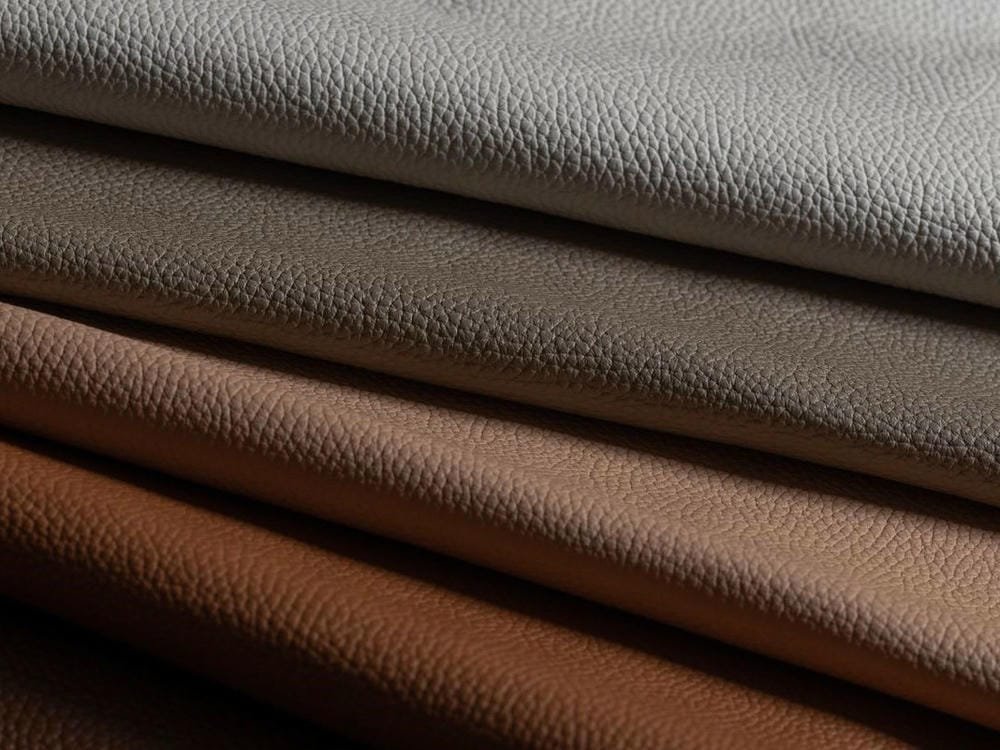
Top-tier faux leather exhibits fully uniform color saturation and consistent embossed grain texture across the entire material surface. Inspect the coating closely for even coverage, with no air bubbles, thin coating patches, or faint visible patterns of the underlying fabric backing showing through. Premium silicone leather offers surface grain finishes that replicate the intricate natural grain patterns of full-grain genuine leather with striking accuracy.
Test Flexibility
Fold and bend the material sample firmly multiple times. High-quality faux leather flexes smoothly without developing permanent white crease marks or surface cracking along folded lines. This simple hands-on test quickly reveals coating bonding strength and long-term flexible performance — a critical metric for all upholstery and wearable fashion faux leather applications.
Verify Certifications
For commercial manufacturing projects or sensitive end-use applications such as medical furniture and children’s goods, always request complete third-party certification documentation from your material supplier. Reputable faux leather manufacturers readily provide full lab test reports covering abrasion resistance, flame retardant ratings, and global chemical safety compliance standards. View TOPSUN’s certifications as a complete example of comprehensive quality and safety documentation for commercial synthetic leather stock.
Request Samples
Always evaluate physical material samples before finalizing large-volume bulk orders. Test the sample swatches under environmental conditions that perfectly match your finished product’s intended end-use environment. For outdoor patio or marine furniture projects, expose sample swatches to direct sunlight and consistent moisture for multi-week testing cycles. For residential and commercial indoor furniture upholstery, conduct repeated abrasion testing on sample surfaces to simulate long-term daily wear on high-traffic seating areas.
Request Free Silicone Leather Samples →
Conclusion: Making the Right Choice
Gaining a clear understanding of what faux leather is made of empowers you to make fully informed material selection decisions for every project. While budget PU and PVC faux leather remain viable low-cost options for temporary, low-wear applications, their inherent flaws in durability and chemical safety severely limit their suitability for long-term commercial, medical, automotive, and residential furniture projects.
Silicone leather represents the natural evolutionary upgrade for synthetic faux leather materials. By merging the premium visual grain aesthetic of genuine animal leather with market-leading durability, verified global safety compliance, and superior environmental sustainability credentials, silicone leather fully satisfies the rigorous material requirements of discerning buyers operating within furniture, automotive, medical, and luxury fashion manufacturing sectors.
For commercial and residential projects that demand multi-year reliable performance, effortless routine maintenance, and fully certified chemical safety, silicone leather delivers unmatched long-term value that easily justifies its minor price premium over entry-level PU and PVC faux leather alternatives.
Ready to experience the difference silicone faux leather can bring to your products? Contact TOPSUN to order physical material samples, access full technical specification datasheets, and receive expert personalized guidance on selecting the perfect grade of faux leather material tailored to your unique production application.
Related Articles
About TOPSUN: TOPSUN is a leading silicone leather manufacturer with over 60,000 square meters of production facilities, 233 registered technical patents, and globally recognized industry certifications including ISO 9001, FDA food-contact approval, REACH, and IATF 16949 automotive quality standards. We supply premium synthetic faux leather material solutions to well-known global brands operating within furniture, automotive interior, medical equipment, and luxury fashion manufacturing industries.