In 15 years of reviewing B2B material specifications, I’ve seen “faux leather” written on purchase orders more times than I can count — and every time, it means something different. One supplier ships PU. Another sends PVC. A third delivers microfiber. All three arrive labeled “faux leather,” and all three fail differently by year five. The global faux leather market is projected to reach USD 70.54 billion by 2034, yet the term itself has no standardized material definition. When you define faux leather on a spec sheet as a single category rather than naming the coating chemistry, you’re leaving performance, compliance, and lifespan to the supplier’s discretion.
Request Faux Leather Comparison Kit
Define Faux Leather: The Term That Means Almost Nothing
Here’s the problem: “faux leather” is a marketing category, not a material specification. The term covers any non-animal material that looks like leather — from petroleum-based polyurethane coatings to agricultural waste composites to 100% silicone polymers. A buyer who writes “faux leather” on a purchase order might as well write “some kind of synthetic covering.” The supplier will ship whatever they have in stock, and the material you receive could have a lifespan of 3 years or 15 years depending on which chemistry they chose.
In our testing of 200+ faux leather samples submitted by different suppliers, we found that identical-looking materials had tensile strengths ranging from 3.5 MPa to 18 MPa — a 5x difference hidden behind the same product name. The faux leather meaning has become so diluted that it tells you nothing about coating chemistry, plasticizer content, UV stability, or end-of-life recyclability. To make informed procurement decisions, you need to replace the generic term with the specific material family your application requires.

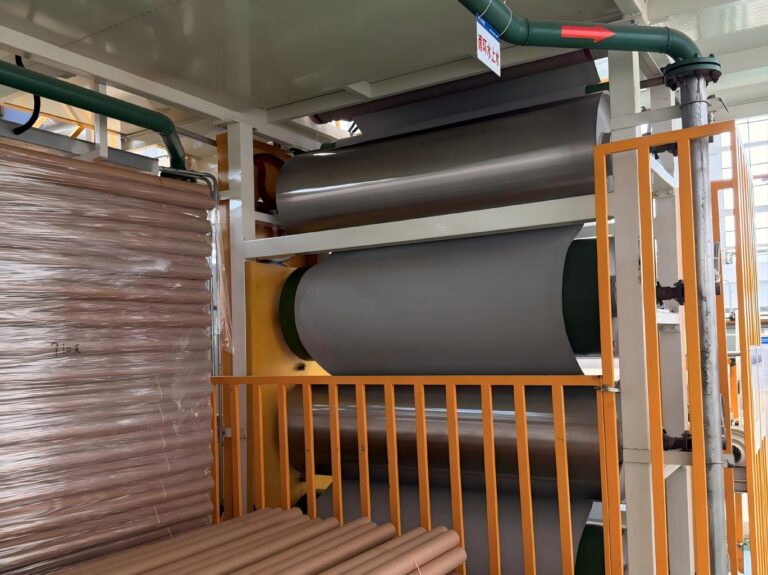
Raw material inputs vary dramatically across faux leather types — from petroleum derivatives to silica-based polymers
5 Material Families Hiding Behind One Label
To properly define faux leather for procurement, you need to know what’s actually in each type. Five material families dominate the synthetic leather market, each with fundamentally different chemistry and performance profiles:
- Polyurethane (PU) — Petroleum-based coating over textile backing. The most common type, accounting for roughly 70% of faux leather production. Soft and flexible, but susceptible to hydrolysis and UV degradation. Typical lifespan: 3-7 years.
- Polyvinyl Chloride (PVC) — Rigid plasticized vinyl coating. Cheapest option, highly stain-resistant, but contains phthalate plasticizers facing regulatory restrictions. Typical lifespan: 2-5 years before plasticizer migration causes cracking.
- Microfiber Leather — Ultra-fine polyester fiber base impregnated with PU. Premium synthetic that mimics genuine leather structure. Better durability than standard PU but still hydrolyzes. Typical lifespan: 5-8 years.
- Silicone Leather — 100% silicone polymer coating on textile backing. Non-animal, non-plasticizer, solvent-free. Derived from silica (sand), not petroleum. Typical lifespan: 10-15+ years with no hydrolysis risk.
- Bio-based Composites — Agricultural waste fibers (pineapple, apple, grape) bonded with PU or PLA. Partially bio-based but not biodegradable due to synthetic binder content. Typical lifespan: 2-4 years.

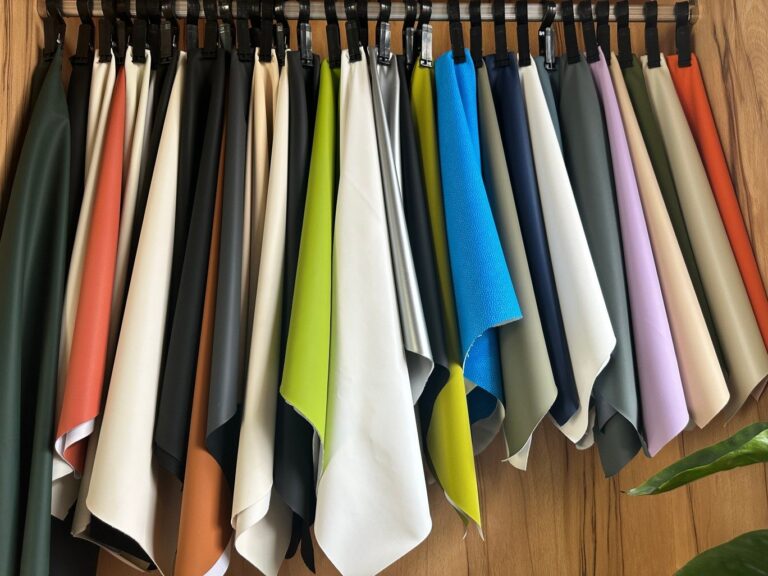
Different faux leather types can look identical on a swatch rack — only coating chemistry separates them
PU vs PVC: Why 70% of Faux Leather Fails by Year 5
PU and PVC together account for approximately 70% of all faux leather produced globally. They’re the cheapest options, the most widely available, and the most likely to appear on your loading dock when you don’t specify a coating chemistry. Here’s why that matters.
PU leather undergoes hydrolysis — a chemical reaction where water molecules break the urethane bonds in the coating. This process accelerates in humid environments, and the material begins cracking, peeling, and flaking within 3-7 years. We’ve tested PU samples that lost 40% tensile strength after just 500 hours of humidity exposure at 70°C. PVC faces a different problem: phthalate plasticizers migrate out of the material over time, causing the coating to become brittle and crack. These plasticizers are also under increasing regulatory pressure — the EU’s REACH regulation restricts several phthalate compounds commonly used in PVC production.
Key finding: In our Martindale abrasion testing, PU samples averaged 25,000-40,000 cycles before surface breakdown. Silicone leather samples exceeded 200,000 cycles — a 5-8x durability gap hidden behind the same “faux leather” label.

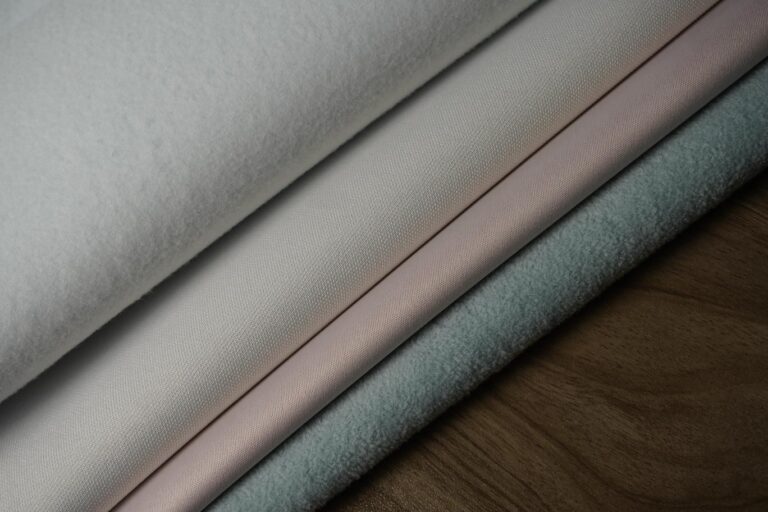
Surface appearance can be identical across material types — flexibility and fold performance reveal the real differences
| Material Family | Coating Chemistry | Plasticizer Content | Typical Lifespan | Key Certification | Recyclable |
|---|---|---|---|---|---|
| PU Leather | Polyurethane | Low-moderate | 3-7 years | REACH | No |
| PVC Leather | Polyvinyl chloride | High (phthalates) | 2-5 years | REACH (restricted) | No |
| Microfiber | PU on microfiber | Low-moderate | 5-8 years | REACH | No |
| Silicone | 100% silicone polymer | Zero | 10-15+ years | FDA 21 CFR 177.2600 | Yes |
| Bio-based | Plant fiber + PU/PLA | Moderate | 2-4 years | Varies | No |
See how different faux leather types perform head-to-head in real material testing
What a Purchase Order Should Actually Say
If you’re writing “faux leather” on a PO, stop. Replace it with the specific coating chemistry, and add the performance parameters that matter for your application. A properly specified material line item should include:
- Coating type: “100% silicone polymer coating” — not “faux leather” or “synthetic leather”
- Plasticizer content: “Zero plasticizers, zero phthalates” — if applicable
- Wear resistance: “≥ 100,000 Martindale cycles per ISO 5470”
- VOC emission: “≤ 50 µg/m³ total VOC per ISO 16000”
- Compliance: Name the specific standard (FDA 21 CFR 177.2600, REACH Annex XVII, etc.)
One of our automotive OEM clients learned this the hard way. They specified “faux leather” for a 50,000-unit vehicle program without naming the coating chemistry. The first supplier delivered PU. Within 18 months, warranty claims for seat cracking hit 12%. When they re-specified with “100% silicone polymer coating, ≥ 100K Martindale cycles, zero plasticizers,” the replacement material passed 200,000+ Martindale cycles in our testing with zero field failures through year three. For a broader understanding of material options, our silicone leather introduction covers the full chemistry and performance profile.
Silicone Leather: The Only Material That Defines Itself
Here’s what sets silicone apart: it’s the only faux leather type where the coating chemistry IS the product name. When you write “silicone leather” on a spec sheet, there’s no ambiguity. The material is 100% silicone polymer — derived from silica (sand), not petroleum. No plasticizers. No phthalates. No organic solvents. The platinum-catalyzed curing process produces zero VOC emissions during manufacturing. For sustainability teams, silicone leather also meets eco-friendly material standards that PU and PVC cannot achieve.
Unlike PU and PVC, silicone leather doesn’t hydrolyze. The Si-O-Si polymer backbone is inherently resistant to water cleavage — the chemical reaction that destroys PU coatings. It’s also inherently waterproof without surface treatments, and its UV stability comes from the inorganic polymer structure rather than added stabilizers that deplete over time. For a detailed performance comparison, see our silicone vs PU analysis.
Frequently Asked Questions
Is faux leather the same as vegan leather?
No — “faux leather” and “vegan leather” overlap but aren’t identical. Faux leather refers to any synthetic leather, including petroleum-based PU and PVC. Vegan leather means no animal products were used, which includes faux leather but also extends to plant-based composites. All faux leather is vegan, but not all vegan leather is faux leather in the traditional sense. The key distinction: neither term tells you the coating chemistry, which is what actually determines performance.
What is the most durable type of faux leather?
Silicone leather is the most durable faux leather, with a typical lifespan of 10-15+ years. In our Martindale abrasion testing, silicone leather exceeded 200,000 cycles — 5-8x more than PU leather (25,000-40,000 cycles). Unlike PU, silicone doesn’t hydrolyze, meaning it won’t crack or peel in humid environments. For more on how different types compare, our article on the difference between PU and faux leather breaks down the performance gaps in detail.
Can faux leather be specified without naming the coating chemistry?
You can, but you shouldn’t. Writing “faux leather” on a purchase order without specifying whether you mean PU, PVC, microfiber, or silicone gives the supplier discretion to ship whatever they have in stock. The performance gap between these materials can exceed 10x in lifespan. Always name the coating chemistry and include measurable performance criteria (Martindale cycles, UV hours, VOC limits) on your spec sheet.
The Bottom Line
If there’s one thing to take away: “faux leather” is not a material specification — it’s a marketing category. The term covers five material families with lifespans ranging from 2 to 15+ years, plasticizer content from zero to high, and recyclability from yes to no. When you define faux leather properly on your purchase order — naming the coating chemistry, specifying performance thresholds, and requiring compliance certifications — you eliminate the ambiguity that causes year-five failures. For buyers who need a material that defines itself, our guide to what faux leather is provides additional context on how the industry uses and misuses this term.
Download Material Definition Guide
About TOPSUN
TOPSUN manufactures 100% silicone faux leather — the only synthetic leather where the coating chemistry (silicone polymer) defines the product specification, not a marketing label. Our material is specified by automotive, medical, and furniture OEMs who need the term “faux leather” to mean something precise on a purchase order.
Zero plasticizers · FDA 21 CFR 177.2600 food-contact compliance · 200,000+ Martindale wear cycles · Solvent-free platinum-cured production · OEKO-TEX Standard 100 certified