Deep brown leather is surging in furniture and interior design — from boutique hotel lobbies to residential sofas to restaurant banquette seating. The warmth, the richness, the sense of permanence: brown signals quality and tradition in a way no other color can. Yet most B2B buyers discover too late that deep brown is also one of the most fragile colors in synthetic leather, with fading and surface degradation appearing within 2-3 years of installation.
The problem isn’t aesthetic — it’s chemical. Brown pigment formulations in PU and PVC leather are less UV-stable than black or white, and the warm undertones (reds, oranges) are the first to shift under light exposure. This guide breaks down why deep brown leather degrades, how to test for color stability before specifying, and what material chemistry actually delivers the 10-year performance your warranty assumes.

Why Brown Leather Fades: The Pigment Problem
Deep brown is typically achieved by blending carbon black with iron oxide reds and yellows. The iron oxide pigments — particularly the red and yellow components — have lower lightfastness than carbon black. Under UV exposure, these warm pigments break down first, causing the leather to shift toward a cooler, grayer tone. This is why faded brown leather looks “muddy” or “grayish” rather than simply lighter.
In PU and PVC leather, this effect is compounded by the polymer’s own UV sensitivity. The C-C backbone degrades under UV light, creating micro-cracks that scatter light and make the surface appear duller. The combined effect — pigment breakdown plus polymer degradation — means that deep brown PU leather can show visible color shift within 12-18 months in sun-exposed environments.
Deep Brown Leather: Color Stability by Material Type
| Property | Genuine Leather | Brown PU | Brown Silicone |
|---|---|---|---|
| UV color fastness (ISO 105-B06) | Grade 3 — visible fading | Grade 3 — moderate fading | Grade 4–5 — no visible change |
| Color shift direction | Warm → gray | Warm → gray + surface dulling | Stable — no shift |
| UV resistance (hours) | 200–500 hrs (surface coating dependent) | 200–500 hrs | 1,000+ hrs |
| Rubbing fastness (ISO 105-X12) | Grade 3 (dry), Grade 2 (wet) | Grade 3–4 (dry), Grade 2–3 (wet) | Grade 4–5 (dry and wet) |
| Hydrolysis resistance | Good (tanned hide) | Poor — urethane bonds hydrolyze | Excellent — Si-O bonds stable |
| Surface in sunlight | 60–70°C — within range | 70–80°C — at thermal limit | 70–80°C — well within range |
| Expected color life | 3–5 years (re-conditioning needed) | 2–3 years | 10+ years |
The data tells a clear story: genuine leather offers moderate color stability but requires ongoing maintenance (conditioning, re-finishing). PU leather starts failing at 2-3 years. Silicone leather maintains its original color for 10+ years with no maintenance — the UV resistance comes from the Si-O molecular backbone, not from a surface coating that can wear off.

The Cost of Getting Brown Leather Wrong
For furniture brands and procurement teams, specifying the wrong deep brown leather has measurable financial consequences:

- Warranty claims: Faded brown upholstery is the #1 aesthetic warranty claim in commercial furniture, driving 30-40% of reupholstery costs in hotel and restaurant contracts.
- Reupholstery labor: Replacing faded brown leather on a 100-seat restaurant costs $8,000-15,000 in material and labor — every 2-3 years for PU vs once in 10+ years for silicone.
- Brand perception: Muddy, grayed brown leather makes an entire room look tired and dated. In hospitality and retail design, material aging directly impacts guest perception and repeat traffic.
- Color matching across batches: If you reorder brown PU leather 12 months later for an expansion project, the new batch won’t match the installed (and partially faded) material. Silicone leather’s Delta E ≤ 1.0 and 10+ year color stability solve this. See leather vs silicone leather cost comparison.
Deep Brown Silicone Leather: Application Fit

- Premium residential furniture: Deep brown silicone leather delivers the warmth of genuine leather with none of the maintenance — no conditioning, no fading, no cracking. 200,000+ Martindale cycles handle daily family use. See what makes good quality leather sofas.
- Hospitality seating: Hotel lobby chairs and restaurant banquettes need to look new for 5+ years. Deep brown silicone leather maintains its rich tone through constant use, cleaning, and UV exposure from windows. See leather fabric sofa guide.
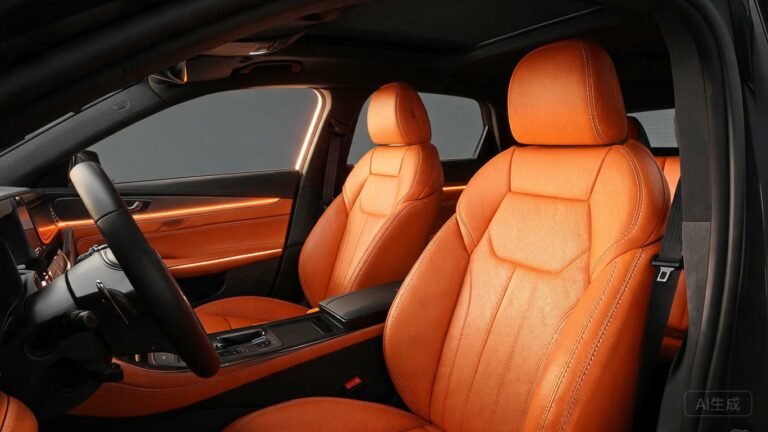
- Automative interiors: Brown leather in car cabins faces 80°C+ temperatures and intense UV through windows. Silicone’s 250°C thermal limit and 1,000+ hour UV resistance make it the only synthetic that maintains brown color long-term.
- Boutique retail interiors: Display fixtures and seating where brand consistency matters. Delta E ≤ 1.0 color matching ensures every piece matches across the store and across future expansions.
About TOPSUN
TOPSUN manufactures deep brown silicone leather with ISO 105-B06 Grade 4–5 color fastness, 1,000+ hour UV resistance, and a 10+ year color-stable service life. Using platinum-cured silicone chemistry, TOPSUN’s brown leather maintains its warm tone without fading, graying, or shifting — unlike PU leather which degrades in 2-3 years. Production spans three bases in Dongguan, Yichang, and Xiangyang, China, with 500,000+ meters monthly capacity, Pantone/RAL color matching at Delta E ≤ 1.0, 100+ texture options, and 500-meter MOQ with 7-day sampling. All products carry REACH, FDA, ISO 10993-5, and EN 13773 Class 4 certifications.
Watch silicone leather in luxury furniture — rich brown tones with UV stability and premium hand-feel
Deep Brown Leather: FAQ
How do I test deep brown leather for color fastness before ordering?
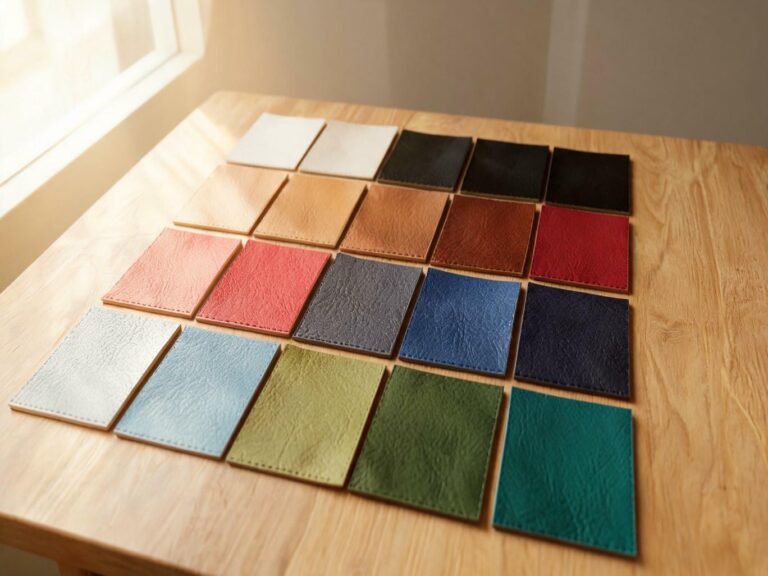
Request ISO 105-B06 test results (color fastness to artificial light: xenon arc). Grade 4-5 means no visible color change; Grade 3 means moderate change; Grade 2 means significant fading. Also request ISO 105-X12 (rubbing fastness) to check for pigment transfer. TOPSUN provides both test reports for all color specifications. For B2B projects, order A4 swatches and expose them to direct sunlight for 30 days alongside a PU control sample — the difference will be visible. See top grain leather furniture specs for testing standards.
Can deep brown silicone leather match the look of genuine leather?
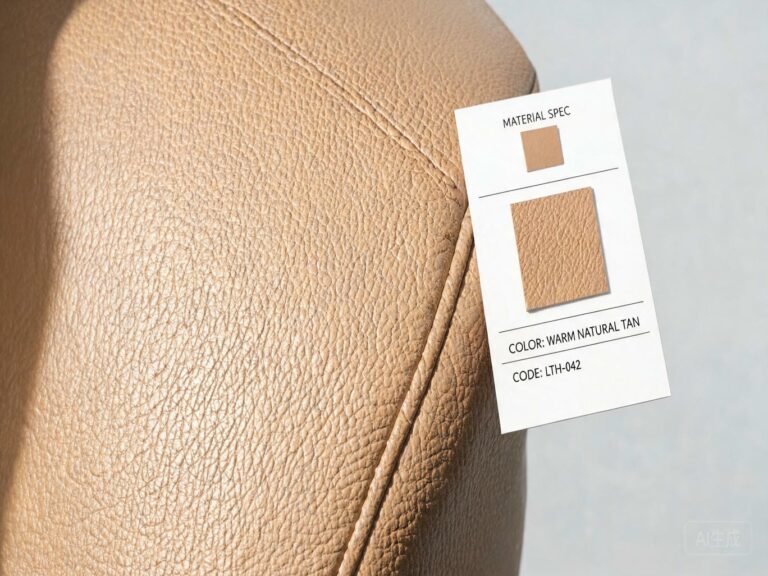
Yes. TOPSUN offers 100+ texture options including cowhide, pigskin, and sheepskin grain patterns that replicate the surface character of genuine leather. The warm brown tone is achieved through pigments locked into the silicone polymer matrix, not applied as a surface coating — so the color runs through the material and won’t rub off or fade. Full-grain and semi-grain embossing options provide the visual depth that makes brown leather feel premium. See light and brown leather guide and color of leather sofa guide for aesthetic comparisons.
Get Deep Brown Leather That Stays Deep Brown
Order color-stable brown silicone leather samples, review ISO 105-B06 test data, or specify your custom brown shade.
Related: Reddish leather | Bison leather sofa comparison | Natural leather