Choosing the wrong silicone leather supplier can cost your business far more than a bad batch of material. Product recalls, delayed shipments, and inconsistent quality erode margins fast. Yet many procurement teams still treat supplier selection as a price comparison exercise, not a strategic decision. After working with OEM buyers across automotive, furniture, and medical sectors, we have seen what separates a reliable partnership from a costly mistake.
This guide walks you through the entire evaluation process, from initial screening to factory audits, testing requirements, and total cost analysis. Whether you are sourcing for automotive interiors, contract furniture, or consumer products, the criteria below will help you make a confident, data-driven decision.
Key takeaway: A thorough supplier evaluation takes 2 to 4 weeks but prevents months of production headaches. The best silicone leather manufacturers will welcome your scrutiny, not resist it.
Why Silicone Leather Supplier Selection Matters for Your Bottom Line
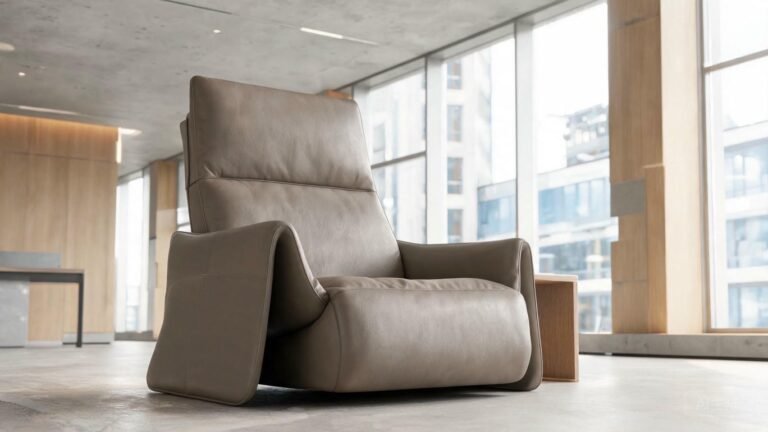
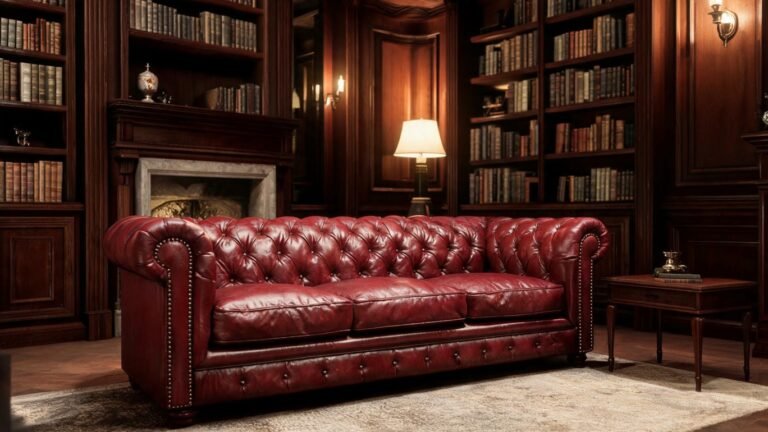
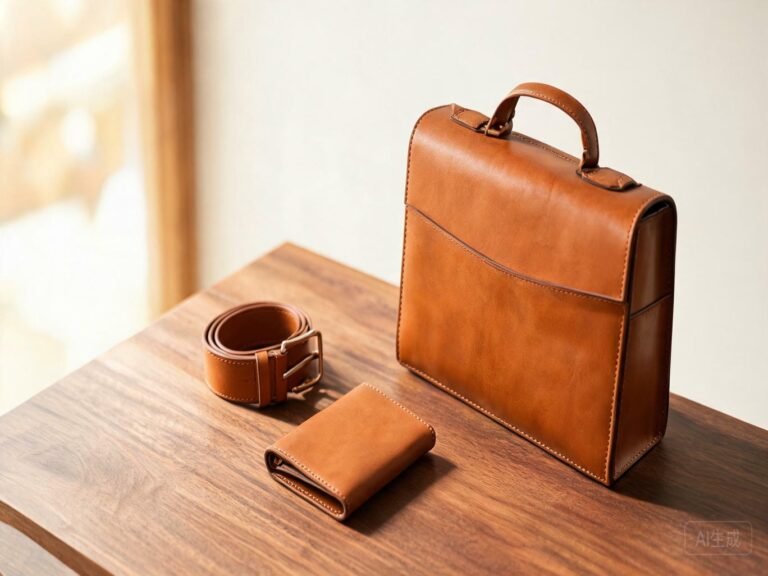
Silicone leather is not a commodity you can swap between vendors on a whim. Each manufacturer formulates its own silicone coating chemistry, selects its own substrate materials, and controls its own curing processes. The result is significant variation in durability, color consistency, flame resistance, and surface feel across different suppliers.
The stakes are especially high in regulated industries. Automotive OEMs must meet ISO quality management standards and specific flammability requirements. Medical equipment manufacturers need biocompatibility assurance. Furniture brands serving hospitality markets depend on materials that pass rigorous abrasion and stain-resistance tests. A single batch failure in any of these sectors can trigger returns, warranty claims, and reputational damage.
We once worked with a European furniture manufacturer who switched to a lower-cost supplier without auditing their production line. Within three months, they received customer complaints about color fading on outdoor lounge chairs. The replacement cost, including logistics and re-upholstery, exceeded the initial savings by four times. The lesson was straightforward: when sourcing materials, cheapest is rarely cheapest in the long run.
Key Criteria for Evaluating a Silicone Leather Manufacturer
When you are evaluating a silicone leather manufacturer, certifications and production capability are your starting points, not your finish line. A quality certification on paper means little if the factory cannot reproduce that quality consistently at scale. Here are the criteria that actually matter.
Certifications and compliance. Look for ISO 9001 as a baseline. Depending on your end market, you may also need REACH compliance, RoHS, FDA clearance for food-contact applications, or OEKO-TEX certification for baby products. Ask for copies of current certificates, not screenshots from a website. Verify expiration dates and the scope of each certification.
Production capacity and lead times. A manufacturer running three coating lines can handle larger orders and more consistent throughput than a single-line operation. Ask about monthly output in meters, typical lead times for standard vs. custom colors, and their track record during peak seasons. Capacity constraints are the most common cause of shipment delays.
Customization range. Can they match your Pantone reference? Do they offer multiple texture options, embossing depths, and substrate choices? A supplier with limited customization forces you to compromise your design vision. The best manufacturers maintain an extensive swatch library and can produce bespoke colors within a few weeks.

A comprehensive swatch rack signals a manufacturer’s customization capability and color consistency standards
| Evaluation Factor | What to Check | Red Flag |
|---|---|---|
| Quality Certifications | ISO 9001, REACH, RoHS, FDA, OEKO-TEX | Certificates expired or scope mismatch |
| Production Capacity | Monthly output, number of coating lines | Single line, no redundancy plan |
| Customization Capability | Pantone matching, texture library, substrate range | Only stock colors, no custom options |
| Quality Control System | In-line inspection, lab testing, batch records | No documented QC process |
| Export Experience | Years exporting, target markets, client references | No track record in your region |
How to Conduct a Factory Audit for Silicone Leather Sourcing
A factory audit is the most revealing step in the entire silicone leather sourcing process. You learn more in one day on the production floor than in weeks of email exchanges. If an on-site visit is not feasible, request a live video tour instead. A reputable supplier will accommodate either format without hesitation.
What to look for during the visit:
- Raw material storage: Are silicone resins and base fabrics stored in climate-controlled conditions? Temperature and humidity fluctuations affect coating adhesion and final product consistency.
- Coating line cleanliness: Dust and debris on the production line cause surface defects. Look for enclosed coating stations and regular cleaning schedules posted visibly.
- Curing oven calibration: Silicone coating requires precise temperature control during curing. Ask to see oven temperature logs and calibration records from the past three months.
- Winding and packaging: Improper winding tension causes crease marks that only appear after the material reaches your factory. Check that rolls are wound with consistent tension and wrapped in protective packaging.
- Worker safety and training: Well-trained operators produce better material. Look for safety signage, protective equipment, and visible training records on the shop floor.
Our production floor, for example, displays real-time temperature and humidity readings at each workstation. We have found that this transparency alone catches 15 to 20 percent of potential batch inconsistencies before they happen. When auditing any facility, pay attention to whether they track environmental conditions proactively or reactively.
Testing and Quality Assurance Standards in Silicone Leather Procurement
Quality assurance is where procurement teams can separate serious manufacturers from trading companies masquerading as factories. The right silicone leather supplier should operate a dedicated testing lab, not outsource every quality check to a third party. For more on this topic, our article on how to evaluate a leather manufacturer covers the distinction in detail.
During your silicone leather procurement process, request the following test reports for every production batch:
- Martindale abrasion resistance – Minimum 20,000 cycles for furniture applications, 40,000+ for high-traffic commercial use.
- Color fastness to rubbing – Dry and wet, Grade 4 or higher on the grey scale.
- Tear strength – Verify minimum tear force in Newtons per the application standard.
- Flame retardancy – Confirm compliance with your target standard (UL 94, FMVSS 302, EN 13773, etc.).
- Hydrolysis resistance – Particularly important for humid environments and outdoor use. Request accelerated aging data.
- VOC emissions – Low or zero VOC emissions are a competitive advantage for automotive and indoor air quality compliance.
See how our quality control team inspects every batch before shipment

Hands-on fabric inspection at multiple production stages ensures consistency across orders
Pro tip: Always request a Technical Data Sheet (TDS) before placing your first order. Compare the specifications against your product requirements. If a supplier cannot provide a TDS, that is a significant warning sign.
What a Silicone Leather Vendor Evaluation Should Include for Lab Testing
Beyond standard batch tests, a thorough vendor evaluation should include an assessment of the manufacturer’s in-house laboratory capabilities. The ability to perform rapid testing in-house means faster turnaround on custom orders and quicker identification of any production issues.
Ask the supplier to walk you through their testing workflow. A well-equipped lab typically includes abrasion testers, tensile strength machines, color fastness equipment, waterproof droplet testers, and flame retardancy chambers. The presence of these instruments signals a commitment to quality that goes beyond minimum compliance.

An in-house testing lab allows for real-time quality checks and rapid problem solving
In our experience, manufacturers who invest in comprehensive lab equipment typically deliver 30 percent fewer defective batches. The correlation is not surprising, but it is often overlooked during silicone leather sourcing when procurement teams focus primarily on unit price rather than quality infrastructure.
Cost vs. Value: Understanding Total Cost of Ownership in B2B Leather Sourcing
Unit price per meter is the most visible cost, but it tells a fraction of the story. In B2B leather sourcing, total cost of ownership (TCO) includes material cost, quality-related returns, warranty claims, lead time variability, and the hidden cost of switching suppliers mid-project. Understanding TCO is what separates experienced procurement professionals from buyers who chase the lowest quote.
| Cost Component | Budget Supplier | Quality-Focused Supplier |
|---|---|---|
| Material Cost (per meter) | $4 to $6 | $7 to $12 |
| Defect Rate | 5% to 8% | 1% to 2% |
| On-Time Delivery Rate | 75% to 85% | 95%+ |
| Warranty Claims (per 1,000 units) | 12 to 20 | 2 to 4 |
| Effective TCO (3-year estimate) | Higher than initial quote | Often lower over time |
For a more detailed breakdown, our guide on leather MOQ and pricing explains how order volume, customization level, and certification requirements affect your final landed cost.
Red Flags to Watch For When Selecting a Silicone Leather Vendor
Over the years, we have heard countless stories from buyers who ignored warning signs during their silicone leather procurement process. Some patterns repeat often enough to warrant a dedicated checklist. If you encounter any of the following, proceed with caution or walk away entirely.
- Refusing factory visits or video tours. A legitimate manufacturer has nothing to hide. If they deflect your request with vague excuses about “confidential processes,” that is a serious concern.
- No traceable batch records. Without batch tracking, you cannot trace quality issues back to a specific production run. This makes root cause analysis impossible when problems arise.
- Inconsistent samples. If the samples you receive vary in color, thickness, or texture across different shipments, expect the same or worse inconsistency in bulk orders.
- Unusually low pricing with no explanation. A price 30 to 40 percent below market average usually means corners are being cut on raw materials or quality control.
- No third-party test reports available. Self-issued certificates are not a substitute for SGS, Intertek, or similar accredited lab reports. This is especially critical for regulated industries like automotive, medical, and baby products.
- High staff turnover on the production floor. Experienced operators are essential for consistent silicone coating quality. Ask about average worker tenure and training programs during your audit.
For a deeper look at what to look for beyond basic criteria, our article on how to choose a silicone leather factory covers additional assessment dimensions that many buyers overlook.
Delivery, Logistics, and Long-Term Supply Reliability
Even the best material is useless if it arrives late or damaged. Reliable logistics is a critical but underappreciated factor in silicone leather sourcing. During your supplier evaluation, ask about their packaging standards, warehousing capacity, and shipping partnerships.
Proper packaging protects material from moisture, UV exposure, and physical damage during transit. We wrap all finished rolls in moisture-resistant film and secure them on pallets for international shipping. One of our automotive clients in Germany reported zero shipping damage incidents over two years of regular deliveries, which they attributed partly to our packaging process.

Properly wrapped and palletized rolls ensure material arrives in factory-condition quality
Also evaluate the supplier’s buffer stock policy. A manufacturer that maintains raw material inventory for common substrates can respond faster to rush orders. This flexibility matters when your production schedule shifts unexpectedly, as it often does in B2B manufacturing.
Frequently Asked Questions About Silicone Leather Sourcing
What is the typical MOQ for a silicone leather supplier?
Most manufacturers set MOQs between 300 and 1,000 meters per color, depending on the complexity of the formulation. Custom colors or special textures may require higher minimums. Some suppliers, including TOPSUN, offer lower MOQs for standard colors to accommodate trial orders and new product development.
How long does it take to receive custom silicone leather samples?
For standard custom colors, expect 7 to 14 business days from color confirmation to sample delivery. Fully custom textures or substrate combinations may take 3 to 4 weeks. Express sample services are sometimes available for urgent projects, though this typically incurs an additional surcharge.
What certifications should a silicone leather supplier have?
At minimum, look for ISO 9001 for quality management. Additional certifications depend on your application: REACH and RoHS for European markets, FDA for food-contact products, OEKO-TEX for baby and children’s items, and UL 94 or EN 13773 for flame retardancy in automotive and public spaces. Always verify that the certificate scope covers the specific product type you are purchasing.
Can silicone leather be customized for specific industry applications?
Yes, experienced manufacturers can tailor silicone leather for specific industries by adjusting coating thickness, substrate composition, texture depth, and additive formulations. For example, automotive interior leather often requires low fogging and UV stability, while marine applications demand enhanced salt spray and hydrolysis resistance. Discuss your technical requirements with the supplier early in the evaluation process.
Making Your Silicone Leather Supplier Decision with Confidence
Selecting the right silicone leather supplier is a strategic investment in your product quality and brand reputation. It requires looking beyond unit price to evaluate certifications, factory capabilities, testing standards, and long-term supply reliability. The time you spend on a thorough evaluation pays for itself many times over in reduced defects, fewer delays, and stronger supplier relationships.
Start with a detailed requirements document. Request samples, audit the facility, and review test data before committing to a large order. The best suppliers will support you through every step of this process because they understand that an informed buyer becomes a long-term partner.
Get a Custom Quote for Your Project
About TOPSUN
TOPSUN is a specialized silicone leather manufacturer with a state-of-the-art coating facility equipped with multiple production lines, an in-house testing laboratory, and a dedicated R&D team. We serve B2B buyers across automotive, furniture, medical, outdoor, and consumer product industries worldwide.
Certifications: ISO 9001, REACH, RoHS, FDA, OEKO-TEX, UL 94. OEM and ODM services available.