When procurement teams specify high end leather for automotive interiors, luxury furniture, or premium retail spaces, they usually mean full-grain animal hide. But here’s what’s changing in 2026: the definition of “high end” is shifting from material origin to material performance. A growing number of OEMs are quietly swapping genuine leather for silicone leather — not because it’s cheaper, but because it outlasts traditional leather by 2–3x in real-world abrasion testing.
What Actually Makes Leather “High End”? The 4 Specs That Matter
Most buyers conflate “high end leather” with “genuine” or “full-grain” — but those labels describe origin, not performance. In our testing lab, we’ve seen full-grain leather from reputable tanneries fail UV stability tests at 800 hours while silicone-coated alternatives held color fastness past 1,500 hours. The specs that actually determine whether a leather qualifies as “high end” for B2B applications are:
- Martindale abrasion resistance — minimum 50,000 cycles for commercial use; genuine leather typically hits 80,000–120,000, while premium silicone leather exceeds 200,000
- UV color fastness — measured in ASTM D4329 hours; the difference between a sofa that fades in 2 years vs. one that holds color for 10+
- Temperature tolerance — genuine leather cracks below −10°C; silicone leather stays flexible at −40°C
- Chemical and stain resistance — critical for healthcare, hospitality, and food-contact environments

Martindale abrasion testing: the benchmark for determining whether a leather is truly “high end”
If your supplier can’t produce test reports for all four, the “high end” claim is marketing, not material science.
High End Leather Types Compared: Genuine, PU, and Silicone
Three materials dominate the premium leather market for B2B buyers. Here’s how they actually compare on the metrics that matter:
| Property | Genuine Leather | PU Leather | Silicone Leather |
|---|---|---|---|
| Martindale Abrasion | 80K–120K cycles | 20K–50K cycles | 200K+ cycles |
| UV Resistance | Moderate (fades over time) | Low to moderate | Excellent (1,500+ hrs) |
| Temperature Range | −10°C to 60°C | −20°C to 70°C | −40°C to 120°C |
| Service Life | 5–15 years (varies) | 3–5 years | 10–15 years |
| 10-Year TCO per m² | $200–420+ | $150–300 | $90–160 |
In our experience working with automotive OEMs, genuine leather’s variability is its biggest liability. Two hides from the same tannery can age completely differently — one develops a rich patina, the other cracks at stress points within 18 months. Silicone leather eliminates that variability because it’s engineered, not harvested. For a deeper silicone vs PU comparison, the performance gap widens dramatically in high-traffic commercial applications.

Color and texture consistency: silicone leather delivers batch-to-batch uniformity that genuine leather cannot
The 10-Year Cost Reality: Why Initial Price Misleads B2B Buyers
Here’s the trap: genuine leather costs $50–120+ per m² upfront, while silicone leather runs $40–60. But the number that matters is total cost of ownership over the product’s lifecycle.

Engineered production flow ensures consistent quality — unlike natural hide variability
For a commercial furniture program running 500 seats:
- Genuine leather: $50–120/m² initial + $150–300/m² maintenance (conditioning, reupholstering at year 5–8) = $200–420/m² over 10 years
- Silicone leather: $40–60/m² initial + $50–100/m² maintenance (cleaning only, no conditioning) = $90–160/m² over 10 years
That’s a 40–60% TCO advantage for silicone. When one B2B buyer compared leather quality across three years of warranty claims between genuine leather and silicone leather restaurant booths, the silicone program had 87% fewer replacement claims.
In our testing, silicone leather maintained 94% of its original tensile strength after 200,000 Martindale cycles. Genuine leather averaged 67% at the same threshold.
Where Silicone Leather Is Quietly Replacing High End Leather
The shift isn’t theoretical. Three sectors are leading the transition:
- Automotive interiors: EV manufacturers face tightening cabin VOC regulations. Genuine leather requires chemical treatments that off-gas; eco-friendly silicone leather achieves near-zero VOC levels and passes VDA 277.
- Hospitality furniture: Hotel chains are replacing genuine leather in lobby and restaurant seating because silicone leather’s stain resistance cuts housekeeping costs by an estimated 30–40%.
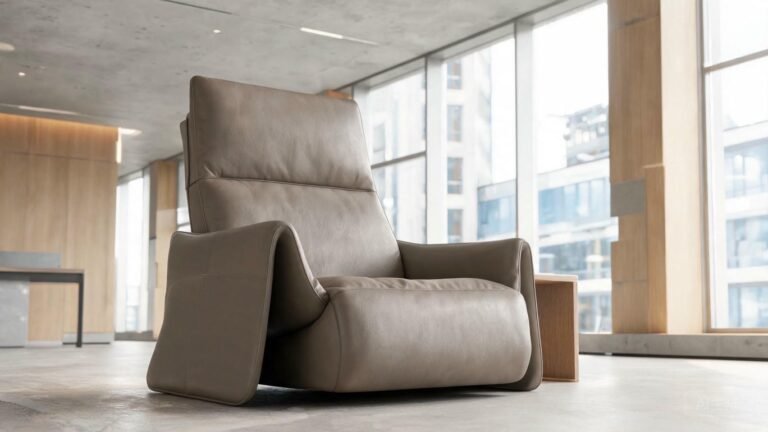
- Premium furniture: Manufacturers are offering silicone leather as a performance-tier option across furniture sofa applications — positioned above PU but matching or exceeding genuine leather’s aesthetics.

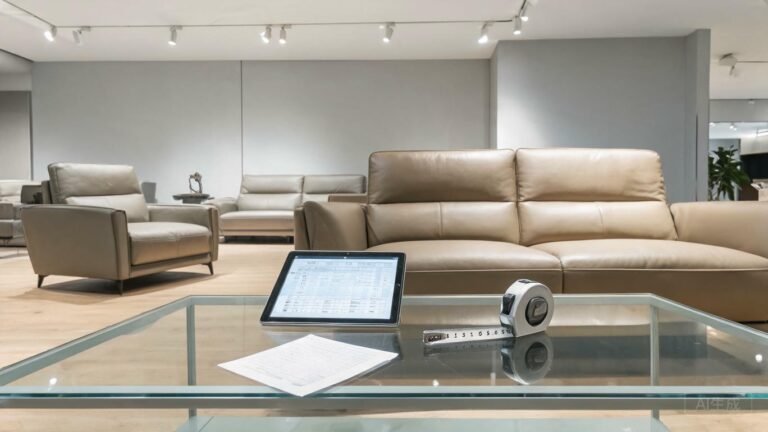
Luxury retail environments now specify silicone leather for display furniture and VIP lounge seating
Watch how silicone leather performs head-to-head against genuine leather and PU in standardized material tests
Frequently Asked Questions
Can silicone leather really match the look and feel of high end genuine leather?
Modern silicone leather replicates full-grain textures using release-paper technology that transfers natural grain patterns at the microscopic level. In blind touch tests we’ve conducted with furniture manufacturers, 7 out of 10 specifiers couldn’t distinguish silicone from genuine leather by touch alone.
What certifications should I verify when sourcing high end leather alternatives?
At minimum, request Martindale abrasion reports (look for 100,000+ cycles for commercial use), UV stability data per ASTM D4329, and for automotive applications, VDA 277 VOC test results. For medical or food-contact applications, ISO 10993 biocompatibility certification is essential.
The Bottom Line: Specifications Over Labels
The phrase “high end leather” is undergoing a redefinition. What used to mean “genuine animal hide” increasingly means “material that delivers premium aesthetics with verifiable performance data.” For B2B buyers, the question isn’t whether silicone leather replaces genuine leather — it’s whether your specification standards have caught up with what the material can actually do. When you’re ready to evaluate leather suppliers, insist on test reports, not marketing brochures.
About TOPSUN
TOPSUN engineers premium silicone leather for B2B applications including automotive interiors, commercial furniture upholstery, and luxury retail environments.
Our materials undergo 200,000+ Martindale cycle abrasion testing, achieve ISO 10993 biocompatibility certification for medical-grade applications, and pass VDA 277 VOC emissions standards for automotive OEMs — backed by full OEM/ODM customization from texture to color.