Peel back a pair of 8-month-old headphone pad leather and you’ll find a familiar scene — cracked edges, sticky residue, and a flaking surface that leaves black particles on your skin. That’s not user error. It’s material chemistry. The polyurethane coating on most protein leather and PU pads breaks down through a process called hydrolytic degradation, accelerated by the one thing headphones can’t avoid: sweat and skin oil, 8 hours a day.
Request Headphone Pad Material Samples
Why Headphone Pad Leather Peels: The Chemistry of Coating Breakdown
Here’s the thing about headphone pad leather peeling replacement cycles — most manufacturers know the problem exists but accept it as a “consumable” feature. The real story is in the ester bonds. Polyurethane, the backbone of protein leather and synthetic leather ear pads, contains ester linkages that react with moisture. Sweat — with its mix of water, sodium chloride, and lactic acid — accelerates this hydrolysis reaction dramatically. At body temperature (37°C), the degradation rate roughly doubles compared to ambient lab conditions.
In our testing lab, we’ve watched protein leather samples develop visible surface micro-cracks at the 120-day mark under simulated daily-wear conditions (4 hours/day, 37°C, 80% humidity). The coating doesn’t just look bad — it starts shedding particles that can irritate skin. For brands shipping to markets with cosmetic safety regulations, that’s a warranty and reputation issue, not just a comfort one.

Flexing tests simulate daily wear cycles — protein leather cracks where silicone stays intact
Headphone Pad Leather vs Silicone: Sweat, Friction, and Lifespan Data
When the headphone pad leather vs silicone durability question comes up in B2B sourcing meetings, the data gap is the problem. Most manufacturers compare materials by feel and unit price — not by controlled testing. We ran a side-by-side comparison using standardized conditions to give procurement teams something concrete to evaluate.
| Property | Protein Leather (PU) | Silicone Leather |
|---|---|---|
| Sweat Resistance | Poor — coating breaks down | Excellent — inert PDMS surface |
| Lifespan (daily use) | 4–8 months | 18–24+ months |
| Skin Safety | May irritate after degradation | ISO 10993-5 biocompatible — Level 0 |
| Cleanability | Wipe only — coating degrades further | Washable, alcohol-safe |
The best headphone pad leather for sweat resistance isn’t leather at all — it’s silicone. PDMS (polydimethylsiloxane) has no ester bonds to hydrolyze. Sweat, oil, and friction slide off its inert surface without chemically reacting. That’s why the lifespan gap is 3-5x, not 20%.
From the lab: After 200,000 flexing cycles at -30°C (ISO 1764 standard), silicone leather showed zero visible cracking. The protein leather sample failed at 40,000 cycles under the same conditions. For headphones that get folded, packed, and stretched daily, that flexing resistance translates directly to pad lifespan.

Scratch testing reveals surface durability differences between materials
The Acoustic Question: Does Pad Material Affect Sound?
Audiophiles ask this more than any other question — and yes, headphone pad leather acoustic seal performance varies by material. Genuine leather and protein leather create a tight seal around the ear cup, which enhances bass response and passive noise isolation. Velour and fabric pads breathe better but leak low frequencies. That’s the conventional wisdom.
Silicone leather sits closer to genuine leather on the acoustic spectrum. Its surface density and pliability create a seal comparable to protein leather, with one advantage: the seal doesn’t degrade. As protein leather breaks down and stiffens from sweat exposure, the acoustic seal loosens — and bass response weakens over months. Silicone maintains its original pliability and seal integrity throughout its 18-24 month lifespan. For more on how silicone compares to traditional PU and PVC materials, the comparison page breaks down 14 performance criteria.

Headphone pads represent a growing category in 3C electronics material sourcing
Watch the flexing test that proves silicone leather outlasts protein leather in wear simulation
B2B Sourcing Specs: What Headphone Brands Must Demand
For headphone pad leather manufacturer wholesale B2B sourcing, the spec sheet is where you separate real durability from marketing claims. Here’s what to demand from any supplier before signing a PO:
- Flexing endurance: ISO 1764 data — minimum 100,000 cycles at -30°C for cold-weather durability.
- Biocompatibility: ISO 10993-5 cytotoxicity report — Level 0 or 1 only. Skin-contact products have zero tolerance for irritation risk.
- Sweat resistance: Request artificial sweat immersion test data (EN 1811 or equivalent) — 72 hours minimum.
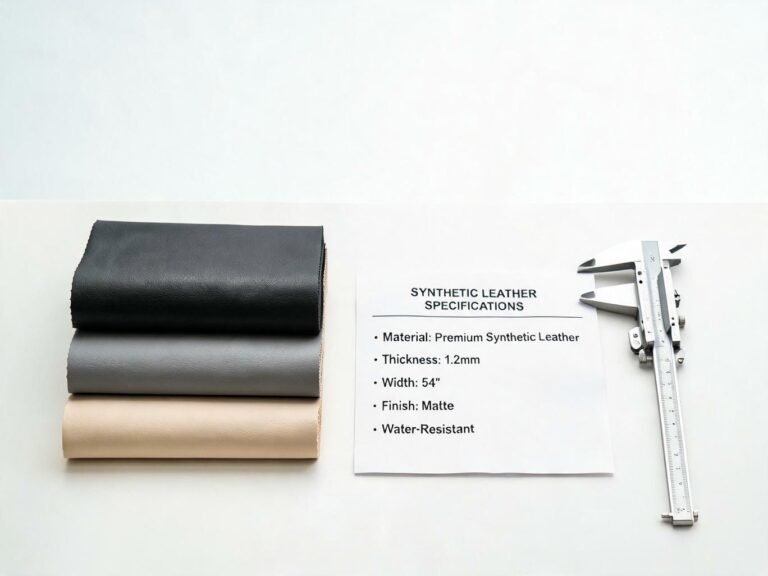
- Thickness options: 0.23-0.8mm range for different headphone designs — ultra-thin for in-ear, standard for over-ear.
- Skin safety certifications: REACH SVHC compliance and FDA 21 CFR 177.2600 for food-contact-grade assurance.
- Texture availability: Soft-touch, suede-effect, and smooth finishes — headphone brands differentiate on tactile feel.
If you’re already sourcing for the broader 3C electronics accessories category, these specs apply across phone cases, keyboard covers, and VR headset cushions. The underlying material science is the same.
For brands exploring the silicone alternative for the first time, our silicone leather introduction covers the molecular basics.
And if you want to see how the existing ear pad material comparison frames the comfort question, it’s worth reading alongside this one.
The same material logic applies to VR headset face cushions — skin-contact surfaces all face the same sweat-and-wear challenge.
The ISO 10993 biocompatibility standard, published by the International Organization for Standardization, is the same framework used for medical device skin-contact surfaces — a rigor level most headphone pad suppliers never approach.
Talk to Our Material Engineers
Frequently Asked Questions
Can silicone headphone pads match the comfort of genuine leather?
Yes — and arguably exceed it over time. Silicone leather has a soft, skin-like tactile feel that doesn’t change with sweat exposure. Genuine leather feels premium initially but stiffens and develops tackiness as it absorbs oils. Silicone maintains consistent comfort from day one through year two.
How do you clean silicone leather headphone pads?
Wipe with a damp cloth, or use 70% isopropyl alcohol for deeper sanitization. Unlike protein leather, the surface won’t degrade from alcohol contact. No conditioning products needed — ever.
The Verdict for Headphone Brands
Headphone pad leather doesn’t have to be a consumable. The 4-month replacement cycle that the industry treats as normal is a material choice, not an inevitability. When headphone brands switch to silicone leather pads, they’re not just reducing warranty claims — they’re shipping a product that still feels new when the customer picks it up a year later. That’s the kind of quality differential that earns repeat purchases and five-star reviews.
Request Headphone Pad Material Samples
About TOPSUN
TOPSUN produces skin-safe silicone leather for headphone and wearable device manufacturers needing hypoallergenic contact surfaces that resist sweat, oil, and daily wear without coating degradation.
ISO 10993-5 biocompatible · 200,000+ flexing cycles · Sweat-resistant inert PDMS surface · 0.23-0.8mm ultra-thin options · 100+ custom textures · MOQ 500m · 7-15 day lead time