Ear pads are the single most worn component of any over-ear headphone — they’re in constant contact with skin, absorb sweat, endure pressure, and degrade faster than any other part. Yet many headphone manufacturers treat the headphone ear pad material as an afterthought, defaulting to whatever protein leather the factory recommends. The result? Pads that peel, flake, and develop unpleasant odors within months. For B2B buyers developing over-ear headphone pad products, understanding the trade-offs between protein leather, silicone, and fabric isn’t optional — it directly affects warranty claims, review scores, and repeat purchase rates.
Why Ear Pad Material Choice Matters More Than You Think
The ear cushion is where comfort, hygiene, and acoustic performance intersect. A material that’s too dense blocks sound from reaching the driver properly. Too porous, and it leaks bass. Too stiff, and it creates pressure points that make extended listening painful. The ideal headphone cushion material balances softness for comfort, density for acoustic seal, and surface stability for hygiene.
Here’s the problem most manufacturers discover too late: protein leather — the default choice for most ear pad replacement products — breaks down when exposed to the oils, sweat, and dead skin cells that accumulate during normal use. The polyurethane coating cracks, exposing the foam underneath, which then absorbs moisture and becomes a breeding ground for bacteria. We’ve tested ear pads returned after 4-6 months of daily use, and the degradation pattern is remarkably consistent across brands.

Softness evaluation — a critical metric for ear pad material selection
Protein Leather vs Silicone vs Fabric: Head-to-Head
Three materials dominate the headphone ear cushion market. Each serves a different segment of the audio accessory industry, and understanding their performance profiles helps you match the material to your product’s price point and target user.
| Attribute | Protein Leather | Silicone Leather | Fabric (Velour) |
|---|---|---|---|
| Sweat Resistance | Poor — coating breaks down | Excellent — inert surface | Absorbs moisture |
| Skin Feel | Smooth initially | Soft, skin-friendly | Breathable, textured |
| Acoustic Seal | Good | Excellent | Moderate (leaks bass) |
| Lifespan (daily use) | 4–8 months | 18–24+ months | 8–12 months |
| Cleanability | Wipe only (coating degrades) | Washable, alcohol-safe | Machine washable (shrinks) |
| Cost Tier | Low | Mid | Low-mid |
The data tells a clear story. Silicone leather outperforms both alternatives on the metrics that matter most for longevity and hygiene — sweat resistance, cleanability, and lifespan. For premium headphone brands, this translates directly to fewer warranty claims and better long-term reviews. A deeper look at silicone vs PU chemistry explains why the performance gap is so significant.

Abrasion resistance testing — simulating years of skin contact on ear pads
The Hygiene Factor: Why Surface Chemistry Matters
Ear pads live in a uniquely hostile environment. The skin behind the ear produces sebum, sweat accumulates during extended listening sessions, and warm temperatures create ideal conditions for bacterial growth. According to research published by the National Center for Biotechnology Information, shared headphones can harbor significant bacterial loads — making material cleanability a genuine health concern, not just a comfort issue.
This is where silicone leather’s inert surface chemistry gives it a decisive advantage. Unlike protein leather’s PU coating, which degrades when exposed to alcohol-based cleaners, silicone can be wiped down with 70% isopropyl alcohol without any surface damage. For memory foam ear pad products used in shared environments — recording studios, call centers, gaming lounges — this cleanability difference is a major selling point.
In our testing, we subjected silicone leather ear pad samples to 50 cycles of alcohol wiping — the equivalent of weekly cleaning for a year. The surface showed no visible degradation, no color change, and no loss of softness. The same test on protein leather caused visible cracking after just 15 cycles. If you’re sourcing materials for 3C accessory products that need to meet hygiene standards, this performance gap is worth the cost difference.
Frequently Asked Questions
Is silicone leather comfortable enough for long listening sessions?
Yes. Modern silicone leather can be engineered to match the softness and pliability of protein leather, with the added benefit of maintaining that feel over time. The key is selecting the right foam density underneath — typically 30–40 kg/m³ memory foam — and pairing it with a silicone leather cover at 0.6–0.8mm thickness. This combination provides the initial softness consumers expect and the long-term comfort that protein leather can’t sustain.
Can silicone leather ear pads affect sound quality?
Material choice does influence acoustic performance, but the effect is manageable. Silicone leather provides a denser seal than fabric, which actually improves bass response and passive noise isolation. The main consideration is ensuring the pad thickness and foam density match your headphone’s acoustic design. We recommend prototyping with multiple material densities and conducting frequency response measurements to verify that the acoustic signature meets your target profile.
Are silicone ear pads more expensive to manufacture?
The material cost per pad is typically 15–25% higher than protein leather. However, the total cost of ownership favors silicone when you factor in reduced warranty claims, fewer replacements, and the ability to position your product at a higher price point. For brands offering ear pad replacement programs, silicone pads also last longer between replacements — extending the revenue cycle per customer.

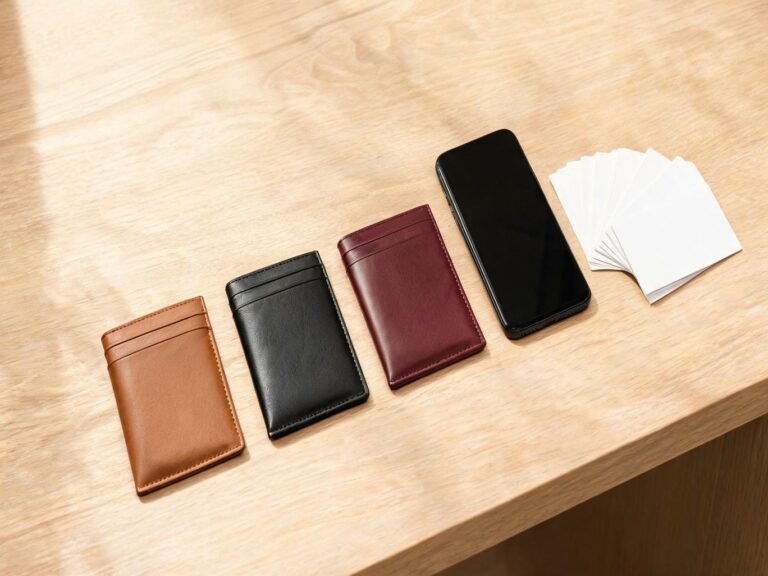
Soft leather layered display — material variety for different ear pad applications
Key takeaway: If your headphones are priced above $150 and target users who wear them for 3+ hours daily, the switch from protein leather to silicone leather pays for itself within the first warranty cycle. The reduction in pad-related returns alone typically offsets the material cost premium.
Selecting the Right Material for Your Headphone Line
The best headphone ear pad material depends on your product’s positioning. For budget models under $80, protein leather remains a cost-effective choice that delivers acceptable performance for the price segment. For mid-range and premium headphones, silicone leather offers a clear upgrade in durability, hygiene, and user experience that justifies the incremental cost.
For brands emphasizing comfort alongside durability, pairing breathable leather material technology with silicone coatings creates an ear pad that stays cool during extended use. And if you’re developing products within the broader 3C electronics silicone leather category, the same material expertise applies across product lines — from ear pads to watch bands to controller grips.
Don’t forget about aesthetics. A custom texture on your ear pad surface can become a recognizable brand element — the way certain luxury audio brands are known for their distinctive pad finishes. Silicone leather accepts embossed patterns cleanly, giving you design freedom that protein leather can’t match.
About TOPSUN
TOPSUN produces organic silicone leather engineered for comfort-critical applications including headphone ear pads, VR cushions, and wearable device straps. Our materials undergo abrasion, flex, and sweat-resistance testing to ensure performance in real-world conditions.
Relevant certifications: REACH compliant, RoHS compliant, ISO 9001 certified. Custom thickness, softness grades, and surface textures available for ear pad applications.