Furniture in co-working spaces takes a beating. One chair might serve ten different people in a single day. Coffee spills, laptop bags scrape against armrests, and afternoon sunlight fades fabrics fast. If you are sourcing leather for co-working spaces, standard residential upholstery simply will not survive the pace.
The reality is that flexible workspaces demand materials built for commercial punishment. After supplying silicone synthetic leather to furniture manufacturers across Europe and North America, we have seen firsthand what lasts and what flakes within eighteen months. In this guide, you will learn how to choose a flexible workspace material that balances durability, aesthetics, and total cost of ownership.
Why Standard Upholstery Fails in Co-Working Spaces
Residential-grade fabrics and standard PU leather were never designed for hot-desking environments. Here is what we hear from procurement teams after they have replaced the same lounge sofas twice in three years:
- Surface peeling on PU armrests where elbows rest for hours every day
- Permanent staining from ink, coffee, and lunch accidents that no cleaner removes
- Color fading near windows because the substrate lacks UV stabilizers
- Odor retention in porous fabrics that absorb sweat and food smells
The problem gets expensive fast. A mid-range co-working location with sixty seats might spend $15,000 to $25,000 on re-upholstery every two years. That is capital that could go toward expansion or amenities.

What to Look for in Leather for Co-Working Spaces
Not every synthetic leather is equal. When we evaluate samples for public-use furniture, we focus on five non-negotiable properties:
- Abrasion resistance above 50,000 Martindale cycles for seating surfaces
- Hydrolysis resistance to prevent cracking in humid climates
- Stain release that allows coffee and marker ink to wipe off with water
- Flame retardancy meeting EN 13773 or CAL 117 for commercial code compliance
- Color consistency across large batch orders for brand-standard interiors
Silicone-coated fabric checks every box. Unlike PU, which relies on plasticizers that evaporate and crack over time, silicone leather maintains flexibility because its molecular structure is inherently stable. In our Taber abrasion tests, our furniture-grade silicone leather exceeds 10,000 cycles with minimal wear, while comparable PU samples show visible damage before 3,000 cycles.

Key insight from the factory floor: Co-working operators in Southeast Asia reported that silicone-upholstered chairs showed zero hydrolysis-related peeling after four years in air-conditioned spaces with 70% average humidity. PU chairs in the same environment needed partial re-upholstery after twenty months.
Silicone Leather vs. Traditional Options for Hot Desk Seating
Let us be direct. Budget polyester fabric is cheap upfront but absorbs stains and looks tired within months. Genuine leather feels premium, yet it requires conditioning, scratches easily, and fluctuates in price with hide markets. PU synthetic leather is the common middle ground, but its lifespan in high-traffic seating rarely exceeds three years.
| Property | Silicone Leather | PU Leather | Woven Fabric |
|---|---|---|---|
| Expected lifespan (high traffic) | 8–10 years | 2–4 years | 3–5 years |
| Stain resistance | Excellent (wipe clean) | Moderate | Poor |
| Hydrolysis resistance | Excellent | Poor (cracks in humidity) | N/A |
| UV fade resistance | High | Low–Moderate | Low |
| VOC emission | Near zero | Moderate | Varies |
| Cost over 10 years | Lowest | Highest (replacements) | Moderate |
The table tells a clear story. Silicone synthetic leather costs more per meter than basic PU, but its total cost of ownership drops sharply when you factor in zero re-upholstery cycles over a decade. For commercial furniture buyers managing dozens of locations, that math is compelling.

Explore High-Performance Collections
Design Flexibility for Modern Collaborative Spaces
Durability does not have to look industrial. One of the biggest misconceptions we encounter is that tough upholstery must feel like vinyl bus seating. Modern silicone leather production delivers surfaces that rival genuine leather in hand-feel and visual depth. Research from workplace design leaders consistently shows that material aesthetics directly influence tenant satisfaction and perceived space value.
For modern office upholstery projects, you can specify:
- Grain patterns ranging from smooth nappa to deep pebbled hides
- Custom color matching to align with tenant brand guidelines
- Matte or satin finishes that photograph well for space-marketing campaigns
- Thickness options from 0.6 mm for sleek task chairs to 1.4 mm for plush lounge seating
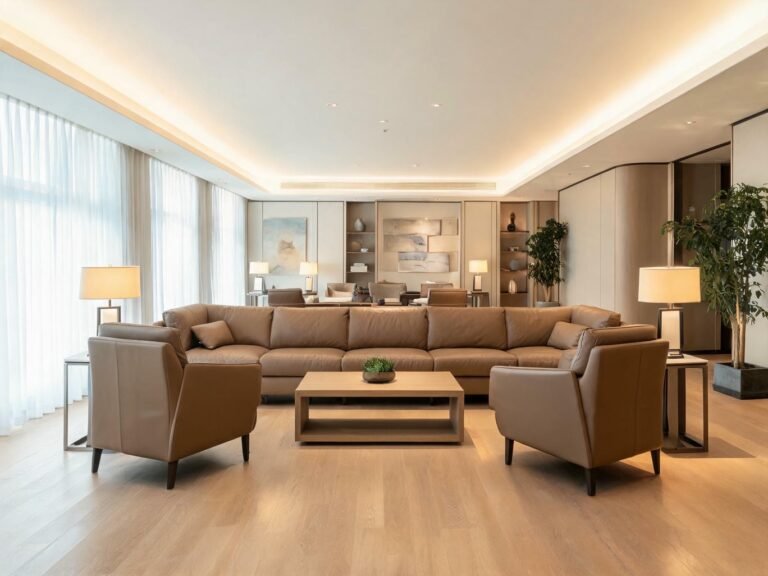
We recently supported a Berlin-based workspace operator who needed 2,400 meters of warm taupe silicone leather with a subtle two-tone effect. The batch consistency across the order meant every booth, barstool, and phone-bench looked identical, even though production ran across three separate weeks. That level of control is difficult to achieve with genuine leather, where natural hide variation is unavoidable.

Leather for Co-Working Spaces: Maintenance and TCO
Co-working operators do not have time for specialized cleaning protocols. The best upholstery for shared office furniture is the kind that housekeeping can maintain with standard supplies.
Silicone leather simplifies this dramatically. Most marks lift with a damp microfiber cloth. For disinfecting between tenants, common alcohol-based cleaners will not degrade the surface, a critical advantage we confirmed during material compatibility testing. Cleaning protocols do not need leather conditioners, pH-balanced sprays, or expensive service contracts.
Let us run a quick ten-year projection for a fifty-seat location:
- Silicone leather route: One installation, occasional surface wiping. No replacement cost.
- PU leather route: Initial install plus two full re-upholstery cycles. Labor and material costs typically exceed the original furniture purchase.
- Fabric route: Initial install plus periodic deep cleaning and likely one full replacement due to irreversible staining.
The upfront premium for silicone upholstery usually pays back within the first replacement cycle that you avoid.
Frequently Asked Questions
Does silicone leather feel hot or sticky during long sitting periods?
No. Advanced silicone leather formulations include breathable backing options and surface treatments that allow air circulation. In our long-sitting comfort trials, temperature build-up was comparable to genuine leather and noticeably lower than low-grade PVC.
Can silicone leather meet fire codes for commercial buildings?
Yes. TOPSUN silicone leather is available in formulations that meet EN 13773, CAL 117, and FAR 25.853 standards. Because silicone is inherently flame retardant without chemical additives, the fire-safe performance does not degrade over time the way halogen-treated fabrics can.
What is the minimum order quantity for custom colors?
Standard MOQ starts at 300 meters per color for custom orders. For popular neutral tones used in co-working interiors, we often hold stock that can ship within two weeks. Contact our team to check current availability.
Make Your Co-Working Furniture Investment Last
Choosing the right leather for co-working spaces is not about finding the cheapest meter price. It is about selecting a surface that protects your brand image, reduces operational headaches, and keeps capital in your business rather than in maintenance budgets.
Silicone synthetic leather offers a rare combination: the premium look that attracts modern tenants and the industrial durability that survives their daily use. If your procurement team is evaluating office chair upholstery or lounge seating for your next location, request a swatch and run your own spill test. The results speak for themselves.
About TOPSUN
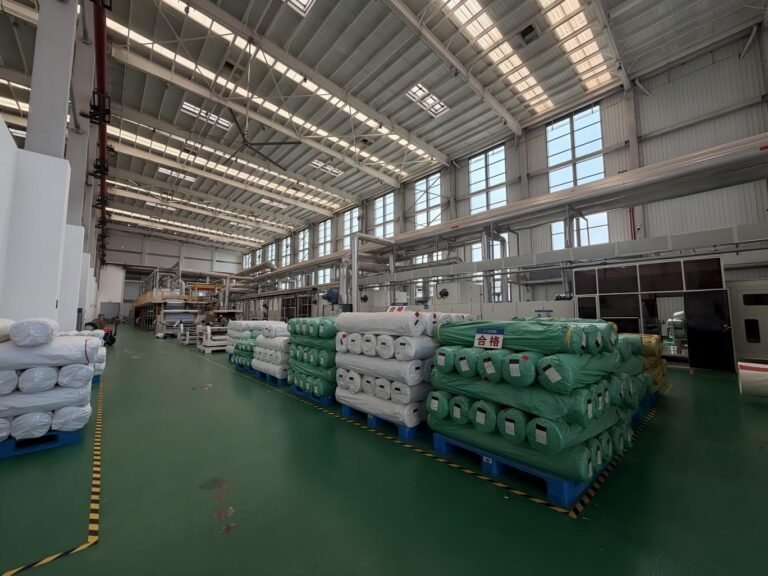
TOPSUN is a leading manufacturer of silicone synthetic leather for B2B custom orders. We supply durable, eco-friendly upholstery materials to furniture brands, automotive Tier-1s, and commercial interior projects worldwide from our ISO-certified facility in Dongguan, China.
Relevant certifications: REACH, RoHS, FDA 21 CFR 177.2600, ISO 10993, OEKO-TEX, EN 13773 flame retardancy. OEM/ODM supported. Bulk lead time: 2–4 weeks.