All leather — two words that carry immense weight in the world of consumer and B2B products. For many buyers, “all leather” is the ultimate mark of quality, luxury, and craftsmanship. A product made entirely of leather must be better than one that isn’t — right?
The truth is more nuanced. The term “all leather” is used loosely across industries, and not all all-leather products are created equal. Some are genuinely premium — full-grain leather, expertly crafted, built to last decades. Others use “all leather” as a marketing label while cutting corners on grade, thickness, and construction. After 15+ years working with leather and leather-alternative materials across furniture, automotive, and consumer electronics, I’m breaking down what “all leather” actually means, how to verify it, and whether it’s worth the premium in 2026 — especially when high-quality alternatives like silicone leather are available.
Compare All-Leather vs. All-Silicone
What “All Leather” Actually Means (And What It Doesn’t)
Let’s start with a critical point: “all leather” is not a regulated term. There’s no industry standard or government certification that defines what qualifies. This means different companies use the term very differently. Here’s what it can mean, from most to least rigorous:
1. 100% Full-Grain Leather (True Premium)
The highest standard of “all leather” means every visible surface is covered in full-grain leather — the top layer of the hide with the natural grain intact. No splits, no corrections, no synthetic backing materials. This is what most people imagine when they think of premium all-leather products. Full-grain leather is the strongest, most breathable, and most durable grade, and it develops a beautiful patina over time . Expect to pay $3,000–$8,000+ for a full-grain all-leather sofa .
2. All Top-Grain Leather (Solid Mid-Premium)
Many “all leather” products use top-grain leather — the top layer of the hide, but with the very surface lightly sanded or buffed to remove imperfections, then coated with a protective finish. Top-grain is still genuine leather and still good quality — it’s just not quite as durable or breathable as full-grain, and it doesn’t develop the same patina. This is the most common grade in mid-premium all-leather furniture and automotive interiors.
3. “All Leather” with Split Leather Backs/Undersides
Here’s where it gets tricky. Some products labeled “all leather” use genuine leather on all surfaces — but the visible surfaces are top-grain or corrected-grain, while the backs, sides, and undersides are split leather (a lower-quality layer from the underside of the hide). Technically, it’s all leather. But the quality and durability vary significantly across different parts of the product. This is a common cost-saving tactic in mid-range furniture.
4. “Genuine Leather” — The Marketing Loophole
Products labeled “genuine leather” sound like they’re all leather — and technically, they do contain real leather. But “genuine leather” is actually one of the lowest grades of real leather. It’s usually made from the split layer of the hide, coated with polyurethane to give it a leather-like appearance. A product can be labeled “genuine leather” even if only a small portion of the surface is actual leather and the rest is synthetic. Always look for more specific terms: full-grain, top-grain, or aniline leather.
Buyer beware: If a product says “all leather” or “100% leather” but the price seems too good to be true, it probably is. True all-full-grain leather products are expensive because the material itself is expensive. If you see a “100% leather sofa” for under $1,500, it’s almost certainly using low-grade corrected-grain or split leather — possibly only on the visible surfaces, with vinyl on the back and sides. Always ask about the specific leather grade and where different grades are used.

True all-leather craftsmanship uses premium full-grain or top-grain leather on every surface — but many “all leather” products use lower-grade leather or only leather on visible surfaces.
The All-Leather Product Landscape by Industry
“All leather” means different things in different industries. Let’s look at how it plays out in the major categories:
Furniture
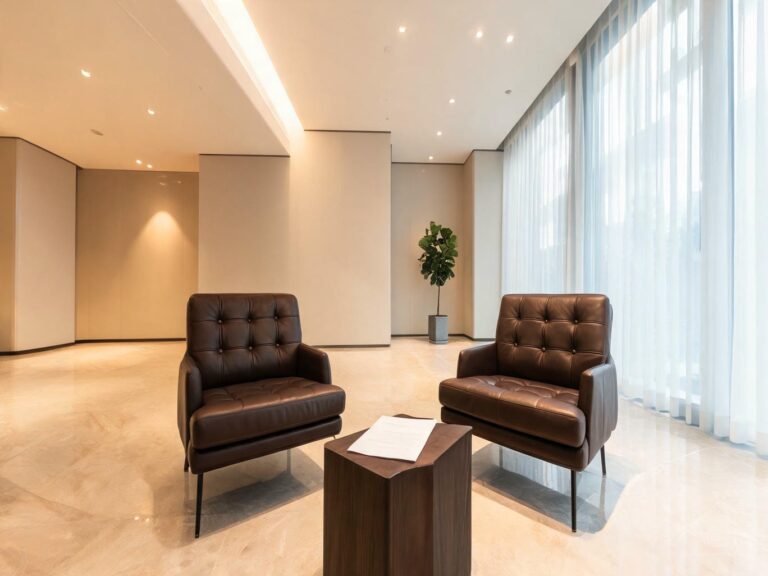
In furniture, “all leather” typically means the seating surfaces (seat cushions, inside back, inside arms) are leather, and sometimes the outside back and outside arms are leather too — but the underside is always a non-leather dust cover. Premium furniture brands may use matching leather on outside surfaces; budget brands often use vinyl or a cheaper leather split on the outside. For furniture buyers, the key question isn’t “is it all leather?” but “what grade of leather is used where?”
Automotive
Automotive “leather interiors” are rarely all leather. In most cars, only the seating surfaces and maybe the steering wheel and shift knob are real leather — the side bolsters, headrests, and door panels are usually vinyl or synthetic leather. Luxury brands may use more genuine leather, but even high-end vehicles typically have synthetic materials on lower-wear surfaces. The term “leather-trimmed” means just that — trimmed with leather, not fully covered in it.
Fashion & Accessories
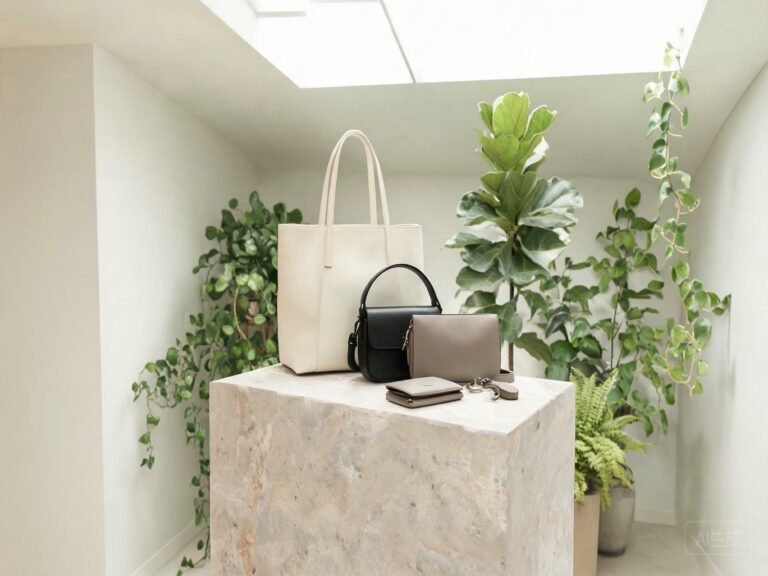
In fashion, “all leather” is more straightforward — a leather jacket, handbag, or wallet is either made of leather throughout or it isn’t. But even here, there are caveats: bonded leather (leather fibers bonded with PU), leather trim on fabric products, and “leather-like” materials can all be marketed in ways that imply more leather than is actually present.
Contract & Commercial
In commercial and contract settings, genuine all-leather is relatively rare. The combination of high cost, maintenance requirements, and the need for consistent performance across large installations makes genuine leather impractical for most commercial applications. Vinyl and high-performance synthetic leathers are far more common — though some premium hospitality and corporate settings do use genuine leather for executive suites and VIP areas.
The Case for All-Leather Products
When it’s done right — using high-quality full-grain or top-grain leather throughout — all-leather products have genuine advantages:
Unmatched durability and lifespan
High-quality full-grain leather can last 25+ years with proper care — far longer than most fabric upholstery or lower-grade synthetic materials. The natural fiber structure of leather is incredibly strong, and it actually improves with age rather than deteriorating. For products that are built to be heirlooms or long-term investments, all-leather construction is hard to beat.
Timeless luxury and status
Leather has been a luxury material for thousands of years, and that association isn’t going away. An all-leather sofa, car interior, or handbag signals quality, taste, and success. For brands that position themselves at the premium end of the market, all-leather construction is a powerful way to communicate luxury and justify premium pricing.
Natural breathability and comfort
Genuine leather breathes — moisture vapor can pass through the material, which means it doesn’t trap heat or sweat the way synthetic materials can. In hot weather, leather stays cooler than vinyl or PU. In cold weather, it warms up quickly from body heat. This natural breathability is one of the reasons leather is comfortable to sit on or wear for long periods.
Patina — it gets better with age
Patina is the gradual change in leather’s color and texture that comes from use, sunlight, and the oils from your skin. It’s unique to each piece, and it’s something many leather lovers treasure — the way a well-used leather chair develops character and tells a story. No synthetic material can replicate the natural patina of genuine full-grain leather, and for many enthusiasts, this is the single biggest reason to choose all-leather products.
The Case Against All-Leather Products
For all its virtues, all-leather construction isn’t right for every application or every buyer. Here are the downsides to consider:
Significant cost premium
Genuine leather — especially full-grain leather — is expensive. An all-leather sofa can cost 2–5x more than a comparable fabric sofa. A leather interior package on a car typically adds $1,500–$5,000 to the price. For many buyers, the cost premium of all-leather construction simply isn’t justified by the benefits, especially when high-quality synthetic alternatives are available at a fraction of the price.
High maintenance requirements
Leather needs regular care to stay in good condition. It should be cleaned and conditioned every 6–12 months. It can dry out and crack if exposed to too much sun or dry air. It stains easily — especially light-colored leathers. And it’s sensitive to many common household chemicals. For busy households, commercial spaces, or anyone who doesn’t want to worry about maintenance, the upkeep requirements of all-leather products are a significant downside.
Natural imperfections and inconsistency
Because leather is a natural material, every hide is different. There are natural variations in color, texture, and grain pattern. For some buyers, this character is part of the appeal — but for others, it’s a quality issue. If you need perfectly consistent color and texture across a large installation (think: a hotel lobby with 50 identical armchairs), genuine leather’s natural variation becomes a problem rather than a feature.
Environmental and ethical concerns
Leather production has significant environmental impacts — high water usage, chemical-intensive tanning processes, and greenhouse gas emissions from cattle farming. For eco-conscious buyers and brands with sustainability commitments, all-leather products can conflict with environmental values. And for buyers who avoid animal products for ethical reasons, genuine leather is simply not an option, no matter how premium it is.
Supply chain volatility
The price and availability of genuine leather are tied to global cattle markets, which can fluctuate dramatically due to disease outbreaks, trade policies, and changes in meat demand. For B2B buyers who need stable pricing and reliable supply to support product launches and production schedules, this volatility is a real business risk.

All-silicone leather products offer a leather-like look and feel with better consistency, lower maintenance, and a smaller environmental footprint than all-genuine-leather.
All-Silicone Leather: The Modern Alternative to All-Leather
For B2B buyers who want the look and feel of all-leather products without the drawbacks, all-silicone leather is worth serious consideration. Premium silicone leather delivers a leather-like aesthetic and tactile experience — but with advantages that genuine leather can’t match:
| Factor | All-Genuine-Leather | All-Silicone-Leather |
|---|---|---|
| Appearance | Natural grain, unique character | Realistic grain, perfectly uniform |
| Durability | 15–25+ years (with care) | 10–15+ years (no special care) |
| Stain Resistance | Fair — stains easily | Excellent — completely stain-proof |
| Maintenance | Regular cleaning & conditioning | Wipe clean — no special products needed |
| Consistency | Natural variation between hides | Perfectly identical every yard |
| Environmental Impact | High water use, tanning chemicals | Zero VOC, fully recyclable |
| Cost | High | Lower than premium genuine |
| Animal-Free | No | Yes |
| Patina | Yes — develops naturally | No — stays consistent |
When to Choose All-Leather vs. All-Silicone
Choose all-genuine-leather when:
- Natural patina and the character of real leather are core to your brand identity
- You’re targeting buyers who specifically value traditional craftsmanship and heritage
- The product will be well cared for and maintained by its owner
- You can price at a premium that justifies the high material cost
- Volume requirements are moderate and you can work with natural variation
Choose all-silicone-leather when:
- You want a premium leather-like look and feel without the high cost of genuine leather
- Stain resistance, easy cleaning, and low maintenance are priorities (commercial, hospitality, family homes)
- You need perfect color and texture consistency across large production runs
- Sustainability, zero VOC, and animal-free materials are important to your brand
- You want stable pricing and reliable supply chain
How to Verify “All Leather” Claims
If you’re considering all-leather products — whether genuine or synthetic — here’s how to verify what you’re actually getting:
- Ask specific questions about leather grade — “Full-grain, top-grain, or corrected-grain?” Don’t accept “genuine leather” as a quality answer.
- Find out where different grades are used — “Is the outside back/arms the same grade as the seating surfaces?”
- Request a material specification sheet — Quality suppliers can provide thickness, tear strength, light fastness, and other technical specs.
- Inspect the product in person — Look at the cut edges (genuine leather has a fibrous cross-section), check for natural grain variation, and smell it (real leather has a distinctive smell; synthetic smells like chemicals).
- Check for certifications — LWG (Leather Working Group) certification for environmental responsibility; ISO quality certifications; REACH, OEKO-TEX, or Prop 65 compliance for chemical safety.
- Read the warranty — A product’s warranty tells you how confident the manufacturer is in its quality. Short warranties on “all leather” products suggest lower-quality leather.
Final Thoughts
All-leather products have a timeless appeal that’s unlikely to ever disappear. There’s something deeply satisfying about the feel, smell, and character of a well-made full-grain leather product — and for certain applications and customer segments, nothing else will do. But “all leather” isn’t a guarantee of quality, and it isn’t the right choice for every buyer.
The smartest B2B approach isn’t to default to all-leather or reject it entirely — it’s to understand what “all leather” actually means in your industry, evaluate whether genuine all-leather construction delivers enough value to justify the cost, and consider modern alternatives like silicone leather that offer many of the same aesthetic benefits with better practical performance and a lower environmental footprint.
In 2026, the most successful brands are the ones that offer choices — genuine leather for traditionalists, silicone leather for modernists, and mixed materials for those who want both. “All leather” will always have its place, but it’s no longer the only way to deliver a premium product.
About TOPSUN
TOPSUN manufactures premium silicone leather for B2B buyers who want a leather-like aesthetic with better performance, lower maintenance, and a smaller environmental footprint. Our all-silicone products deliver consistent quality across every yard, with stain-proof durability, zero VOC emissions, and full recyclability.
All-silicone alternative · Stain-proof · Zero VOC · Fully recyclable · 10–15+ year lifespan · 40+ colours · ISO & REACH certified