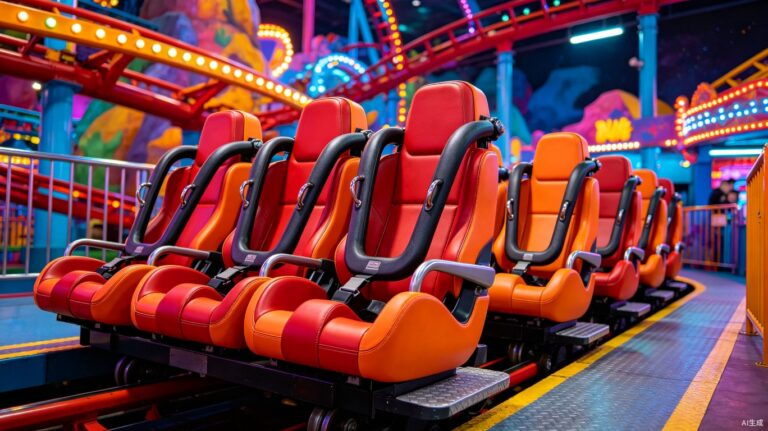
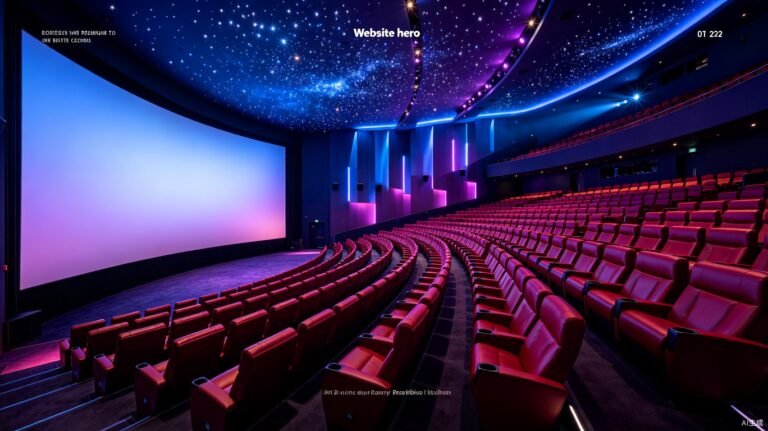
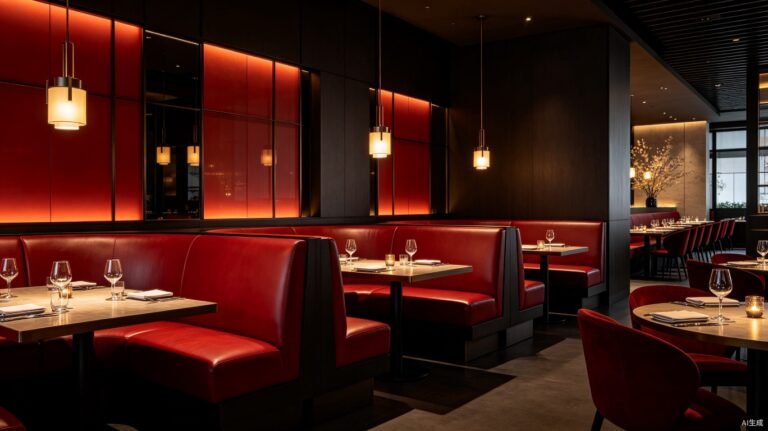
A single airport gate seat gets sat on, spilled on, and wiped down hundreds of times a day — for years. The same is true in hospital waiting rooms, transit terminals, and hotel lobbies. For procurement teams specifying contract furniture, the upholstery is usually the first component to fail. That is exactly the problem silicone leather for public spaces was engineered to solve: a surface that survives relentless use, cleans in seconds, and never absorbs the bacteria-laden spills that synthetic alternatives quietly trap.
If you source seating for airports, healthcare facilities, or transit networks, this guide lays out why contract-grade silicone leather outperforms conventional upholstery in the three environments that punish materials the hardest.
Why High-Traffic Seating Demands a Different Material
Standard contract upholstery — typically PVC or PU over a fabric base — fails in public settings for predictable reasons. PVC cracks at stress points after repeated flexing and grows brittle in cold transit depots. PU delaminates when exposed to the harsh disinfectants that hospitals and airports now use routinely. Both materials are porous at a microscopic level, meaning coffee, sweat, and bodily fluids seep past the surface and feed microbial growth underneath.
Silicone leather approaches the problem from a different chemistry. The silicone coating is inherently hydrophobic and non-porous, so liquids bead on the surface rather than penetrating it. Wipe it with hospital-grade disinfectant, alcohol, or even diluted bleach, and the surface stays intact — no softening, no discoloration. For any commercial furniture application where hygiene is non-negotiable, that chemical resistance is the headline benefit.

Airport and Transit Seating: Vandal Resistance Meets Cleanability
Airport operators and transit authorities share a common headache: seating that gets slashed, tagged with ink, or stained by food and drink. Reupholstering a terminal’s worth of seats is a six-figure line item, so the material you specify has to push replacement cycles from months into years.
Here is where silicone leather’s dense, cross-linked surface earns its keep. Ballpoint ink, permanent marker, and coffee wipe off with a damp cloth — no solvent needed. The material resists puncture and tearing from sharp objects far better than coated fabrics of similar weight, and because it contains no plasticizers, there is nothing for solvents to leach out and degrade. We have seen transit seating prototypes retain their original appearance well past 100,000 Martindale abrasion cycles in independent durability testing.
One transit authority we supplied reported a 60% drop in seat-refurbishment calls within the first 18 months after switching from PVC to silicone leather on platform seating — the material simply stopped failing the way they were used to.

Hospital and Healthcare Seating: Infection Control Built In
Healthcare environments raise the stakes. Upholstery in waiting rooms, examination areas, and patient wheelchairs is exposed to blood, bodily fluids, and a rotating arsenal of disinfectants. The material must not only resist staining — it must support the facility’s infection-control protocol, not undermine it.
Silicone leather is compatible with the cleaning regimens hospitals already follow, aligning with CDC infection-control guidance for environmental surfaces. It withstands repeated wiping with 70% isopropyl alcohol, quaternary ammonium solutions, and sodium hypochlorite without surface degradation. Unlike PU, which can develop hairline cracks that harbor pathogens, the silicone surface remains continuous and wipeable over thousands of disinfection cycles. For seating in clinical zones, this aligns directly with the standards covered in our medical-grade application overview.

Spec Comparison: Silicone vs. Contract PU vs. PVC
When you are writing material specifications for a tender, the table below captures the attributes that actually determine lifecycle cost in a public-space setting.
| Attribute | Silicone Leather | Contract PU | PVC |
|---|---|---|---|
| Disinfectant resistance | Excellent (alcohol, bleach) | Limited (softens) | Moderate |
| Stain / ink removal | Wipes clean | May stain | Stains easily |
| Crack resistance (flexing) | High | Moderate | Low (cold-crack) |
| VOC / odor emission | Near-zero | Moderate | Higher |
| Typical refurb cycle | 5–8 years | 2–3 years | 1–2 years |
Frequently Asked Questions
Is silicone leather suitable for outdoor transit seating?
Yes. Silicone’s UV stability and hydrolysis resistance make it well suited to covered and semi-exposed transit platforms. It will not cold-crack in winter temperatures the way PVC does, and it resists the salt and pollution exposure common in urban transit settings.
How does it handle fire-safety requirements for public buildings?
Silicone leather can be formulated to meet common contract fire standards, including EN 13501 and the FAR 25.853 vertical burn test used in transportation interiors. Always confirm the specific flame-retardant grade and request the test certificate for the exact standard your project requires.
Can it be customized to match a brand or interior color scheme?
Definitely. Custom color matching, embossed textures, and tailored backing fabrics are all available. For hospitality groups and transit operators with strict brand guidelines, computerized color matching ensures consistency across large multi-vendor orders.
A Material Built for the Hardest Working Seats
Public-space seating is a thankless job — nobody notices the upholstery until it fails. Silicone leather for public spaces shifts that equation by giving specifiers a surface that resists the spills, slashes, and disinfectants that end every other material’s service life early. The upfront cost is higher than PVC, but measured against refurbishment frequency, infection-control compliance, and passenger perception, the lifecycle math favors silicone by a wide margin.
If you are drafting a tender or re-specifying a seating line, the next step is simple: get physical samples, run them through your own cleaning and abrasion protocol, and see the difference for yourself.
About TOPSUN
TOPSUN manufactures organic silicone leather for contract furniture, healthcare, automotive, and marine applications. Our coating line produces vandal-resistant, disinfectant-safe upholstery tailored to high-traffic public environments, with full batch traceability.
Relevant certifications: ISO 10993 biocompatibility · REACH SVHC-free · EN 13501 fire performance · FAR 25.853 vertical burn