The synthetic leather market is entering a new phase. Buyers once chose PU or PVC based on cost alone. Today, environmental rules, safety standards, and ESG reporting drive material decisions. Silicone leather sits at the center of this shift. This article delivers a clear silicone leather market forecast for 2026-2030. You will find data on market size, growth drivers, and practical guidance for procurement teams.
Market Size and Growth Projections
The global synthetic leather market continues to expand. PU resin alone accounts for a significant share of the material base. Industry data places the PU resin segment at approximately $4.98 billion. Water-based PU, a cleaner alternative to solvent-based systems, shows strong momentum in Asia. The China water-based PU market is projected to grow from 37.88 billion yuan to 57.21 billion yuan by 2030, reflecting a CAGR of 6.1%.
Silicone-coated fabrics represent a faster-growing niche. Analysts tracking silicone elastomer coatings project a CAGR of 9.2% through 2030. This outpaces both conventional PU and PVC segments. The premium attached to silicone reflects its superior heat resistance, chemical stability, and recyclability. For automotive interior applications, these properties justify the switch from legacy materials.

| Segment | Current / Base Value | Projected CAGR | Outlook |
|---|---|---|---|
| PU Resin (Global) | ~$4.98 Billion | Moderate | Stable but facing regulatory pressure |
| Water-Based PU (China) | 37.88 Billion CNY | 6.1% | Growth driven by VOC regulations |
| Silicone-Coated Fabrics | Growing base | 9.2% | Fastest expansion in synthetic leather |
These figures tell a consistent story. The market rewards materials that solve environmental and safety problems. Silicone leather does both. Its growth rate nearly doubles that of water-based PU, indicating where buyer preference is heading. Sources such as industry market analysis firms confirm this trajectory across multiple regional reports.
Key Growth Drivers
Several forces push silicone leather into mainstream adoption. Understanding these drivers helps buyers anticipate supply trends and negotiate contracts from a position of knowledge.
Stricter Environmental Regulations
Governments in the EU, China, and North America are tightening VOC and chemical content limits. Solvent-based PU faces higher compliance costs. Some formulations containing DMF or heavy metals now face outright bans. Silicone leather uses no solvents and no plasticizers. This eliminates a major compliance headache for exporters.
Automotive Interior Demand
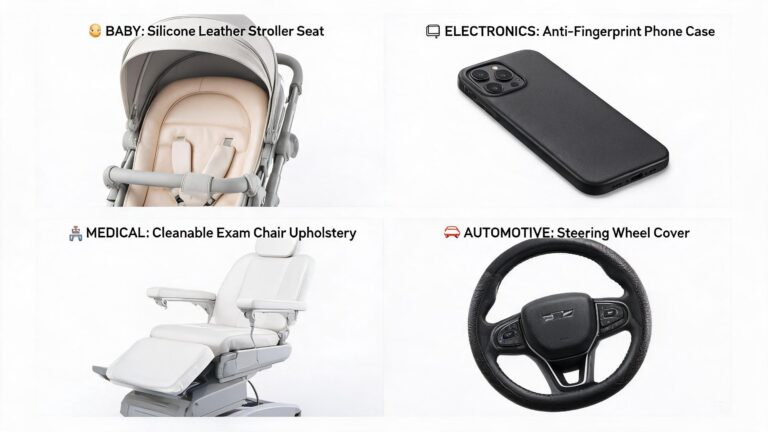
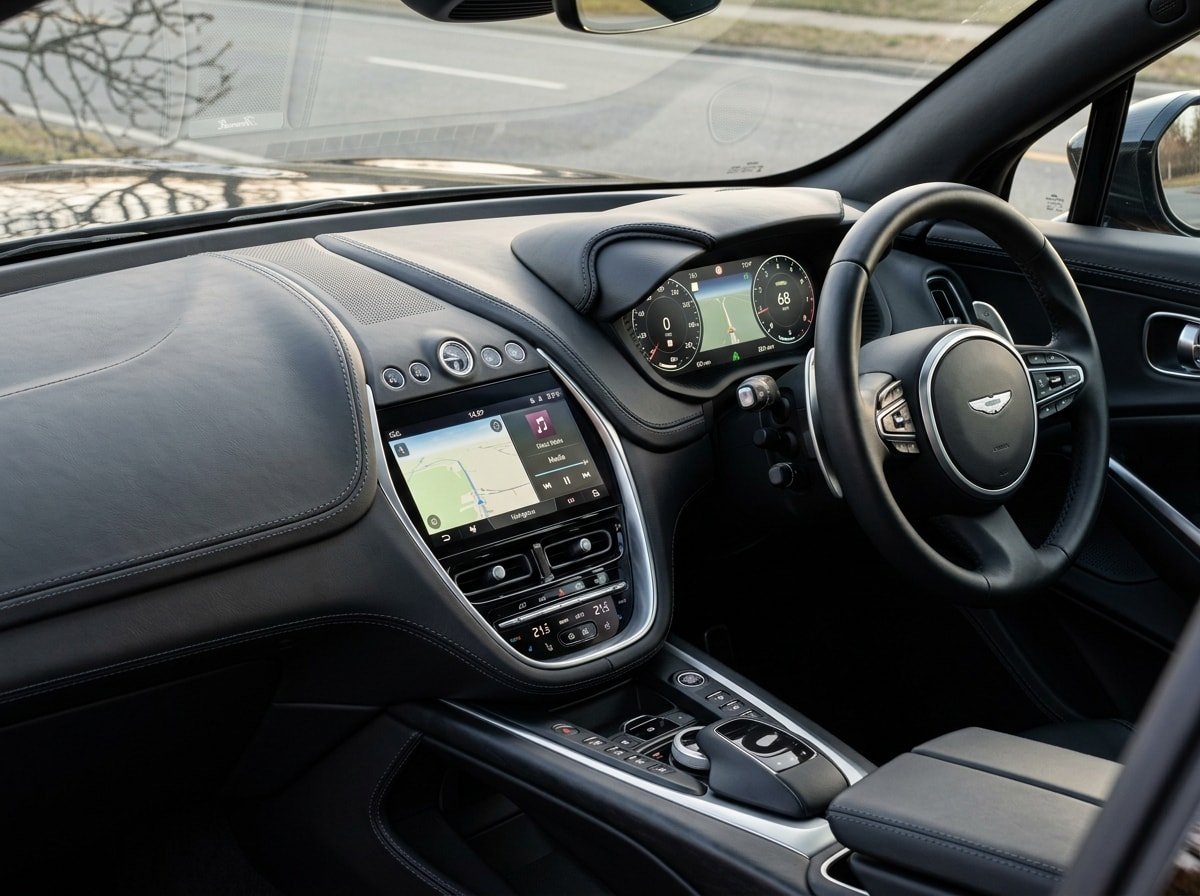
Car makers need materials that survive extreme temperatures, resist UV damage, and pass fogging tests. Silicone leather handles temperature ranges from -50C to 200C without cracking or emitting odors. OEMs in Europe and Asia have already approved it for seat covers, door panels, and steering wheels. This trend will deepen as electric vehicle interiors demand higher material performance.
Medical and Child Safety Standards
Healthcare furniture and baby products require skin-safe, non-toxic surfaces. Silicone leather meets ISO 10993-5 for cytotoxicity and FDA requirements for skin contact. For medical-grade silicone leather applications, these certifications open doors that remain closed to conventional synthetics.
ESG Compliance Pressure
Corporate sustainability reports now influence stock valuations and credit ratings. Buyers must demonstrate that their supply chains meet ESG criteria. Silicone leather supports these goals with zero VOC emissions, 100% recyclability, and a production process that uses no tanning chemicals.
Regional Market Insights
Growth is not uniform across regions. Each market shows distinct buying patterns and regulatory timelines.
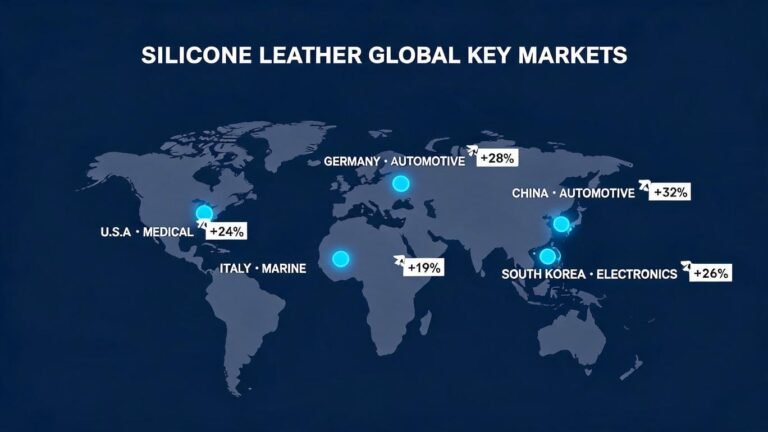
Asia-Pacific dominates production and consumption. China hosts the largest concentration of synthetic leather factories. Local brands in furniture, automotive, and electronics drive domestic demand. TOPSUN operates three production bases in Dongguan, Yichang, and Xiangyang to serve this core market with a combined annual capacity of 6 million meters.
Europe leads on regulation and premium adoption. The EU Green Deal and REACH enforcement push brands toward cleaner materials. German and Scandinavian automotive OEMs were early adopters of silicone leather. Their specifications now filter down to tier-one and tier-two suppliers across the continent.
North America shows rising demand driven by healthcare and marine. Hospital furniture and yacht interiors value the material’s stain resistance and easy sterilization. US buyers increasingly request full certification packages, including FAR 25.853 flame resistance for aviation applications.

What This Means for B2B Buyers
Market trends matter only if they inform better procurement decisions. Here are three actions buyers should consider before 2026.
- Switch early to lock in supply. As demand accelerates, lead times for certified silicone leather will lengthen. Buyers who qualify suppliers now avoid capacity crunches later.
- Audit your supplier’s certification portfolio. Request ISO 10993-5, REACH, FDA, and flame resistance test reports. Verify that certificates match the exact product grade you need.
- Build recycling into your product roadmap. Choose materials that support circular design. Silicone leather scraps can return to production, which strengthens ESG reporting and cuts material costs.
At TOPSUN, we have observed a clear shift in B2B inquiries. Two years ago, most clients asked about price and color options. Today, they ask about recyclability, carbon footprint, and compliance documentation. Automotive OEM clients have grown fastest, often requesting custom formulations for specific interior programs. This mirrors the broader automotive leather trends reshaping the industry.
Frequently Asked Questions
Is silicone leather more expensive than PU or PVC?
Unit costs run higher than basic PU or PVC. However, total cost of ownership often favors silicone leather. Longer service life, lower warranty claims, and reduced compliance costs offset the initial premium. For high-wear applications, the math usually works in silicone’s favor.
Which industries are adopting silicone leather fastest?
Automotive leads in volume. Medical and healthcare follow closely due to strict biocompatibility needs. Marine and aviation sectors show strong interest because of flame resistance and weathering performance. Furniture remains a steady growth area, especially for premium indoor and outdoor collections.
How reliable are silicone leather supply chains?
Supply reliability depends on supplier scale and raw material partnerships. Large manufacturers with integrated production and multi-base operations offer better security. TOPSUN runs three factories with 6 million meters of annual capacity. This scale supports consistent delivery even during demand surges.
Silicone Leather Market Forecast: Key Takeaways
The silicone leather market forecast for 2026-2030 points to strong, sustained expansion. A 9.2% CAGR signals that buyers and brands are voting with their purchase orders. Environmental rules, automotive innovation, and safety standards create durable demand. Suppliers that invested early in silicone technology now hold a strategic edge.
For procurement teams, the message from the silicone leather market forecast is simple. Start qualifying suppliers now. Demand full certifications. Test samples in your actual end-use conditions. The brands that move decisively will capture market share while competitors struggle with legacy material restrictions.
About TOPSUN
TOPSUN is a leading silicone leather manufacturer specializing in eco-friendly, durable synthetic leather for automotive, furniture, medical, and marine applications. With 3 production bases and 6M meters annual capacity, we deliver OEM/ODM solutions with full certification support.
Certifications: ISO 10993-5 | REACH | FDA | EN 13773 | FAR 25.853