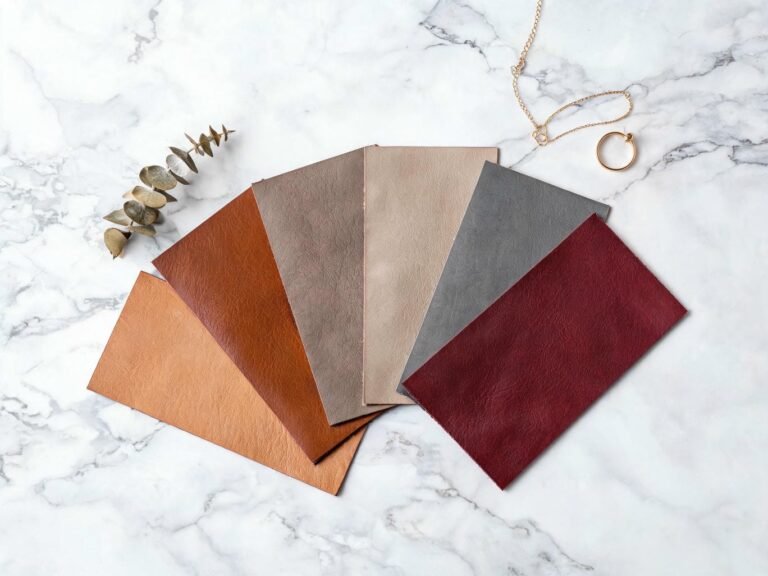
The automotive leather market is changing fast. OEM buyers face new rules. EV brands demand sustainable materials. Consumers want luxury without compromise. Sourcing teams must adapt quickly.
This guide covers the key trends. You will learn what matters most. We explain supplier requirements. We compare material options. You get actionable insights for 2026.
The State of Car Leather in 2026
Car leather demand is shifting rapidly. EV manufacturers lead the change. They want lighter materials. They need lower VOC emissions. Interior quality remains critical.
Buyers now prioritize three factors. Sustainability tops the list. Durability follows closely. Cost efficiency still matters. Traditional hides face pressure. New alternatives gain market share.
- Global car leather volume will grow steadily.
- Asia-Pacific remains the largest production hub.
- European OEMs push stricter emission rules.
- US buyers demand faster lead times.
- Vegan options now reach premium segments.
What Automotive Leather Suppliers Must Deliver
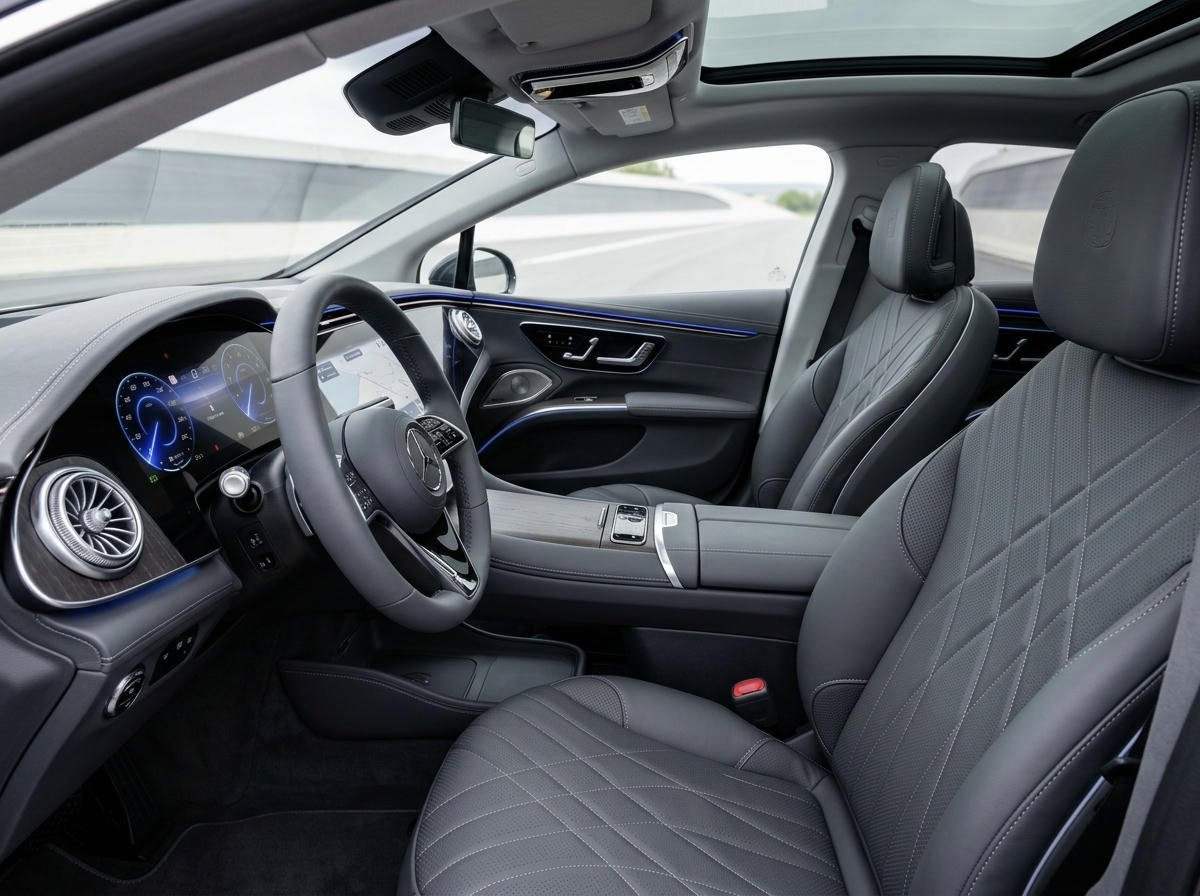
Automotive leather suppliers must prove value. OEMs no longer accept basic offerings. Buyers want full traceability. They need reliable testing data. Certification is non-negotiable.
A strong partner offers more than material. They provide technical support. They manage color consistency. They scale with your program. Lead time stability is essential.
- ISO 9001 and IATF 16949 compliance.
- Full material certification for flame retardancy.
- Fogging and VOC test reports.
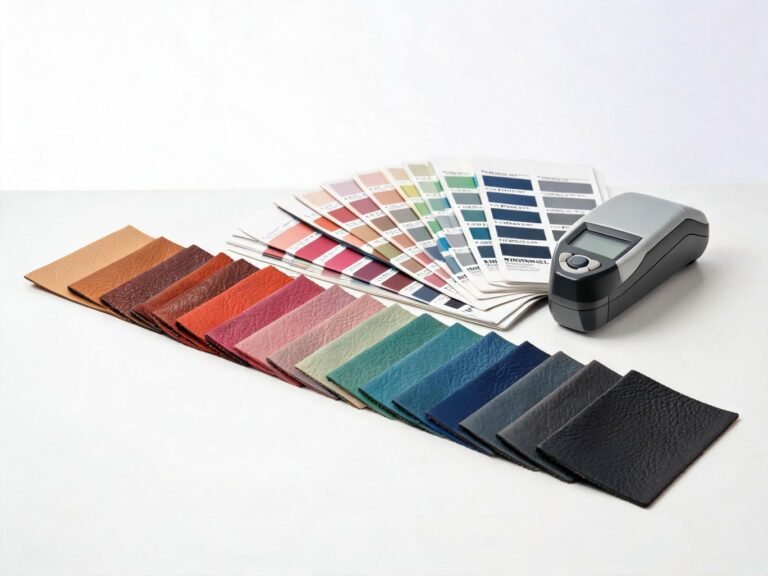
- Custom color matching within tight tolerances.
- Consistent roll-to-roll quality control.
Suppliers should also offer digital tools. Online sample ordering saves time. Real-time inventory updates help planning. Technical datasheets must be current.
Car Leather Fabric vs Car Leather Material
Buyers often confuse two terms. Car leather fabric refers to the surface layer. Car leather material includes backing and coating. Understanding this difference prevents sourcing errors.
Fabric choices affect touch and look. Material choices affect performance and durability. You need both to succeed. Let us compare the main options.
| Feature | Traditional Leather | Faux Leather (PU/PVC) | Silicone Leather |
|---|---|---|---|
| Durability | High but varies by grade | Moderate, prone to cracking | Excellent, UV and hydrolysis resistant |
| VOC Emissions | Low natural odor | Higher solvent content | Ultra-low, no plasticizers |
| Sustainability | Animal-based, resource-heavy | Petroleum-based, less eco-friendly | Solvent-free, recyclable options |
| Flame Retardancy | Requires treatment | Additives needed | Meets FMVSS 302 and FAR 25.853 |
| Maintenance | Needs conditioning | Easy to wipe | Stain-resistant, easy clean |
| Cost | High, volatile pricing | Low, budget-friendly | Mid-range, stable supply |
Silicone leather wins on safety and sustainability. It offers premium feel too. OEMs increasingly specify it. Tier 1 suppliers are switching. The data supports this move.
Luxury Car Leather: Premium Expectations
Luxury car leather sets the standard. Buyers expect flawless surfaces. Color must be exact. Grain must feel consistent. Scent should be neutral or pleasant.
Premium interiors now use alternative materials. Silicone leather matches genuine hide. It offers better consistency. It avoids natural hide defects. Brands like it for customization.
- Precise embossing patterns replicate natural grain.
- Custom perf patterns improve seat ventilation.
- Multi-tone designs match brand identity.
- Soft-touch surfaces enhance perceived quality.
- Low gloss levels reduce windshield glare.

Choosing the Right Automotive Leather Manufacturer
Not every automotive leather manufacturer fits your program. You need proven capacity. You need R&D support. Location affects logistics. Communication matters daily.
Evaluate factories on these points. Visit if possible. Request production records. Check their OEM references. Audit their quality systems.
- Monthly output capacity in linear meters.
- Backing options: polyester, cotton, foam.
- Thickness range from 0.5mm to 2.0mm.
- In-house lab for abrasion and colorfastness.
- Experience with JIT and Kanban delivery.
A reliable partner reduces risk. They catch issues early. They suggest design improvements. They protect your launch timeline. Choose wisely.
Learn more about our automotive interior solutions. See how we support global programs.
Automotive Leather Group Consolidation Trends
The automotive leather group landscape is consolidating. Large suppliers acquire smaller firms. OEMs prefer fewer partners. This trend changes procurement.
Consolidation brings mixed results. Buyers gain pricing power. They lose supplier flexibility. Niche innovators struggle to compete. Regional players find new roles.
- Top five groups now control global volume.
- Mid-size firms focus on specialty segments.
- EV startups prefer agile, smaller partners.
- Joint ventures increase in Asia and Europe.
- Vertical integration reduces supply chain risk.
Buyers should balance scale with flexibility. A dedicated partner responds faster. They adapt to design changes. They invest in your success.
Silicone Leather for Next-Gen Automotive Interiors
Silicone leather is the future. It combines performance with sustainability. No solvents are used. No plasticizers migrate. It is safe for passengers.
TOPSUN produces automotive-grade silicone leather. Our material passes global standards. We serve OEMs directly. We support Tier 1 suppliers. EV brands trust our consistency.
- Meets FMVSS 302 flame retardancy.
- Passes DIN 75201 fogging tests.
- VOC levels meet European OEM specs.
- Hydrolysis resistance exceeds ten years.
- UV stability prevents dashboard fading.
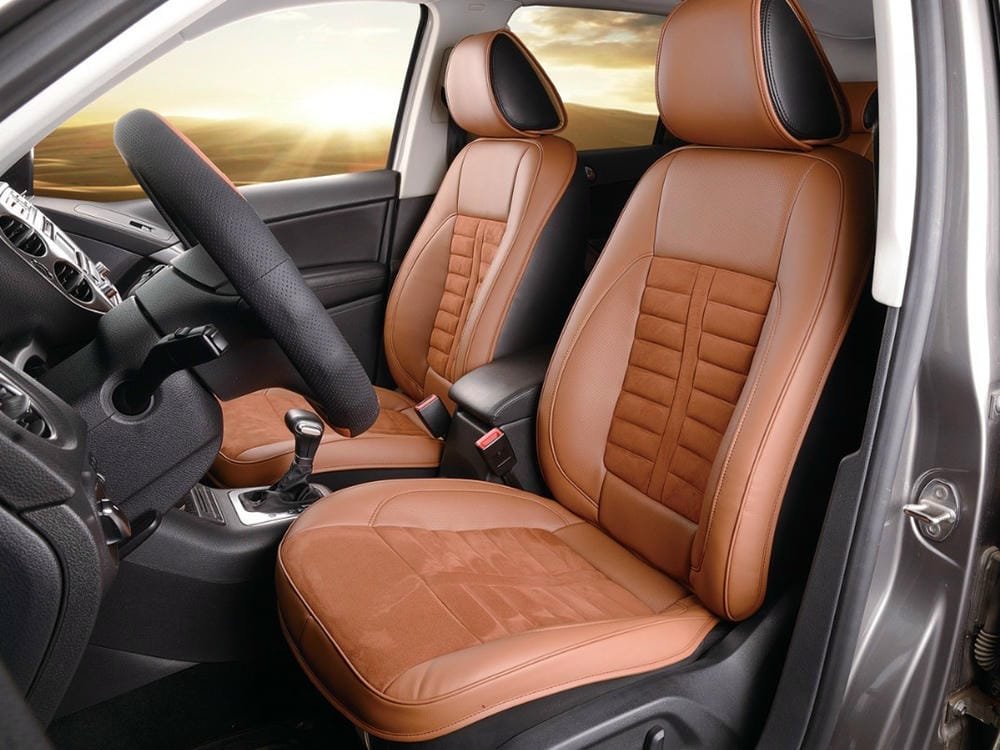
We offer full customization. You choose color. You choose texture. You choose backing. Our R&D team assists. Samples ship within days.
Explore our silicone leather innovation. See why brands are switching. Read our leather alternatives comparison for deeper insight.
Conclusion
Automotive leather sourcing is evolving. OEM buyers must stay informed. Sustainability is now standard. Performance cannot suffer. Supplier relationships define success.
Silicone leather meets all demands. It is safe. It is durable. It is sustainable. It is cost-competitive. Make the switch today.
Frequently Asked Questions
What is the best car leather material for EV interiors?
Silicone leather is ideal for EVs. It is lightweight. It has ultra-low VOCs. It meets all flame standards. It offers premium aesthetics too.
How do I verify automotive leather suppliers?
Check certifications first. Request test reports. Visit the factory. Ask for OEM references. Review their quality control process.
Is silicone leather better than PU leather for cars?
Yes, in most automotive uses. Silicone leather lasts longer. It resists UV and hydrolysis. It contains no solvents. It feels premium.
What certifications should car leather fabric have?
Look for flame retardancy certs. Check fogging test results. Verify VOC compliance. Confirm REACH and RoHS status. Ask for OEM-specific approvals.
Can luxury car leather be vegan?
Absolutely. Modern vegan materials match leather. Silicone leather offers luxury feel. It provides consistent quality. Major brands already use it.
Ready to Upgrade Your Interior Program?
TOPSUN is a leading silicone leather manufacturer. We are based in China. We offer custom color, texture, and backing. We serve automotive OEMs. We support Tier 1 suppliers. We partner with EV brands. Our automotive-grade silicone leather meets flame retardancy standards. It passes fogging tests. It meets VOC requirements.
We invite you to see our process. Our team will guide you. You can test samples first. We support your program from start.
Follow automotive industry standards for the latest compliance updates. Explore our electronics accessories. Read about eco-friendly faux leather options.