A hotel lounge chair lives a harder life than anything in a home. It absorbs spills from a hundred guests a week, gets wiped with whatever cleaner housekeeping grabs first, and is expected to look pristine for a five-to-seven-year renovation cycle. Choosing hotel upholstery fabric is therefore less about aesthetics and more about whether the material can take sustained commercial punishment without becoming a maintenance liability. This guide walks through the contract-grade thresholds that matter, the cleaning and flame standards hospitality buyers enforce, and why silicone leather is increasingly displacing both woven fabric and traditional faux leather in high-traffic properties.
The Contract-Grade Threshold Every Hotel Fabric Must Clear
“Contract grade” is not a marketing label — it is a tested performance tier defined by the Association for Contract Textiles (ACT) and enforced through two abrasion standards [1]. Wyzenbeek (ASTM D4157), common in North America, counts double rubs; contract fabric generally needs 15,000–30,000, with heavy-duty hospitality pushing 50,000+. Martindale (ISO 12947), used globally, counts cycles and typically demands 20,000–40,000 for contract use, 50,000+ for heavy commercial.
The reality buyers face is that a fabric meeting the minimum today may still look shabby at year three, because abrasion is only one failure mode. Hydrolysis in humid or poolside properties, dye transfer from guest clothing, and chemical breakdown from disinfectant wiping all age a surface faster than the rub count predicts. That is why the smartest specifiers look past the headline number and ask for the full battery: tear strength (ISO 4674), light fastness (ISO 105-B02), hydrolysis resistance (ISO 1419) and colorfastness to rubbing (ISO 105-X12). For a broader sourcing framework, see our faux leather furniture buyer’s guide.

Hotel Upholstery Fabric: Durability Standards Decoded
Translating the standards into real performance helps cut through spec-sheet confusion. The table below maps the key tests a hospitality buyer should request before approving any hotel upholstery fabric, alongside where silicone leather lands on each.
| Test | Standard | Contract Threshold | Silicone Leather |
|---|---|---|---|
| Martindale abrasion | ISO 12947 | ≥ 50,000 (heavy) | ≥ 200,000 cycles |
| Tear strength | ISO 34-1 | ≥ 20 N | ≥ 20 N |
| Light fastness | ISO 105-B02 | ≥ grade 4 | Grade 4–5 |
| Hydrolysis | ISO 1419 | Pass | 1,000+ h, no breakdown |
| Rub fastness | ISO 105-X12 | ≥ grade 4 | Grade 4–5 |
The Martindale gap is the headline: silicone leather clears 200,000 cycles, roughly four times the heavy-contract threshold. But the hydrolysis row matters more in practice. In coastal or poolside hotels, woven and PU-coated fabrics absorb moisture and break down at the coating interface — silicone’s non-porous, plasticizer-free surface simply does not hydrolyze. One hospitality client reported that after switching to silicone leather, return rates on reupholstered lobby seating dropped by 40% over a two-year window.

Cleaning, Disinfection and Hygiene
Post-pandemic housekeeping protocols changed the cleaning game permanently. RFPs now routinely require a surface to withstand repeated wiping with alcohol, bleach solutions and quat disinfectants without losing color, softening or developing a tacky film. Woven fabrics fail this almost by definition — liquids penetrate the weave, and harsh cleaners strip finishes. Traditional PU coatings discolor and embrittle under chemical exposure.

Watch coffee, wine and ink wipe clean off silicone leather in seconds — no stain, no residue.
Silicone leather’s non-porous surface changes the equation. Liquids bead and wipe away with water alone — coffee, wine, sunscreen and even permanent marker lift off without a dedicated solvent. The material tolerates the full disinfectant spectrum, so housekeeping can use its standard protocol without special handling. It is also inherently antimicrobial, inhibiting bacteria, mold and fungi without chemical additives — a property that does not deplete over cleaning cycles. For properties prioritizing waterproof performance, our waterproof faux leather resource goes deeper on the science.
Flame Compliance for Hospitality Spaces
Hotels are regulated occupancy environments, which means upholstery must meet local fire codes. In North America that is typically Cal TB 117; in Europe, EN 1021 (smoldering cigarette and match flame); in the UK, BS 5852 Crib 5 for contract seating. Silicone leather meets EN 13773 Class 4 and is self-extinguishing without added flame retardants — a meaningful advantage, since retardant additives can themselves become a VOC or smoke-toxicity liability when the material is cleaned or aged.
Total cost of ownership: A hotel fabric that lasts the full renovation cycle without reupholstering pays for its premium several times over. Silicone leather’s combination of 200,000+ Martindale, hydrolysis immunity and chemical tolerance is what makes that possible.
Why Silicone Leather Outperforms Woven Fabric
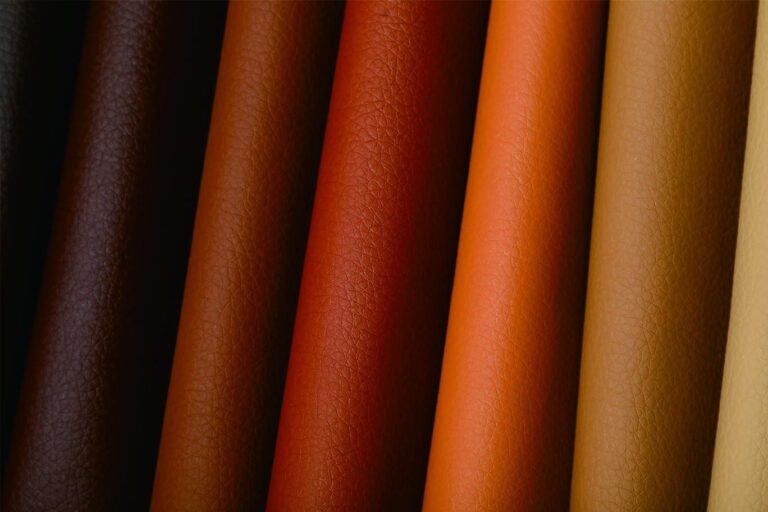
Woven contract fabrics offer design flexibility, but they carry an inherent weakness in hospitality: the weave itself. Liquids, crumbs and skin oils penetrate the gaps between fibers, creating a cleaning and odor problem no coating fully solves. Over time, woven surfaces also pill, and dye transfer from denim and luggage leaves ghost stains that no amount of spot-cleaning removes. Silicone leather’s monolithic, non-porous surface sidesteps all of these failure modes while still offering the texture, color and hand-feel buyers want — Pantone-matched within ΔE < 1.0, with 100+ standard textures available.
For projects spanning multiple property types, the same material works across lobby seating, restaurant banquette, guest-room headboard and spa furniture — simplifying specification and ensuring visual consistency. Our guide to faux leather for hotels covers application-specific recommendations, and the full furniture and sofa applications page details the broader commercial furniture range.
Frequently Asked Questions
What Martindale rating should hotel upholstery fabric have?
For heavy-traffic hospitality areas such as lobbies and restaurants, specify Martindale ≥ 50,000 cycles (ISO 12947). Silicone leather exceeds 200,000 cycles, giving roughly four times the safety margin — which translates directly into a longer reupholstery cycle.
Can silicone leather withstand hotel disinfectants?
Yes. It tolerates alcohol, bleach solutions and quat-based disinfectants without discoloration, softening or tackiness. The non-porous surface also wipes clean with water alone, reducing the chemical load on housekeeping staff.
Is silicone leather suitable for humid or poolside hotels?
Absolutely. Silicone leather does not hydrolyze — it passed 1,000+ hours of hydrolysis testing with no coating breakdown. Unlike PU, which turns brittle and powdery in humid climates, silicone remains flexible and intact indefinitely.
Specifying Hotel Upholstery Fabric That Lasts
The right hotel upholstery fabric is the one that looks as good in year five as it did at handover — and the data shows that requires more than a passing abrasion number. Silicone leather delivers the Martindale headroom, hydrolysis immunity, chemical tolerance and flame compliance hospitality buyers need, all while matching any Pantone and offering 100+ textures. When the goal is to cut total cost of ownership across a multi-property portfolio, the specification decision becomes straightforward: choose the material that survives the full renovation cycle. Start by putting certified samples in your housekeeping team’s hands and let them stress-test the surface themselves.
About TOPSUN
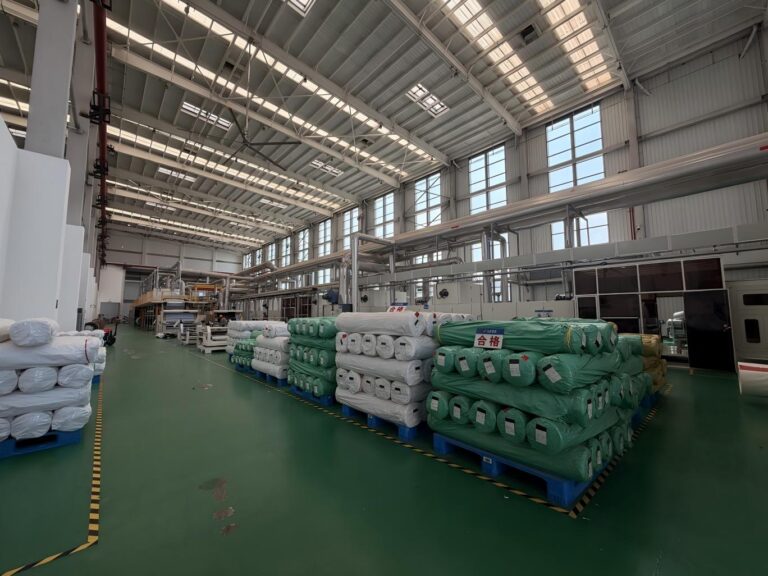
TOPSUN Silicone Leather Co., Ltd. supplies contract-grade silicone leather to hospitality and commercial furniture clients across 30+ countries, with 6 million m annual capacity and Pantone-matched color customization. Our materials are validated against the full hospitality test battery.
Relevant certifications: ISO 10993-5 biocompatibility, REACH SVHC-free, PAHs-free, FDA food-contact, EN 13773 Class 4 flame retardancy, Cal TB 117 compliant, Martindale ≥ 200,000 cycles.