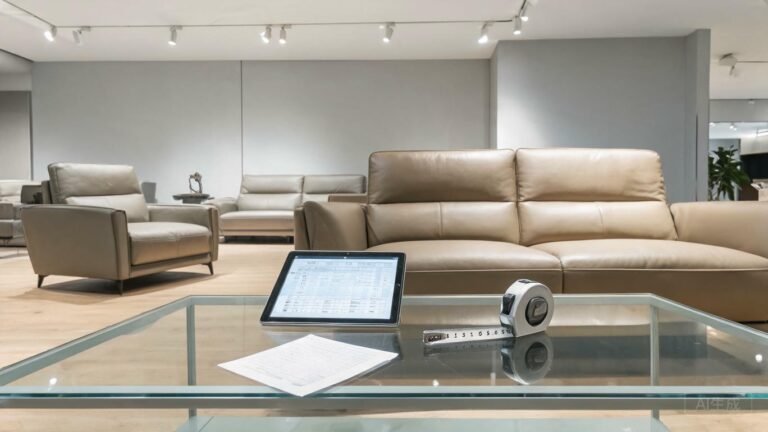
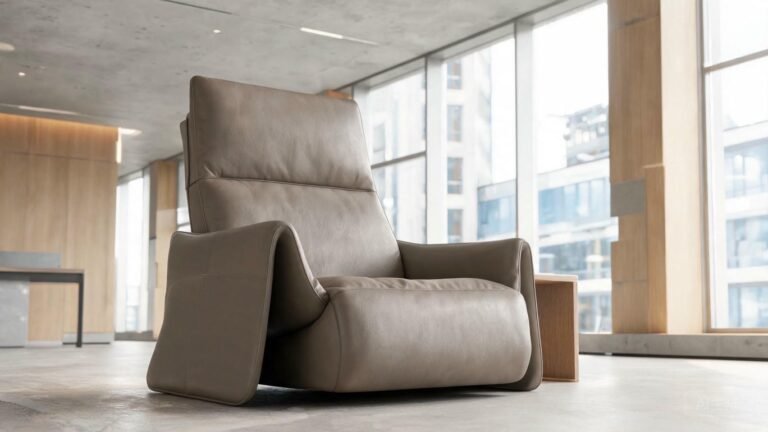
A procurement team for a Scandinavian hotel chain specified organic cotton upholstery for all 240 rooms in a new property. The decision was driven by a single metric: biodegradability. Cotton decomposes naturally, so it must be the greenest choice. But 36 months later, every cushion had compressed, stained, and harbored bacteria growth in the humid coastal climate. The hotel replaced all 240 room sets — manufacturing, shipping, and landfilling another full cycle of “biodegradable” fabric. The environmental cost of that second cycle was never calculated.
The search for the most environmentally friendly fabrics is dominated by a single word: biodegradable. But biodegradability is one variable in a much larger equation. A fabric that decomposes in six months but needs replacing every two years generates more waste, more emissions, and more chemical runoff over a 15-year period than a durable material that lasts the full term. Here is what the lifecycle data actually shows — and why procurement teams need to stop ranking fabrics by a single green attribute.

Eco-friendly fabric textures — the surface tells only part of the sustainability story
Why Biodegradable Does Not Automatically Mean Sustainable
Biodegradability is the endpoint of a material’s life — what happens when it enters a landfill or compost. It tells you nothing about what happened before that: the water consumed, the pesticides applied, the energy expended, the chemicals released, or the number of times the material was manufactured because it wore out too fast.
Organic cotton is the textbook example. It is grown without synthetic pesticides — a genuine improvement over conventional cotton. But organic cotton still requires 2,700 liters of water per shirt-equivalent of fabric, still requires land that could grow food, and still compresses, stains, and degrades within 3 to 5 years in commercial upholstery applications. A hotel that replaces its organic cotton upholstery every 4 years consumes 6.75 times more water over a 15-year period than a hotel that installs a durable synthetic once.
Hemp scores highest on the Textile Materials Index 2026 — 9.3 out of 10 — for its carbon capture, low pesticide requirements, and biodegradability. But hemp fabric in commercial upholstery applications has poor abrasion resistance. It pills, it absorbs moisture, and it mildews in humid environments. The environmental benefit of hemp’s cultivation is real, but it is partially offset by the replacement frequency the material demands in commercial use.

Raw material lifecycle display — from silica sand to finished silicone leather, the full supply chain
The Full Lifecycle Carbon Audit: Production, Use, Disposal
A proper environmental assessment covers three phases: cradle (raw material extraction and manufacturing), use (performance and replacement frequency), and end-of-life (recyclability or decomposition). Here is how five major fabric categories compare across the full cycle.
| Fabric Type | Cradle Impact | Commercial Lifespan | Replacements / 15 yr | End-of-Life |
|---|---|---|---|---|
| Organic Cotton | High water use | 3-5 years | 2-4 | Biodegradable |
| Hemp | Low — carbon negative | 3-5 years | 2-4 | Biodegradable |
| Recycled Polyester | Low — waste diverted | 4-6 years | 1-3 | Landfill — centuries |
| PU Leather | Solvent-based, high VOC | 3-5 years | 2-4 | Non-recyclable |
| Silicone Leather | Zero VOC, solvent-free | 10-15+ years | 0-1 | 100% recyclable |
The table reveals the paradox. Organic cotton and hemp have excellent cradle profiles and biodegrade cleanly — but they require 2 to 4 replacement cycles in a 15-year commercial window. Each replacement means a new production run, new shipping, and the old material entering the waste stream. Recycled polyester diverts plastic waste but persists in landfills for centuries. PU leather has the worst combined profile: solvent-based production, short lifespan, and no recyclability.
67% less waste over the product lifecycle. Silicone leather lasts 3x longer than PU and 2-3x longer than organic cotton in commercial applications. Fewer replacements mean fewer production cycles, fewer shipments, and less material in the waste stream. The math is simple: the greenest fabric is the one you do not have to replace.
VOC Emissions: The Hidden Environmental Cost Inside Buildings
Volatile organic compounds (VOCs) are the environmental cost you cannot see — but the people inside the building can smell them. Conventional PU leather production uses solvent-based processes that release VOCs during manufacturing and continue to off-gas after installation. Indoor air quality testing frequently detects elevated TVOC levels in spaces furnished with new PU upholstery — particularly in the first 6 months after installation.
The problem compounds over time. Low-VOC PU leather may pass indoor air quality testing on day one, but as the material hydrolyzes and degrades over 3 to 5 years, it begins releasing additional VOCs from the breakdown of its polymer chains and residual plasticizers. A material that was “low VOC” at installation becomes a sustained emission source as it ages. This is why many PU leather hidden problems only surface years after the warranty expires.
Silicone leather is manufactured through a solvent-free process. ISO 16000-6 testing confirms TVOC levels below 0.01 mg/m³ — effectively zero. And because silicone does not hydrolyze, does not contain plasticizers, and does not break down over its service life, those VOC levels remain stable for the full 10 to 15 years. The material is as clean in year ten as it is on day one. For eco-friendly silicone leather applications in enclosed spaces — hotels, hospitals, schools, aircraft cabins — this stability is not a luxury. It is a health requirement.
Zero-VOC production process — how silicone leather is manufactured without solvents
Certification Stack: What Actually Verifies an Eco Claim
“Eco-friendly” is not a regulated term. Any manufacturer can print it on a brochure. What matters is whether the material carries independent, third-party certifications that verify specific environmental claims. Here is the certification stack that procurement teams should require:
- OEKO-TEX STANDARD 100: Tests the finished product for over 300 harmful substances — including formaldehyde, heavy metals, and pesticide residues. This is the baseline entry requirement for any textile claiming to be safe.
- REACH SVHC compliance: Confirms the material contains none of the 200+ Substances of Very High Concern identified by the EU. Silicone leather passes full REACH screening; many PU formulations do not.
- ISO 10993-5 biocompatibility: Originally a medical device standard — verifies the material is non-cytotoxic and safe for prolonged human contact. Few upholstery materials meet this threshold.
- ISO 16000-6 VOC test: Measures actual chemical emissions from the installed material. Demand the TVOC number — not “low VOC” — and compare it across materials. Silicone leather: below 0.01 mg/m³.
- FDA food-contact compliance: Confirms the material can safely contact food without leaching. This is a strong proxy for overall chemical safety, even for non-food applications.
- GRS (Global Recycled Standard): For recycled polyester, GRS verifies the actual recycled content percentage and tracks the material through the supply chain.
A material that carries all five certifications is not just “eco-friendly” — it is verified safe at every stage of its lifecycle. For a complete breakdown of leather certification standards, our technical guide covers every standard and what it actually verifies.
Request Certification Documents
Frequently Asked Questions
Is silicone leather biodegradable?
No — and that is intentional. Silicone leather is designed for a 10 to 15-year service life, during which it does not degrade, hydrolyze, or release chemicals. At end-of-life, the material is 100% recyclable: the silicone polymer can be recovered and repurposed without toxic byproducts. This is a deliberate design choice. A fabric that biodegrades in 6 months is a fabric that must be replaced every 6 months in commercial use — generating more waste, more emissions, and more chemical runoff than a durable material that is recycled at end-of-life. The sustainability metric that matters is not how fast a material decomposes, but how much total waste it generates over the building or vehicle lifecycle.
How does silicone leather compare to TENCEL (lyocell) for sustainability?
TENCEL scores 8.7 on the Textile Materials Index 2026, praised for its closed-loop production process and biodegradability. It is an excellent apparel fiber. But in commercial upholstery applications, TENCEL fabric has lower abrasion resistance than silicone leather and absorbs moisture, which limits its use in high-traffic or humid environments. The sustainability comparison depends on application: for a fashion garment with a 2-year wear cycle, TENCEL’s biodegradability is an advantage. For a hotel sofa that needs to last 10 years, silicone leather’s durability and zero-VOC stability deliver a lower lifecycle environmental cost — even though the material does not biodegrade.
What makes silicone leather vegan and cruelty-free?
Silicone leather is 100% synthetic. The base polymer is derived from silica (sand) — the second most abundant element in the Earth’s crust. No animal products, animal byproducts, or animal-derived processing aids are used at any stage of production. This eliminates the environmental damage associated with livestock farming — which the UN Food and Agriculture Organization estimates contributes 14.5% of global greenhouse gas emissions — and eliminates the toxic chemical runoff from chrome tanning used in genuine leather production. For brands seeking vegan leather certification, silicone leather provides a fully traceable, auditable supply chain with zero animal inputs.
The Real Environmental Metric: Waste Avoided Over 15 Years
Sustainability is not a single attribute on a spec sheet. It is the total environmental cost of providing a functional surface for the full lifecycle of the building, vehicle, or product it serves. A biodegradable fabric replaced four times in 15 years is not greener than a durable material installed once and recycled at the end. A solvent-free manufacturing process matters less if the material begins releasing VOCs as it degrades in year three.
The procurement question is not “which fabric is most biodegradable?” — it is “which fabric generates the least total environmental impact over the project lifecycle?” That calculation includes water consumption, energy use, chemical emissions, replacement frequency, waste generation, and end-of-life recovery. On that comprehensive metric, materials designed for longevity — with verified zero-VOC production, verified safety certifications, and verified recyclability — consistently outperform materials selected for biodegradability alone.
For projects that need to understand how silicone leather compares to PU across environmental and performance dimensions, our technical comparison page provides the side-by-side data.
Read our full leather industry sustainability analysis for the complete environmental framework.
About TOPSUN
TOPSUN manufactures silicone leather through a solvent-free, zero-VOC process verified to ISO 16000-6 standards — delivering fabrics with a 10 to 15-year commercial lifespan that generate 67% less lifecycle waste than PU leather alternatives across hospitality, automotive, healthcare, and consumer goods applications.
ISO 10993-5 biocompatible | ISO 16000-6 TVOC < 0.01 mg/m³ | REACH SVHC compliant | FDA food-contact certified | EN 71 toy-safe | 100% recyclable | Zero plasticizers | Vegan & cruelty-free