Are you tired of sourcing waterproof faux leather that cracks, peels, or fails after a few months? Most B2B buyers face the same frustration. Traditional PU leather absorbs moisture. PVC leather becomes brittle. Neither delivers the long-term reliability your projects demand.
The solution is advanced waterproof synthetic leather engineered with silicone-coated technology. At TOPSUN, we manufacture waterproof faux leather that withstands heavy rain, salt spray, and daily spills. Our materials pass ISO 811 hydrostatic pressure tests. They resist UV fading for 500+ hours. They maintain softness at -30°C.
Need waterproof faux leather samples for your next project?
This guide covers everything B2B buyers need to know. You will learn how waterproof faux leather works. You will discover which industries benefit most. You will see test data, comparison charts, and certification details. By the end, you will know exactly what to specify for your bulk orders.
What Is Waterproof Faux Leather?
Waterproof faux leather is a synthetic material. It mimics genuine leather aesthetics. It blocks water penetration completely. Unlike standard PU leather, it uses advanced polymer coatings. These coatings create a molecular barrier against moisture.
The term covers several material categories:
- Silicone-coated fabrics — highest durability and eco-profile
- PU leather with waterproof treatment — budget-friendly option
- PVC leather — naturally water-resistant but less flexible
- Microfiber synthetic leather — breathable with water-repellent finish
For B2B buyers, material choice impacts product lifespan. It affects warranty claims. It determines customer satisfaction. Choosing the right waterproof leather material from the start saves money long-term.
Key insight: True waterproof faux leather maintains performance after 10,000+ abrasion cycles. Water-repellent leather only resists light splashes. Always check test reports before ordering.
How Waterproof Synthetic Leather Works
Modern waterproof synthetic leather relies on multi-layer construction. Each layer serves a specific function. Together they create a durable, flexible barrier.
The Four-Layer Structure
- Top coating: Silicone or polyurethane film repels water, oil, and stains.
- Color layer: Pigmented resin provides consistent hue and UV resistance.
- Base fabric: Woven polyester or microfiber adds tensile strength.
- Backing layer: Fleece or foam improves hand feel and adhesion.
Silicone-based top coatings outperform traditional options. They bond at the molecular level. They do not crack when flexed 200,000 times. They resist hydrolysis in humid climates.

Figure 1: Multi-layer waterproof faux leather structure with silicone top coating
Waterproof vs Water-Resistant: Know the Difference
- Waterproof: Zero water penetration under sustained pressure. Measured by hydrostatic head test (ISO 811).
- Water-resistant: Repels light splashes. Fails under prolonged exposure or pressure.
- Water-repellent: Surface treatment only. Wears off after cleaning cycles.
B2B buyers should specify waterproof leather fabric with certified test results. Do not accept vague marketing claims. Demand ISO 811 or AATCC 127 reports.
Unsure which waterproof grade your project needs?
Types of Waterproof Leather Material
Not all waterproof leather material performs equally. Each type suits different budgets and end uses. Here is a breakdown for procurement teams.
1. Silicone Leather (Premium)
Silicone leather uses liquid silicone rubber coating. It contains no plasticizers. It emits zero VOCs. It passes REACH and RoHS standards. This is the top choice for medical, baby products, and marine applications.
- Hydrostatic pressure: >10,000 mm
- Abrasion resistance: >100,000 Martindale cycles
- UV resistance: 500+ hours QUV
- Temperature range: -40°C to +150°C
2. PU Leather Waterproof (Mid-Range)
PU leather waterproof variants use solvent-free polyurethane. They offer good flexibility at lower cost. Performance varies by formulation. Some grades suffer hydrolysis after 2-3 years in tropical climates.
- Hydrostatic pressure: 3,000-8,000 mm
- Abrasion resistance: 30,000-50,000 cycles
- Best for: Indoor furniture, fashion accessories
3. PVC Waterproof Leather (Economy)
PVC is naturally waterproof. It is rigid and heavy. Cold temperatures make it crack. Phthalate concerns limit use in children’s products and food contact.
- Hydrostatic pressure: >5,000 mm
- Abrasion resistance: 20,000-40,000 cycles
- Best for: Short-life promotional items, budget upholstery
4. Vegan Leather Waterproof (Eco-Focused)
Vegan leather waterproof options use plant-based or recycled substrates. Silicone-coated versions lead this segment. They offer cruelty-free sourcing with full waterproofing. Demand is growing 18% annually in EU markets.
Annual growth in vegan leather demand (EU)
mm hydrostatic pressure (silicone grade)
Martindale abrasion cycles
Hours UV resistance
Waterproof Faux Leather vs PU vs PVC
Procurement teams need clear comparisons. This table shows how waterproof faux leather stacks against common alternatives.
| Property | Silicone Waterproof Faux Leather | Standard PU Leather | PVC Leather |
|---|---|---|---|
| Waterproof rating | Excellent (>10,000 mm) | Poor (absorbs over time) | Good (naturally resistant) |
| Abrasion resistance | 100,000+ cycles | 30,000-50,000 cycles | 20,000-40,000 cycles |
| UV resistance | 500+ hours | 100-200 hours | 200-300 hours |
| Cold crack | -40°C | -10°C | 0°C |
| Hydrolysis resistance | 10+ years | 2-5 years | 5-7 years |
| VOC emissions | Zero | Low-Moderate | Moderate-High |
| Recyclability | Yes | Limited | Difficult |
| Cost per meter | Premium | Mid-range | Low |
Source: TOPSUN internal lab data, 2025. Test methods: ISO 811, ASTM D4966, ASTM G154.

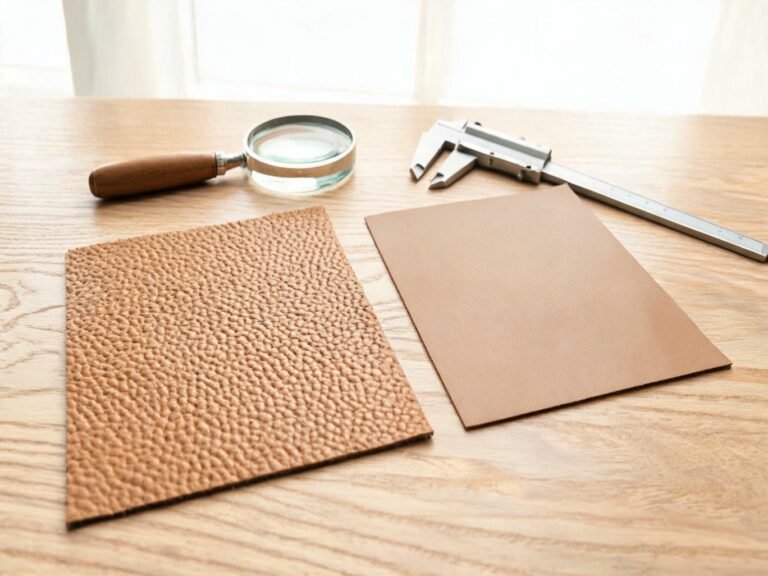
Figure 2: Waterproof synthetic leather (left) vs standard faux leather (right) under water spray test
Industry Applications & Use Cases
Waterproof faux leather serves diverse B2B markets. Each sector has unique performance requirements. Here are the top applications.
Marine & Outdoor
Boat upholstery faces saltwater, UV, and mold. Marine-grade waterproof faux leather resists all three. It does not absorb moisture. It prevents mildew growth. It maintains color after 3+ years of sun exposure.
- Yacht seating and cushions
- Boat covers and bimini tops
- Outdoor furniture cushions
- RV and caravan interiors
Automotive Interiors
Car seats need spill resistance. Automotive waterproof synthetic leather handles coffee, juice, and cleaning chemicals. It passes FMVSS 302 flame retardancy. It resists denim dye transfer.
- Seat covers and headrests
- Door panels and armrests
- Steering wheel wraps
- Commercial fleet interiors
Furniture & Hospitality
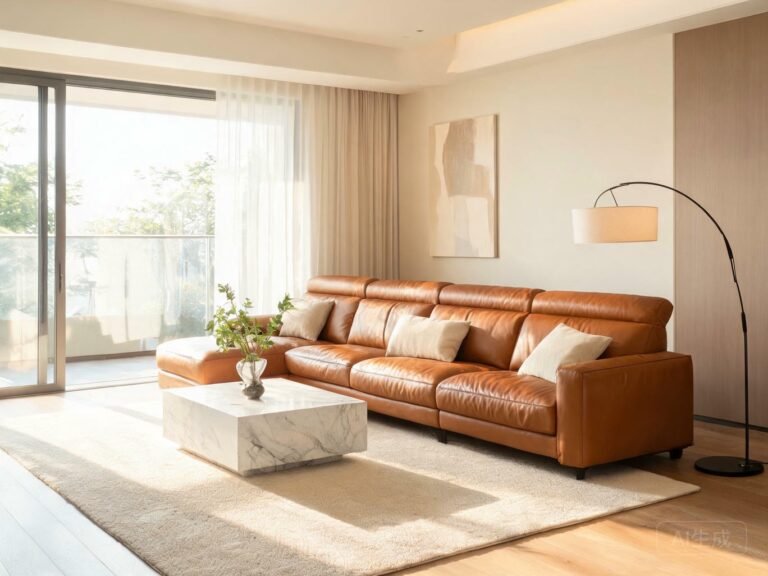
Hotels and restaurants demand easy cleaning. Waterproof leather fabric for furniture withstands bleach solutions. It resists wine and oil stains. It looks premium after years of daily use.
- Restaurant booth seating
- Hotel lobby sofas
- Healthcare waiting room chairs
- Residential recliners
Fashion & Accessories
Bags, shoes, and jackets need style plus function. PU leather waterproof grades offer fashion colors with rain protection. Silicone versions add eco appeal for sustainable brands.
- Handbags and tote bags
- Footwear uppers
- Wallets and phone cases
- Sportswear accents
Medical & Healthcare
Hospital furniture requires frequent disinfection. Medical-grade waterproof faux leather survives alcohol wipes. It passes biocompatibility tests. It contains no latex or phthalates.
- Examination tables
- Wheelchair cushions
- Dental chairs
- Patient transport seats

Figure 3: Wholesale rolls of waterproof faux leather ready for B2B shipment
Which industry are you sourcing for?
Get tailored recommendations and bulk pricing.
Performance Testing & Certifications
Reputable suppliers provide test reports. Do not accept verbal claims. Here are the key tests for waterproof faux leather.
Essential Waterproof Tests
- ISO 811 / AATCC 127: Hydrostatic pressure resistance. Measures water column height before leakage.
- ASTM D751: Coated fabric waterproofing. Standard for upholstery and marine applications.
- JIS L 1092: Japanese standard for water penetration. Required for Asian market exports.
Durability & Environmental Tests
- ASTM D4966 (Martindale): Abrasion resistance. 100,000+ cycles indicates commercial-grade durability.
- ASTM G154 / ISO 4892: UV accelerated weathering. 500+ hours predicts 3-5 years outdoor life.
- ISO 13938: Bursting strength. Ensures seam integrity under stress.
- ISO 14184: Formaldehyde content. Must be undetectable for indoor use.
Certifications to Request
RoHS Certified
CA Prop 65 Safe
OEKO-TEX Standard 100
ISO 9001 Factory
TOPSUN certificates overview page lists current documents. We provide batch-specific COAs on request.
Pro tip: Always request third-party lab reports dated within 12 months. Internal factory data is useful. Independent verification is essential for quality assurance.
B2B Buying Guide: What to Look For
Sourcing waterproof faux leather in bulk requires attention to detail. Use this checklist before placing orders.
1. Define Performance Requirements
- What is the end-use environment? (Indoor, outdoor, marine, medical)
- What waterproof rating is required? (3,000 mm vs 10,000 mm)
- What abrasion level is expected? (Residential vs commercial traffic)
- Are flame retardancy or anti-microbial properties needed?
2. Verify Supplier Credentials
- Factory audit reports (BSCI, Sedex)
- Quality management certification (ISO 9001)
- Environmental compliance (ISO 14001)
- Product liability insurance
3. Request Physical Samples
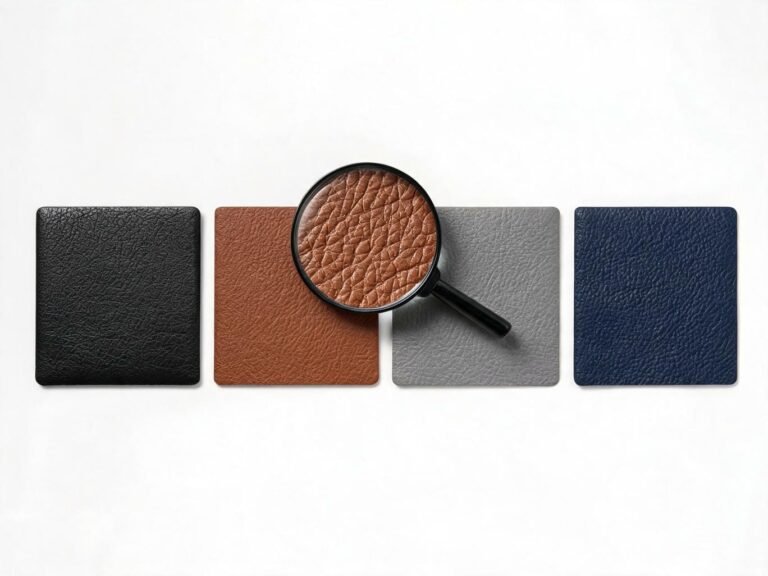
- Order A4-size swatches in target colors
- Conduct your own water drop test
- Check hand feel, thickness, and stretch
- Test sewing and adhesion properties
4. Review MOQ and Lead Times
- Standard MOQ: 500-1,000 meters per color
- Custom colors: Add 10-14 days for lab dip approval
- Bulk production: 3-4 weeks after order confirmation
- Shipping: Sea freight 25-35 days to EU/US
5. Negotiate Terms
- Payment: 30% deposit, 70% against B/L copy
- Quality guarantee: Defect rate <2% or free replacement
- Packaging: Roll length, core diameter, pallet specs
- After-sales: Technical support and complaint handling
For a deeper comparison of material types, read our guide on faux leather vs real leather. It covers cost, sustainability, and performance factors.
Why TOPSUN Silicone Leather Leads the Market
TOPSUN has manufactured silicone-coated fabrics since 2018. We serve 100+ B2B clients across 30 countries. Here is what sets our waterproof faux leather apart.
Factory Strength
- 60,000 sqm production facility in China
- 10+ automated coating lines
- Monthly capacity: 500,000+ meters
- In-house R&D lab with 12+ engineers
Product Advantages
- True waterproofing: All grades exceed 10,000 mm hydrostatic pressure
- Extreme durability: 100,000+ Martindale cycles on standard grades
- Eco-safe: Zero VOCs, REACH/RoHS compliant, recyclable
- Customizable: 500+ colors, 500+ textures, custom embossing
Quality Assurance
- 100% inline inspection during coating
- Random sampling per ISO 2859-1 (AQL 2.5)
- Batch traceability via barcode system
- Third-party SGS/BV testing on request
ISO 14001 Certified
BSCI Audited
SGS Tested
Learn more about our factory and production capabilities. Or visit our company profile for company history and mission.
Frequently Asked Questions
Is PU leather waterproof?
Standard PU leather is not waterproof. It absorbs moisture over time. Specialized PU leather waterproof grades use added coatings. These improve resistance but rarely match silicone leather performance.
How long does waterproof faux leather last?
High-grade silicone waterproof faux leather lasts 10-15 years indoors. It lasts 5-8 years in outdoor marine conditions. PVC versions last 3-5 years. Standard PU lasts 2-4 years before hydrolysis.
Can waterproof synthetic leather be sewn like real leather?
Yes. It sews with standard industrial machines. Use size 80-90 needles. Adjust tension for thinner profiles. No special equipment is required.
Is vegan leather waterproof?
Not all vegan leather is waterproof. Plant-based versions (pineapple, mushroom) absorb water unless coated. Silicone-coated vegan leather waterproof options provide full protection. They are the best choice for wet environments.
What is the MOQ for custom colors?
TOPSUN’s standard MOQ is 500 meters per color. For trial orders, we stock 50+ standard colors with 500-meter MOQ. Custom embossing requires 500 meters.
Does waterproof faux leather meet automotive standards?
Premium grades pass FMVSS 302 flame retardancy. They meet OEM fogging tests. They resist denim dye transfer. Always specify automotive-grade certification when ordering.
Conclusion & Next Steps
Waterproof faux leather is essential for durable, low-maintenance products. Silicone-coated versions outperform PU and PVC in every metric. They offer true waterproofing. They resist UV, abrasion, and extreme temperatures. They meet global safety standards.
For B2B buyers, the decision is clear. Specify silicone waterproof synthetic leather for projects that demand reliability. Request samples. Review test data. Verify certifications. Then place your bulk order with confidence.
TOPSUN is ready to support your procurement process. We provide free samples. We offer technical consultations. We deliver consistent quality at competitive MOQs.
Ready to upgrade your waterproof faux leather supply?
Get free samples, bulk pricing, and technical support today.
About TOPSUN: TOPSUN is a leading manufacturer of silicone leather and waterproof faux leather materials. Since 2018, we have supplied B2B buyers in furniture, automotive, marine, medical, and fashion industries. Our ISO 9001-certified factory produces 500,000+ meters monthly. All products meet REACH, PAHs, and OEKO-TEX standards.
Last updated: June 2026. All performance data based on TOPSUN internal lab testing. Third-party reports available on request.