What happens when a wearable device touches skin for 16 hours a day, absorbs sweat five days a week, and flexes 10,000+ times daily? For most PU leather straps, the answer is cracking, peeling, and skin irritation within 6–12 months. The smartwatch strap materials market reached $2.75 billion in 2025, yet a surprising percentage of OEMs still specify materials that fail under real-world conditions. Here’s what the testing data shows — and which materials actually survive constant skin contact.
The PU Leather Failure Pattern in Wearable Devices
A fitness wearable client came to us after their PU leather bands generated a 3.2% warranty return rate — all within the first 8 months of sale. The failure mode was consistent: flex cracking at the lug attachment point, followed by surface peeling, followed by skin irritation complaints. Lab analysis showed the PU formulation had lost 40% of its elongation capacity after 8,000 flex cycles — well below the 50,000+ cycles that silicone leather maintains in the same test.
The root cause wasn’t manufacturing quality — it was material chemistry. PU leather relies on plasticizer additives for flexibility. Constant skin contact, sweat exposure, and body heat accelerate plasticizer migration. Once the plasticizer depletes, the polymer becomes brittle and cracks at stress points. PVC leather fails even faster, with plasticizer loss beginning within 3–6 months of daily wear.

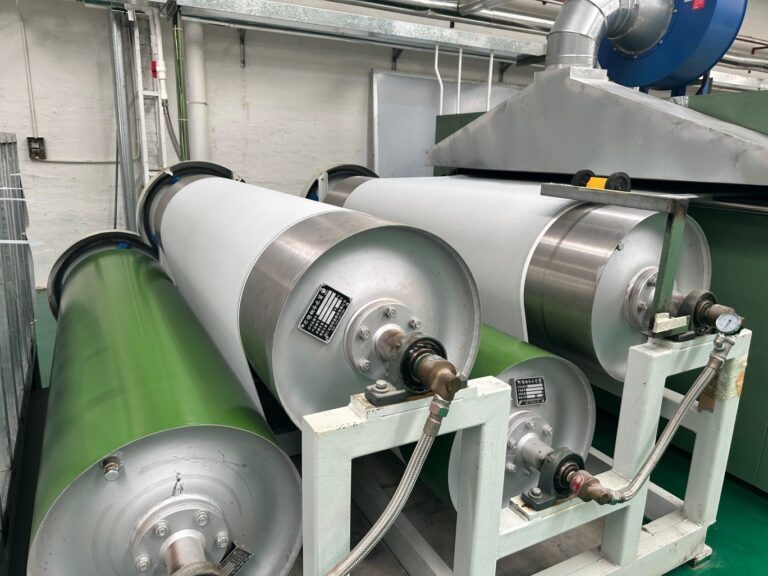
Flex testing equipment — the machine that predicts whether a strap will crack at 6 months or 6 years
3 Materials That Pass ISO 10993-5 Skin-Contact Testing
For 3C electronics accessories that touch skin for hours daily, ISO 10993-5 biocompatibility testing isn’t optional — it’s the baseline. Samsung, Apple, and Garmin all reference this standard in their materials disclosure documents. Here are the three material systems that consistently pass:
- Silicone rubber: The default for sport-focused devices. Excellent sweat resistance and biocompatibility, but limited aesthetic range and a sticky feel in high heat. No leather-like texture possible.
- Fluoroelastomer (FKM): Premium sport material with exceptional chemical resistance. High cost ($15–30/strap) and rubbery appearance limit fashion applications.
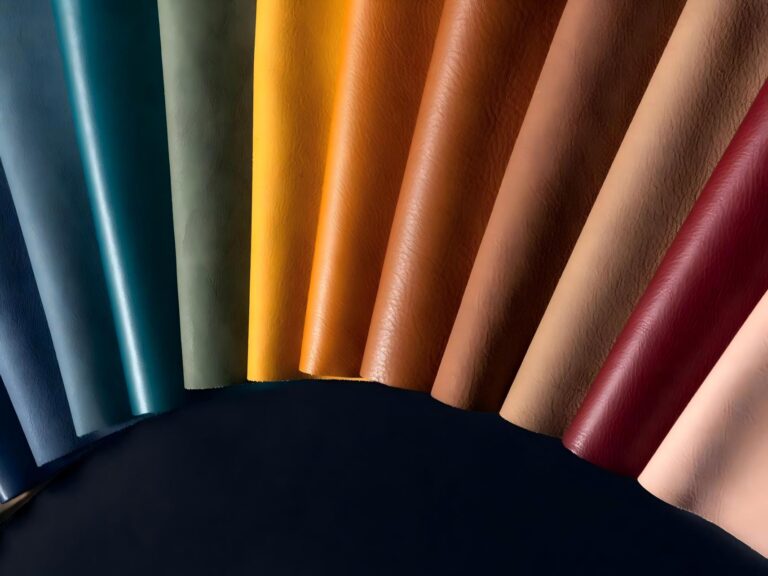
- Silicone leather: Combines silicone coating with textile backing. Delivers leather-like touch, 100,000+ flex cycles, plasticizer-free formulation, and ISO 10993-5 certification. The middle ground between sport performance and fashion aesthetics.

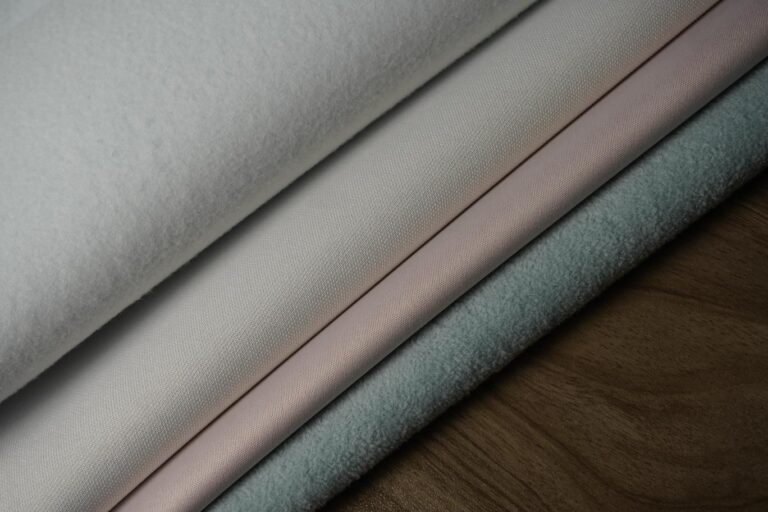
Physical testing laboratory — biocompatibility and durability testing happens here before any strap reaches production
Wearable Tech Leather: Material Selection Decision Guide
For OEMs sourcing wearable tech strap materials, the decision should be driven by the product’s primary use case:
- If your device targets sport/fitness users: Silicone rubber or FKM for maximum sweat resistance. Accept the aesthetic limitations.
- If your device targets fashion/lifestyle users: Silicone leather for leather-like aesthetics with skin-safe formulation. Verify 100K+ flex cycles.
- If your device targets medical/healthcare applications: Silicone leather with ISO 10993-5 certification. Non-negotiable — request the actual test report, not just a certificate number.
- If budget is the primary constraint: PU leather is acceptable for sub-$30 devices with 6-month expected lifespan. Specify hydrolysis resistance of 2+ years and set warranty expectations accordingly.
Compliance note: REACH SVHC compliance and OEKO-TEX Standard 100 Class II certification are becoming baseline requirements for wearable materials entering the EU market. Verify your supplier provides both — not just one or the other.

Smart leather technology — sensor-compatible surfaces require materials that don’t interfere with optical readings
The Bottom Line
Wearable tech leather isn’t just about aesthetics — it’s a skin-safety and durability engineering decision. PU leather cracks within months of daily wear. Silicone rubber and FKM survive but sacrifice fashion appeal. Silicone leather bridges the gap with biocompatibility certification, 100K+ flex endurance, and genuine leather-like texture. Specify the right material for your use case, demand ISO 10993-5 test reports, and set warranty terms that match your material’s actual lifespan.
See how silicone leather performs under breathable and flex testing — the data wearable OEMs need
About TOPSUN
TOPSUN produces ISO 10993-5 certified silicone leather for wearable device straps and 3C electronic accessories, combining skin-safe formulation with leather-like tactile quality. Monthly capacity exceeds 500,000 meters across three production facilities.
ISO 10993-5 biocompatibility certified | 100K+ flex cycles | REACH compliant | Plasticizer-free formulation