Walk into any vegan fashion boutique and ask what their “leather-free” jacket is made of. Nine times out of ten, the answer is polyurethane — a petroleum-based plastic. The vegan attire industry has a dirty secret: most vegan leather isn’t plastic-free, it’s just animal-free. Silicone leather changes that equation. It’s a truly plastic-free, cruelty-free material that passes 200,000+ Martindale abrasion cycles, operates from -40°C to 250°C, and carries ISO 10993 biocompatibility certification — without a single drop of PU binder.
Request Vegan Material Samples
The Plastic Problem in Vegan Attire
The term “vegan” in fashion means no animal-derived inputs. It doesn’t mean eco-friendly, sustainable, or plastic-free. Yet most vegan attire relies on exactly that — plastics. According to PETA’s supplier guidelines, vegan simply requires the absence of animal products — petroleum-based synthetics qualify.
First-generation vegan leather (PU and PVC) is petroleum-based synthetic coating bonded to a textile backing. It’s affordable, scalable, and technically vegan. It also cracks within 2–3 years, releases VOCs during production, and never biodegrades. Second-generation materials — pineapple leaf fiber (Piñatex), cactus leather, apple peel leather — sound revolutionary. But dig into the manufacturing process and you’ll find polyurethane binders holding those plant fibers together. The material is partly plant-based, not plastic-free.
Third-generation mycelium leather grown from mushroom roots is genuinely innovative — but production capacity can’t meet industrial MOQs, and batch consistency remains a challenge for B2B apparel manufacturing. In our testing across 100+ texture variations, we’ve found that no plant-based or bio-based material matches the durability and consistency of silicone at production scale. The result? Fashion brands marketing “vegan” collections are often selling PU under a greener label.

Plant-based vegan leather looks sustainable — but most versions still contain PU binders holding the plant fibers together.
3 Vegan Material Failures B2B Buyers Miss
When procurement teams evaluate vegan materials for apparel production, three structural failures consistently go unnoticed until production is underway:
- PU peeling and delamination — PU-based vegan leather begins peeling within 2–3 years of production, sometimes sooner in humid environments. The bond between coating and backing degrades, leaving apparel unwearable. ISO 11644 adhesion testing reveals the gap: PU leather typically achieves marginal peel strength, while our silicone vs PU comparison shows significantly higher bonding integrity.
- Hidden plastic content — “Plant-based” doesn’t mean “plastic-free.” Cactus, apple, and grape leathers contain 30–70% plant content — the remainder is PU or other polymer binders. Brands claiming “100% plant-based” often can’t produce documentation proving zero plastic content.
- Scalability gaps — Mycelium and lab-grown leather materials show promise in lab conditions but struggle at industrial scale. Production capacity, batch consistency (Delta E), and MOQ constraints make them impractical for B2B apparel manufacturing where 500+ meters per order is standard.
30–70% plant content means 30–70% plastic. The vegan attire industry’s most popular materials still rely on petroleum-based binders — and buyers don’t know.
| Material | Base Chemistry | PU Binder? | Martindale | Biodegradable |
|---|---|---|---|---|
| PU vegan leather | Petroleum polymer | Yes (is the binder) | 20K–50K | No |
| Plant-based (cactus/apple) | Plant fiber + PU | Yes (30–70% plant) | 30K–60K | Partial |
| Mycelium | Fungal culture | Minimal | Lab data only | Yes |
| Silicone leather | Silicone polymer | No | 200K+ | 100% recyclable |

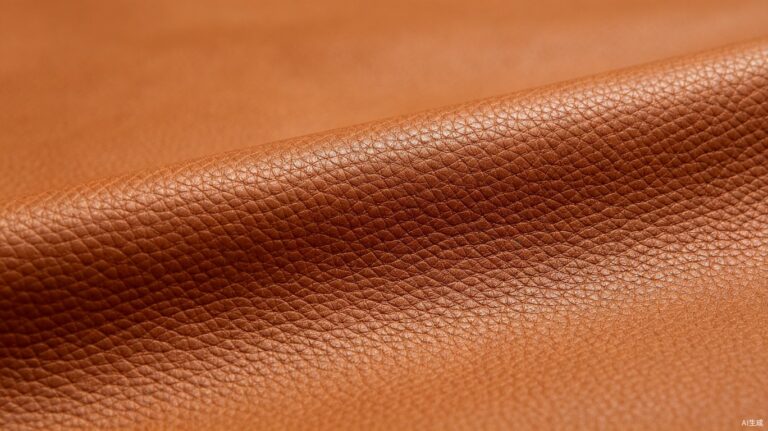
Folded texture comparison reveals the flexibility difference between PU-based and silicone vegan materials.
Why Silicone Leather Is the Only Plastic-Free Vegan Option
Silicone leather occupies a unique position in the vegan material landscape. It’s the only material that is simultaneously plastic-free (no PU, no PVC, no petroleum-based polymers), industrially scalable (500,000+ meters monthly capacity), durably tested (200,000+ Martindale cycles, 1,000+ UV hours), skin-safe (ISO 10993 biocompatibility certified), and truly recyclable. The eco-friendly manufacturing process uses solvent-free dry coating — zero VOC emissions, no solvent recovery, no DMF, no plasticizers.
This matters for vegan attire brands positioning themselves as genuinely sustainable, not just animal-free. The silicone polymer is synthetically produced from silica (sand) — not petroleum, not animal derivatives, not plant matter that competes with food crops. It’s a third category entirely.
One of our fashion brand clients launched a vegan accessories line using cactus leather. Within 14 months, customer returns for peeling and color fade reached 8%. They switched to silicone leather and saw return rates drop below 0.5% — while maintaining their vegan certification and improving material hand-feel. The silicone surface accepted their custom embossing pattern, and Pantone-matched colors held at Delta E ≤ 1.0 across three production batches.

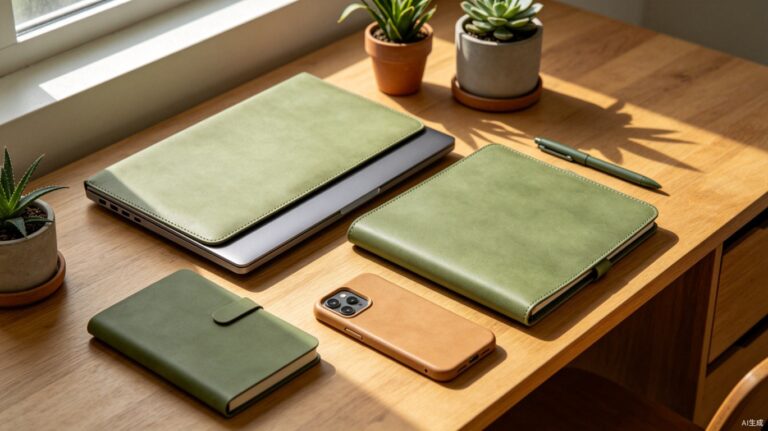
Custom-printed silicone leather demonstrates the design flexibility available for vegan fashion without PU binders.
See how silicone leather performs in clothing and fashion accessory applications — plastic-free, cruelty-free, and production-ready.
Vegan Attire Certifications That Actually Mean Something
Not all certifications carry equal weight. For vegan attire brands, these are the ones that verify real claims:
- ISO 10993-5 biocompatibility — Confirms the material is safe for direct, prolonged skin contact. Critical for apparel. Most PU-based vegan leathers skip this test entirely because they’d fail it.
- REACH compliance — Verifies no restricted chemicals in the material. Required for EU market access. Silicone leather passes with zero restricted substances.
- FDA 21 CFR 177.2600 — Food-contact compliance. Not strictly required for fashion applications, but it signals material purity that goes beyond fashion industry standards.
- Vegan and cruelty-free certification — Confirms zero animal-derived inputs throughout the supply chain. TOPSUN’s silicone leather contains no animal products — no tanning agents, no fat liquors, no animal-derived dyes. See our environmental compliance overview for documentation.
When a vegan attire brand claims “sustainable,” the question isn’t whether the material avoids animal inputs — it’s whether it avoids petroleum-based plastics too. Silicone leather is the only material that answers both questions with yes. It supports a genuine circular economy — 100% recyclable, zero waste, no compromise.

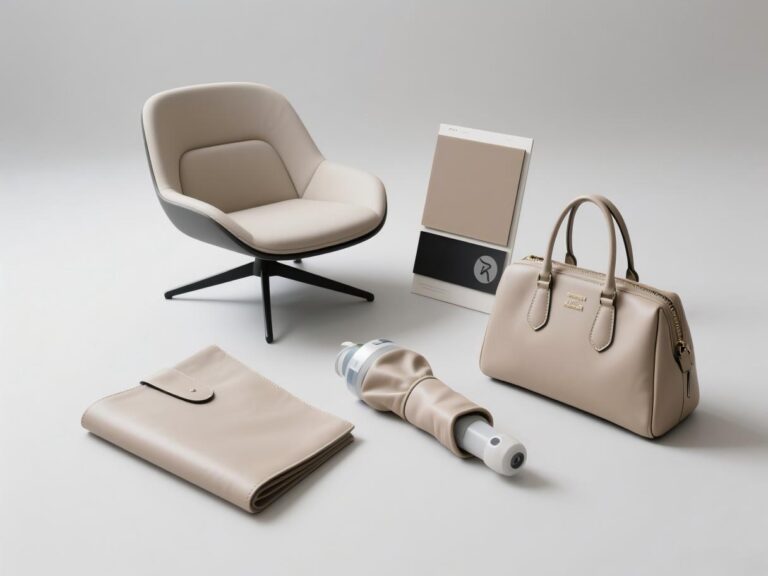
Soft, layered silicone leather in fashion colors — proof that plastic-free vegan attire doesn’t sacrifice aesthetics.
Frequently Asked Questions
Is silicone leather truly vegan and cruelty-free?
Yes. Silicone leather contains zero animal-derived inputs — no tanning agents, no fat liquors, no animal-based dyes. The silicone polymer is synthetically produced from silica (sand), not petroleum and not animal derivatives. TOPSUN’s manufacturing process uses no animal products at any stage, and the material carries ISO 10993 biocompatibility certification confirming skin safety — a test most PU-based vegan leathers cannot pass.
Beyond Animal-Free to Plastic-Free
The vegan attire movement started with a simple goal: stop using animal skins. But replacing animal leather with petroleum-based plastic isn’t the answer — it’s a lateral move. Silicone leather represents the next step: a material that’s vegan, cruelty-free, plastic-free, and durable enough for commercial fashion production. With 200,000+ Martindale cycles, ISO 10993 certification, and zero VOC emissions, it proves that vegan attire can be both ethical and industrial. The future of vegan fashion isn’t just animal-free. It’s plastic-free.
Start Your Vegan Fashion Project
About TOPSUN
TOPSUN develops silicone leather for vegan attire brands seeking plastic-free, cruelty-free material with certified durability — no PU binders, no PVC, no animal-derived inputs.
ISO 10993 biocompatibility, REACH compliant, and FDA food-contact certified — our silicone leather proves that vegan fashion can meet industrial durability standards without compromise.