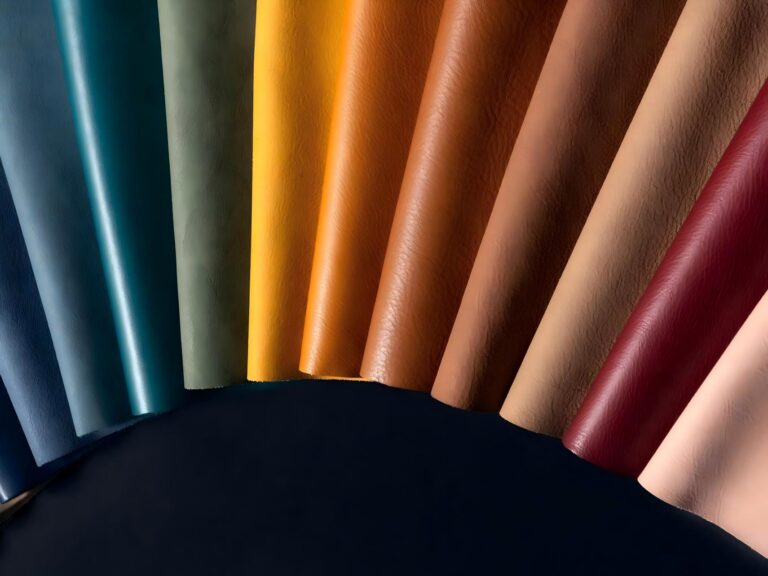
When procurement teams and product designers ask what fake leather is made of, they often expect a simple answer. The truth is more nuanced — and more important — than most people realize. Fake leather, also called faux leather, synthetic leather, or artificial leather, is not a single material. It is a category of materials that share a common structure: a fabric backing coated with a polymer layer designed to look and feel like genuine leather.
The specific polymer used in that coating — PVC, polyurethane, microfiber PU, or silicone — determines everything from the material’s durability and cost to its environmental profile and chemical safety. As an engineer who has tested hundreds of synthetic leather formulations over the years, I can tell you that two products both labeled “faux leather” can be as different from each other as they are from real leather.
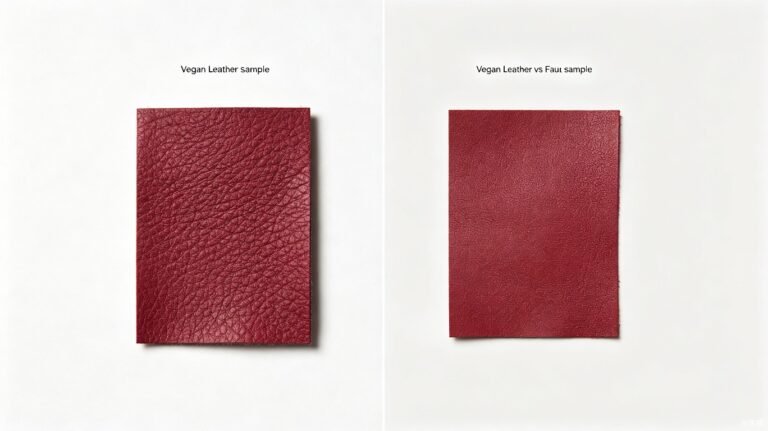
Compare Material Samples Side by Side

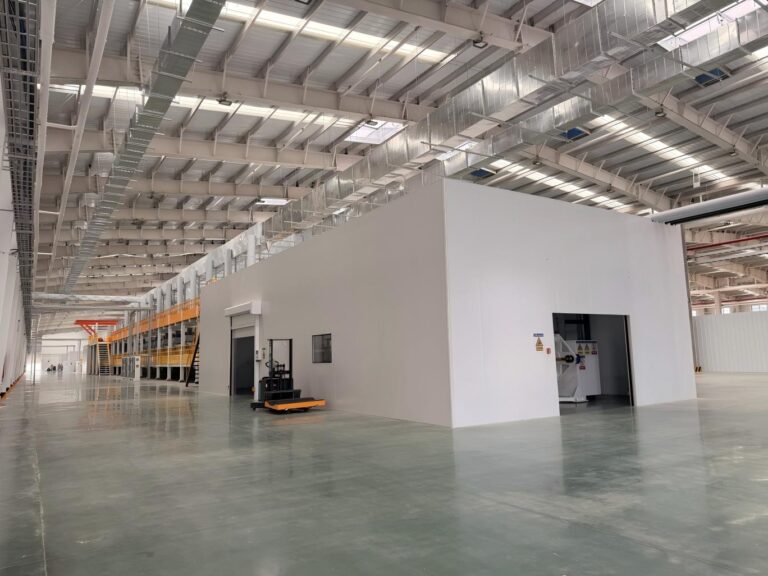
Coating line rollers apply polymer layers onto a fabric substrate during fake leather manufacturing
The Basic Structure: What All Fake Leather Has in Common
Every type of fake leather shares the same fundamental two-part structure. Understanding this base structure is essential before diving into the differences between material types. The first component is the substrate — a fabric layer that provides mechanical strength, dimensional stability, and tear resistance. Common substrates include polyester, cotton, nylon, or non-woven fabrics, chosen based on the intended application and required performance.
The second component is the polymer coating — the layer that gives fake leather its leather-like appearance, texture, and surface properties. This coating is applied in multiple thin layers, each with a specific function: an adhesive or bonding layer that attaches to the substrate, one or more skin layers that form the main body of the coating, and a top coat or finish layer that provides texture, color, gloss, and surface protection. The texture itself is typically created by embossing or by using release paper that transfers a leather-grain pattern during production.
Engineering Note: The substrate is not just a backing — it is a critical structural component. A cheap polyester knit may be fine for a wallet, but high-traffic upholstery requires a woven or non-woven substrate with tensile strength above 10 N/mm and tear strength of at least 15–20 N.
PVC Leather: The Original Fake Leather Composition
PVC leather — short for polyvinyl chloride, also known as vinyl leather — is the oldest and most basic form of synthetic leather. Its primary ingredient is polyvinyl chloride resin, a thermoplastic polymer derived from petroleum. What makes PVC leather interesting from a material science perspective is what else goes into the formulation beyond the base resin.
PVC resin on its own is rigid and brittle. To make it flexible enough for leather-like applications, manufacturers add plasticizers — typically phthalate esters — which can make up 20 to 40 percent of the final material by weight. Additional additives include heat stabilizers (to prevent PVC from decomposing during high-temperature processing), lubricants, fillers such as calcium carbonate, and pigments for color. The PVC compound is then calendered or coated onto a fabric substrate and embossed with a leather grain pattern.
| Fake Leather Type | Primary Polymer | Key Additives | Typical Service Life |
|---|---|---|---|
| PVC (Vinyl) Leather | Polyvinyl chloride resin | Phthalate plasticizers, heat stabilizers, fillers | 2–4 years |
| PU Leather | Polyurethane resin | DMF solvent (wet process), crosslinkers, pigments | 3–5 years |
| Microfiber Leather | PU impregnated microfiber non-woven | Polyamide microfibers, PU binder, DMF | 5–8 years |
| Silicone Leather | Silicone polymer (polysiloxane) | Pigments, crosslinking agents — zero plasticizers | 10+ years |

Production process flow chart showing how different fake leather materials are manufactured
PU Leather: The Most Common Synthetic Leather Formulation
PU leather, or polyurethane leather, is by far the most common type of fake leather on the market today. It has largely replaced PVC in many applications because it offers a more leather-like feel, better breathability, and fewer environmental concerns — though it still has significant limitations. The primary component is polyurethane resin, a polymer formed through the reaction of polyisocyanates (such as MDI or TDI) with polyols.
There are two main manufacturing methods for PU leather, and the method used directly affects the material’s properties and chemical profile. The wet method, also called the DMF method, involves coating a fabric substrate with a PU solution containing N,N-dimethylformamide (DMF) as a solvent, then coagulating the PU in a water bath to create a porous, leather-like structure. The DMF is then washed out and recovered — but residual DMF can remain in the final product, which is a concern for applications involving prolonged skin contact.
The dry method avoids DMF entirely by applying PU layers onto release paper using solvent-based or water-based formulations, then laminating the coated paper onto the fabric substrate. Dry PU production is cleaner from a chemical standpoint but generally produces a material that feels more plastic-like and has less of the premium leather hand feel that the wet method achieves. For more on this topic, see our detailed comparison of silicone versus PU leather.

Release paper coating production line used in dry PU and silicone leather manufacturing
Microfiber and Silicone: The Advanced Fake Leather Materials
Beyond standard PVC and PU, there are two more advanced categories of fake leather that represent the higher end of the material spectrum. Microfiber leather, sometimes called microfiber synthetic leather, uses a non-woven substrate made from ultra-fine polyamide (nylon) fibers — typically 0.1 denier or finer — that are entangled and impregnated with polyurethane. The result is a material with a three-dimensional fiber structure that more closely mimics the collagen fiber network of genuine leather, giving it superior tensile strength, tear resistance, and a more realistic hand feel compared to regular PU.
Silicone leather represents the newest and most chemically distinct category. Instead of a carbon-based polymer like PVC or PU, silicone leather uses a silicone polymer (polysiloxane) as its coating material. The silicone backbone is made of alternating silicon and oxygen atoms — the same Si-O bond found in quartz and sand — which gives it remarkable thermal stability, UV resistance, and chemical inertness that organic polymers simply cannot match.
The composition of silicone leather is also simpler and cleaner from a chemical standpoint. A typical silicone leather formulation contains silicone polymer, pigment, and a crosslinking agent — no plasticizers, no phthalates, no DMF, no heavy metal stabilizers. The material is cured at high temperature to form a crosslinked, three-dimensional network that is extremely stable. From our testing data at TOPSUN, silicone leather maintains its mechanical and chemical properties across a temperature range of -40°C to 250°C — a range that no PU or PVC material can survive.
The difference in chemical composition translates directly into real-world performance differences that procurement managers should consider:
- Durability: Silicone leather achieves 200,000+ Martindale abrasion cycles versus 50,000–100,000 for PU and 20,000–50,000 for PVC.
- Temperature range: Silicone operates from -40°C to 250°C; PU begins to degrade above 80°C; PVC above 60°C.
- Chemical safety: Silicone leather is REACH-compliant with zero SVHC substances; PU may contain residual DMF; PVC contains plasticizers and stabilizers of concern.
- Environmental profile: Silicone leather is 100% recyclable and zero-VOC; PU and PVC degrade into microplastics over time.

Material structure comparison across different types of synthetic leather
How Material Composition Affects Your Sourcing Decisions
For B2B procurement managers and product engineers, understanding what fake leather is made of is not just an academic exercise — it directly impacts your product’s performance, compliance, and total cost of ownership. Here is how to translate material composition into sourcing criteria.
First, check the chemical safety profile against your market’s regulatory requirements. If you sell into the EU, REACH compliance is mandatory — and you should specifically ask about phthalates, DMF, and heavy metal content. PVC leather with phthalate plasticizers is increasingly restricted in toys, childcare articles, and even some upholstery applications. For products with direct skin contact, such as medical equipment upholstery or wearable accessories, you need materials with biocompatibility testing — ISO 10993 for medical applications, for example.
Second, match the material composition to the expected service conditions. Outdoor or marine applications need UV-stable and hydrolysis-resistant materials — which rules out most PU and PVC formulations. High-temperature environments like automotive interiors near dashboards require materials that do not off-gas or degrade under heat. And high-traffic commercial applications need abrasion resistance measured in real Martindale cycles, not marketing claims about “durability.”
Third, calculate the total cost of ownership, not just the per-unit price. A PVC leather that costs 40% less per yard but lasts only one-third as long is not a bargain when you factor in replacement costs, warranty claims, and brand reputation damage. We have run the numbers for many clients, and for commercial applications with five-year-plus service requirements, the total cost of silicone leather is often lower than PU or PVC despite the higher upfront price.
Learn More About Silicone Leather Technology
Frequently Asked Questions
Is all fake leather made from plastic?
Most types of fake leather — including PU, PVC, and microfiber — are made from petroleum-based plastic polymers. However, the category is evolving. Silicone leather is technically a synthetic polymer but its Si-O backbone is fundamentally different from carbon-based plastics, and it does not behave like plastic in terms of degradation or microplastic shedding. There are also emerging bio-based fake leathers that replace some or all of the petroleum-based polymer with plant-derived materials, though these are still niche and often have performance trade-offs.
What is the difference between faux leather and PU leather?
Faux leather is a general term for any leather-like material that is not made from animal hide — it includes PU, PVC, microfiber, silicone, and other types. PU leather is a specific type of faux leather made from polyurethane. In other words, all PU leather is faux leather, but not all faux leather is PU leather. The confusion arises because many products are simply labeled “faux leather” without specifying the material type, which makes it difficult for buyers to assess quality and performance without asking for detailed composition information.
Making Informed Choices About Synthetic Leather Materials
The question “what is fake leather made of” has a simple answer and a complex one. The simple answer: a fabric backing coated with a polymer layer. The complex answer — and the one that matters for your sourcing decisions — depends entirely on which polymer, which additives, and which manufacturing process your supplier uses. PVC, PU, microfiber, and silicone leather all fall under the “fake leather” umbrella, but their chemical compositions and resulting properties are dramatically different.
As a material engineer, my advice is straightforward: never specify a synthetic leather based on price alone. Always ask for the full composition breakdown, test data, and certification documents. The difference between a 2-year product and a 10-year product is not just marketing — it is chemistry.
About TOPSUN
TOPSUN is a silicone leather manufacturer with in-house R&D and full-scale production capabilities — producing high-performance silicone-coated leather for automotive, furniture, medical, and industrial applications.
10+ in-house engineers • 60,000+ m² factory • ISO 10993 biocompatibility certified • REACH and RoHS compliant • 500,000+ meters monthly capacity