Vinyl leather material — also called PVC leather, vinyl upholstery, or simply “vinyl” — has been around for nearly a century. It was the original synthetic leather, the material that brought leather-like upholstery to mass markets at prices genuine leather could never match. For generations, if you needed an affordable, water-resistant leather-like material, vinyl was your answer.
But a lot has changed in the last decade. New regulations targeting phthalates and PVC additives have tightened. Health and environmental concerns about vinyl manufacturing and disposal have grown. And alternative materials — from PU leather to microfiber to silicone leather — have improved in quality and dropped in price. The question for compliance managers and procurement teams in 2026 is no longer “is vinyl leather cheap?” but “is vinyl leather still a viable choice, given everything we now know?”
Compare Eco-Friendly Leather Alternatives

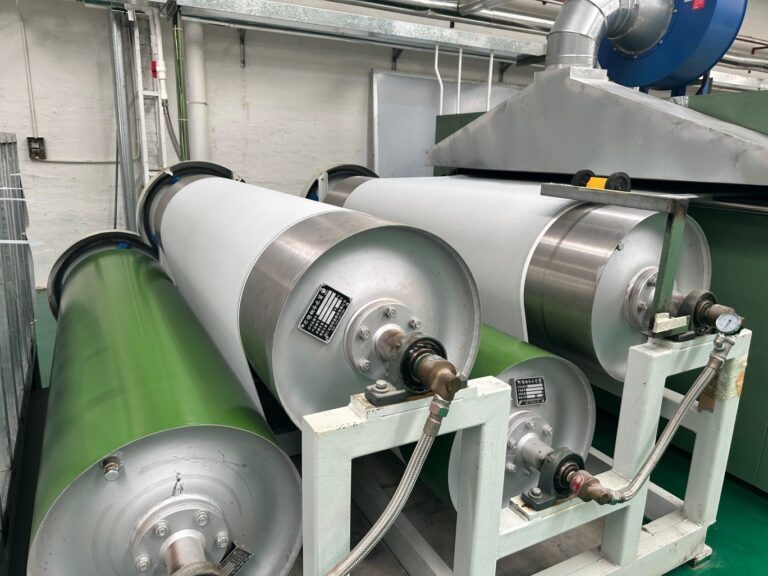
Laboratory testing equipment is used to evaluate the safety and performance of vinyl leather and other synthetic materials
What Vinyl Leather Actually Is
Vinyl leather is a synthetic material made from polyvinyl chloride (PVC) resin coated onto a fabric backing — typically polyester or cotton. The PVC compound includes several additives beyond the base resin: plasticizers (usually phthalates) to make the otherwise rigid PVC flexible, stabilizers to prevent thermal degradation during processing, fillers like calcium carbonate to reduce cost and add bulk, pigments for color, and sometimes flame retardants for specific applications.
The manufacturing process is relatively straightforward. The PVC compound is mixed, calendered into a thin film, and then laminated onto the fabric substrate. The surface is then embossed with a leather-like grain pattern and given a topcoat finish. The result is a material that looks somewhat like leather, is completely impermeable to water, and costs significantly less than genuine leather — or even PU leather, in many cases.
Compliance Note: The plasticizers that make vinyl leather flexible are also its biggest source of regulatory risk. Phthalate plasticizers — particularly DEHP, DBP, BBP, and DINP — are increasingly restricted in the EU, US, and other markets due to health concerns.
The Pros of Vinyl Leather: Why It Is Still Used
Despite growing competition and regulatory pressure, vinyl leather still has some genuine advantages that keep it in the market. It would be inaccurate to present vinyl as entirely obsolete — it still has valid use cases where its specific properties make it the best choice.
| Advantage | Details | Best Application |
|---|---|---|
| Low Cost | Typically the least expensive synthetic leather option | Budget furniture, promotional products |
| Waterproof | Completely impermeable; excellent for wet environments | Marine, outdoor, pool areas |
| Easy to Clean | Non-porous surface wipes clean with soap and water | High-traffic commercial, food service |
| Flame Retardant | PVC is inherently flame-resistant without additional treatments | Public seating, transportation |
| Mature Supply Chain | Widely available from many suppliers globally | Large-volume, cost-sensitive orders |

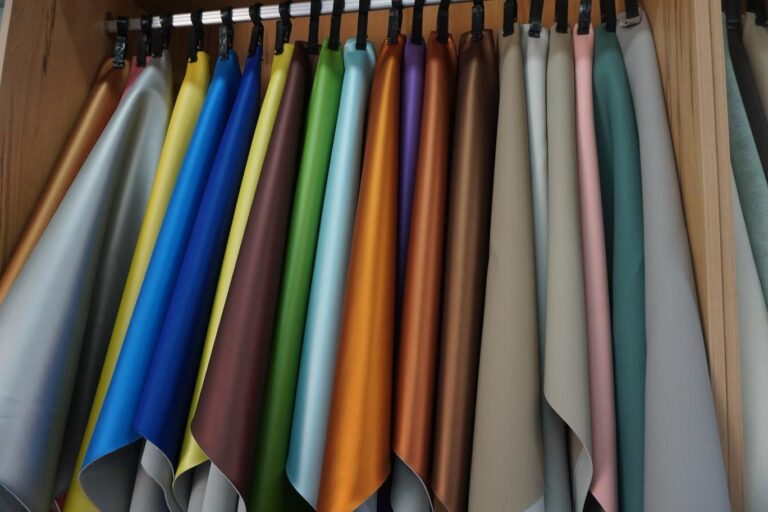
Vinyl leather (PVC) has a distinct plastic-like surface feel and a characteristic sheen
The Cons: Why Vinyl Is Losing Ground
For all its advantages, vinyl leather has significant drawbacks that have caused it to lose market share to other synthetic materials over the past decade. These are not minor issues — they go to the heart of regulatory compliance, environmental responsibility, and long-term cost-effectiveness.
Regulatory risk. This is the biggest concern for compliance-focused buyers. Phthalate plasticizers — the chemicals that make PVC soft and flexible — have been linked to a range of health issues, and regulators around the world have been steadily restricting their use. The EU’s REACH regulation has classified several phthalates as substances of very high concern (SVHCs) and restricted their use in toys, childcare articles, and other products. California’s Proposition 65 requires warning labels for products containing certain phthalates. As regulations tighten, companies that specify vinyl leather risk having to reformulate or change materials mid-product-cycle — which is expensive and disruptive.
Environmental impact. PVC is one of the most environmentally problematic plastics. Its production involves chlorine and generates dioxins and other toxic byproducts. Its disposal is problematic — PVC does not biodegrade, and when incinerated, it releases hydrochloric acid and toxic fumes. The plasticizers in vinyl can also leach out over time, contributing to microplastic and chemical pollution. For companies with sustainability targets or circular economy commitments, vinyl leather is a difficult material to defend.
Poor durability. Despite its water resistance, vinyl leather is not actually a very durable material for long-term use. It becomes brittle and cracks with age as plasticizers migrate out of the material. It has poor cold-temperature flexibility — vinyl can crack below -10°C. And it is prone to UV degradation, which causes fading, discoloration, and surface cracking in outdoor applications. A typical vinyl upholstery product lasts 2–4 years in commercial use, compared to 5–8 years for PU and 10+ years for silicone leather.
Heat sensitivity. Vinyl softens and can even melt at relatively low temperatures — around 60–70°C. This makes it unsuitable for applications where it might be exposed to high heat, such as automotive interiors in direct sunlight or near heat sources. The material can also release volatile organic compounds (VOCs) at elevated temperatures, which is a concern for enclosed spaces like car interiors and hotel rooms. For more on the broader material comparison landscape, see our detailed silicone vs. PU comparison.

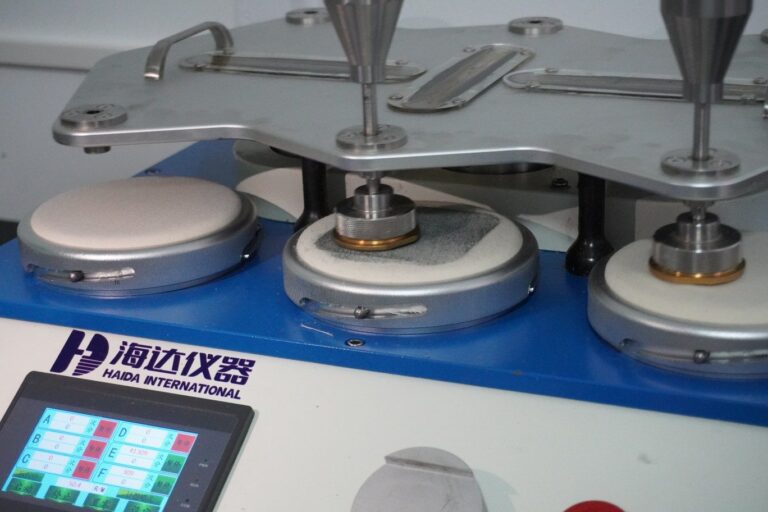
Abrasion testing equipment measures how well different materials — including vinyl — hold up to wear and tear
Vinyl vs. PU vs. Silicone: A 2026 Comparison
To give you a complete picture, here is how vinyl leather stacks up against the two most common alternative synthetic leather materials across the criteria that matter most for B2B sourcing and compliance decisions.
| Factor | Vinyl (PVC) | PU Leather | Silicone Leather |
|---|---|---|---|
| Cost (per m²) | Lowest | Medium | Higher |
| Service Life | 2–4 years | 3–5 years | 10+ years |
| REACH Compliance | Challenging — phthalate concerns | Good (water-based PU) | Excellent — no SVHCs |
| Temperature Range | -10°C to 60°C | -20°C to 80°C | -40°C to 250°C |
| VOC Emissions | High — plasticizers outgas | Moderate | Zero / Near-zero |
| Recyclability | Poor — chlorine content complicates recycling | Limited | Yes — 100% recyclable |
When Vinyl Still Makes Sense (and When It Does Not)
Based on the current regulatory and material landscape, here is my practical recommendation for procurement and compliance teams evaluating vinyl leather in 2026.
Vinyl still makes sense when:
- You need the absolute lowest upfront cost and the product has a short expected lifespan (under 2 years)
- The application is in a dry, indoor environment with moderate temperatures and no UV exposure
- You are selling into markets with less restrictive phthalate regulations
- The product will be recycled or disposed of through a proper waste management system
Vinyl does NOT make sense when:
- You sell into the EU, California, or other markets with strict phthalate restrictions
- The product will be used by children or involve prolonged skin contact
- You need the material to last more than 3–4 years in regular use
- Your company has sustainability or circular economy targets to meet
- The application involves outdoor use, temperature extremes, or UV exposure
For most B2B applications — furniture, automotive, healthcare, hospitality — the trend is clearly moving away from vinyl and toward PU and silicone alternatives. The cost difference has narrowed significantly, and the regulatory and reputational risks of specifying vinyl continue to grow. For a deeper dive into vinyl alternatives for different applications, see our guide to marine and outdoor leather materials where water resistance is critical.
Compare Material Samples Side by Side
Frequently Asked Questions
Is vinyl leather the same as faux leather?
Not exactly — vinyl leather is a type of faux leather, but not all faux leather is vinyl. “Faux leather” is a broad term that includes any leather-like material not made from animal hide. This category includes vinyl (PVC) leather, polyurethane (PU) leather, microfiber leather, silicone leather, and other synthetic materials. Vinyl was the first and most common type of faux leather for many decades, so sometimes people use the terms interchangeably — but it is important to be specific, because the material properties, regulatory status, and price point vary significantly between different types of faux leather.
Are there phthalate-free vinyl leather options?
Yes, some manufacturers offer phthalate-free vinyl leather using alternative plasticizers like DOTP (dioctyl terephthalate) or citrate-based plasticizers. These formulations address the specific concern about phthalate health risks but do not solve all of vinyl’s issues — the material is still PVC, which has other environmental and durability concerns. If you are moving away from vinyl because of regulatory or sustainability reasons, it is worth considering whether a different material entirely — like PU or silicone leather — would be a better long-term solution than just swapping out the plasticizer in a PVC formulation.
The Bottom Line on Vinyl Leather in 2026
Vinyl leather is not going away overnight. It still has cost advantages for certain applications, and the supply chain is mature and well-established. But the trajectory is clear. Regulations are tightening. Health and environmental concerns are growing. And alternative materials have improved to the point where they often deliver better total value despite higher upfront costs.
For compliance and procurement teams, my recommendation is to be proactive. Do not wait for regulations to force a change — evaluate your options now, understand the total cost of ownership for different materials, and start transitioning away from vinyl where it makes sense. In most cases, you will find that the alternatives not only reduce regulatory risk but also deliver better performance and lower long-term costs.
Get a Vinyl Replacement Assessment
About TOPSUN
TOPSUN manufactures REACH-compliant silicone leather as a high-performance vinyl alternative — with zero phthalates, zero VOCs, 10+ year service life, and full recyclability for companies transitioning away from PVC.
REACH and RoHS compliant • No phthalates or heavy metals • Zero VOC emissions • 100% recyclable • SGS and Intertek certified • 60,000+ m² manufacturing capacity