A leather sofa is one of the biggest furniture investments most businesses make. Whether you are furnishing a hotel lobby, an office lounge, a restaurant booth, or a residential living room, you want that sofa to look good and hold up for years — not just months. But when every sales brochure says “durable” and “long-lasting,” how do you actually compare leather sofa durability and know what you are getting?
The truth is, leather sofa durability depends on far more than just the leather grade. It depends on the type of leather, the quality of the frame, the construction of the cushions, the stitching, the finishing — and, most importantly, how well the material matches the use environment. A sofa that lasts 15 years in a low-use residential setting might fall apart in 2 years in a high-traffic commercial space. In this guide, I break down what actually determines how long a leather sofa will last, what test data to look for, and how to compare options so you can make a decision you will not regret in three years.
See Durable Furniture Leather Options

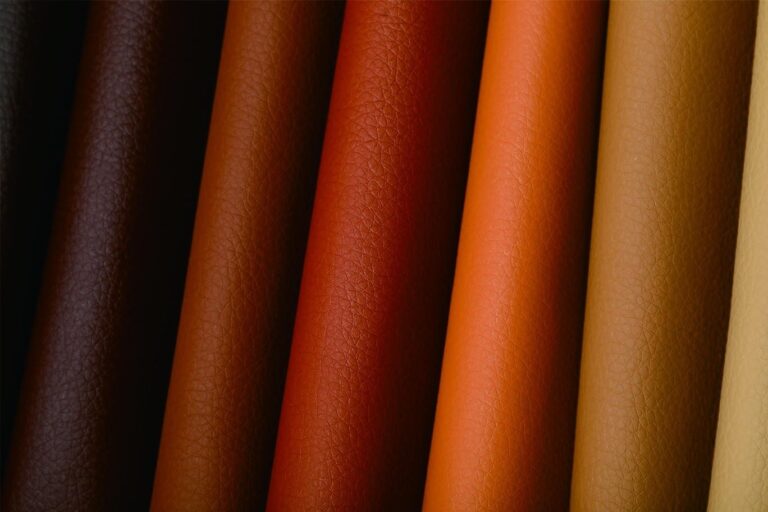
Abrasion testing is just one measure of leather sofa durability — the real test is how the material performs in your specific environment
The 5 Factors That Determine Leather Sofa Durability
When evaluating leather sofa durability, most people focus only on the leather material itself — and that is important. But a sofa is a system, and its overall durability depends on how well all the components work together. Here are the five factors that matter most, in rough order of importance.
1. Leather material quality and type. This is the obvious one, but it is more nuanced than just “genuine leather is better.” The type of leather — full-grain, top-grain, PU, PVC, silicone, microfiber — has a huge impact on durability, but so does the quality within each type. A well-made PU leather can outlast a cheap bonded leather. A high-quality silicone leather can outlast many genuine leathers in commercial environments. What matters is not the label but the actual performance properties — abrasion resistance, flex resistance, UV stability, stain resistance, and tear strength.
2. Frame construction. The frame is the skeleton of the sofa, and a weak frame will cause problems long before the leather wears out. Look for frames made from kiln-dried hardwood (not softwood or particleboard), corner blocks for reinforcement, and doweled or mortise-and-tenon joinery (not just staples or nails). The frame should feel solid and not flex or creak when you sit down or move the sofa.
3. Cushion construction. Sagging cushions are the number one complaint about sofas — leather or otherwise. The best cushions use high-density foam (1.8–2.5 lbs/ft³ for residential, 2.5+ for commercial) with a dacron wrap for comfort. Cheaper sofas use low-density foam that breaks down quickly, or they stuff cushions with fiber fill that compresses and never recovers. For commercial use, look for cushions with spring cores or high-resilience foam that will hold their shape through thousands of uses.
4. Suspension system. The suspension — the webbing or springs that support the cushions — is what gives a sofa its “sit” and determines how well it maintains its shape over time. Eight-way hand-tied springs are the gold standard for durability and comfort, but they are expensive. Sinuous springs (also called “zig-zag” springs) are the most common mid-range option and work well when properly installed. Webbing-only suspension is the cheapest and tends to stretch out and sag over time.
5. Stitching and finishing. The seams are where sofas fail first — especially in high-stress areas like armrests, seat cushions, and back cushions. Look for double-stitching on all major seams, reinforced corners, and quality thread (bonded nylon or polyester thread, not cotton). The pattern matching and alignment can also tell you something about the overall quality of construction — if the manufacturer took the time to match patterns at the seams, they probably took care with the structural details too.
| Component | Good | Better | Best |
|---|---|---|---|
| Frame | Plywood, stapled | Hardwood plywood, doweled | Kiln-dried hardwood, mortise & tenon |
| Cushions | Low-density foam | 1.8–2.0 lb/ft³ foam + dacron | 2.5+ lb/ft³ HR foam + down blend |
| Suspension | Webbing only | Sinuous springs | 8-way hand-tied springs |
| Stitching | Single stitch, cotton thread | Double stitch, nylon thread | Double stitch, bonded nylon, reinforced corners |
Abrasion Testing: The Martindale and Wyzenbeek Numbers
When you look at leather or fabric specifications, you will almost always see an abrasion resistance number — usually Martindale cycles or Wyzenbeek double rubs. These numbers come from standardized tests that measure how well a material resists wear from rubbing, and they are the most common way to compare the durability of different upholstery materials.
The Martindale test (more common in Europe and Asia) rubs the material in a circular motion using a standard abradant, counting how many cycles it takes for the material to show noticeable wear. The Wyzenbeek test (more common in the US) rubs the material back and forth in a straight line, counting “double rubs” (one back-and-forth motion) until two yarns break or the material shows a worn path.
Here is what the numbers roughly mean for sofa applications:
- Under 15,000 Martindale / 10,000 Wyzenbeek: Light use — decorative pieces, bedrooms, occasional use only
- 15,000–30,000 Martindale / 10,000–25,000 Wyzenbeek: Residential use — normal family living room use
- 30,000–50,000 Martindale / 25,000–50,000 Wyzenbeek: Heavy residential / light commercial — busy families, daily use
- 50,000–100,000 Martindale / 50,000+ Wyzenbeek: Commercial use — hotels, offices, restaurants, high-traffic areas
- 100,000+ Martindale: Heavy commercial — airport lounges, waiting rooms, 24/7 use environments
Pro Tip: Do not go solely by the abrasion number. A material with a 50,000 Martindale rating that fades badly in sunlight will not last as long as one with a 30,000 Martindale rating that is UV-stable — if the sofa is in a sunny room. Always match the test data to your actual use environment.

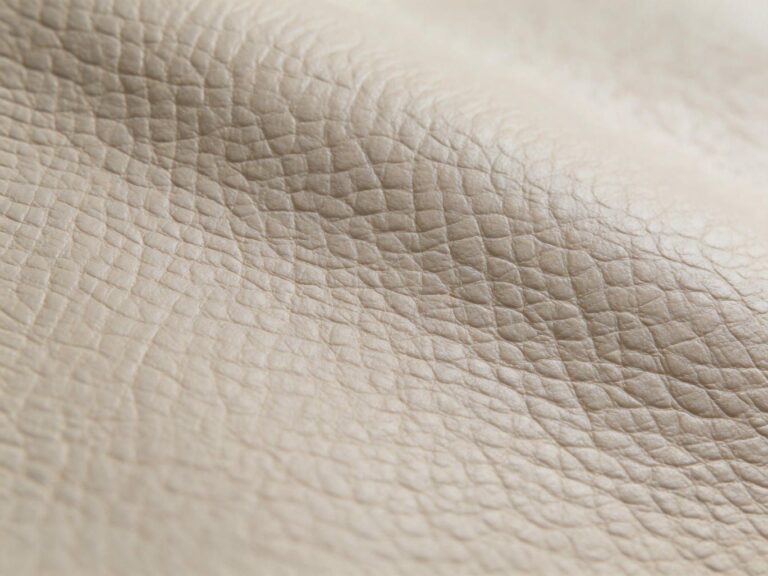
Scratch resistance is another important durability factor — especially for homes with pets or commercial spaces with heavy use
Beyond Abrasion: Other Durability Factors That Matter
Abrasion resistance gets all the attention, but it is far from the only factor that determines how long a leather sofa will actually last. In many real-world situations, these other durability factors cause failure long before abrasion wears through the material.
UV resistance / light fastness. Sunlight is brutal on leather — especially PU leather and dyed genuine leather. UV radiation causes fading, discoloration, drying, cracking, and surface degradation. If your sofa will be in a room with direct sunlight (even through windows), UV resistance is more important than abrasion resistance. Look for light fastness ratings (usually measured on a 1–8 scale, with 8 being best) or UV stability test data. For sunny rooms, consider silicone leather, which has excellent UV resistance, or use window treatments to protect the sofa.
Stain resistance and cleanability. Stains and spills are one of the most common reasons sofas are replaced before their time. A material that stains easily and cannot be cleaned will look old and worn long before it physically wears out. Genuine leather can be stained by oil, wine, and ink — and the more porous the leather, the worse it stains. PU leather is better but can still absorb some types of stains. Silicone leather is the most stain-resistant — most spills just wipe off with a damp cloth, even wine, coffee, and permanent marker. For commercial and hospitality applications, stain resistance is often the single most important durability factor.
Flex resistance. Every time someone sits down on a sofa, the leather flexes and stretches. Over thousands of sitting cycles, materials that do not flex well can crack, peel, or delaminate. This is particularly a problem at the edges of seat cushions and the tops of armrests — the high-flex zones. Flex resistance is tested using a flexometer (bending test machine) and reported as the number of flex cycles before cracking or surface damage appears. For a sofa that will see daily use, look for 50,000+ flex cycles without damage.
Tear strength. Tear strength measures how much force it takes to tear the material. It is important for sofas because sharp objects (keys, pens, pet claws) can create small cuts that then tear larger under stress. Genuine leather generally has good tear strength — especially full-grain. Synthetic leathers vary: PVC is strong but can become brittle with age; PU is moderate; silicone and microfiber are generally very good. Tear strength is reported in Newtons per millimeter (N/mm) — look for at least 20 N/mm for sofa applications.
Hydrolysis resistance. Hydrolysis is the chemical breakdown of a material due to exposure to moisture and heat over time. It is the main reason PU leather furniture fails in warm, humid climates — the polyurethane coating literally breaks down and becomes sticky, crumbly, or powdery. If you are furnishing a space in a humid climate (or any space with poor climate control), hydrolysis resistance is critical. Genuine leather and silicone leather are not susceptible to hydrolysis; PU leather is vulnerable to varying degrees depending on the formulation.

Commercial-grade leather furniture is built to handle much higher use than residential — the durability requirements are completely different
Durability by Leather Type: Real-World Performance
How do different leather types stack up when it comes to real-world sofa durability? Here is my assessment based on testing data and field experience — keeping in mind that there is wide variation within each category depending on quality level.
| Leather Type | Abrasion | UV/ Light | Stain Resistance | Typical Lifespan (Commercial) |
|---|---|---|---|---|
| Full-Grain Leather | Excellent | Fair (fades, dries out) | Poor (porous, stains easily) | 5–10 years (with care) |
| Top-Grain Leather | Very good | Fair-Good | Fair (with finish) | 4–8 years |
| PU Leather | Good | Poor-Fair | Good | 2–5 years |
| PVC / Vinyl | Good | Poor | Very good | 2–4 years |
| Silicone Leather | Excellent | Excellent | Excellent | 10+ years |
| Microfiber | Excellent | Good | Good | 7–12 years |
| Bonded Leather | Poor | Poor | Fair | 1–3 years |
How to Make Your Leather Sofa Last Longer
No matter what leather type you choose, there are things you can do to extend the life of your sofa and protect your investment. These simple maintenance steps can add years to the lifespan of any leather sofa.
Protect from direct sunlight. This is the single most effective thing you can do. UV damage is the leading cause of premature leather failure. Use curtains, blinds, or window films to block direct sun. If the sofa cannot be moved out of the sun, throw a protective cover over it during the brightest part of the day. Or choose a material with good UV resistance in the first place.
Clean regularly and properly. Dust and dirt are abrasive — they act like sandpaper on the leather surface every time someone sits down. Wipe the sofa with a soft, dry cloth once a week, and clean spills immediately. Use only cleaning products recommended for your specific leather type — the wrong cleaner can cause more damage than the dirt it is supposed to remove.
Rotate cushions. Flip and rotate seat and back cushions regularly (every 1–3 months, depending on use) to distribute wear evenly. This prevents one cushion from developing a worn “seat spot” long before the others. It also helps the foam maintain its shape and resilience.
Avoid sharp objects and excessive weight. Do not let people stand on the sofa (especially in heels). Keep keys, pens, and other sharp objects off the cushions. Do not sit on the arms — they are not designed to support body weight and will wear out much faster if used as seats.
Condition genuine leather. If you have genuine leather, apply a leather conditioner every 6–12 months (more often in dry climates) to replenish the natural oils and prevent drying and cracking. Skip the conditioner for synthetic leathers — they do not need it and some conditioners can actually damage them.

Flex testing simulates thousands of sitting cycles — the seat cushion edge is where sofas most often show wear first
Buying for Commercial vs. Residential Use
One of the most common mistakes I see is buying residential-grade furniture for commercial applications — or overspending on commercial-grade furniture for a low-use residential space. The durability requirements are very different, and buying the wrong grade is either a waste of money or a recipe for early failure.
Residential sofas are typically designed for 2–4 hours of use per day. They use lower-density foam, lighter frame construction, and materials with 15,000–30,000 Martindale abrasion ratings. For a typical family living room, this is perfectly adequate and a residential sofa will last 5–10 years with normal use. There is no need to pay for commercial-grade durability in a residential setting — you are paying for performance you will never use.
Commercial sofas are designed for 8–16+ hours of use per day, seven days a week. They need much higher density foam (2.5+ lbs/ft³), heavy-duty frames, reinforced suspension, and materials with 50,000+ Martindale abrasion ratings. Commercial furniture also needs to meet stricter flammability standards and often has additional requirements for stain resistance, cleanability, and antibacterial properties. For hotels, offices, restaurants, and other public spaces, commercial-grade furniture is not optional — it is a necessity. The total cost of ownership is actually lower because the furniture lasts 2–3 times longer.
For commercial buyers, I always recommend calculating the cost per year of use rather than the upfront cost. A $2,000 commercial sofa that lasts 10 years is $200/year. A $1,000 residential sofa that lasts 3 years is $333/year. The “cheaper” option actually costs more — and that is before you factor in the cost and disruption of replacing furniture more frequently. For more on commercial furniture material selection, see our furniture and sofa leather guide.
Get Durability Test Data for Samples
Frequently Asked Questions
Which leather type lasts the longest for a sofa?
For most real-world sofa applications — especially commercial and high-use settings — silicone leather currently has the longest expected lifespan of any leather type. It is the only material that scores excellent across all the key durability categories: abrasion resistance, UV resistance, stain resistance, flex resistance, and hydrolysis resistance. High-quality full-grain genuine leather can also last a very long time — 15+ years — but only with regular care and conditioning, and it stains and fades much more easily. Microfiber leather is also very durable with a 7–12 year lifespan. For residential use with moderate care, top-grain genuine leather and microfiber are both excellent long-term choices. For commercial or high-use applications, silicone leather is the clear durability winner.
How long should a leather sofa last?
It depends entirely on the quality of the sofa and how much use it gets. A low-end bonded leather sofa in heavy commercial use might look worn out in 1–2 years. A mid-range PU leather sofa in a normal residential living room typically lasts 3–5 years before showing noticeable wear. A good quality top-grain genuine leather sofa in residential use, with regular conditioning, can last 10–15 years or more. A high-quality silicone or microfiber leather sofa in commercial use can last 10+ years. The most important thing is to match the sofa’s quality and durability to the expected use — and then maintain it properly. You can extend the life of any sofa significantly with regular cleaning, sun protection, and proper use.
Durability Is a System, Not a Number
The most important thing to understand about leather sofa durability is that it is not determined by any single factor — not the Martindale number, not the leather grade, not the brand name. It is the result of a system: the material type and quality, the frame construction, the cushion foam, the suspension, the stitching, the environment, and the maintenance.
When you are comparing sofas, do not just look for the highest abrasion number or the lowest price. Look at the whole picture. Ask for test data on multiple performance properties. Consider the environment the sofa will live in. Calculate the total cost of ownership, not just the upfront cost. And always — always — sit on it, touch it, and if possible, see it in person before you buy.
A durable leather sofa is not the cheapest one you can find, and it is not the most expensive one you can afford. It is the one that is right for your specific use case — and that will still look good five, ten, or fifteen years from now.
About TOPSUN
TOPSUN silicone leather is engineered for maximum durability in high-use furniture applications — with 200,000+ Martindale cycles, excellent UV and stain resistance, and a 10+ year expected service life for commercial settings.
200,000+ Martindale cycles • Excellent light fastness • Stain-proof surface • Hydrolysis-resistant • 100,000+ flex cycles • ISO and SGS tested